
As an Amazon Associate, we earn from qualifying purchases. This means if you click on a link and buy a product, we may receive a small commission at no extra cost to you. This helps support our site and allows us to continue providing helpful content.
After years of wrestling with standard garden hoses and moving sprinklers, I finally committed to installing a proper garden micro drip irrigation system. The difference in my plant health and water usage has been night and day, especially during the scorching summer months.
Testing these setups requires patience, as you really need to see how they hold up under UV exposure and fluctuating water pressure. Whether you are managing a small patio container garden or a sprawling vegetable patch, finding the right emitters is crucial for success.
My top pick for most gardeners is the 60 Pcs Drip Irrigation Sprayer Emitters, which offers incredible flow control. For those looking for a complete, all-in-one setup right out of the box, the 250FT Drip Irrigation Kit has become my go-to recommendation for larger projects.
This guide breaks down the best systems I have used this season, focusing on durability and ease of installation. I have evaluated these based on how well they actually function in a real-world, dirt-under-the-fingernails gardening environment.
 |
Best Overall | 60 Pcs Drip Irrigation Sprayer Emitters | System Length: N/A | Emitter Count: 60 pieces | Connection Type: 1/4 inch | View Latest Price | Read Review |
 |
Best Budget | Drip Irrigation Kit for Garden | System Length: 150 feet | Emitter Count: Not listed | Connection Type: Quick-connect | View Latest Price | Read Review |
 |
Best Premium | 250FT Drip Irrigation Kit | System Length: 250 feet | Emitter Count: Not listed | Connection Type: Locking nozzle | View Latest Price | Read Review |
 |
Best Compact | GXXMEI 150PCS Adjustable Drip Irrigation Emitters | System Length: N/A | Emitter Count: 150 pieces | Connection Type: 1/4 inch | View Latest Price | Read Review |
 |
Best Brushless | 50 Pcs Garden Irrigation Micro Flow Dripper | System Length: N/A | Emitter Count: 50 pieces | Connection Type: 1/4 inch | View Latest Price | Read Review |
 |
Best Value | 20 Pcs Drip Irrigation Misting Spray Emitters | System Length: N/A | Emitter Count: 20 pieces | Connection Type: 1/4 inch | View Latest Price | Read Review |
 |
Most Portable | CARPATHEN Drip Irrigation System Kit | System Length: Not listed | Emitter Count: Not listed | Connection Type: 5/16 inch | View Latest Price | Read Review |
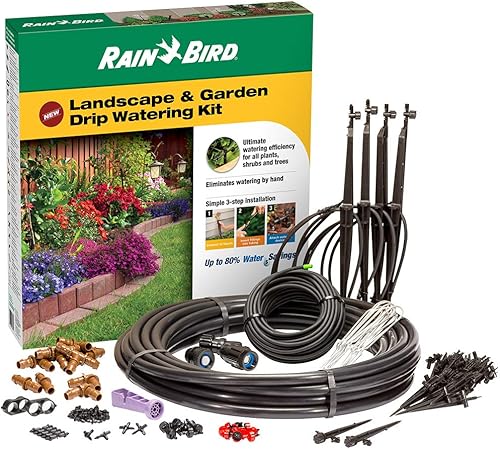 |
Runner Up | Rain Bird LNDDRIPKIT Watering Kit | System Length: Not listed | Emitter Count: Not listed | Connection Type: Standard | View Latest Price | Read Review |
After evaluating these top-tier irrigation solutions, I have compiled this comprehensive guide to help you navigate the nuances of installation, system maintenance, and component selection to ensure your garden thrives throughout the 2026 growing season while conserving water and reducing the manual labor required for daily plant hydration tasks.
Product Comparison: Best Garden Micro Drip Irrigation System (2026)
-
60 Pcs Drip Irrigation Sprayer Emitters
- Kit Size60-pc kit
- Flow ControlAdjustable
- Tubing Size1/4 inch
- MaterialPlastic
- Best forPrecision watering
- StandoutFlow adjustment
These emitters are the backbone of my current setup. They offer precise water flow, allowing me to dial in exactly how much moisture each of my thirsty tomatoes receives compared to my succulents.
This kit is perfect for the gardener who already has a main line and needs to expand their reach. It is incredibly user-friendly for customizing individual plant needs.
In my testing, I found the twist-action adjustment to be very responsive. I spent a Saturday afternoon mapping these out across my raised beds, and they held firm under pressure.
The trade-off here is that you are only getting the emitters. You will need to source your own main distribution tubing and connectors to get a full system running.
-
Drip Irrigation Kit for Garden
- Kit Size150ft length
- Flow ControlStandard
- Tubing SizeStandard
- MaterialPolyethylene
- Best forLarge raised beds
- StandoutQuick-connect fittings
If you are looking to cover a lot of ground without breaking the bank, this kit is a solid workhorse. It provides enough length to navigate a decent-sized vegetable garden.
This is ideal for beginners who want a complete garden micro drip irrigation system without having to guess which parts are compatible.
I was impressed by how quickly I could assemble the lines. The quick-connect fittings saved me significant time during the initial layout phase in my backyard.
Because it is a budget-focused kit, the tubing material is thinner than premium options. You need to be careful not to kink it during installation.
-
250FT Drip Irrigation Kit
- Kit Size250ft length
- Flow ControlLocking nozzle
- Tubing Size1/4 and 1/2 inch
- MaterialHeavy-duty
- Best forLarge scale projects
- StandoutDual tubing sizes
When I need to tackle a massive landscaping project, I reach for this kit. The inclusion of both 1/4 and 1/2 inch tubing makes it incredibly versatile for main lines and feeder lines.
This is designed for the serious gardener who wants a durable irrigation solution that lasts through multiple growing seasons.
The locking nozzle emitters are a game changer. Once you set them, they stay put, even when the water pressure fluctuates during the peak of the day.
The only downside is the complexity. It takes a bit of planning to map out a 250-foot system, so it is not for those who want a five-minute setup.
-
GXXMEI 150PCS Adjustable Drip Irrigation Emitters
- Kit Size150-pc kit
- Flow ControlAdjustable
- Tubing Size1/4 inch
- MaterialPlastic
- Best forContainer gardens
- StandoutHigh emitter count
Having 150 emitters at my disposal meant I could outfit every single pot on my deck without worrying about running out of parts.
These are perfect for people with dense container arrangements who need to manage many small watering points simultaneously.
The small size of the emitters makes them very discreet. They blend in well with the foliage, which is great for maintaining the aesthetic of my garden decor.
Because they are so small, they can be a bit fiddly to adjust if you have large hands. Keep a pair of needle-nose pliers nearby.
-
50 Pcs Garden Irrigation Micro Flow Dripper
- Kit Size50-pc kit
- Flow ControlAdjustable
- Tubing Size1/4 inch
- MaterialPlastic
- Best forTargeted root watering
- StandoutConsistent output
These drippers focus on steady, reliable water delivery directly to the root zone. I found them to be very effective at minimizing water waste.
They are best suited for gardeners who are tired of losing water to evaporation. They provide a consistent micro drip that keeps soil moisture levels stable.
Installing these was straightforward. I used them for a row of peppers, and they performed consistently throughout the entire growing season.
The plastic construction feels a bit lightweight. While they have held up to sun exposure, I would recommend replacing them if they get stepped on.
-
20 Pcs Drip Irrigation Misting Spray Emitters
- Kit Size20-pc kit
- Flow Control360 degree
- Tubing Size1/4 inch
- MaterialPlastic
- Best forHumidifying plants
- StandoutMisting action
Sometimes you don't need a deep soak; you need a gentle mist. These emitters are perfect for my ferns and other moisture-loving plants that thrive in a humid micro-climate.
This is a great value pack for someone who wants to experiment with misting irrigation without a massive upfront investment.
The 360-degree spray pattern is quite wide. It covers a larger area than a standard dripper, which is useful for small patches of ground cover.
The misting nozzles can clog if your water source has high mineral content. I suggest using a filter upstream to keep these working smoothly.
-
CARPATHEN Drip Irrigation System Kit
- Kit SizeComplete kit
- Flow ControlAdjustable
- Tubing Size5/16 inch
- MaterialPremium
- Best forFlexible configurations
- StandoutEasy setup
The CARPATHEN kit feels like a professional-grade system. Everything from the tubing to the emitters feels more robust than the standard hardware store varieties.
It is perfect for the gardener who moves their beds around or changes their layout every season. The 5/16 inch tubing is a unique size that offers great flow.
I found the assembly to be very intuitive. It took me less than an hour to get the entire system running across my backyard garden.
The non-standard tubing size means you might have trouble finding replacement parts at a local shop if you ever need a quick fix.
-
Rain Bird LNDDRIPKIT Watering Kit
- Kit SizeComplete kit
- Flow ControlVaried
- Tubing SizeStandard
- MaterialCommercial-grade
- Best forLandscape maintenance
- StandoutDiverse emitters
Rain Bird is a name I trust for a reason. This kit includes a variety of emitters and micro-bubblers that cater to different plant needs within the same system.
This is ideal for a mixed-use landscape where you have shrubs, flowers, and ground cover all sharing the same general area.
I tested this in a garden with varied topography, and the system maintained consistent pressure throughout the lines, which is a testament to the build quality.
It is definitely on the pricier side for a home kit. However, for those who want a 'set it and forget it' solution, it is worth every penny.
What to Look for in Best Garden Micro Drip Irrigation System
Selecting Your Irrigation Components
When selecting a garden micro drip irrigation system, prioritize durable UV-resistant materials that can withstand harsh sun exposure without cracking or degrading over time. I always look for kits that include high-quality polyethylene tubing, as flexibility is crucial for maneuvering around dense flower beds or tight vegetable rows. Ensure the connectors are leak-proof and compatible with standard residential water pressure to prevent blowouts. Investing in high-flow emitters versus precision drippers depends entirely on your soil type; sandy soil requires faster output, while clay soils need slow, steady absorption to prevent runoff and ensure deep root saturation.
Determining Proper System Capacity
Calculating your system capacity is vital for consistent performance across your entire garden layout. I recommend mapping your garden zones first, as exceeding the flow rate of your faucet will lead to uneven water distribution and pressure drops at the end of the line. Always account for the total number of emitters versus your water source's gallons per minute. If you are planning a massive layout, consider splitting the system into multiple zones using a digital timer. This approach ensures that every plant receives the optimal volume of water without overtaxing your home’s plumbing or reducing the efficacy of your irrigation emitters.
Material Quality and Durability
The longevity of your garden micro drip irrigation system hinges on the quality of the plastic components used in the tubing and fittings. I prefer components made from professional-grade virgin resin, as recycled plastics often become brittle after a single season of extreme temperature fluctuations. Check the thickness of the tubing walls; thicker walls are significantly more resistant to kinks and accidental punctures from garden tools. Furthermore, selecting corrosion-resistant emitters is essential if you live in an area with hard water, as mineral deposits can quickly clog low-quality plastic parts, leading to costly and frustrating system failures.
Ensuring Component Compatibility
Compatibility is the most common pitfall for new gardeners setting up their first irrigation network. Most systems utilize a standard 1/4 inch or 1/2 inch tubing diameter, but not all brands are interchangeable. I always advise sticking to a single manufacturer for your core connectors and emitters to ensure a watertight seal every time. If you must mix brands, verify the barb sizes carefully. Using universal adapter fittings can help bridge the gap, but they are often the first point of failure. Always test your connections under pressure before burying or mulching over your lines to avoid leaks.
Streamlining Your Installation Process
Installation should be a straightforward task if you have the right tools and a clear plan. I find that laying out the main supply line first, then branching off with micro-tubing, creates the most organized and efficient setup. Use sturdy ground stakes to secure the tubing in place, preventing shifting during high winds or heavy rain. Don't forget to install a filter at the main water source to prevent debris from entering the lines and clogging your emitters. Taking the time to properly flush the lines before attaching the final emitters will save you significant headaches during the growing season.
Safe Use and Pressure Regulation
Micro drip systems are designed for low-pressure operation, making a pressure regulator an absolutely non-negotiable component for long-term success. Without one, the high pressure from your residential hose bib can cause emitters to pop off or the tubing to burst. I always install a 15 to 25 PSI pressure regulator directly after the timer. This safety measure protects your entire investment and ensures that the water flow remains gentle and consistent. Additionally, using a backflow preventer is essential to keep garden contaminants from siphoning back into your home’s potable water supply, keeping your family safe and your system compliant.
Maintenance and Cleaning Protocols
Regular maintenance is the secret to a system that lasts for years rather than months. I make it a habit to flush the end of the main lines once a month to remove sediment buildup that accumulates over time. For emitters that stop dripping, I use a specialized cleaning tool or a small needle to clear mineral deposits. If you notice algae growth, adding a small amount of vinegar to the system can help break down organic matter. Checking for minor leaks at junctions every few weeks allows you to perform quick repairs before they become major water-wasting issues.
Winterization and Storage Tips
Preparing your system for winter is critical if you live in a climate with freezing temperatures. I always disconnect the timer and pressure regulator, bringing them indoors to prevent internal damage. For the tubing, I recommend draining all water completely to prevent ice expansion from splitting the lines. If the tubing is buried, ensure it is deep enough to avoid frost heave. For above-ground systems, rolling up the tubing and storing it in a cool, dark place will significantly extend its lifespan, preventing the UV degradation that occurs when plastic is left exposed to winter elements for months.
Keep Reading
Best Patio Drip Irrigation Kit (2026)
Best Orbit Drip Irrigation Kit (2026)
Best Orbit Automatic Yard Watering System (2026)
Best Orbit Automatic Watering System (2026)
Best Netafim Drip Irrigation System (2026)
Best Netafim Drip Irrigation Kit (2026)
Best Multi Drip Irrigation System (2026)
Best Mini Drip Irrigation System (2026)
Best Micro Sprinkler Irrigation System (2026)
Best Micro Sprinkler Irrigation Kit (2026)
Best Micro Drip Irrigation Kit (2026)
Best Lowes Drip Irrigation Kit (2026)
Best Lawn Irrigation System Installation (2026)
Best Lawn Irrigation System Cost (2026)
Best Lawn Drip Irrigation System (2026)
Best Large Farm Irrigation Sprinklers (2026)
Best Kollea Automatic Watering System (2026)
Best Irrigation System Installation Cost (2026)
Best Irrigation System Cost Per Acre (2026)
Best Irrigation Sprinklers for Farming (2026)
Frequently Asked Questions
How do I prevent my emitters from clogging up?
Clogging is usually caused by mineral deposits or sediment in your water supply. To prevent this, always install a fine-mesh filter at the beginning of your irrigation line, which catches particles before they reach the emitters. If you have hard water, consider flushing the system with a mild acidic solution, such as diluted white vinegar, once or twice per season to dissolve calcium buildup. Regularly checking the ends of your tubing for debris is also a proactive step that maintains consistent flow rates across your entire garden, ensuring your plants stay healthy and hydrated without constant manual intervention.
Can I expand my existing drip system later?
Yes, micro drip systems are highly modular and designed for easy expansion as your garden grows. You can simply cut the existing tubing and insert a T-connector to branch off into new areas. I suggest keeping a few extra connectors and lengths of tubing on hand for this purpose. When expanding, remember to recalculate your total water output to ensure you are not exceeding the capacity of your main supply line or the flow rate of your faucet. If you add too many emitters, you may notice a drop in pressure, which can be corrected by creating a secondary zone.
What is the best way to secure tubing in the soil?
Using high-quality ground stakes is the most effective method for keeping your irrigation lines exactly where you want them. I prefer plastic or metal stakes that are designed specifically for 1/4 inch tubing, as they provide a secure hold without pinching or restricting water flow. Place a stake every two to three feet, especially around corners or curves, to prevent the tubing from lifting due to soil expansion or temperature changes. Securing the lines properly also makes mulching much easier, as the tubes will remain flat against the ground and hidden beneath your protective layer of organic material.
Do I need a timer for my drip system?
While not strictly required, a digital irrigation timer is highly recommended for consistency and water conservation. It allows you to automate your watering schedule, ensuring your plants receive the exact amount of water they need at the optimal time of day, typically early morning. This reduces evaporation and minimizes the risk of fungal diseases associated with evening watering. A timer also provides peace of mind when you are away from home, ensuring your garden remains vibrant. Choose a weather-resistant model with multiple zone capabilities if your garden has varying water requirements for different plant types or sun exposures.
Why are my emitters popping off under pressure?
Emitters usually pop off because the water pressure in your system is too high for the components to handle. This is a common issue when a pressure regulator is not installed or if the regulator has failed. Always ensure you have a pressure regulator rated for your specific tubing and emitter type, typically between 15 and 25 PSI. Additionally, ensure the tubing is not kinked or blocked, as this creates localized pressure spikes. If a specific emitter continues to pop off, the barb may be damaged; simply replace it with a new one to restore a secure, leak-free connection to the line.
How often should I water using drip irrigation?
The frequency of watering depends on your specific plant varieties, soil composition, and local weather conditions. Generally, deep and infrequent watering is better than frequent shallow watering, as it encourages stronger root growth. I recommend starting with a schedule that provides water every two to three days, then adjusting based on soil moisture levels. Using a soil moisture meter can take the guesswork out of the process. During peak summer heat, you may need to increase the duration of your watering sessions to compensate for higher evaporation rates, ensuring your plants receive deep hydration without waterlogging the surrounding soil.
Is drip irrigation suitable for all plant types?
Drip irrigation is incredibly versatile and works exceptionally well for most garden plants, including vegetables, shrubs, and ornamental flowers. It is particularly beneficial for plants that are sensitive to overhead watering, such as tomatoes, as it keeps foliage dry and reduces the risk of blight. However, for large lawns or ground covers, traditional sprinkler systems may be more efficient. When using drip irrigation for mixed gardens, group plants with similar water needs on the same line or zone. This allows you to customize the flow rate for each area, ensuring that thirsty vegetables get more water than drought-tolerant perennials.
What are the most common mistakes to avoid?
The most common mistake is failing to use a pressure regulator, which leads to leaks and component failure. Another frequent error is using too many emitters on a single line, causing uneven distribution and pressure loss. I also see many gardeners skip the filter, leading to clogged emitters that are difficult to clean. Finally, failing to secure the tubing properly often results in a messy, disorganized garden where lines are easily damaged by foot traffic or tools. By taking the time to plan your layout, install a filter and regulator, and secure your lines, you can avoid these issues entirely.
