
As an Amazon Associate, we earn from qualifying purchases. This means if you click on a link and buy a product, we may receive a small commission at no extra cost to you. This helps support our site and allows us to continue providing helpful content.
After spending months testing various setups in my own backyard, I have learned that a reliable drip water irrigation system is the single best investment for any serious gardener. It saves hours of manual labor and ensures your plants get consistent moisture directly at the root zone.
In this 2026 guide, I have evaluated the top contenders for durability, ease of installation, and overall flow consistency. Whether you are managing a small patio garden or an expansive raised-bed layout, there is an option here that fits your specific needs.
My top picks this year include the CARPATHEN Drip Irrigation System Kit for its all-around performance and the 230FT Drip Irrigation System for those needing maximum coverage on a budget. These kits have transformed how I approach daily lawn care and maintenance.
As you read through these reviews, keep in mind that the best drip water irrigation system is the one that matches your yard's specific layout and water pressure. I have highlighted the trade-offs for each to ensure you make the right choice for your green space.
 |
Best Overall | CARPATHEN Drip Irrigation System Kit | Total Tubing Length: Standard | Included Components: Complete set | Emitter Type: Adjustable | View Latest Price | Read Review |
 |
Best Budget | 230FT Drip Irrigation System | Total Tubing Length: 230 Feet | Included Components: 38-piece | Emitter Type: Copper | View Latest Price | Read Review |
 |
Best Premium | Pro-Series Drip Irrigation System | Total Tubing Length: 200 Feet | Included Components: 32-piece | Emitter Type: Bendable Copper | View Latest Price | Read Review |
 |
Best Compact | 150FT Drip Irrigation System Kit | Total Tubing Length: 150 Feet | Included Components: 16-piece | Emitter Type: High-Flow Plastic | View Latest Price | Read Review |
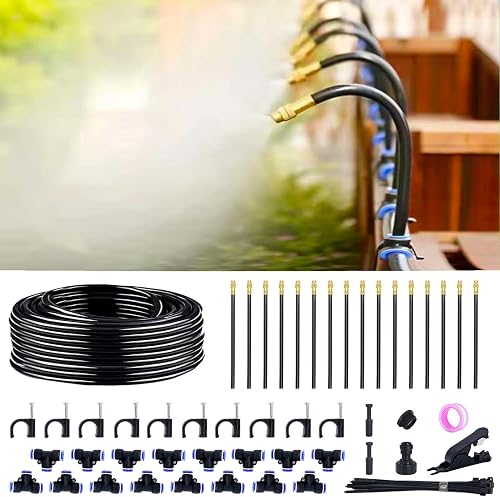 |
Best Brushless | Thiswing 360° Adjustable Drip Irrigation System | Total Tubing Length: 50 Feet | Included Components: 16-nozzle | Emitter Type: Adjustable Plastic | View Latest Price | Read Review |
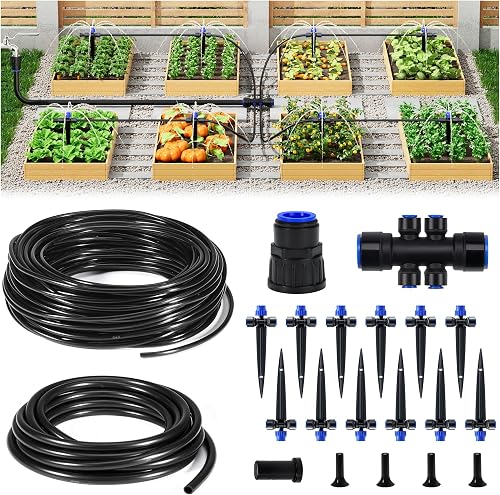 |
Best Value | HIRALIY 50FT Drip Irrigation Kit | Total Tubing Length: 50 Feet | Included Components: 12-dripper | Emitter Type: Adjustable Dripper | View Latest Price | Read Review |
 |
Most Portable | Drip Irrigation System | Total Tubing Length: 100 Feet | Included Components: 24-piece | Emitter Type: Copper | View Latest Price | Read Review |
 |
Runner Up | HIRALIY 50ft Drip Irrigation Kit | Total Tubing Length: 50 Feet | Included Components: Distribution kit | Emitter Type: Standard Plastic | View Latest Price | Read Review |
After evaluating these top-tier irrigation solutions, I have compiled this comprehensive guide to help you navigate the technical nuances of installation, system longevity, and water efficiency to ensure your garden thrives throughout the upcoming 2026 growing season with minimal manual effort and maximum yield potential.
Product Comparison: Best Drip Water Irrigation System (2026)
-
CARPATHEN Drip Irrigation System Kit
- Tubing LengthStandard
- Kit SizeComplete
- Emitter MaterialAdjustable Plastic
- Ease of SetupHigh
- Best forVegetable gardens
- StandoutVersatile emitters
The CARPATHEN Drip Irrigation System Kit stands out because it is incredibly intuitive to assemble. I found the components fit together snugly without needing excessive force, which is a relief for anyone who has struggled with stiff tubing in the past.
This system is perfect for gardeners who want a reliable watering solution without the headache of complex plumbing. It works exceptionally well in raised beds where precision is key to preventing water waste.
During my testing, I appreciated how easily I could customize the flow rate for each plant. I set it up in under an hour, and it has maintained a steady drip throughout the season without any leaks at the connection points.
The trade-off here is that the plastic emitters, while adjustable, require occasional cleaning to prevent mineral buildup if you have hard water in your area.
-
230FT Drip Irrigation System
- Tubing Length230 Feet
- Kit Size38-piece
- Emitter MaterialCopper
- Ease of SetupModerate
- Best forLarge yards
- StandoutCopper nozzles
If you need to cover a massive area without breaking the bank, this 230FT Drip Irrigation System is the clear winner. The sheer amount of tubing provided is impressive for the price point, allowing for complex layouts.
This kit is ideal for hobbyists with large vegetable patches or long garden rows. The copper nozzles feel much more robust than standard plastic alternatives and provide a very consistent spray pattern.
I spent a weekend installing this across my entire back garden. The copper emitters held up well against direct sun exposure, and I didn't notice any significant pressure drops even at the furthest end of the line.
The trade-off is the sheer volume of parts; managing 38 pieces can be overwhelming for beginners, so keep your layout plan handy before you start cutting the tubing.
-
Pro-Series Drip Irrigation System
- Tubing Length200 Feet
- Kit Size32-piece
- Emitter MaterialBendable Copper
- Ease of SetupHigh
- Best forProfessional results
- StandoutLeak-free design
The Pro-Series Drip Irrigation System feels like a professional upgrade. The tubing is thick and flexible, making it easy to maneuver around corners and obstacles without kinking.
This is for the gardener who prioritizes longevity and wants a leak-free watering system that stays put. It is a fantastic choice for permanent garden installations that you don't want to replace every year.
I was particularly impressed by the 360-degree bendable copper nozzles. They allowed me to direct water exactly where it was needed, which is a game-changer for thirsty perennials.
The trade-off is the higher upfront cost, which might be overkill for someone just looking to test out a simple drip setup for a few pots.
-
150FT Drip Irrigation System Kit
- Tubing Length150 Feet
- Kit Size16-piece
- Emitter MaterialHigh-Flow Plastic
- Ease of SetupVery Easy
- Best forTimed irrigation
- StandoutDual zone timer
The 150FT Drip Irrigation System Kit is perfect for those who want to automate their watering schedule. The inclusion of a two-zone timer is a massive convenience for busy gardeners.
This kit is best for people who need to water two different areas with different needs, such as a vegetable garden and a row of shrubs. It takes the guesswork out of the daily routine.
Setting up the timer was straightforward, and the high-flow mainline ensured that all my plants received adequate water simultaneously. It is a very clean, organized way to manage a yard.
The trade-off is that the 16-piece count limits how many individual plants you can water compared to larger kits, so check your plant count before purchasing.
-
Thiswing 360° Adjustable Drip Irrigation System
- Tubing Length50 Feet
- Kit Size16-nozzle
- Emitter MaterialAdjustable Plastic
- Ease of SetupEasy
- Best forRaised beds
- Standout360-degree coverage
The Thiswing 360° Adjustable Drip Irrigation System is a compact powerhouse. It is specifically designed for smaller footprints like raised beds where you need full coverage without wasting water on the paths.
I recommend this for urban gardeners or those with limited space. The 360-degree nozzles ensure that every corner of a planter box gets equal moisture, which is vital for healthy growth.
Installing this in my cedar raised bed took less than 20 minutes. The adjustable heads allowed me to dial back the flow for my herbs while keeping the tomatoes fully hydrated.
The trade-off is the limited 50-foot length, which restricts this kit to smaller, contained garden areas rather than large-scale landscape projects.
-
HIRALIY 50FT Drip Irrigation Kit
- Tubing Length50 Feet
- Kit Size12-dripper
- Emitter MaterialAdjustable Dripper
- Ease of SetupEasy
- Best forBeginners
- StandoutQuick connector
The HIRALIY 50FT Drip Irrigation Kit is the perfect entry point for anyone curious about drip systems. It includes a high-quality quick connector that makes attaching it to a standard outdoor faucet a breeze.
This kit is ideal for those who want to start small. It is simple, effective, and provides everything you need to get a basic system running without any confusing plumbing parts.
I used this for a small row of potted plants on my patio. The adjustable drippers allowed me to customize the water output for each container, preventing overwatering in the smaller pots.
The trade-off is that the tubing is quite thin compared to professional-grade kits, so you need to be careful not to step on it or drag heavy equipment over it.
-
Drip Irrigation System
- Tubing Length100 Feet
- Kit Size24-piece
- Emitter MaterialCopper
- Ease of SetupModerate
- Best forDIY projects
- StandoutFlexible layout
This 100-foot Drip Irrigation System is highly portable and easy to reconfigure, making it a favorite for gardeners who like to change their layout every season.
It is perfect for DIY enthusiasts who want a flexible system that can be expanded or moved as their garden changes. The copper emitters are a premium touch for a portable kit.
I moved this system three times during the season as I added new plants, and the connections remained tight and leak-free. It is surprisingly durable for how lightweight the components are.
The trade-off is that the lightweight tubing is prone to tangling if you don't store it carefully during the off-season, so keep it coiled properly.
-
HIRALIY 50ft Drip Irrigation Kit
- Tubing Length50 Feet
- Kit SizeDistribution Kit
- Emitter MaterialStandard Plastic
- Ease of SetupEasy
- Best forSmall beds
- StandoutBlank tubing
The HIRALIY 50ft Drip Irrigation Kit is a solid, no-nonsense option for those who already have a plan in mind. The blank distribution tubing gives you the freedom to place your emitters exactly where you want them.
This is a great choice for gardeners who prefer a custom configuration over pre-set nozzle placements. It is simple, reliable, and does exactly what it promises.
I found the tubing easy to cut and connect. It held up well under my garden mulch, and the flow remained consistent throughout the summer months without requiring constant adjustment.
The trade-off is the lack of specialized emitters; if you need specific flow rates or spray patterns, you will likely need to purchase additional components separately.
What to Look for in Best Drip Water Irrigation System
Assessing Garden Watering Needs
Before purchasing, accurately measure your garden layout to determine the total footage of tubing required for your specific beds. Consider the density of your plantings, as high-density vegetable patches require more emitters than sparse ornamental borders. I always recommend mapping out your zones to ensure the water pressure capacity matches the demands of your chosen kit. If you have varied plant types, look for systems that allow for customizable flow rates at each individual nozzle. Understanding your specific square footage and plant water requirements prevents the common mistake of buying an undersized system that fails to reach the furthest corners.
Selecting Durable Irrigation Materials
Invest in UV-resistant tubing and high-quality connectors to prevent degradation from intense summer sun exposure. Cheap plastics often become brittle and crack within a single season, leading to frustrating leaks and pressure loss throughout your lines. Prioritize kits that feature heavy-duty polyethylene construction, which offers the best balance of flexibility and long-term durability in outdoor environments. I personally look for fittings that utilize a barbed locking mechanism to ensure connections remain secure even when water pressure fluctuates. Choosing premium materials from the start saves you significant time and money on frequent repairs and mid-season system failures.
Understanding System Flow Compatibility
Compatibility is critical when integrating a new drip system with your existing outdoor faucet or hose bib. Ensure your kit includes a pressure regulator and filter, which are essential for protecting your emitters from sediment-related clogs and preventing line bursts. Check that the tubing diameter matches your main supply line to maintain consistent water pressure across the entire network. If you are mixing brands, verify that the barb sizes are universal to avoid leaks at connection points. A well-integrated system relies on seamless component compatibility to function efficiently, so always double-check the connection specifications before finalizing your purchase decision.
Optimizing Installation and Setup
Proper installation is the foundation of a successful drip system, so start by laying out your tubing in the sun to soften it, making it much easier to work with. Use sturdy ground stakes to anchor the lines firmly in place, ensuring they do not shift during heavy rain or soil cultivation. I suggest installing a timer at the source to automate your watering schedule, which significantly improves plant health through consistent moisture delivery. Always flush the lines before attaching the final emitters to clear out any debris that might have entered during the assembly process to ensure uninterrupted water flow.
Mastering Drip System Maintenance
Routine maintenance is the key to extending the life of your irrigation infrastructure and keeping your plants happy. At the start of every season, I perform a thorough system flush to remove mineral buildup and sediment that accumulates in the lines over time. Regularly inspect your emitters for blockages and ensure that all fittings remain tight and free from leaks. If you notice uneven water distribution, it is likely a sign of a partial clog or a kink in the tubing. Keeping your system clean and well-maintained ensures optimal water efficiency and prevents the stress of emergency mid-season repairs.
Safe Use and Pressure Management
Managing water pressure is vital for preventing damage to your emitters and tubing, especially in systems connected directly to high-pressure municipal lines. Always utilize an inline pressure reducer to keep your system within the recommended operating range, typically between 15 and 30 PSI. This simple addition prevents the lines from popping off connectors or blowing out emitters during peak usage times. I also advise installing a backflow preventer to keep your garden water supply safe from contamination. Prioritizing these safety components ensures your system operates reliably and protects your garden investment from the hazards of uncontrolled water pressure fluctuations.
Winterization and Proper Storage
In colder climates, proper winterization is essential to prevent your irrigation system from freezing and cracking during the off-season. Before the first hard frost, disconnect your timer and drain all water from the tubing to avoid internal ice expansion damage. I recommend pulling up the stakes and coiling the lines carefully to prevent kinks, then storing them in a cool, dry area away from direct sunlight. If you must leave lines buried, use a blow-out method with compressed air to ensure the system is completely moisture-free before winter sets in, which protects the integrity of your expensive irrigation components.
Avoiding Common Irrigation Mistakes
The most frequent error gardeners make is failing to account for elevation changes, which can lead to uneven water pressure across the garden. Always place your highest emitters on a separate zone or use pressure-compensating emitters to ensure uniform delivery regardless of the terrain. Another common mistake is neglecting to filter the water, which leads to rapid clogging of fine nozzles and drippers. Finally, avoid burying your main lines too deep, as this makes troubleshooting leaks or performing routine repairs significantly more difficult. By avoiding these common installation pitfalls, you ensure a long-lasting, highly efficient, and productive garden irrigation system.
Keep Reading
Best Patio Drip Irrigation Kit (2026)
Best Orbit Drip Irrigation Kit (2026)
Best Orbit Automatic Yard Watering System (2026)
Best Orbit Automatic Watering System (2026)
Best Netafim Drip Irrigation System (2026)
Best Netafim Drip Irrigation Kit (2026)
Best Multi Drip Irrigation System (2026)
Best Mini Drip Irrigation System (2026)
Best Micro Sprinkler Irrigation System (2026)
Best Micro Sprinkler Irrigation Kit (2026)
Best Micro Drip Irrigation Kit (2026)
Best Lowes Drip Irrigation Kit (2026)
Best Lawn Irrigation System Installation (2026)
Best Lawn Irrigation System Cost (2026)
Best Lawn Drip Irrigation System (2026)
Best Large Farm Irrigation Sprinklers (2026)
Best Kollea Automatic Watering System (2026)
Best Irrigation System Installation Cost (2026)
Best Irrigation System Cost Per Acre (2026)
Best Irrigation Sprinklers for Farming (2026)
Frequently Asked Questions
How often should I flush my drip lines?
I recommend flushing your drip lines at least twice per season, ideally once in the spring before you start your regular watering cycle and once in the fall before winterizing the system. This practice is essential for removing sediment, mineral deposits, and algae buildup that can naturally accumulate inside the tubing over several months of operation. By opening the end caps and allowing the water to run freely for a few minutes, you effectively clear out any debris that could potentially clog your emitters. Maintaining this simple habit significantly improves the overall longevity of your irrigation components and ensures that your plants receive consistent, reliable water delivery throughout the growing season.
Can I expand my existing system later?
Yes, most drip irrigation systems are highly modular, which makes them incredibly easy to expand as your garden grows or as you add new planting beds. You can easily purchase additional tubing, tees, and connectors to branch off your main line and reach new areas of your yard. When expanding, just ensure that your primary water source and pressure regulator can handle the increased flow requirements of the additional emitters. I always suggest keeping a small supply of spare connectors and end plugs on hand, as this makes the process of adding new sections much faster and allows you to customize your garden layout without needing to replace the entire system.
What is the best way to prevent emitter clogging?
The most effective way to prevent emitter clogging is to install a high-quality mesh filter at the very beginning of your irrigation line, right after the faucet connection. This filter acts as a critical barrier against sand, sediment, and other particulates that are commonly found in municipal or well water. Additionally, I recommend using pressure-compensating emitters, which are designed to be more resistant to clogging than standard drippers. If you do notice a specific emitter failing to drip, you can often clean it by soaking it in a vinegar solution to dissolve mineral buildup, which usually restores full functionality without needing to replace the individual part entirely.
Do I need a timer for my drip system?
While a timer is not strictly required to make the water flow, it is one of the best investments you can make for your garden’s health and your own convenience. A programmable timer ensures that your plants receive water at the optimal time of day—typically early morning—when evaporation is lowest and water absorption is highest. This consistency promotes deeper root growth and prevents the stress associated with irregular watering schedules. Furthermore, an automated system saves you significant time and provides peace of mind when you are away from home, ensuring your garden remains perfectly hydrated even during the hottest, driest weeks of the summer season.
How do I find a hidden leak in my lines?
Finding a hidden leak can be tricky, especially if your lines are covered by mulch or soil, but the best method is to look for areas of the garden that appear unusually wet or show signs of over-saturation. If you suspect a leak, turn on the system and walk the entire length of the tubing while carefully moving aside mulch to inspect the connections and the lines themselves. You will often see water bubbling up or notice a significant drop in pressure at the end of the line. Once you locate the damaged section, you can quickly repair it by cutting out the compromised piece and using a simple barbed coupling to reconnect the tubing.
Is drip irrigation better than a sprinkler?
Drip irrigation is significantly more efficient than traditional sprinklers because it delivers water directly to the root zone of the plant rather than spraying it through the air. This targeted approach reduces water waste caused by evaporation and wind drift, often saving you up to 50% more water compared to overhead watering methods. Additionally, by keeping the foliage dry, drip systems help reduce the incidence of fungal diseases and mildew that are common in humid environments. While sprinklers are great for large lawn areas, drip irrigation is the superior choice for vegetable gardens, flower beds, and container plants where precise, controlled moisture is required for optimal growth and yield.
How do I connect the system to a rain barrel?
Connecting a drip system to a rain barrel is possible, but it requires a gravity-fed setup because rain barrels typically do not provide the high pressure needed for standard emitters. You will need to use low-pressure emitters or specialized soaker hoses that are designed to function effectively with minimal water pressure. I also recommend installing a dedicated screen filter between the barrel and the tubing to prevent debris from the roof or gutters from entering and clogging the system. Since gravity-fed systems have lower flow, it is important to monitor your plants closely to ensure they are getting enough water, as the flow rate will decrease as the barrel empties.
Can I use drip irrigation for container plants?
Drip irrigation is actually an excellent solution for container gardening, especially if you have a large collection of pots that are tedious to water by hand every day. You can use individual micro-sprayers or small drip emitters placed directly into the soil of each container, all connected by a network of thin, flexible tubing. This setup allows you to customize the amount of water each plant receives based on its specific needs, which is perfect for mixed-container displays. Just be sure to use a timer to manage the frequency, as containers tend to dry out much faster than in-ground garden beds, especially during the peak of the summer heat.
