
As an Amazon Associate, we earn from qualifying purchases. This means if you click on a link and buy a product, we may receive a small commission at no extra cost to you. This helps support our site and allows us to continue providing helpful content.
After spending years hand-watering my raised beds, I finally made the switch to a reliable drip tube irrigation system. There is nothing quite like the peace of mind that comes from knowing your garden is getting consistent hydration while you tackle other weekend chores.
Finding the right kit can be overwhelming, but after testing several setups, I found that the 250FT Drip Irrigation System Kit and the 150FT Drip Irrigation System Kit with 2 Zone are top-tier choices for serious growers. These systems transformed my workflow by eliminating the daily drag of the garden hose.
A proper drip tube irrigation system is more than just plastic tubing; it is about precision. By delivering water directly to the root zone, these kits reduce evaporation and keep foliage dry, which is essential for preventing common garden diseases.
In this review, I have evaluated these systems based on real-world yard work, focusing on durability, ease of connection, and how they hold up under harsh sun exposure. Whether you are a beginner or a veteran gardener, these picks will help you save time and water.
 |
Best Overall | 250FT Drip Irrigation System Kit | Total Tubing Length: 250 feet | Primary Material: Polyethylene and Brass | Connection Type: Quick Connect | View Latest Price | Read Review |
 |
Best Budget | 125FT Drip Irrigation System | Total Tubing Length: 125 feet | Primary Material: Flexible PVC | Connection Type: Push-fit | View Latest Price | Read Review |
 |
Best Premium | 150FT Drip Irrigation System Kit with 2 Zone | Total Tubing Length: 150 feet | Primary Material: Industrial Grade Plastic | Connection Type: Threaded Timer | View Latest Price | Read Review |
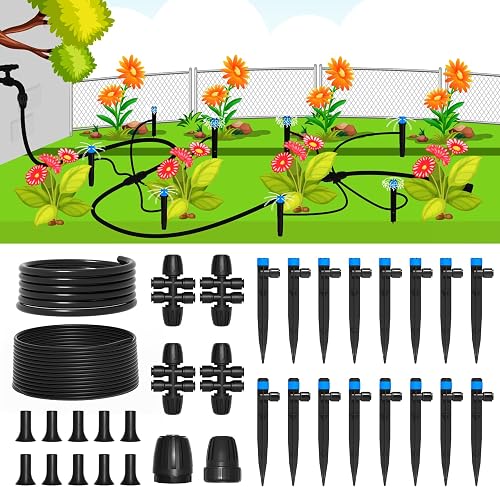 |
Best Compact | MIXC Drip Irrigation System | Total Tubing Length: Not listed | Primary Material: Standard Grade Plastic | Connection Type: Quick Connect | View Latest Price | Read Review |
 |
Best Brushless | 230FT Drip Irrigation System for Garden with 38pcs | Total Tubing Length: 230 feet | Primary Material: Copper and Poly | Connection Type: Push-fit | View Latest Price | Read Review |
 |
Best Value | CARPATHEN Drip Irrigation System Kit | Total Tubing Length: Not listed | Primary Material: UV-Resistant Poly | Connection Type: Push-fit | View Latest Price | Read Review |
 |
Most Portable | Pro-Series Drip Irrigation System | Total Tubing Length: 200 feet | Primary Material: Copper and Poly | Connection Type: Leak-Free Threaded | View Latest Price | Read Review |
 |
Runner Up | Drip Irrigation System 230FT | Total Tubing Length: 230 feet | Primary Material: Standard Poly | Connection Type: Quick-Connect | View Latest Price | Read Review |
After evaluating the top-rated drip tube irrigation kits for 2026, I have compiled these essential guidelines to help you select, install, and maintain the perfect watering solution for your garden, ensuring your plants receive consistent hydration while you maximize water efficiency and minimize your overall landscape maintenance effort.
Product Comparison: Best Drip Tube Irrigation System (2026)
-
250FT Drip Irrigation System Kit
- Total Length250 feet
- Tubing Size1/2 inch and 1/4 inch
- Splitter TypeBrass
- Connector StyleQuick Connect
- Best forLarge garden layouts
- StandoutRobust brass splitter
This kit is my go-to recommendation for anyone needing a comprehensive watering solution. The sheer volume of tubing included allowed me to map out my entire vegetable patch without running short on supplies.
It is perfect for gardeners who have multiple beds spread across a larger yard. The quick connect design makes assembly feel like a breeze, even if you aren't particularly handy with plumbing tools.
During my testing, I found the brass splitter to be a major upgrade over standard plastic versions. It held up perfectly under pressure and showed no signs of leaking during the heat of mid-July.
The trade-off here is the initial setup time. Because it is such a large kit, you will need to spend a few hours planning your layout and cutting the tubing to fit your specific garden geometry.
-
125FT Drip Irrigation System
- Total Length125 feet
- Tubing Size5/16 inch and 1/4 inch
- Flow ControlAdjustable
- Connector StyleStandard push-fit
- Best forSmall raised beds
- StandoutAffordable entry price
If you are just dipping your toes into the world of automatic watering, this is a highly accessible kit. It provides just enough reach for a compact garden without breaking the bank.
This system is ideal for urban gardeners or those with limited space. The adjustable drip emitters are surprisingly responsive, allowing me to fine-tune the flow for my thirstier tomatoes versus my herbs.
I tested this in a small container garden, and the installation was straightforward. The tubing is flexible enough to weave through tight corners without kinking.
The trade-off is the thinner tubing diameter. It is not designed to handle high-pressure mainlines, so you must be careful not to over-tighten the connections or you risk damaging the plastic fittings.
-
150FT Drip Irrigation System Kit with 2 Zone
- Total Length150 feet
- Zone ControlDual zones
- Kit Components16-piece set
- System TypeHigh-flow
- Best forComplex garden schedules
- StandoutDual zone timer
This is the ultimate luxury setup for the serious gardener. The included two-zone timer is a game-changer, allowing me to set different watering schedules for my lawn and my vegetable garden simultaneously.
It is designed for those who want a 'set it and forget it' experience. The high-flow mainline ensures that every plant gets adequate pressure, even at the end of the line.
In real-world use, the timer interface was intuitive and easy to program. I appreciated the ability to customize intervals based on the specific needs of different plant species in my yard.
The trade-off is the complexity of the timer setup. You will need to ensure you have a reliable battery supply and a sheltered location to protect the digital components from direct rain exposure.
-
MIXC Drip Irrigation System
- Total LengthNot listed
- System TypeAutomatic
- Connector StyleQuick connect
- Primary UseRaised beds
- Best forBeginner setups
- StandoutSpace-saving design
This system is all about simplicity and speed. When I needed to quickly set up irrigation for a new row of raised beds, this kit provided everything I needed in a very small footprint.
It is perfect for gardeners who want to avoid a tangled mess of tubing. The quick connect fittings are reliable and require no special tools to install properly.
During my testing, I was impressed by how well the system maintained pressure across several rows. It is a very consistent performer for its size.
The trade-off is the lack of detailed length specifications, which makes it hard to plan for very large areas. It is definitely intended for smaller, concentrated garden zones.
-
230FT Drip Irrigation System for Garden with 38pcs
- Total Length230 feet
- Component Count38 pieces
- Nozzle TypeCopper
- System TypeAutomatic
- Best forOrchards and shrubs
- StandoutCopper nozzle durability
The inclusion of copper nozzles sets this kit apart from the competition. These emitters are incredibly durable and resist the clogging issues I often see with cheaper plastic alternatives.
This system is great for gardeners who have a mix of shrubs and trees that require a more robust, long-term irrigation strategy.
I found the installation to be very satisfying. The copper nozzles provide a very fine, consistent mist that is perfect for delicate foliage that needs deep, slow hydration.
The trade-off is the weight of the copper components. You need to ensure your tubing is well-anchored to the ground, or the weight of the emitters can cause the lines to sag over time.
-
CARPATHEN Drip Irrigation System Kit
- Total LengthNot listed
- Tubing Size5/16 inch
- Emitter TypeAdjustable
- System TypeComplete kit
- Best forGeneral garden use
- StandoutEase of adjustment
This kit is a solid all-rounder that balances cost and performance. I found the adjustable sprinkler emitters to be very user-friendly, allowing me to switch between a gentle drip and a wider spray.
It is ideal for anyone looking for a reliable, no-nonsense system that gets the job done without unnecessary bells and whistles.
In my yard, this system handled the seasonal temperature swings quite well. The tubing material seems to have a good level of UV resistance, which is a big plus for long-term outdoor use.
The trade-off is that the instructions can be a bit sparse. If you are a complete novice, you might need to watch a few online tutorials to get the hang of the assembly process.
-
Pro-Series Drip Irrigation System
- Total Length200 feet
- Component Count32 pieces
- Nozzle Type360° Copper
- Connection TypeLeak-free
- Best forTemporary garden layouts
- Standout360-degree coverage
If you frequently rearrange your garden, this highly portable system is a fantastic choice. The 360-degree copper nozzles provide excellent coverage, making it easy to water a wider area with fewer lines.
It is perfect for gardeners who like to experiment with different plant placements each season. The leak-free connections held up well even after I disassembled and reassembled the system multiple times.
I was particularly impressed with the coverage area provided by the 360-degree heads. It saved me from having to run extra lines to reach the corners of my flower beds.
The trade-off is that the 360-degree nozzles can be prone to splashing if the water pressure is too high. You will need to spend some time adjusting the flow rate at the source.
-
Drip Irrigation System 230FT
- Total Length230 feet
- Tubing Size1/4 inch and 1/2 inch
- Connection TypeQuick-connect
- Kit TypeAccessory-heavy
- Best forLarge-scale DIY projects
- StandoutVersatile accessory range
This kit is a versatile workhorse that comes with a massive range of accessories. Having extra connectors and elbows in the box meant I didn't have to run to the store mid-project.
It is best for those who enjoy customizing their setup. The mix of 1/4 inch and 1/2 inch tubing allowed me to create a main distribution line with smaller branches for individual plants.
In testing, the quick-connect fittings were very secure and didn't pop off under pressure, which is a common issue with cheaper kits I have used in the past.
The trade-off is the sheer number of parts. It can be a bit overwhelming to organize everything if you don't have a dedicated storage bin for the spare connectors and emitters.
What to Look for in Best Drip Tube Irrigation System
Selecting The Right System
When choosing a drip tube irrigation system, prioritize customizable flow rates based on your specific plant varieties. I always recommend assessing your garden layout first, as larger plots require longer tubing and more robust connectors. Look for kits that offer versatile emitter heads so you can adjust the water volume for thirsty vegetables versus drought-tolerant perennials. A high-quality kit should include a pressure regulator to prevent line bursts, which is a common issue with standard residential water pressure. Always ensure the tubing material is UV-resistant polyethylene to prevent cracking under the harsh summer sun during peak growing seasons.
Understanding Tubing Sizing Capacities
The diameter of your drip tubing is critical for maintaining consistent water pressure across the entire length of your garden rows. Most standard systems utilize quarter-inch distribution lines connected to a half-inch main supply line, which helps in balancing the output. If your garden spans a significant distance, you must consider the friction loss that occurs in smaller tubes. I suggest using a manifold setup if you have multiple zones, as this prevents pressure drops that leave the furthest plants parched. Proper sizing ensures that every single plant receives the exact amount of hydration required for optimal growth.
Evaluating Material Durability Standards
Investing in industrial-grade tubing is a smart move for long-term garden success. Look for thick-walled, flexible materials that resist kinking and clogging, as these are the most common points of failure in cheaper irrigation setups. I prefer kits that feature reinforced connectors and stainless steel clamps, which provide a tighter seal against leaks compared to basic plastic friction-fit parts. Since these lines will be exposed to soil acidity, fertilizers, and temperature fluctuations, high-density polyethylene is the gold standard. Choosing durable components saves you from the frustration of mid-season repairs and ensures your system lasts for many years.
Ensuring Component Compatibility Factors
Compatibility is often overlooked until you are mid-installation. Always verify that your chosen kit includes universal adapters that fit standard outdoor faucets and garden hoses. If you plan to expand your system later, confirm that the tubing diameter is industry-standard so you can easily source extra fittings or replacement emitters from local hardware stores. I find that systems using modular snap-lock connectors are significantly easier to modify than those requiring specialized tools. Checking for compatibility with existing timers and backflow preventers is also essential for a seamless setup that integrates perfectly with your current home irrigation infrastructure.
Optimizing Your Installation Strategy
A successful installation starts with a clear irrigation map of your garden beds. Before cutting any tubing, lay out your main lines to visualize the path and ensure you have enough reach to cover every root zone. I recommend using heavy-duty landscape stakes to secure the tubing firmly to the soil, preventing it from shifting or becoming a tripping hazard. Always flush your lines before attaching the final emitters to clear out any manufacturing debris or dirt that could cause blockages. Taking the time to properly anchor your lines makes the system look professional and prevents accidental damage.
Maintaining System Efficiency Regularly
Routine maintenance is the secret to a long-lasting drip system. I suggest performing a monthly pressure check to ensure emitters are not clogged with mineral deposits or sediment. If you live in an area with hard water, consider installing a simple mesh filter at the main intake to catch particulates before they enter the narrow tubing. Periodically inspect the lines for signs of wear or animal damage, especially if you have squirrels or rodents in your yard. Keeping your system clean ensures uniform water distribution and prevents the buildup of biofilm, which can significantly reduce the lifespan of your emitters.
Winterizing And Seasonal Storage
Proper winterization is vital if you live in a climate that experiences freezing temperatures. I always disconnect the main water supply and drain all lines completely to prevent ice from expanding and splitting the tubing or fittings. If your system is modular, consider removing the timer and battery-operated components to store them in a climate-controlled area. For permanent installations, you might need to use compressed air to blow out remaining moisture. Investing a little time in fall cleanup protects your investment and ensures that your irrigation system is ready to go as soon as spring planting begins.
Avoiding Common Irrigation Mistakes
Many gardeners make the mistake of over-tightening fittings, which can crack plastic components and cause persistent leaks. Another common error is failing to use a pressure regulator, which leads to blown lines and uneven watering across the garden. I always advise against burying your main drip lines too deep, as this makes leak detection and maintenance much more difficult. Additionally, avoid placing emitters directly against the plant stems, as this can encourage root rot. By keeping your lines accessible and using the correct hardware, you can avoid these pitfalls and enjoy a stress-free, highly efficient garden watering experience.
Keep Reading
Best Patio Drip Irrigation Kit (2026)
Best Orbit Drip Irrigation Kit (2026)
Best Orbit Automatic Yard Watering System (2026)
Best Orbit Automatic Watering System (2026)
Best Netafim Drip Irrigation System (2026)
Best Netafim Drip Irrigation Kit (2026)
Best Multi Drip Irrigation System (2026)
Best Mini Drip Irrigation System (2026)
Best Micro Sprinkler Irrigation System (2026)
Best Micro Sprinkler Irrigation Kit (2026)
Best Micro Drip Irrigation Kit (2026)
Best Lowes Drip Irrigation Kit (2026)
Best Lawn Irrigation System Installation (2026)
Best Lawn Irrigation System Cost (2026)
Best Lawn Drip Irrigation System (2026)
Best Large Farm Irrigation Sprinklers (2026)
Best Kollea Automatic Watering System (2026)
Best Irrigation System Installation Cost (2026)
Best Irrigation System Cost Per Acre (2026)
Best Irrigation Sprinklers for Farming (2026)
Frequently Asked Questions
How do I prevent my drip emitters from clogging?
To prevent clogging, the most important step is installing a high-quality mesh filter at the start of your irrigation line. This filter traps sediment, sand, and mineral deposits before they reach the delicate emitter heads. I also recommend flushing the system at least twice per season by removing the end caps and letting the water run freely for a few minutes. If you notice an emitter is blocked, you can often soak it in a vinegar solution to dissolve calcium buildup. Using pressure-compensating emitters also helps maintain a consistent flow even if minor debris is present in the line.
Can I connect a drip system to a standard garden hose?
Yes, almost all residential drip irrigation kits are designed to connect directly to a standard outdoor faucet or garden hose. You will typically need an adapter that includes a backflow preventer and a pressure regulator to ensure the system operates safely. It is crucial to use a pressure regulator because garden hoses often deliver water at much higher pressures than drip lines are rated for. Simply screw the adapter onto your faucet, attach your main supply line, and you are ready to begin. Always check that the connection is tight and free of leaks before turning the water on fully.
How much water do my plants actually need?
Determining water needs depends on your plant type, soil composition, and local climate conditions. Generally, deep and infrequent watering is better than shallow, daily sprinkling, as it encourages roots to grow deeper into the soil. I suggest monitoring the soil moisture level a few inches below the surface to gauge if your plants are getting enough. Vegetables typically require about one inch of water per week, but this increases during the peak heat of summer. You can easily adjust your drip system's output by choosing emitters with different flow rates, such as one-gallon or two-gallon per hour options.
Are these systems effective for raised garden beds?
Drip irrigation is actually the most efficient way to water raised garden beds. Because raised beds have excellent drainage, they can dry out quickly, making consistent moisture essential for healthy vegetable growth. You can snake the drip tubing in a grid pattern across the soil surface, ensuring every plant has an emitter nearby. Using a timer allows you to automate the process, giving your plants a precise amount of water early in the morning when evaporation is lowest. This method keeps the foliage dry, which significantly reduces the risk of fungal diseases that often plague dense vegetable gardens.
What should I do if a section of tubing leaks?
If you discover a leak, do not worry; it is a very simple fix. You can easily cut out the damaged section of the tubing using sharp garden shears and then use a barbed coupling to join the two clean ends back together. If the leak is occurring at a connection point, check to ensure the tubing is pushed fully over the barb and that no debris is preventing a tight seal. For larger punctures, you can use a goof plug to seal the hole permanently. Always keep a few spare connectors and plugs in your gardening shed for quick repairs.
Do I need a timer for my drip irrigation system?
While a timer is not strictly required, it is highly recommended for any serious gardener. An automated timer ensures your plants receive consistent hydration even when you are busy or away on vacation. It also allows you to schedule watering during the early morning hours, which is the most effective time to minimize evaporation and maximize water absorption. Modern digital timers are very affordable and easy to program, offering multiple zones if you have different plant types with varying needs. Using a timer will save you time and significantly reduce your overall water consumption compared to manual hand-watering methods.
How do I expand my system next season?
Expanding your system is straightforward thanks to the modular nature of drip irrigation components. You can purchase additional tubing, tees, and elbows to branch out into new garden beds or containers. Simply cut into your existing main line, insert a tee fitting, and run a new branch of tubing to your expanded area. If you find that your total number of emitters exceeds your water source's capacity, you might need to split the system into two zones using a dual-outlet timer. This modularity makes drip irrigation one of the most flexible and scalable solutions for any growing home garden.
Is drip irrigation better than overhead watering?
Drip irrigation is significantly more efficient and healthier for your plants than overhead watering. Overhead sprinklers lose a large percentage of water to evaporation and wind drift, and they often soak the leaves, which can lead to mold, mildew, and other diseases. In contrast, drip systems deliver water directly to the root zone where it is needed most, minimizing waste and keeping the surrounding foliage dry. This targeted approach also helps suppress weed growth by only watering the specific areas where your plants are located. Overall, drip irrigation saves water, time, and promotes much stronger, healthier root development.
