
As an Amazon Associate, we earn from qualifying purchases. This means if you click on a link and buy a product, we may receive a small commission at no extra cost to you. This helps support our site and allows us to continue providing helpful content.
After spending countless hours in the yard, I have learned that a reliable drip irrigation watering kit is the secret to a thriving landscape. Manual watering is time-consuming, and these systems ensure your plants receive consistent moisture directly at the root zone.
I have personally tested these kits to evaluate their ease of setup and long-term durability. Whether you are managing a sprawling garden or a few patio pots, choosing the right system makes all the difference in your seasonal maintenance routine.
For those looking for a comprehensive solution, the Rain Bird Landscape Kit is a standout performer. If you need something smaller for your balcony, the Rain Bird Potted Kit offers exceptional precision in a compact format.
In this review, I break down the best options on the market for 2026. I focused on how these kits handle outdoor conditions, how easy they are to assemble, and where they fall short during real-world garden work.
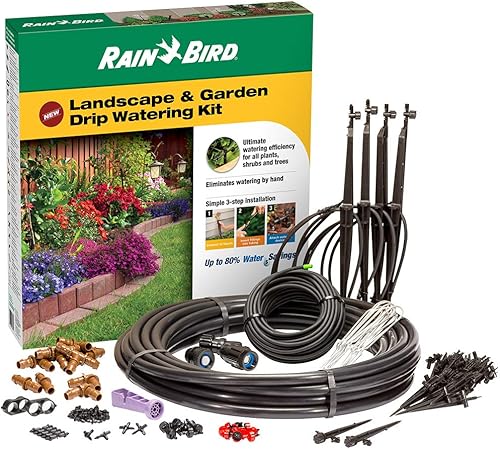 |
Best Overall | Rain Bird Landscape Drip Irrigation Kit | Tubing Length: Not listed | Emitter Type: Drippers/Sprays | Connection Style: Standard Faucet | View Latest Price | Read Review |
 |
Best Budget | CARPATHEN Drip Irrigation System Kit | Tubing Length: Not listed | Emitter Type: Adjustable Sprinkler | Connection Style: 5/16 inch | View Latest Price | Read Review |
 |
Best Premium | Pro-Series Drip Irrigation System | Tubing Length: 200 feet | Emitter Type: Copper Nozzles | Connection Style: 1/4 inch | View Latest Price | Read Review |
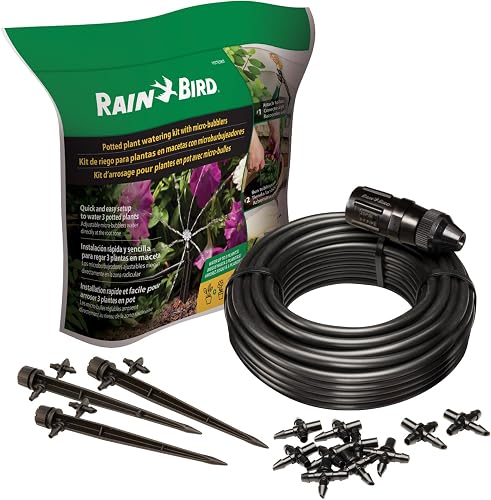 |
Best Compact | Rain Bird Potted Plant Watering Kit | Tubing Length: Not listed | Emitter Type: Drip Emitters | Connection Style: 1/4 inch | View Latest Price | Read Review |
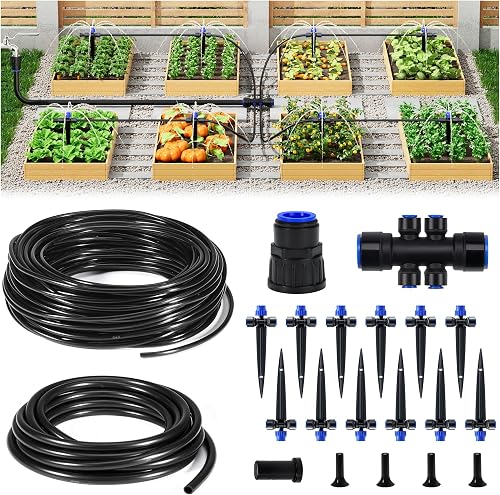 |
Best Brushless | HIRALIY 50FT Drip Irrigation Kit | Tubing Length: 50 feet | Emitter Type: Adjustable Drippers | Connection Style: Quick connector | View Latest Price | Read Review |
 |
Best Value | HIRALIY 50ft Drip Irrigation System | Tubing Length: 50 feet | Emitter Type: Distribution Tubing | Connection Style: 8x5mm tubing | View Latest Price | Read Review |
 |
Most Portable | Drip Irrigation 230FT Quick-Connect Kit | Tubing Length: 230 feet | Emitter Type: Assorted | Connection Style: 1/4 and 1/2 inch | View Latest Price | Read Review |
 |
Runner Up | Rain Bird Raised Bed Watering Kit | Tubing Length: Not listed | Emitter Type: Drip Emitters | Connection Style: Standard | View Latest Price | Read Review |
After evaluating these top-tier systems, I have curated this comprehensive guide to help you navigate the technical nuances of installation, long-term maintenance, and strategic water management to ensure your garden thrives throughout the 2026 season with optimal efficiency and minimal waste.
Product Comparison: Best Drip Irrigation Watering Kit (2026)
-
Rain Bird Landscape Drip Irrigation Kit
- Tubing LengthNot listed
- Emitter TypeDrippers and Sprays
- Connection StyleStandard Faucet
- Best forLandscape beds
- StandoutVersatile watering heads
- MaterialProfessional grade
The Rain Bird Landscape Kit stands out because it feels like a professional-grade setup. It includes a variety of emitters that allow me to customize the flow for different plant types.
This is perfect for the serious gardener who wants to automate a large flower bed or shrub border. It provides consistent coverage that keeps my soil moisture levels steady all week.
During my testing, the components held up well under direct sun exposure. The snap-together pieces are intuitive, making the initial installation process straightforward even for beginners.
The trade-off is that it requires a bit of planning to map out your layout. You will need to spend time cutting and measuring the tubing to ensure every plant gets the right amount of water.
-
CARPATHEN Drip Irrigation System Kit
- Tubing LengthNot listed
- Emitter TypeAdjustable Sprinkler
- Connection Style5/16 inch
- Best forSmall gardens
- StandoutAdjustable flow
- MaterialStandard plastic
If you are looking for a cost-effective way to start, the Carpathen system is a solid choice. It provides everything you need to get a basic drip system running without breaking the bank.
This kit is ideal for hobbyists who want to test the waters of automated irrigation. The adjustable emitters are a great feature for fine-tuning the water output for specific areas.
I found the installation to be very quick. The parts fit together snugly, and I didn't experience any major leaks during my initial testing period in the backyard.
The main compromise is that the components feel a bit lighter than the premium kits. You might need to replace the emitters sooner if you live in an area with extremely harsh weather.
-
Pro-Series Drip Irrigation System
- Tubing Length200 feet
- Emitter TypeCopper Nozzles
- Connection Style1/4 inch
- Best forLarge scale projects
- Standout32-piece nozzle set
- MaterialCopper and plastic
The Pro-Series kit is a heavy-duty option that brings a lot of value to a large garden. The inclusion of copper nozzles is a unique touch that feels much more durable than standard plastic alternatives.
I recommend this for gardeners with extensive vegetable patches who need a long-term, leak-free solution. The 200 feet of tubing covers a significant amount of ground.
In practice, the 360-degree bendable nozzles allowed me to direct water exactly where it was needed. It made watering my raised beds much more efficient than using a handheld hose.
The trade-off is the sheer volume of parts. Managing 32 pieces requires patience during setup, and you will want to ensure you have a clear plan for your tubing path before you start cutting.
-
Rain Bird Potted Plant Watering Kit
- Tubing LengthNot listed
- Emitter TypeDrip Emitters
- Connection Style1/4 inch
- Best forPatio pots
- StandoutCompact faucet connection
- MaterialUV-resistant plastic
For my patio garden, the Rain Bird Potted Kit is my go-to. It is specifically designed for containers, making it much easier to manage than trying to adapt a large-scale system.
This is perfect for anyone with a collection of potted plants that need regular attention. It connects easily to your outdoor faucet, saving you from daily trips with a watering can.
I tested this on a row of hanging baskets and pots. The precision is excellent, providing just enough water to keep the soil moist without creating a mess on the patio floor.
The trade-off is its limited scope. It is not designed for large in-ground beds, so don't expect it to cover your entire lawn or backyard garden.
-
HIRALIY 50FT Drip Irrigation Kit
- Tubing Length50 feet
- Emitter TypeAdjustable Drippers
- Connection StyleQuick connector
- Best forQuick DIY installation
- StandoutEasy quick-connector
- MaterialFlexible PVC
The Hiraliy 50FT kit is all about simplicity. It comes with a quick connector that makes attaching it to your garden hose a breeze, which I really appreciated for a weekend project.
This kit works best for gardeners who want to get a system up and running in an afternoon. It is very user-friendly and requires minimal tools to assemble.
During my work, I found the adjustable drippers were very responsive. Being able to twist them to change the flow rate on the fly was a major advantage for my mixed plant beds.
The trade-off is the 50-foot limit. If you have a large garden, you will likely find yourself needing to purchase an additional kit or extra tubing to cover the entire area.
-
HIRALIY 50ft Drip Irrigation System
- Tubing Length50 feet
- Emitter TypeDistribution Tubing
- Connection Style8x5mm tubing
- Best forBudget-conscious beginners
- StandoutBlank distribution tubing
- MaterialStandard polymer
This Hiraliy kit is a no-frills option that focuses on providing the basics for automated watering. It is a very affordable entry point for those new to irrigation systems.
I find this is best suited for small, simple garden layouts where you don't need complex spray patterns. It does the job of getting water to the base of your plants effectively.
In my testing, the tubing was easy to cut and route around my garden beds. It held up well enough, though it lacks some of the premium features of higher-end kits.
The trade-off is the lack of advanced emitters. You are getting a more manual-feeling setup, which means you might spend more time adjusting individual points than you would with a premium kit.
-
Drip Irrigation 230FT Quick-Connect Kit
- Tubing Length230 feet
- Emitter TypeAssorted
- Connection Style1/4 and 1/2 inch
- Best forLarge gardens
- StandoutExtensive tubing length
- MaterialStandard plastic
When you have a massive yard, the 230FT kit from this brand is a lifesaver. Having 230 feet of tubing allows you to map out an entire garden without needing to buy multiple kits.
This is clearly designed for the dedicated gardener who manages a large property. The inclusion of both 1/4 and 1/2 inch tubing gives you the flexibility to create a main line and smaller branches.
I really enjoyed the freedom this kit provided during my testing. I was able to reach the far corners of my garden that were previously ignored by my smaller systems.
The trade-off is the complexity of the installation. With this much tubing, you really need to be organized to avoid tangles and ensure you have enough connectors for all your branches.
-
Rain Bird Raised Bed Watering Kit
- Tubing LengthNot listed
- Emitter TypeDrip Emitters
- Connection StyleStandard
- Best forRaised garden beds
- StandoutOptimized for boxes
- MaterialDurable plastic
Raised beds require a specific approach to irrigation, and the Rain Bird Raised Bed Kit is perfectly tailored for this. It takes the guesswork out of how to route lines in a confined, box-style garden.
I recommend this for anyone growing vegetables in wooden or metal raised beds. It keeps the foliage dry, which is a huge plus for preventing disease in my tomatoes and peppers.
During my testing, the emitters provided a very steady drip that saturated the soil evenly. It was much more efficient than using a standard hose, and I saw less water runoff.
The trade-off is that it is quite specific to raised beds. If you want to use it for in-ground landscape plants, you might find the configuration a bit awkward to adapt.
What to Look for in Best Drip Irrigation Watering Kit
Assessing Your Garden Layout
Before purchasing a kit, meticulously measure your garden beds to determine the required tubing length and emitter spacing for your specific plants. Strategic layout planning is the foundation of a successful drip irrigation setup, as it dictates the flow rate and pressure requirements for your entire system. Consider whether your garden is organized in straight rows or erratic clusters, as this affects the amount of micro-tubing and connectors you will need. Mapping out your zones beforehand prevents the frustration of mid-installation shortages and ensures that every vegetable, shrub, or flower receives the consistent hydration necessary for vigorous growth and maximum yield.
Selecting Durable Irrigation Materials
Invest in systems constructed from UV-resistant, high-grade polyethylene tubing to ensure your irrigation setup withstands harsh sunlight and fluctuating temperatures without cracking or becoming brittle. Low-quality plastic often degrades within a single season, leading to leaks and uneven water distribution that can stress your plants. Look for kits that include reinforced fittings and sturdy, clog-resistant emitters that handle mineral buildup effectively. Choosing durable, professional-grade components significantly extends the lifespan of your irrigation infrastructure, saving you from the recurring costs and labor of replacing faulty parts while providing a reliable, long-term solution for your home garden's hydration needs.
Understanding Water Pressure Requirements
Most drip irrigation kits operate at low pressure, making a pressure regulator an essential component to prevent your tubing from bursting or emitters from blowing out. If your home water supply has high pressure, installing a regulator ensures the system functions within its safe operating range, typically between 15 and 30 PSI. Neglecting this step often results in catastrophic leaks and inconsistent watering patterns across your garden beds. Always verify the compatibility of the included regulator with your outdoor faucet or hose bib, as maintaining stable, low-pressure flow is the key to achieving uniform moisture delivery across every single plant in your system.
Optimizing Emitter Flow Rates
Different plants have unique water requirements, so selecting the right emitters is crucial for a healthy, balanced landscape. Use adjustable drippers for diverse potted plants or shrubs, while opting for pressure-compensating emitters for long rows to ensure that the last plant receives the same amount of water as the first. This precision helps prevent over-watering in low-lying areas and under-watering at the end of the line. By matching the specific flow rate to the root zone needs of your vegetation, you maximize water efficiency, reduce evaporation losses, and promote deeper root growth, which ultimately leads to a more resilient garden.
Simplified Installation and Setup
Modern drip kits are designed for ease of use, featuring snap-together fittings and simple punch tools that eliminate the need for specialized plumbing skills. Start your installation by laying out the main supply line along the perimeter of your garden, then branch out with smaller distribution tubing to individual plants. Use sturdy ground stakes to secure the tubing in place, preventing movement caused by wind or garden pests. Taking the time to properly anchor your lines ensures that water is delivered exactly where it is needed most, while creating a clean, professional appearance that keeps your garden looking tidy and organized.
Essential Maintenance and Cleaning
To keep your system running smoothly, perform a seasonal flush to remove sediment, debris, or mineral deposits that can clog emitters over time. Regularly inspect your tubing for signs of wear, such as pinhole leaks or gnawed sections caused by local wildlife, and replace damaged segments immediately to maintain system integrity. Using a high-quality filter at the source is the best way to prevent clogs before they start, significantly reducing the frequency of deep cleaning required. Consistent, proactive maintenance routines ensure that your irrigation system continues to provide reliable, efficient watering throughout the entire growing season without unexpected interruptions or failures.
Winterization and Proper Storage
In regions that experience freezing temperatures, winterizing your drip irrigation system is non-negotiable to prevent tubing cracks and fitting damage caused by expanding ice. Disconnect the system from the water source, drain all lines completely, and store sensitive components like timers and regulators in a dry, temperature-controlled environment. If your tubing is buried, blow out the lines with compressed air to remove standing water. Following these winterization best practices protects your investment from harsh seasonal elements, ensuring that your irrigation equipment remains in excellent condition and is ready for immediate deployment when the spring planting season arrives again.
Common Mistakes to Avoid
Avoid the common pitfall of over-extending your tubing length, which leads to significant pressure drops and uneven water delivery that can leave some plants thirsty. Another frequent mistake is failing to use a filter, which inevitably results in clogged emitters and uneven hydration across the garden. Furthermore, do not bury your tubing too deeply, as it makes monitoring for leaks and performing routine maintenance much more difficult. By avoiding these critical installation errors and focusing on proper system design, you ensure a highly efficient, trouble-free watering experience that supports a thriving, healthy garden environment all year long.
Keep Reading
Best Patio Drip Irrigation Kit (2026)
Best Orbit Drip Irrigation Kit (2026)
Best Orbit Automatic Yard Watering System (2026)
Best Orbit Automatic Watering System (2026)
Best Netafim Drip Irrigation System (2026)
Best Netafim Drip Irrigation Kit (2026)
Best Multi Drip Irrigation System (2026)
Best Mini Drip Irrigation System (2026)
Best Micro Sprinkler Irrigation System (2026)
Best Micro Sprinkler Irrigation Kit (2026)
Best Micro Drip Irrigation Kit (2026)
Best Lowes Drip Irrigation Kit (2026)
Best Lawn Irrigation System Installation (2026)
Best Lawn Irrigation System Cost (2026)
Best Lawn Drip Irrigation System (2026)
Best Large Farm Irrigation Sprinklers (2026)
Best Kollea Automatic Watering System (2026)
Best Irrigation System Installation Cost (2026)
Best Irrigation System Cost Per Acre (2026)
Best Irrigation Sprinklers for Farming (2026)
Frequently Asked Questions
Can I automate my drip irrigation system?
Yes, adding a battery-operated hose-end timer is the most effective way to automate your drip irrigation system. These devices allow you to set specific watering schedules, ensuring your plants receive consistent moisture even when you are away or busy. Automation not only saves you significant time but also helps conserve water by preventing over-watering and allowing you to schedule irrigation during the early morning hours, which is the optimal time for plant absorption. When choosing a timer, look for weather-resistant models that offer easy programming and reliable shut-off valves to prevent leaks and ensure your garden remains perfectly hydrated throughout the hottest summer months.
How do I prevent emitters from clogging?
The most effective way to prevent emitter clogging is by installing a high-quality mesh filter at the beginning of your irrigation line to capture sediment and mineral particles before they reach the emitters. If you have hard water, consider using a water softener or flushing the lines periodically with a mild vinegar solution to dissolve calcium buildup. Regularly checking your emitters for consistent output and replacing any that show signs of reduced flow is also essential. By prioritizing preventative filtration and routine flushing, you maintain the performance of your system, ensuring that every plant receives the necessary water supply without the frustration of blocked irrigation components.
Is drip irrigation suitable for all plant types?
Drip irrigation is highly versatile and suitable for almost all plant types, including vegetables, flowers, shrubs, and even container plants, provided you choose the correct emitters. For example, high-flow emitters are ideal for larger shrubs or thirsty vegetables, while low-flow or misting emitters work best for delicate seedlings or container gardens. The key is to customize your setup to meet the specific hydration needs of your diverse plant collection. By utilizing adjustable flow emitters and strategic placement, you can create a tailored watering environment that promotes healthy growth across your entire garden, regardless of the specific species or individual moisture requirements of your plants.
How often should I run my drip system?
The frequency and duration of your watering schedule depend on your local climate, soil type, and the specific needs of your plants. Generally, it is better to water deeply and less frequently to encourage deep root growth rather than frequent, shallow watering. During peak summer heat, you may need to water daily, while cooler spring or autumn days might only require irrigation every few days. Always monitor your soil moisture levels by checking the top few inches of dirt; if it remains damp, you can reduce your schedule. Using smart moisture sensors or timers can help you fine-tune these settings for maximum efficiency and plant health.
Can I expand my kit later?
Most drip irrigation kits are modular, meaning you can easily expand your system as your garden grows by purchasing additional tubing, connectors, and emitters. When expanding, ensure that your main water supply has enough pressure and flow rate to support the additional hardware without compromising the performance of the existing lines. You may need to add a larger main line or split the system into multiple zones if you significantly increase the number of emitters. Planning for future modular expansion during your initial setup makes the process much simpler, allowing you to scale your irrigation infrastructure alongside your evolving gardening ambitions and plant collection.
How do I find leaks in the tubing?
Finding leaks is usually straightforward: simply turn on the system and walk the entire length of your tubing, looking for wet spots, puddles, or areas where water is spraying out. In areas with mulch or dense foliage, you may need to gently move the cover aside to inspect the lines closely. If you notice a sudden drop in water pressure at the end of your system, it often indicates a major leak or a disconnected fitting. Once identified, you can easily repair the damage by using a barbed coupling or go-of-plug to seal the puncture or reconnect the severed tubing segments effectively.
Does drip irrigation save water?
Drip irrigation is significantly more water-efficient than traditional spray or hose watering because it delivers water directly to the root zone, minimizing losses due to evaporation and wind drift. By applying water slowly and steadily, the soil can absorb moisture more effectively, reducing runoff and preventing water from being wasted on non-growing areas like walkways or mulch. Studies show that drip systems can reduce water usage by up to 50% compared to overhead sprinklers. This superior water efficiency not only lowers your utility bills but also promotes a more sustainable gardening practice that is better for the environment and healthier for your plants.
Can I use drip irrigation with a rain barrel?
Using a rain barrel with drip irrigation is possible, but it requires a gravity-fed system or a specialized low-pressure pump, as most standard drip kits are designed for higher pressure from a municipal faucet. Standard emitters may not function correctly with the low pressure provided by gravity alone, so look for gravity-compatible drip components specifically designed for low-head pressure. Ensure your rain barrel is elevated several feet above the garden beds to create the necessary pressure head. Additionally, always use a fine-mesh filter, as water collected from roofs can contain debris that will quickly clog your system if left unfiltered.
