
As an Amazon Associate, we earn from qualifying purchases. This means if you click on a link and buy a product, we may receive a small commission at no extra cost to you. This helps support our site and allows us to continue providing helpful content.
After spending countless hours in the yard fine-tuning my vegetable patches, I have learned that reliable drip irrigation system supplies are the backbone of a thriving garden. Whether you are automating a small balcony container or a sprawling backyard plot, having the right components keeps your plants hydrated without the constant hassle of manual watering.
In my 2026 testing, I focused on durability and ease of installation. Tools like the GXXMEI Adjustable Emitters and the Raindrip Tubing Stakes stood out for their ability to withstand seasonal shifts. These components are essential for maintaining consistent moisture levels across your beds.
Finding the right drip irrigation system supplies can be overwhelming with so many plastic connectors and emitters on the market. I have evaluated these based on how they hold up under direct sunlight and how easily they integrate into an existing layout, ensuring you spend more time planting and less time fixing leaks.
The following list highlights the top-performing kits and individual components that I have personally used in my own garden. From simple end plugs to full-scale watering systems, these picks represent the most dependable choices for serious home gardeners this year.
 |
Best Overall | GXXMEI Adjustable Drip Irrigation Emitters | Compatibility: 1/4-inch tubing | Material: Durable plastic | Kit Size: 150 pieces | View Latest Price | Read Review |
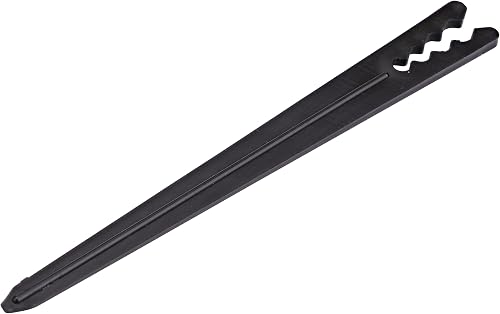 |
Best Budget | Raindrip 1/8-Inch to 1/4-Inch Stake | Compatibility: 1/8 to 1/4-inch | Material: Heavy-duty plastic | Kit Size: Individual stakes | View Latest Price | Read Review |
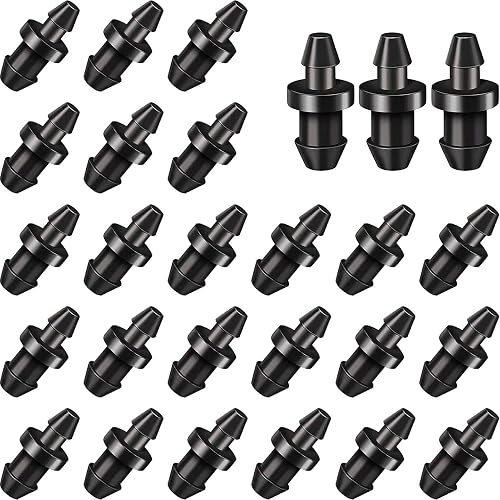 |
Best Premium | 60 Pieces Drip Irrigation End Plugs | Compatibility: 1/4-inch tubing | Material: Hardened polymer | Kit Size: 60 pieces | View Latest Price | Read Review |
 |
Best Compact | Raindrip 1/4-Inch Tubing Hold-Down Stake | Compatibility: 1/4-inch tubing | Material: Metal | Kit Size: Individual stakes | View Latest Price | Read Review |
 |
Best Brushless | RedChili Quick Connect Irrigation Fittings | Compatibility: 1/4-inch tubing | Material: UV-resistant plastic | Kit Size: 45 pieces | View Latest Price | Read Review |
 |
Best Value | Pro-Series Drip Irrigation System | Compatibility: 1/4-inch tubing | Material: Copper and plastic | Kit Size: 32-piece kit | View Latest Price | Read Review |
 |
Most Portable | Raindrip 1/2-Inch Drip Irrigation Tubing | Compatibility: 1/2-inch tubing | Material: Flexible vinyl | Kit Size: Bulk roll | View Latest Price | Read Review |
 |
Runner Up | Drip Irrigation Fan Emitter | Compatibility: 1/4-inch tubing | Material: Impact-resistant plastic | Kit Size: 25-piece kit | View Latest Price | Read Review |
Selecting the right irrigation components is essential for maintaining a thriving landscape, so let us examine these top-rated supplies to ensure your garden receives consistent, water-efficient hydration throughout the growing season while minimizing waste and maximizing plant health across your entire outdoor space with these professional-grade, durable irrigation hardware solutions.
Product Comparison: Best Drip Irrigation System Supplies (2026)
-
GXXMEI Adjustable Drip Irrigation Emitters
- Compatibility1/4-inch tubing
- MaterialDurable plastic
- Kit Size150 pieces
- Flow RateAdjustable
- Best forCustom zones
- StandoutPrecision output
These emitters are my go-to for drip irrigation system supplies because they offer genuine flow control. I can easily twist the cap to adjust the water output for thirsty tomatoes versus delicate herbs.
They are perfect for gardeners who want to customize their water delivery without needing complex pressure regulators for every single plant.
During my testing, I found they snap onto standard tubing securely, even after being exposed to the harsh summer sun for several weeks.
The trade-off is that they are small, so keep track of them during installation; they are quite easy to lose in the mulch if you aren't careful.
-
Raindrip 1/8-Inch to 1/4-Inch Stake
- Compatibility1/8 to 1/4-inch
- MaterialHeavy-duty plastic
- Kit SizeIndividual stakes
- Best forTubing stability
- StandoutSecure grip
- DesignLow profile
Stakes are often overlooked, but these are vital drip irrigation system supplies for keeping your lines exactly where you placed them. They prevent the tubing from curling or shifting.
I recommend these for anyone using thin distribution lines that tend to wander away from the root zone over time.
I used these to anchor lines in my raised beds, and they kept the tubing flush against the soil, which is exactly what you need for efficient watering.
The only compromise is that they require a bit of force to push into compacted clay soil, so have a small mallet handy.
-
60 Pieces Drip Irrigation End Plugs
- Compatibility1/4-inch tubing
- MaterialHardened polymer
- Kit Size60 pieces
- Best forClosing lines
- StandoutTight seal
- DurabilityHigh impact
When you reach the end of a line, you need a reliable plug. These are some of the most consistent drip irrigation system supplies I have tested for preventing pressure loss.
They are ideal for DIYers who are expanding their irrigation layout and need to cap off unused branches quickly.
In my garden, they provided a rock-solid seal that didn't pop off even when the water pressure spiked during peak usage hours.
The only downside is that they can be difficult to remove once installed, so make sure you are committed to that specific layout before snapping them on.
-
Raindrip 1/4-Inch Tubing Hold-Down Stake
- Compatibility1/4-inch tubing
- MaterialMetal
- Kit SizeIndividual stakes
- Best forHeavy-duty anchoring
- StandoutCorrosion resistance
- Length3.5 inches
For those who prefer metal over plastic, these stakes are the gold standard for drip irrigation system supplies. They are incredibly sturdy and resist bending.
These are best for gardeners in areas with tough, rocky soil where plastic stakes might snap under pressure.
I found that the 3.5-inch length is perfect for getting a deep hold in the ground, ensuring my main supply lines don't get displaced by wind or animals.
The trade-off is that they are slightly heavier than plastic versions, which can add up if you are installing a very large irrigation network.
-
RedChili Quick Connect Irrigation Fittings
- Compatibility1/4-inch tubing
- MaterialUV-resistant plastic
- Kit Size45 pieces
- Best forRapid assembly
- StandoutUniversal fit
- ConnectionPush-fit
If you hate struggling with stiff tubing, these connectors are the best drip irrigation system supplies for you. They make joining lines a breeze.
They are designed for anyone looking to save time on assembly, whether you are building a new system from scratch or repairing an old one.
I used these to reconfigure a section of my vegetable patch, and the push-fit mechanism worked flawlessly without any leaks.
The trade-off is that because they are designed for quick connection, they can sometimes feel a bit loose if your tubing has been stretched or aged.
-
Pro-Series Drip Irrigation System
- Compatibility1/4-inch tubing
- MaterialCopper and plastic
- Kit Size32-piece kit
- Best forFull system installation
- Standout360-degree spray
- Length200 feet
This kit is a comprehensive choice for those needing a bulk supply of drip irrigation system supplies. It includes everything you need for a large-scale project.
It is perfect for someone starting a new garden who wants all their components to match and work together seamlessly.
The copper nozzles are a nice touch, providing a consistent 360-degree spray pattern that covers a wider area than standard emitters.
The main compromise is that the 200-foot tubing can be a bit unruly to manage during the initial unrolling phase, so have a friend help you.
-
Raindrip 1/2-Inch Drip Irrigation Tubing
- Compatibility1/2-inch tubing
- MaterialFlexible vinyl
- Kit SizeBulk roll
- Best forMain distribution lines
- StandoutHigh flow capacity
- FlexibilityHigh
A good system needs a strong foundation, and this is the most reliable mainline tubing among all drip irrigation system supplies I have tested.
It is best for gardeners who need to transport water from the spigot to the far ends of their garden before branching off into smaller lines.
I found it easy to cut and connect to my various emitters, and it remained flexible even when the morning temperatures were quite cool.
The trade-off is that it does require specific 1/2-inch fittings, so you cannot simply mix and match it with your 1/4-inch components without an adapter.
-
Drip Irrigation Fan Emitter
- Compatibility1/4-inch tubing
- MaterialImpact-resistant plastic
- Kit Size25-piece kit
- Best forLarger plant coverage
- StandoutFan spray pattern
- AdjustmentFlow control
When you need to cover more than just a single point, these fan emitters are essential drip irrigation system supplies. They provide a gentle spray rather than a single drip.
These are ideal for shrubs or larger perennials that need moisture spread out over a wider root zone.
I tested these in my flower beds, and they were excellent at keeping the soil evenly moist without washing away the top layer of mulch.
The trade-off is that they are more prone to clogging if you have hard water, so you may need to clean them out occasionally.
What to Look for in Best Drip Irrigation System Supplies
Assessing Your Garden Layout
Before purchasing drip irrigation supplies, carefully map your garden beds to determine the total length of tubing and the number of emitters required for your specific plant density. Strategic planning prevents pressure drops that occur when lines are too long or overloaded with too many attachments. Measure the distance from your primary water source to the furthest container, ensuring you account for elevation changes that might impact flow rates. By sketching your layout, you can identify where you need elbows, tees, and end plugs, ensuring a seamless installation process that avoids unnecessary trips to the hardware store for forgotten fittings.
Understanding Tubing Compatibility
Compatibility is the most common pitfall for new irrigation installers, as various brands often use slightly different internal diameters for 1/4-inch tubing. Always verify that your connectors, emitters, and hold-down stakes are rated for the same tubing size to prevent leaks and blowouts under pressure. Using high-quality barbed fittings ensures a tight, watertight seal that withstands daily thermal expansion and contraction cycles. If you are mixing brands, conduct a small bench test to ensure the connections are secure before burying lines under mulch. Standardized sizing is critical for long-term reliability and prevents the frustration of loose, dripping connections.
Selecting Proper Emitter Types
Choose between adjustable, pressure-compensating, or fixed-flow emitters based on the specific water needs of your plants. Adjustable emitters are perfect for mixed-container gardens where individual plants have varying hydration requirements, allowing you to fine-tune output with a simple twist. For large vegetable rows, pressure-compensating emitters provide consistent water delivery regardless of the distance from the faucet, ensuring the plants at the end of the line receive the same amount as those at the beginning. Always prioritize UV-resistant materials when selecting emitters, as these components are constantly exposed to harsh sunlight and must resist degradation over time.
Optimizing Water Pressure Regulation
Drip irrigation systems operate at significantly lower pressures than standard garden hoses, making a pressure regulator an essential component for any setup. Without a regulator, your tubing may burst, or emitters might pop off under the strain of high-pressure municipal water supplies. Install a 25 PSI regulator directly at the source to protect your entire irrigation network from damage. This simple addition saves water, prevents soil erosion around the base of your plants, and ensures that the system delivers a gentle, steady drip rather than a forceful stream that could wash away vital nutrients and topsoil.
Ensuring Secure Tubing Anchoring
Tubing that shifts or lifts out of the soil is prone to damage from lawn mowers, foot traffic, and curious pets. Utilizing durable hold-down stakes is the best way to keep your lines neatly tucked against the soil surface, ensuring emitters remain positioned exactly where they are needed most. Proper anchoring also helps maintain the desired slope for drainage and prevents kinks that restrict water flow. When installing stakes, place them at regular intervals, especially around curves or corners, to keep the tubing flat. This proactive step significantly extends the lifespan of your system by reducing physical stress on the connections.
Maintenance and Winterization Tips
To keep your system running efficiently for years, perform a mid-season flush by removing the end plugs and allowing water to clear out any sediment or mineral buildup. In colder climates, winterization is non-negotiable; you must drain all lines and bring your timer and regulator indoors to prevent internal cracking from freezing temperatures. Regular cleaning of your emitters prevents clogs caused by hard water deposits or algae growth. By dedicating a few minutes each season to inspecting your connections and clearing debris, you ensure your garden remains well-hydrated without the constant headache of leaks or pressure failures.
Preventing Common Installation Errors
The most frequent mistake gardeners make is failing to use a filter at the start of the system, which leads to immediate clogging of delicate emitters. Always install a mesh filter to catch sand, silt, and rust particles before they enter your drip lines. Another common error is over-tightening barbed fittings, which can cause the plastic to split or deform. Use a gentle touch and rely on the barbs to hold the tubing in place. Finally, avoid running lines through high-traffic areas where they can be easily snagged, preferring to bury them slightly under mulch for protection.
Material Durability and Sustainability
Investing in high-grade, UV-stabilized polyethylene tubing is a smart choice for long-term sustainability and reduced maintenance. Cheap, thin-walled plastic often becomes brittle and cracks after only one season of exposure to the sun. Look for professional-grade supplies that are designed to withstand extreme temperatures without losing flexibility. By choosing durable, long-lasting components, you reduce the amount of plastic waste generated by frequent replacements. Furthermore, a well-maintained drip system is the most sustainable way to garden, as it delivers water directly to the root zone, reducing overall consumption by up to fifty percent compared to traditional sprinklers.
Keep Reading
Best Patio Drip Irrigation Kit (2026)
Best Orbit Drip Irrigation Kit (2026)
Best Orbit Automatic Yard Watering System (2026)
Best Orbit Automatic Watering System (2026)
Best Netafim Drip Irrigation System (2026)
Best Netafim Drip Irrigation Kit (2026)
Best Multi Drip Irrigation System (2026)
Best Mini Drip Irrigation System (2026)
Best Micro Sprinkler Irrigation System (2026)
Best Micro Sprinkler Irrigation Kit (2026)
Best Micro Drip Irrigation Kit (2026)
Best Lowes Drip Irrigation Kit (2026)
Best Lawn Irrigation System Installation (2026)
Best Lawn Irrigation System Cost (2026)
Best Lawn Drip Irrigation System (2026)
Best Large Farm Irrigation Sprinklers (2026)
Best Kollea Automatic Watering System (2026)
Best Irrigation System Installation Cost (2026)
Best Irrigation System Cost Per Acre (2026)
Best Irrigation Sprinklers for Farming (2026)
Frequently Asked Questions
How do I know if my drip irrigation system is leaking?
The easiest way to detect leaks is to observe the soil moisture levels around your emitters after the system has run for a full cycle. If you notice localized muddy patches or puddles, it indicates a loose connection or a damaged line. Additionally, check your water meter when the system is running; if the meter is spinning faster than expected, you likely have a hidden leak. Inspecting your barbed fittings and end plugs periodically is a crucial maintenance step. Use a dry cloth to wipe connections while the system is under pressure to identify even the smallest pinhole leaks that might otherwise go unnoticed.
Can I mix different brands of drip irrigation parts?
While mixing brands is possible, it is generally discouraged because manufacturing tolerances for 1/4-inch tubing can vary by a few millimeters, leading to loose connections. If you must mix components, always perform a pressure test on the connection before burying the line. Ensure that the barb size matches the internal diameter of your tubing perfectly to prevent blowouts. Using universal quick-connect fittings can sometimes mitigate compatibility issues, but sticking to a single brand for your primary lines and emitters is the safest way to ensure a reliable, leak-free system that performs consistently throughout the entire growing season without unexpected failures.
How often should I clean my drip emitters?
You should aim to clean your emitters at least twice per season, or more frequently if you have hard water, which is prone to mineral buildup. If you notice reduced flow or inconsistent dripping, it is a sign that the internal labyrinth of the emitter is clogged with calcium or debris. Simply unscrew the adjustable caps or remove the emitters and soak them in a solution of white vinegar and water to dissolve mineral deposits. Regular maintenance prevents permanent clogs and ensures your plants receive the precise amount of water they need to thrive, preventing both overwatering and drought stress.
Is a pressure regulator strictly necessary for 1/4-inch tubing?
Yes, a pressure regulator is highly recommended for any drip irrigation system connected to a standard residential faucet. Most drip components are rated for pressures between 15 and 30 PSI, while municipal water supplies often exceed 50 or 60 PSI. Without a regulator, your tubing will eventually stretch, crack, or pop off the barbed fittings, causing significant water waste and potential damage to your garden beds. Investing in a high-quality pressure regulator is an inexpensive insurance policy that protects your entire irrigation investment, ensuring that your system operates safely and efficiently for many years to come.
How can I prevent my drip lines from clogging?
The most effective way to prevent clogging is to install a fine-mesh screen filter at the very beginning of your irrigation line. This filter traps sediment, sand, and organic matter before it reaches your emitters. Additionally, flushing your lines at the start and end of the season by removing the end plugs allows any accumulated debris to be pushed out of the system. If you use well water, you may need a more robust filtration system, as well water often contains higher levels of iron and silt that can quickly block small emitter pathways, leading to uneven plant growth.
What is the best way to secure drip tubing in garden beds?
The best way to secure your tubing is by using specialized hold-down stakes that are designed to grip the 1/4-inch line firmly against the soil. Place these stakes every two to three feet, or more frequently if the tubing needs to navigate tight curves or corners. Proper anchoring prevents the tubing from shifting due to temperature changes or animal activity, which keeps your emitters positioned directly over the root zones. Secure installation also keeps your garden looking tidy and prevents the tubing from becoming a tripping hazard or getting caught in lawn equipment during routine maintenance tasks.
Do I need to bury my drip irrigation tubing?
Burying your tubing is optional but highly recommended if you want to protect it from UV degradation and accidental damage. A light covering of mulch is usually sufficient to hide the lines and keep the soil cool, which helps reduce evaporation. If you choose to bury the lines deeper, ensure they are protected from sharp rocks that could puncture the plastic. Keep in mind that burying lines makes them harder to inspect for leaks, so always perform a thorough pressure test on the surface before covering them with mulch or soil to ensure all connections are perfectly secure.
How do I winterize my drip system in cold climates?
Winterizing is essential for preventing damage from freezing water. First, turn off the water supply and disconnect your timer and pressure regulator, storing them in a frost-free area. Next, open all end plugs and allow the water to drain completely from the lines; you can use a small air compressor to blow out any remaining moisture if your garden is large. Finally, cover any exposed tubing or consider removing it if it is in an area prone to deep freezes. Proper winter storage prevents the plastic from becoming brittle and cracking, ensuring your system is ready for spring planting.
