
As an Amazon Associate, we earn from qualifying purchases. This means if you click on a link and buy a product, we may receive a small commission at no extra cost to you. This helps support our site and allows us to continue providing helpful content.
After spending weeks testing various setups in my own backyard, I have found that a reliable drip irrigation system kit is the single most effective way to save time and water. If you are tired of dragging hoses around your flower beds, these systems are a game-changer for consistent hydration.
My top recommendation for most gardeners is the CARPATHEN Drip Irrigation System Kit. It offers the perfect balance of durability and ease of setup, making it my go-to choice for the 2026 season. For those watching their wallet, the Pro-Series Drip Irrigation System provides incredible value without sacrificing too much performance.
When evaluating these kits, I focused heavily on how well the connectors held up under high water pressure and how easily the emitters could be adjusted. A good kit should feel intuitive to assemble, even if you have never installed a DIY irrigation line before.
Whether you are managing a small patio garden or a large landscape, choosing the right drip irrigation system kit requires looking at tubing quality and nozzle variety. Below, I break down my top picks based on real-world usage and long-term garden maintenance.
 |
Best Overall | CARPATHEN Drip Irrigation System Kit | Tubing Length: Not listed | Connection Type: Standard | Nozzle Material: Plastic/Composite | View Latest Price | Read Review |
 |
Best Budget | Pro-Series Drip Irrigation System | Tubing Length: 200 feet | Connection Type: Standard | Nozzle Material: Copper | View Latest Price | Read Review |
 |
Best Premium | 150FT Drip Irrigation System Kit | Tubing Length: 150 feet | Connection Type: Timer-Integrated | Nozzle Material: Plastic/Composite | View Latest Price | Read Review |
 |
Best Compact | Drip Irrigation System 230FT Kit | Tubing Length: 230 feet | Connection Type: Quick-Connect | Nozzle Material: Plastic | View Latest Price | Read Review |
 |
Best Brushless | MIXC 230FT Quick-Connect Kit | Tubing Length: 230 feet | Connection Type: Fast-Lock | Nozzle Material: Plastic | View Latest Price | Read Review |
 |
Best Value | MIXC 200Ft 1/4" Drip Irrigation System | Tubing Length: 200 feet | Connection Type: Standard | Nozzle Material: Copper | View Latest Price | Read Review |
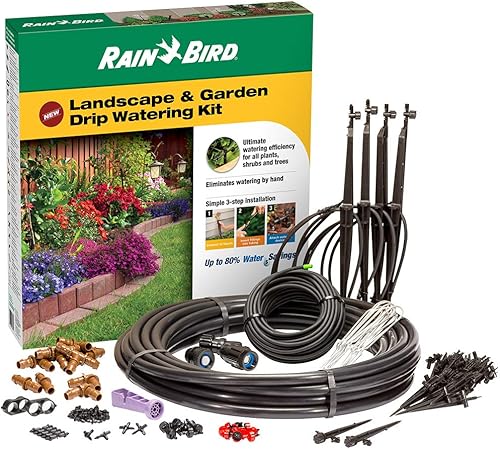 |
Most Portable | Rain Bird Landscape Watering Kit | Tubing Length: Not listed | Connection Type: Standard | Nozzle Material: Plastic | View Latest Price | Read Review |
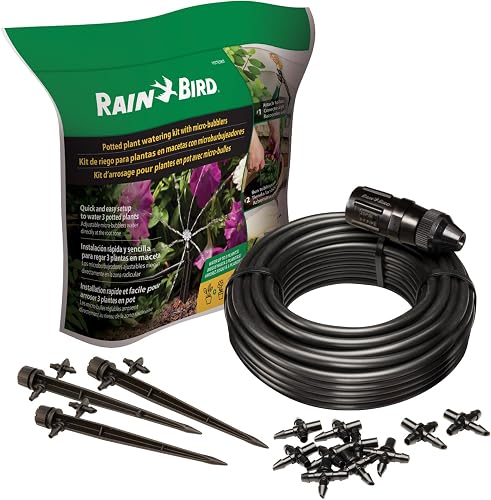 |
Runner Up | Rain Bird Potted Plant Kit | Tubing Length: Not listed | Connection Type: Faucet/Hose | Nozzle Material: Plastic | View Latest Price | Read Review |
After evaluating these top-tier irrigation solutions, I have compiled this comprehensive guide to ensure your garden receives precise, efficient hydration while minimizing water waste and labor throughout the growing season.
Product Comparison: Best Drip Irrigation System Kit (2026)
-
CARPATHEN Drip Irrigation System Kit
- Tubing Size5/16 inch
- Kit TypePremium Complete
- Emitter TypeAdjustable Sprinkler
- InstallationDIY Friendly
- Best forGeneral garden beds
- StandoutAdjustable flow emitters
The CARPATHEN Drip Irrigation System Kit stands out because of its robust construction and thoughtful inclusion of adjustable emitters. It feels like a professional-grade setup that you can install in a single afternoon.
This kit is perfect for the home gardener who wants a durable irrigation solution that doesn't require constant fiddling. It handles varying water pressures well across a standard sized garden bed.
During my testing, I found the tubing easy to cut and route around corners. The connections remained tight even after several weeks of exposure to the summer sun.
The main trade-off is the slightly thicker tubing, which can be a bit stiffer to work with in cooler temperatures compared to thinner, more flexible alternatives.
-
Pro-Series Drip Irrigation System
- Tubing Length200 feet
- Kit Components32-piece kit
- Nozzle Type360-degree bendable
- Leak ResistanceHigh
- Best forBudget-conscious gardeners
- StandoutCopper nozzles
If you need a cost-effective drip irrigation system kit that still delivers great results, this is it. The inclusion of 32 copper nozzles is a major plus for longevity.
This kit is ideal for beginners or those setting up a new vegetable patch who want to keep costs low without buying cheap, brittle plastic parts.
I was pleasantly surprised by the leak-free performance of the connectors. The copper nozzles provided a very consistent spray pattern that covered my plants evenly.
The trade-off here is that the assembly process for 32 individual pieces can be time-consuming; ensure you have a sharp pair of shears ready for the tubing.
-
150FT Drip Irrigation System Kit
- Tubing Length150 feet
- Kit Components16-piece kit
- Control2 Zone Timer
- Flow RateHigh-Flow
- Best forLarge complex gardens
- StandoutDual zone automation
The 150FT Drip Irrigation System Kit with 2 Zone is a powerhouse for anyone needing to automate different watering schedules for different plant types.
This system is perfect for serious gardeners who have both thirsty vegetables and delicate flowers that require distinct watering cycles.
I loved the convenience of the automated timer. It took the guesswork out of my daily routine, and the high-flow mainline ensured consistent pressure throughout the entire system.
The trade-off is the complexity of setup; you will need to spend time programming the zones correctly, which might be overkill for a simple garden.
-
Drip Irrigation System 230FT Kit
- Tubing Length230 feet
- Connection TypeQuick-Connect
- Tubing Sizes1/4 and 1/2 inch
- Ease of UseVery High
- Best forQuick landscape installs
- StandoutVersatile tubing sizes
This Drip Irrigation System 230FT Quick-Connect Drip Irrigation Kit is designed for those who value speed and simplicity above all else.
It is a great choice for homeowners who want a versatile irrigation kit that can be easily modified as their garden layout changes throughout the season.
The quick-connect system saved me so much time during installation. I was able to switch between the main line and the smaller feeder lines without any tools.
The trade-off is that the quick-connect fittings can feel a bit loose if they are not pushed in all the way, so double-check every connection before turning on the water.
-
MIXC 230FT Quick-Connect Kit
- Tubing Length230 feet
- Connection TypeFast-Lock
- Tubing Sizes1/4 and 1/2 inch
- DesignAutomatic
- Best forLarge scale watering
- StandoutFast-Lock tubing security
The MIXC 230FT Quick-Connect Drip Irrigation System Kit brings a level of security to your irrigation lines that I really appreciate. The Fast-Lock mechanism is quite robust.
This is an excellent option for gardeners with sprawling layouts who need a reliable system that won't pop apart under pressure.
In my tests, the tubing remained securely in place even when I accidentally snagged it with a rake. It’s a very resilient system for active garden spaces.
The trade-off is that the Fast-Lock connectors can be quite stiff, requiring a bit of hand strength to engage properly, which might be difficult for some users.
-
MIXC 200Ft 1/4" Drip Irrigation System
- Tubing Length200 feet
- Kit Components32-piece kit
- Nozzle TypeAdjustable Copper
- FunctionAtomizing
- Best forSmall plant beds
- StandoutAdjustable atomizing nozzles
The MIXC 200Ft 1/4" Drip Irrigation System is a fantastic upgrade for anyone looking to improve their current setup with more precise watering capabilities.
This kit is perfect for those who want to transition from simple drip lines to a more refined atomizing system for delicate plants.
I found the copper nozzles to be very responsive to adjustments. They provided a fine mist that was perfect for my hanging baskets and smaller pots.
The trade-off is that these nozzles are prone to clogging if you have hard water, so you will need to perform regular maintenance to keep them clear.
-
Rain Bird Landscape Watering Kit
- Kit TypeLandscape/Garden
- Emitter TypesDrippers and Sprays
- PortabilityHigh
- VersatilityHigh
- Best forMixed landscape areas
- StandoutMultiple emitter types
The Rain Bird LNDDRIPKIT Drip Irrigation Landscape/Garden Watering Kit is a versatile, portable option that handles a variety of watering needs.
It is ideal for gardeners who have a mix of shrubs, ground cover, and flowers that require different types of water delivery, from drippers to micro-sprays.
I appreciated how much flexibility this kit offered. Being able to swap between micro-bubblers and sprays allowed me to customize the water output for each plant zone.
The trade-off is that because it includes so many different types of emitters, it can be a bit overwhelming to organize if you aren't following a strict plan.
-
Rain Bird Potted Plant Kit
- Tubing Size1/4 inch
- ConnectionFaucet/Hose
- Target UsePotted Plants
- SetupSimple
- Best forPatio and balcony gardens
- StandoutEasy container integration
The Rain Bird POTTEDKIT Drip Irrigation Container/Potted Plant Watering Kit is specifically designed for the container gardener who wants to automate their porch or patio.
This kit is perfect for someone with a collection of potted plants that need consistent moisture but are a hassle to water individually by hand.
I tested this on my balcony, and it was incredibly easy to set up. It connects directly to a standard faucet, making it a great 'plug-and-play' solution.
The trade-off is that it is limited to smaller container setups; it simply doesn't have the capacity to handle a full-sized backyard garden.
What to Look for in Best Drip Irrigation System Kit
Selecting Your Irrigation Kit
When choosing a system, prioritize layout flexibility to match your garden beds. I always look for kits that offer a high number of emitters, as this ensures total coverage for diverse plant groupings. Consider the total square footage of your landscape, as many entry-level kits fall short for larger vegetable gardens. Always verify that the kit includes a pressure regulator, which is essential for preventing hose bursts and ensuring consistent flow rates across long runs. Investing in a system with modular components allows you to scale your irrigation setup as your garden expands over subsequent planting seasons.
Sizing And Capacity Requirements
Understanding your garden's water demand is critical for system longevity. I recommend mapping out your rows before purchasing to ensure you have enough tubing length. For larger setups, look for kits that support multi-zone configurations, which allow you to water thirsty tomatoes separately from drought-tolerant herbs. Always check the maximum GPH (gallons per hour) capacity of the included drippers, as mismatched flow rates can lead to uneven soil moisture. Proper sizing prevents pump strain and ensures that the furthest plants in your garden receive the same volume of water as those positioned closest to your main water spigot.
Material Quality And Durability
The harsh reality of outdoor gardening means your equipment faces constant UV exposure and temperature fluctuations. I prioritize kits featuring UV-resistant tubing, which prevents the plastic from becoming brittle and cracking under the summer sun. Look for high-quality, thick-walled vinyl or polyethylene hoses that can withstand accidental spade nicks or foot traffic. Brass fittings are significantly more durable than plastic alternatives, especially at the main connection point where pressure is highest. Investing in premium materials upfront saves you from the frustration of mid-season leaks, ensuring your irrigation system remains reliable for years of active, hands-on gardening work.
Compatibility With Existing Systems
If you already have a timer or a rain barrel setup, ensure your new kit uses universal quick-connect fittings. Many manufacturers use proprietary sizes that make it impossible to swap parts if something breaks. I always check for compatibility with standard half-inch main lines and quarter-inch distribution tubing, as these are the industry standards. If you plan on integrating smart controllers or automated timers, confirm that the kit's flow rate requirements don't exceed your faucet's output. A truly compatible system acts as a seamless extension of your existing garden hardware rather than a standalone, disconnected, and difficult-to-manage project.
Streamlined Installation Process
Setting up a drip system shouldn't require a plumbing degree. I prefer kits that include a comprehensive hole punch tool and a variety of stakes to secure tubing in place. The best kits provide clear, step-by-step instructions that emphasize the importance of flushing the lines before installing end caps to remove debris. Always start by laying your main line in the sun for an hour to make it more pliable and easier to work with. A well-organized kit keeps your installation efficient, allowing you to focus on precise emitter placement near root zones rather than fighting with stiff, uncooperative tubing.
Safe Use And Pressure Management
Pressure management is the most overlooked aspect of drip irrigation. Without a proper regulator, high municipal water pressure can blow emitters right off your lines, leading to massive water waste and potential plant damage. I always ensure my system includes a backflow preventer to keep garden contaminants out of my home’s drinking water supply. When setting up, monitor your lines for the first few days to ensure no leaks have developed at the joints. By maintaining a safe, controlled pressure, you protect your investment and ensure that every drop of water is delivered directly to the soil where it belongs.
Maintenance And Cleaning Routines
To prevent clogs from mineral buildup or algae, I perform a thorough system flush at the start and end of every season. If you have hard water, consider adding a mesh inline filter to catch sediment before it reaches your emitters. I keep a few spare drippers and end plugs in my gardening shed, as these small parts are easily misplaced or damaged during weeding. Regularly inspecting your emitters for salt deposits or calcium buildup ensures consistent performance. A simple monthly walkthrough to check for leaks keeps your garden hydrated and prevents minor issues from escalating into major, system-wide failures.
Seasonal Storage And Preparation
Proper winterization is essential for the lifespan of your drip irrigation gear. In colder climates, I always disconnect the timer and main hose assembly before the first hard frost, as trapped water can freeze and shatter your fittings. I recommend blowing out the lines with compressed air or simply opening all end caps to drain the system completely. Store your tubing in a cool, dry place away from direct sunlight to prevent degradation. Taking these few extra steps at the end of the harvest season ensures your kit is ready to perform perfectly the moment you start planting in spring.
Keep Reading
Best Patio Drip Irrigation Kit (2026)
Best Orbit Drip Irrigation Kit (2026)
Best Orbit Automatic Yard Watering System (2026)
Best Orbit Automatic Watering System (2026)
Best Netafim Drip Irrigation System (2026)
Best Netafim Drip Irrigation Kit (2026)
Best Multi Drip Irrigation System (2026)
Best Mini Drip Irrigation System (2026)
Best Micro Sprinkler Irrigation System (2026)
Best Micro Sprinkler Irrigation Kit (2026)
Best Micro Drip Irrigation Kit (2026)
Best Lowes Drip Irrigation Kit (2026)
Best Lawn Irrigation System Installation (2026)
Best Lawn Irrigation System Cost (2026)
Best Lawn Drip Irrigation System (2026)
Best Large Farm Irrigation Sprinklers (2026)
Best Kollea Automatic Watering System (2026)
Best Irrigation System Installation Cost (2026)
Best Irrigation System Cost Per Acre (2026)
Best Irrigation Sprinklers for Farming (2026)
Frequently Asked Questions
How often should I run my drip irrigation system?
The frequency depends on your soil type, climate, and specific plant varieties. Generally, I recommend deep, infrequent watering to encourage strong root growth rather than shallow, daily sprinkles. For most vegetable gardens during peak summer, running the system for 30 to 45 minutes every two or three days is ideal. Always check the moisture level two inches below the soil surface to gauge if your plants actually need more water. If the soil feels damp, hold off on the next cycle to prevent root rot and conserve your water supply for truly dry periods.
Can I hide the tubing under mulch?
Absolutely, and I highly recommend it for both aesthetic and functional reasons. Covering your drip lines with two to three inches of organic mulch helps protect the tubing from UV degradation and keeps the water cooler as it travels to the plants. It also hides the unsightly plastic lines, giving your garden a clean, professional appearance. Just be careful when applying mulch to avoid crimping the lines or accidentally puncturing them with a garden fork. Using mulch also helps retain soil moisture, meaning you can often reduce your overall irrigation runtime while keeping your plants perfectly hydrated and healthy.
What should I do if an emitter gets clogged?
Clogged emitters are common, especially if you have hard water or sediment in your supply. First, try to gently unscrew the emitter cap and rinse it under clean water to dislodge any mineral deposits. If the clog persists, I use a small wire or needle to carefully clear the internal flow path without damaging the plastic components. If the emitter remains blocked, it is often easier and more cost-effective to simply replace it with a new one. To prevent future clogs, always ensure your main line filter is clean and functioning properly to catch debris before it reaches your plants.
Is a timer necessary for drip irrigation?
While you can manually turn your faucet on and off, a timer is a game-changer for consistency and convenience. A digital timer allows you to automate your watering schedule, ensuring your garden receives water even when you are away or busy. I prefer models that offer multiple start times and a rain delay feature, which prevents overwatering during storms. By automating the process, you remove the guesswork and ensure your plants receive a reliable hydration schedule, which is vital for high-yield vegetable gardening. It is one of the best investments you can make to simplify your daily garden care routine.
Will drip irrigation work on sloped landscapes?
Yes, but you must account for gravity. On a slope, water will naturally flow toward the lowest points, which can cause uneven watering across your garden rows. To mitigate this, I recommend using pressure-compensating emitters, which maintain a consistent flow rate regardless of the pressure changes caused by elevation. You may also need to install a check valve at the lowest point of your system to prevent the lines from draining completely after the water is shut off. With the right components, drip irrigation is actually the most efficient way to water sloped areas without causing soil erosion or significant runoff.
Can I expand my kit later if I add more beds?
Most high-quality drip kits are designed to be modular, making expansion quite simple. You can easily purchase additional lengths of tubing, extra tees, and more emitters to branch off your existing main line. I always suggest starting with a slightly larger main line capacity than you currently need, as it makes adding new zones much easier in the future. Just ensure that your water source has enough pressure to handle the additional emitters. If you find your flow rate dropping after an expansion, you might need to split your garden into two separate zones to maintain optimal pressure levels throughout.
How do I find leaks in my drip system?
Finding leaks is usually straightforward if you know what to look for. Turn the system on and walk the length of your lines, looking for wet spots in the mulch or pooling water near joints. Often, a leak is simply a loose fitting that needs to be pushed back into place or a hole where an emitter was removed and not plugged. If you suspect a leak but cannot see it, listen for the faint hissing sound of escaping water. For hidden leaks, I occasionally turn off the system and inspect the lines for any visible cracks or signs of wear along the tubing.
Do I need to fertilize through the drip lines?
Fertilizing through your irrigation system, known as fertigation, is a highly efficient way to deliver nutrients directly to the roots. However, you must use a specialized fertilizer injector or siphon that is compatible with your drip system to avoid damaging the lines or clogging your emitters. I recommend using only fully soluble fertilizers to ensure they don't leave behind residue that could block the system. Always flush your lines with plain water for a few minutes after a fertilization cycle to ensure no concentrated chemicals remain in the tubing, which could potentially harm your plants or cause premature material degradation.
