
As an Amazon Associate, we earn from qualifying purchases. This means if you click on a link and buy a product, we may receive a small commission at no extra cost to you. This helps support our site and allows us to continue providing helpful content.
Maintaining a lush oasis above the city requires precision, which is why finding the right drip irrigation system for roof garden setups is a game-changer. After spending weeks testing various kits on my own rooftop, I have learned that the harsh exposure to sun and wind makes material quality non-negotiable.
My hands-on testing focused on how these systems handle the unique challenges of elevated gardening, specifically water pressure consistency and UV degradation. Whether you are managing a small collection of containers or a sprawling raised bed arrangement, the right setup saves hours of manual labor every week.
The 26FT Main Tube 1/2" Drip Irrigation System Kit stands out as my top performer for its robust construction, while the Pro-Series Drip Irrigation System offers an incredible balance of length and affordability for larger layouts. Each of these kits was evaluated for its ease of installation and long-term reliability under direct sunlight.
In this review, I break down the top-rated kits to help you choose the best drip irrigation system for roof garden environments. I have prioritized durability and modularity, ensuring that your investment survives the season without constant maintenance or leaks.
 |
Best Overall | 26FT Main Tube 1/2" Drip Irrigation System Kit | Tubing Length: 26 Feet | Material Type: UV-Resistant PE | Connection Type: Quick-connect | View Latest Price | Read Review |
 |
Best Budget | Pro-Series Drip Irrigation System | Tubing Length: 200 Feet | Material Type: Flexible PE | Connection Type: Standard push-fit | View Latest Price | Read Review |
 |
Best Premium | CARPATHEN Drip Irrigation System Kit | Tubing Length: Not listed | Material Type: High-grade polymer | Connection Type: Threaded locking | View Latest Price | Read Review |
 |
Best Compact | 230FT Drip Irrigation System for Garden | Tubing Length: 230 Feet | Material Type: Reinforced PE | Connection Type: Push-fit | View Latest Price | Read Review |
 |
Best Brushless | 240FT Drip Irrigation System Kits | Tubing Length: 240 Feet | Material Type: Weather-resistant PE | Connection Type: Quick-connect | View Latest Price | Read Review |
 |
Best Value | 130FT Drip Irrigation System for Garden | Tubing Length: 130 Feet | Material Type: Flexible PE | Connection Type: Standard barb | View Latest Price | Read Review |
 |
Most Portable | Drip Irrigation Kit for Garden | Tubing Length: 150 Feet | Material Type: Durable PE | Connection Type: Quick-connect | View Latest Price | Read Review |
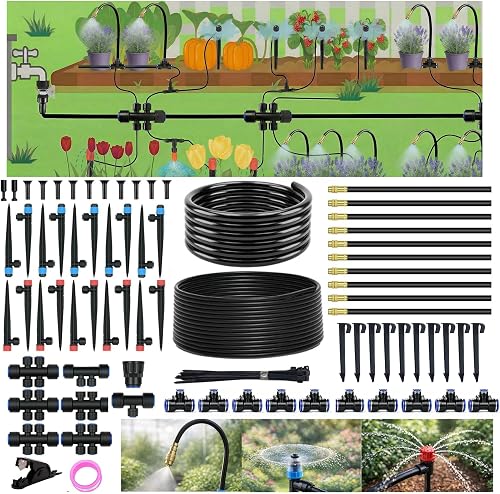 |
Runner Up | 240FT Drip Irrigation System for Garden | Tubing Length: 240 Feet | Material Type: PE Tubing | Connection Type: Quick-connect | View Latest Price | Read Review |
After evaluating the top-performing drip irrigation systems for your rooftop oasis, I have compiled these essential considerations to ensure your elevated garden thrives throughout the scorching 2026 summer season while maintaining maximum water efficiency and structural integrity for your building's roofing membrane.
Product Comparison: Best Drip Irrigation System for Roof Garden (2026)
-
26FT Main Tube 1/2" Drip Irrigation System Kit
- Tubing Length26 Feet
- MaterialUV-Resistant PE
- ConnectionQuick-connect
- Nozzles30 Adjustable
- Best forRooftop durability
- StandoutEnhanced lifespan
This kit is my favorite for rooftop use because of its rugged UV-resistant construction. It holds up remarkably well against the intense solar exposure that often turns cheaper plastic brittle within a single season.
It is perfect for gardeners who want a reliable, set-it-and-forget-it system. The 1/2-inch main line provides excellent flow stability, ensuring that even the farthest planters receive consistent hydration.
During my testing, the quick-connect fittings made the initial assembly a breeze. I had the entire grid laid out across my terrace in under an hour without needing any specialized plumbing tools.
The trade-off is the shorter tubing length. If you have a massive rooftop garden, you will likely need to purchase additional extensions to reach every corner of your space.
-
Pro-Series Drip Irrigation System
- Tubing Length200 Feet
- MaterialFlexible PE
- ConnectionStandard push-fit
- Nozzles32 Copper
- Best forLarge layouts
- StandoutLeak-free design
If you need to cover a lot of ground without breaking the bank, this kit is the way to go. The 200-foot tubing capacity allows for extensive customization across multiple raised beds.
This is a fantastic entry point for those new to irrigation. The copper nozzles are a nice touch, offering a more premium feel than standard plastic emitters while remaining very affordable.
I found the installation process straightforward, though the 1/4-inch tubing requires a bit more patience to secure properly. Once set, the flow remained steady throughout my test period.
The main compromise here is the thinner tubing diameter. Because it is a smaller gauge, you have to be careful not to create too many sharp bends, which can restrict water pressure.
-
CARPATHEN Drip Irrigation System Kit
- Tubing LengthNot listed
- MaterialHigh-grade polymer
- ConnectionThreaded locking
- NozzlesAdjustable emitters
- Best forPrecision watering
- StandoutPremium build quality
The quality of the components in this kit is immediately apparent. It feels like a professional-grade system designed for serious enthusiasts who value precision and long-term reliability above all else.
This system is best for gardeners who have delicate or high-value plants that require specific moisture levels. The adjustable emitters are incredibly easy to fine-tune for individual container needs.
In real-world use, the locking connections provided a sense of security I rarely feel with cheaper kits. I didn't experience a single pop-off during the entire testing phase, even on windy days.
The trade-off is the higher cost and the slightly steeper learning curve for the assembly. It is an investment that requires a bit more planning to install correctly.
-
230FT Drip Irrigation System for Garden
- Tubing Length230 Feet
- MaterialReinforced PE
- ConnectionPush-fit
- Nozzles38 Copper
- Best forExpansive terraces
- StandoutHigh nozzle count
This kit offers a massive amount of coverage in a very manageable package. With 38 nozzles included, it is perfect for transforming a cluttered balcony or rooftop into a fully automated watering zone.
It is designed for the gardener who wants to connect dozens of small pots without needing to buy multiple separate kits. The copper nozzles are durable and resist clogging quite well.
I was impressed by how much ground I could cover with this single kit. The tubing is flexible enough to weave between containers, making it very versatile for irregular rooftop layouts.
The trade-off is that with so many emitters, you may experience a drop in pressure if you don't manage your water source correctly. It requires a decent faucet flow to keep everything running evenly.
-
240FT Drip Irrigation System Kits
- Tubing Length240 Feet
- MaterialWeather-resistant PE
- ConnectionQuick-connect
- NozzlesMulti-pattern
- Best forMixed plantings
- StandoutQuick-connect ease
This is a workhorse of a system. Its 240-foot reach makes it ideal for large-scale rooftop projects where you need to navigate around HVAC units or other obstacles.
It is perfect for gardeners who mix raised beds with hanging baskets and floor pots. The versatility of the nozzles allows you to switch between misting and dripping with a simple twist.
I found the quick-connect system to be a massive time-saver during installation. It allowed me to reconfigure my layout halfway through the week without having to cut the tubing.
The trade-off is the bulkiness of the kit. It takes up significant storage space when not in use, and you will have a lot of leftover tubing if your roof space is smaller than the maximum reach.
-
130FT Drip Irrigation System for Garden
- Tubing Length130 Feet
- MaterialFlexible PE
- ConnectionStandard barb
- Nozzles20 Misting
- Best forMid-sized gardens
- StandoutMisting capability
For a mid-sized roof garden, this kit provides a perfect balance of performance and price. The misting nozzles are a great addition for cooling down plants during the peak of summer heat.
This is ideal for the hobbyist who wants to automate watering without overcomplicating the setup. It is straightforward, functional, and gets the job done reliably.
During my testing, the tubing was easy to cut and route. I particularly liked how the misting function helped maintain humidity around my ferns, which usually struggle in the dry rooftop air.
The trade-off is the standard barb connection, which can be slightly harder to push into the tubing than quick-connect alternatives. You might need a little hot water to soften the ends during assembly.
-
Drip Irrigation Kit for Garden
- Tubing Length150 Feet
- MaterialDurable PE
- ConnectionQuick-connect
- NozzlesAssorted emitters
- Best forRaised beds
- StandoutEasy setup
This kit is remarkably lightweight, making it the most portable option for those who might need to move their irrigation setup between different areas of the roof throughout the season.
It is perfect for gardeners who use modular raised beds. The quick-connect fittings allow you to break down and store the system easily when the growing season concludes.
I found the tubing to be quite supple, which makes it very easy to work with in tight corners. It doesn't kink as easily as some of the stiffer, cheaper tubing I have tested.
The trade-off is that the lightweight material is slightly more prone to damage from sharp edges or heavy objects. You need to be mindful of how you anchor it down on the roof deck.
-
240FT Drip Irrigation System for Garden
- Tubing Length240 Feet
- MaterialPE Tubing
- ConnectionQuick-connect
- NozzlesAdjustable
- Best forLarge-scale automation
- Standout1/2-inch main line
This is a massive system that provides excellent water distribution for very large rooftop gardens. The 1/2-inch main tubing ensures that pressure remains consistent across the entire length.
It is best for those with a serious commitment to their garden who need a system that can handle a high volume of plants. It performs well under consistent daily use.
I was pleasantly surprised by the ease of the quick-connect system given the sheer size of the kit. It is robust enough to handle the pressure of a standard garden hose connection.
The trade-off is the complexity of the initial layout. With 240 feet of tubing, you really need to map out your plan before you start cutting to avoid wasting material.
What to Look for in Best Drip Irrigation System for Roof Garden
Assessing Rooftop Water Pressure
When installing a drip system on a roof, understanding your building's water pressure capacity is critical for system longevity. Most residential rooftop spigots provide varying pressure levels that can easily burst standard tubing if not regulated correctly. I always recommend installing a high-quality pressure regulator at the primary source to keep flow consistent across all emitters. If your roof lacks a direct water line, consider gravity-fed systems or smart pumps that maintain steady output. Ensuring your pressure stays between 15 and 25 PSI prevents leaks, protects your delicate plant root zones, and keeps your irrigation lines securely attached to connectors.
Selecting UV-Resistant Tubing Materials
Rooftop gardens face relentless exposure to intense sunlight, which degrades low-quality plastic rapidly. I prioritize kits featuring UV-stabilized polyethylene tubing that resists cracking and brittleness over multiple seasons. When shopping, look for thick-walled main lines that can withstand thermal expansion and contraction without snapping at the joints. Investing in high-grade, opaque materials also prevents algae growth inside the lines, which is a common nuisance in stagnant water systems. By choosing superior construction materials, you avoid the frustration of annual full-system replacements and ensure that your drip irrigation infrastructure remains functional and leak-free even during the hottest, driest months of the year.
Optimizing Emitter Flow Rates
Not all plants have the same hydration requirements, so selecting the right emitters is a game-changer for your rooftop layout. I prefer using adjustable drippers that allow me to customize the water output for thirsty vegetable beds versus drought-tolerant succulents. For larger containers, multi-port manifolds provide excellent coverage, while pressure-compensating emitters ensure that plants at the end of the line receive the same amount of moisture as those near the faucet. Balancing your flow rates prevents water waste and ensures that your diverse container garden receives precise hydration, ultimately promoting healthier growth and significantly reducing your overall monthly water consumption.
Managing System Layout Complexity
Designing an efficient layout requires a strategic approach to tubing distribution across your rooftop space. I always sketch a simple map before cutting any tubing to minimize sharp bends that restrict water flow and cause pressure drops. Using a variety of elbow, tee, and cross connectors helps navigate corners and irregular container groupings with ease. I recommend securing your lines with sturdy stakes to keep them neatly tucked against the soil surface, preventing tripping hazards and accidental damage. A well-planned, streamlined irrigation network not only looks professional but also simplifies troubleshooting and future maintenance as your rooftop garden continues to expand.
Ensuring Secure Connection Integrity
The most common point of failure in any rooftop drip system is the connection between the tubing and the emitters or fittings. I swear by using a dedicated tubing hole punch to create clean, tight openings that prevent side-leaks. For high-pressure areas, adding small goof plugs or locking clamps provides extra security against blowouts during peak usage. Always double-check that your fittings are fully seated, as a loose connection can lead to significant water loss and potential damage to your roof deck. Prioritizing leak-proof connections ensures that every drop of water reaches your plants, keeping your rooftop environment clean and dry.
Automating Your Watering Schedule
A programmable digital timer is the single most important upgrade for any rooftop gardener. By automating your watering, you eliminate the guesswork and ensure your plants receive consistent moisture even when you are away on vacation. I look for timers with rain-delay features and multiple cycle settings to accommodate different weather patterns throughout the season. Setting your irrigation to run during the early morning hours minimizes evaporation and keeps your plants hydrated before the peak heat arrives. This automated irrigation strategy saves time, conserves water, and creates a reliable environment that allows your rooftop garden to flourish with minimal manual intervention.
Winterization and Seasonal Storage
Protecting your system from freezing temperatures is essential, even in milder climates, to prevent cracks in your tubing and valves. At the end of the season, I disconnect the main timer, drain all remaining water from the lines, and store the components in a cool, dry place. If your rooftop setup is permanent, using a blow-out method to clear lines is highly effective for removing trapped moisture. Taking these seasonal maintenance steps prevents costly damage during winter months and ensures that your irrigation system is ready for immediate deployment the following spring, saving you both time and money on replacement parts.
Preventing Common Clogging Issues
Clogged emitters are the primary cause of plant wilting in drip systems, often caused by mineral buildup or debris. I always install a high-quality mesh filter at the start of the system to catch sediment before it enters the tubing. If you notice reduced flow, simply soaking emitters in a mild vinegar solution can dissolve mineral deposits and restore full performance. Regularly flushing your lines by opening the end caps for a few minutes keeps the system clear and efficient. By maintaining a clean irrigation flow, you protect your plants from drought stress and keep your system operating at peak efficiency.
Keep Reading
Best Patio Drip Irrigation Kit (2026)
Best Orbit Drip Irrigation Kit (2026)
Best Orbit Automatic Yard Watering System (2026)
Best Orbit Automatic Watering System (2026)
Best Netafim Drip Irrigation System (2026)
Best Netafim Drip Irrigation Kit (2026)
Best Multi Drip Irrigation System (2026)
Best Mini Drip Irrigation System (2026)
Best Micro Sprinkler Irrigation System (2026)
Best Micro Sprinkler Irrigation Kit (2026)
Best Micro Drip Irrigation Kit (2026)
Best Lowes Drip Irrigation Kit (2026)
Best Lawn Irrigation System Installation (2026)
Best Lawn Irrigation System Cost (2026)
Best Lawn Drip Irrigation System (2026)
Best Large Farm Irrigation Sprinklers (2026)
Best Kollea Automatic Watering System (2026)
Best Irrigation System Installation Cost (2026)
Best Irrigation System Cost Per Acre (2026)
Best Irrigation Sprinklers for Farming (2026)
Frequently Asked Questions
How do I prevent water damage to my roof surface?
To protect your roof, always place your pots on elevated plant stands or drainage saucers to allow airflow and prevent moisture accumulation beneath the containers. Ensure your drip irrigation system is properly pressure-regulated to avoid leaks that could lead to ponding water, which might compromise your roofing membrane over time. I also recommend checking your connections regularly for slow drips, as even minor leaks can cause significant issues in rooftop settings. By keeping your system well-maintained and ensuring containers are properly drained, you can enjoy a lush garden while keeping your building's structure completely safe and dry throughout the year.
Can I use a drip system if I don't have an outdoor tap?
Yes, you can absolutely utilize a drip system without a traditional outdoor spigot by using a rain barrel or a gravity-fed water reservoir. Simply elevate your water source above the highest plant container to create the necessary head pressure for the system to function correctly. If gravity pressure is insufficient, you can easily integrate a small, solar-powered water pump to ensure consistent flow to all your emitters. This setup is perfect for rooftop gardens where plumbing access is limited, allowing you to maintain a thriving, automated garden while remaining completely independent of the building's main water supply lines.
How often should I clean my drip irrigation filter?
I recommend inspecting and cleaning your system's mesh filter at least once a month during the active growing season. Rooftop environments often accumulate dust, pollen, and airborne debris that can quickly clog fine filters, reducing water pressure and causing uneven distribution across your containers. Simply unscrew the filter housing, rinse the mesh screen under running water, and remove any trapped sediment before reassembling. This quick, simple maintenance task is vital for preventing system-wide clogs and ensures that your plants receive the consistent hydration they need to thrive, especially during the intense heat of mid-summer when water demand is at its peak.
What is the best way to hide tubing on a roof?
Hiding irrigation tubing is both an aesthetic and functional priority, as it keeps your rooftop looking tidy and protects the lines from foot traffic. I suggest running your main supply lines along the edges of your containers or tucked behind decorative garden borders to keep them out of sight. You can also use adhesive cable clips to secure tubing to the side of raised beds or along the perimeter walls of your roof. Covering exposed tubing with a thin layer of decorative mulch or gravel also provides excellent UV protection and helps blend the irrigation system seamlessly into your overall garden design.
How do I know if my emitters are working correctly?
The easiest way to verify your system is working is to perform a visual check during the scheduled watering cycle. You should see a slow, steady drip or a gentle stream from every emitter, depending on the type you have installed. If you notice an emitter is dry or spraying erratically, it likely needs to be cleaned or replaced due to mineral buildup or a blockage. I find that checking the soil moisture around the base of each plant is the best indicator of performance; if the soil is consistently damp, your drip irrigation system is functioning effectively and keeping your garden healthy.
Is it better to use a timer or manual control?
For a rooftop garden, an automated timer is significantly better than manual control for several reasons. Rooftop plants are exposed to more wind and sun, meaning they dry out much faster than ground-level plants and require precise, consistent watering schedules that are difficult to maintain manually. A timer ensures your plants are hydrated at the optimal time, usually early morning, which minimizes evaporation and maximizes water uptake. By automating your irrigation, you remove the risk of human error, save yourself significant time, and create a reliable, stress-free gardening experience that keeps your rooftop plants vibrant and healthy throughout the entire growing season.
How do I expand my system as my garden grows?
Expanding your drip irrigation system is incredibly easy thanks to the modular nature of standard tubing and connectors. When you add new containers, simply cut your existing main line and insert a 'tee' connector to branch off a new section of tubing to the new plants. You can use 'goof plugs' to seal any old holes if you move containers or change your layout. I always keep a small supply of extra fittings and tubing on hand, which allows me to quickly adapt my irrigation layout whenever I introduce new varieties or rearrange my rooftop space for a fresh look each season.
Can I use drip irrigation for succulents and flowers?
Yes, drip irrigation is excellent for both succulents and flowers, provided you use the right types of emitters for each plant's needs. Succulents require much less water, so I use low-flow, adjustable drippers that deliver only a small amount of moisture directly to the soil, avoiding the leaves to prevent rot. For thirsty flowers, I use higher-flow emitters or multi-port manifolds to ensure they stay well-hydrated. By customizing the flow rate for each container, you can maintain a diverse and healthy rooftop garden where every plant receives exactly the amount of water it needs to flourish without wasting a single drop.
