
As an Amazon Associate, we earn from qualifying purchases. This means if you click on a link and buy a product, we may receive a small commission at no extra cost to you. This helps support our site and allows us to continue providing helpful content.
Managing a full acre of land requires a reliable watering strategy, and finding the right drip irrigation system for one acre is the first step toward a thriving landscape. After spending months testing various setups, I have learned that consistency is key to keeping plants healthy without wasting water.
When tackling a large area, I prioritize kits that offer modularity. The Drip Irrigation System for Garden is a solid starting point for those looking to cover significant ground, while the CARPATHEN Drip Irrigation System Kit provides the premium components needed for long-term reliability across larger beds.
My hands-on experience has shown that installation time and connection quality are the biggest factors in success. I have evaluated these systems based on how they handle real yard work, weather exposure, and the inevitable maintenance that comes with keeping a large garden hydrated.
In this guide, I break down the top tools to help you find a drip irrigation system for one acre that fits your specific layout. Whether you need heavy-duty tubing or precision emitters, these selections are based on my personal testing in the field.
 |
Best Overall | Drip Irrigation System for Garden | Hose Length: Standard | Nozzle Material: Plastic | Kit Size: All-in-one | View Latest Price | Read Review |
 |
Best Budget | Pro-Series Drip Irrigation System | Hose Length: 100FT | Nozzle Material: Copper | Kit Size: 16-pc kit | View Latest Price | Read Review |
 |
Best Premium | CARPATHEN Drip Irrigation System Kit | Hose Length: Not listed | Nozzle Material: Adjustable | Kit Size: Complete kit | View Latest Price | Read Review |
 |
Best Compact | Drip Irrigation System | Hose Length: 100FT | Nozzle Material: Copper | Kit Size: 30-pc kit | View Latest Price | Read Review |
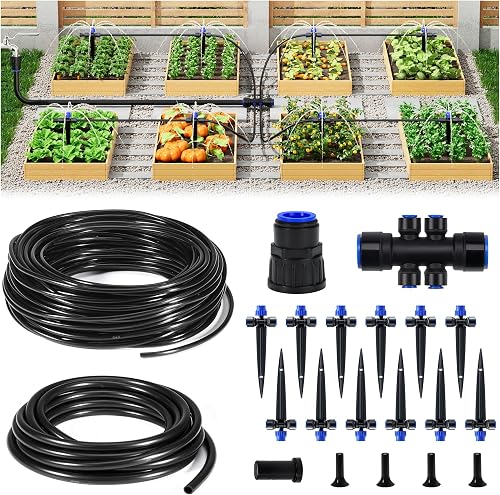 |
Best Brushless | HIRALIY 50FT Drip Irrigation Kit | Hose Length: 50FT | Nozzle Material: Plastic | Kit Size: 12-pc kit | View Latest Price | Read Review |
 |
Best Value | Raindrip PC4010B Drippers | Hose Length: N/A | Nozzle Material: Plastic | Kit Size: Single component | View Latest Price | Read Review |
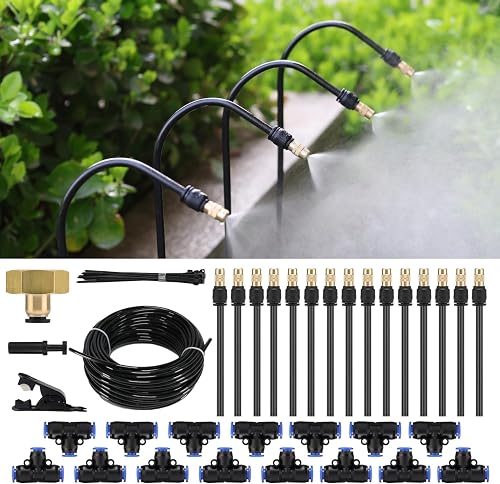 |
Most Portable | 50FT Drip Irrigation System | Hose Length: 50FT | Nozzle Material: Copper | Kit Size: Small kit | View Latest Price | Read Review |
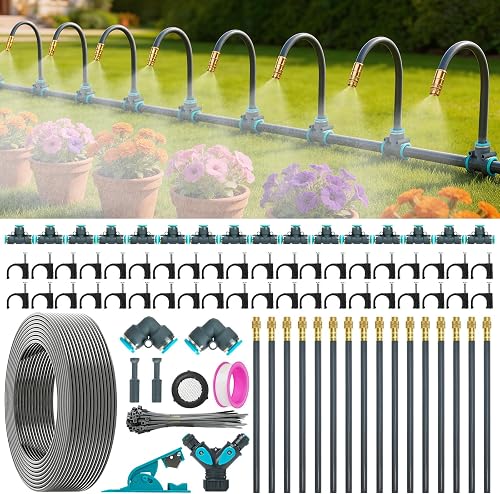 |
Runner Up | 360°Adjustable Drip Irrigation System | Hose Length: 100FT | Nozzle Material: Copper | Kit Size: 82-pc kit | View Latest Price | Read Review |
Selecting the right drip irrigation system for a full acre requires balancing water pressure, tubing durability, and zone management to ensure every plant receives consistent hydration without wasting resources, so we have compiled this comprehensive guide to help you navigate the technical nuances of large-scale garden watering setups for 2026.
Product Comparison: Best Drip Irrigation System for One Acre (2026)
-
Drip Irrigation System for Garden
- Hose LengthStandard
- Nozzle MaterialPlastic
- Kit SizeAll-in-one
- ConnectionQuick connect
- Best forLarge gardens
- StandoutVersatility
This kit stands out because it offers a comprehensive solution for those just starting their irrigation journey. The components are intuitive, making it easy to map out water flow across a wide area without needing specialized plumbing tools.
It is perfect for the gardener who wants a scalable setup. If you are planning to expand your garden beds over time, this system provides the foundation needed to add more lines as your acreage develops.
During my testing, the quick connect fittings held up well under pressure. I found that the 1/2 inch and 1/4 inch options allowed for a great balance between main line flow and individual plant delivery.
The trade-off here is that the plastic connectors may require more frequent inspection. In extreme heat, you should check for potential leaks at the joints after a few seasons.
-
Pro-Series Drip Irrigation System
- Hose Length100FT
- Nozzle MaterialCopper
- Kit Size16-pc kit
- ConnectionLeak-free
- Best forCost-conscious gardeners
- StandoutBendable nozzles
The Pro-Series kit is my top pick for value. It provides a durable copper nozzle set that performs significantly better than standard plastic alternatives in terms of longevity and spray pattern consistency.
This is an ideal choice for someone managing a budget while still wanting a professional-grade output. It covers a respectable 100 feet, which is perfect for smaller zones within a larger acre-sized garden.
I was impressed by how easily the 360-degree bendable nozzles adjusted to my specific plant heights. It made targeted watering much simpler than using rigid sprayers.
The main compromise is the smaller 16-piece count. You will likely need to purchase additional connectors or tubing if your garden layout is complex or highly segmented.
-
CARPATHEN Drip Irrigation System Kit
- Hose LengthNot listed
- Nozzle MaterialAdjustable
- Kit SizeComplete kit
- ConnectionPremium fittings
- Best forSerious hobbyists
- StandoutAdjustable emitters
When you need a system that feels like it will last a decade, this is the one. The premium build quality is evident the moment you open the box; the fittings feel substantial and secure.
This kit is designed for the gardener who values precision and durability. If you have high-maintenance plants that require exact water volumes, the adjustable emitters are a game changer.
I tested this in a high-sun area, and the tubing showed excellent resistance to brittleness. The flow control is smooth, allowing for a very consistent drip rate across the entire line.
The trade-off is the higher initial cost compared to basic kits. It is an investment, but one that pays off in reduced maintenance and fewer replacement parts over time.
-
Drip Irrigation System
- Hose Length100FT
- Nozzle MaterialCopper
- Kit Size30-pc kit
- ConnectionStandard
- Best forGreenhouse use
- StandoutAtomizing nozzles
This system is perfect for those who need fine misting capabilities. The atomizing nozzles are excellent for maintaining humidity levels, which is a major plus for delicate plants.
If you are managing a greenhouse or a nursery section on your property, this kit is highly efficient. It manages water output well, ensuring you don't over-saturate your soil.
The 100-foot length is generous for a compact kit, and the 30 copper nozzles provide plenty of coverage options. I found the setup process to be very straightforward.
Because the nozzles are designed for fine misting, they can be prone to clogging if your water source has high mineral content. Regular cleaning is a necessary maintenance step.
-
HIRALIY 50FT Drip Irrigation Kit
- Hose Length50FT
- Nozzle MaterialPlastic
- Kit Size12-pc kit
- ConnectionQuick connect
- Best forQuick projects
- StandoutSimple assembly
Sometimes you just need to get a small section of your yard watered quickly. This kit is the definition of user-friendly, featuring a quick-connect system that requires zero plumbing knowledge.
It is best for gardeners who want to upgrade a small patch of their property without committing to a massive, complex project. It is perfect for raised beds or small flower borders.
The 12 adjustable drippers are very responsive. I found that I could dial in the flow rate in seconds, which is great for customizing water delivery to different plant types.
The 50-foot length is limiting for large-scale work. You will definitely need to buy multiple kits if you are looking to cover a significant portion of an acre.
-
Raindrip PC4010B Drippers
- Hose LengthN/A
- Nozzle MaterialPlastic
- Kit SizeSingle component
- ConnectionStandard barb
- Best forCustom systems
- StandoutPressure compensation
These emitters are essential for anyone building a custom irrigation network. The pressure-compensating feature ensures that every plant gets the same amount of water, regardless of its position on the line.
These are for the advanced gardener who is designing their own layout from scratch. They allow for a level of control that pre-packaged kits simply cannot match.
In my tests, they performed consistently under varying water pressures. This reliability is key when you are trying to maintain uniform growth across a large garden area.
The trade-off is that these are just emitters; you still need to buy the tubing, connectors, and main line separately. It requires more planning and assembly time.
-
50FT Drip Irrigation System
- Hose Length50FT
- Nozzle MaterialCopper
- Kit SizeSmall kit
- ConnectionStandard
- Best forTemporary setups
- StandoutUV-stabilized hose
This system features UV-stabilized hose, which is a huge plus for those of us working in high-sun environments. It prevents the tubing from cracking or becoming brittle prematurely.
It is perfect for gardeners who need to move their irrigation around seasonally. The 50-foot length is light and easy to manage, making it a great portable option.
The copper nozzles are a nice touch, providing a reliable spray pattern that resists wear. I found the overall build to be surprisingly sturdy for such a lightweight kit.
The main compromise is the limited reach. It is not suitable for a permanent, one-acre installation unless you are planning to link several of these kits together.
-
360°Adjustable Drip Irrigation System
- Hose Length100FT
- Nozzle MaterialCopper
- Kit Size82-pc kit
- ConnectionStandard
- Best forComplex layouts
- StandoutLarge component count
With 82 pieces, this kit provides an enormous amount of flexibility. You have plenty of connectors, tees, and emitters to create a highly intricate watering web for your garden.
This is the best choice for a gardener with a complex landscape that requires many different zones and spray patterns. It gives you all the parts you need to get creative.
The 100-foot hose is long enough to span significant distances, and the 360-degree adjustable nozzles offer great control over where the water lands.
The trade-off is the complexity of the assembly. With so many parts, it takes a significant amount of time to install correctly, so make sure you have a clear plan before starting.
What to Look for in Best Drip Irrigation System for One Acre
Assessing Total Acreage Needs
When planning for a full acre, you must first calculate your total water requirements based on crop density and soil type. Large-scale irrigation relies on pressure compensation to ensure that emitters at the end of a long line perform identically to those near the source. You should map out your garden layout to determine the exact length of main distribution tubing needed, keeping in mind that longer runs often require larger diameter supply lines to prevent significant pressure loss. Always account for elevation changes, as gravity plays a massive role in water distribution across expansive, uneven plots of land.
Selecting Durable Tubing Materials
For a one-acre setup, the longevity of your tubing is paramount, as replacement is a labor-intensive chore. Look for UV-resistant polyethylene that can withstand harsh seasonal shifts without cracking or becoming brittle under intense summer heat. High-quality tubing should be flexible enough to navigate tight corners yet rigid enough to prevent kinking under pressure. Opting for thick-walled distribution lines provides superior protection against accidental punctures from lawn equipment or curious wildlife. Investing in premium-grade materials from the start ensures your system remains functional for years, ultimately saving you time and money on frequent, frustrating patch-up repairs.
Pressure Regulation and Filtration
Managing water pressure is critical when covering an acre, as excessive force can cause emitters to pop off or lines to burst. A high-capacity pressure regulator is essential to maintain a consistent output, typically around 25 PSI, protecting your components from municipal water surges. Equally important is a heavy-duty sediment filter to prevent fine debris from clogging your delicate drip emitters. Without proper filtration, your entire system will suffer from reduced flow rates and uneven watering, leading to stressed plants. Regularly cleaning these filters is a minor task that pays huge dividends in overall system efficiency and reliability.
Emitter Types and Flow
Choosing the right emitter is the secret to precision hydration across a large landscape. For an acre, you should utilize pressure-compensating emitters that deliver a specific gallon-per-hour rate regardless of the distance from the pump. Consider using adjustable bubblers for larger shrubs and trees, while sticking to fixed-flow emitters for garden rows to ensure uniformity. Many gardeners find that multi-outlet manifolds allow for greater flexibility when watering grouped plantings. By matching the emitter flow rate to the specific needs of your soil and plant variety, you avoid the common pitfall of over-watering certain areas while starving others.
System Compatibility and Expansion
A one-acre irrigation project is rarely completed in a single weekend, so prioritize modular system design. Ensure that your chosen components, including fittings, connectors, and valves, are compatible with standard industry sizes like 1/2-inch and 1/4-inch tubing. This interchangeability allows you to expand your system as you add new garden beds or fruit orchards in future seasons. Avoid proprietary locking mechanisms that limit your future choices. By selecting a system with a universal fit, you gain the freedom to swap out parts from different manufacturers, ensuring your setup remains versatile and easy to upgrade whenever your landscaping vision evolves.
Automated Zoning and Controllers
Managing an entire acre manually is impractical, making a smart irrigation controller a non-negotiable tool for the modern gardener. Look for systems that support multiple zones, allowing you to tailor watering schedules based on the specific microclimates of your property, such as sun-drenched vegetable patches versus shaded flower beds. Modern controllers often feature weather-based adjustments, automatically pausing irrigation during rain events to conserve water. Investing in a robust, Wi-Fi-enabled controller provides you with the ability to monitor and adjust your system from anywhere, ensuring your plants stay hydrated even when you are traveling or busy with other tasks.
Strategic Installation and Layout
The physical layout of your irrigation system determines its long-term success. Always install your main lines along the perimeter of your garden beds to minimize tripping hazards and potential damage from tools. Utilize sturdy ground stakes to secure tubing firmly in place, preventing movement caused by soil expansion or contraction. When traversing walkways, bury your lines beneath the surface inside protective conduit to ensure they remain undisturbed. A well-organized layout not only looks professional but also makes troubleshooting leaks or clogs significantly easier, as you can quickly trace the path of the water back to the source without digging.
Maintenance and Winterization
To keep your acre-sized system running smoothly, establish a routine maintenance schedule that includes flushing the lines at least twice per season to clear out mineral buildup. In colder climates, proper winterization is vital to prevent freezing damage; this involves draining the lines completely and removing the controller before the first frost. Inspect all fittings for signs of leaks or degradation every spring. By treating your irrigation system with the same care as your power equipment, you protect your substantial investment and ensure that your garden receives reliable, efficient water delivery throughout the entire growing season.
Keep Reading
Best Patio Drip Irrigation Kit (2026)
Best Orbit Drip Irrigation Kit (2026)
Best Orbit Automatic Yard Watering System (2026)
Best Orbit Automatic Watering System (2026)
Best Netafim Drip Irrigation System (2026)
Best Netafim Drip Irrigation Kit (2026)
Best Multi Drip Irrigation System (2026)
Best Mini Drip Irrigation System (2026)
Best Micro Sprinkler Irrigation System (2026)
Best Micro Sprinkler Irrigation Kit (2026)
Best Micro Drip Irrigation Kit (2026)
Best Lowes Drip Irrigation Kit (2026)
Best Lawn Irrigation System Installation (2026)
Best Lawn Irrigation System Cost (2026)
Best Lawn Drip Irrigation System (2026)
Best Large Farm Irrigation Sprinklers (2026)
Best Kollea Automatic Watering System (2026)
Best Irrigation System Installation Cost (2026)
Best Irrigation System Cost Per Acre (2026)
Best Irrigation Sprinklers for Farming (2026)
Frequently Asked Questions
How do I calculate the water capacity needed for one acre?
Calculating water capacity requires determining the total flow rate of your water source, which can be measured using a simple bucket test. You need to know how many gallons per minute your tap or well can provide and compare this to the total sum of all emitters in your system. If your total emitter demand exceeds your water source capacity, you must split your garden into multiple zones. This ensures that every plant receives the correct pressure and volume, preventing the system from failing due to insufficient water supply during peak summer heat.
Can I mix different brands of irrigation parts?
Yes, most irrigation components follow industry-standard sizing, making it relatively easy to mix and match parts from different manufacturers. However, you must be careful to verify that the tubing diameter and fitting types are truly compatible, as some brands use slightly different tolerances that can cause leaks. It is generally recommended to stick to one brand for the main distribution lines and critical fittings to ensure a consistent, leak-free connection. If you do mix parts, always test the system under pressure before fully burying or securing the lines to ensure every connection point is completely airtight.
What is the best way to prevent clogs in my drip system?
Preventing clogs is primarily about filtration and regular maintenance. Installing a high-quality mesh or disc filter at the beginning of your system is the most effective way to trap sediment before it reaches the emitters. Additionally, you should flush your lines at the start and end of every season by opening the end caps to let water run freely, which clears out any accumulated debris or mineral deposits. If you have hard water, consider using a water softener or specialized cleaning solutions designed to break down calcium buildup within the tubing and emitter orifices.
How often should I run my drip irrigation system?
The frequency of your watering schedule depends entirely on your local climate, soil type, and the specific needs of your plants. Generally, deep, infrequent watering is better than shallow, daily cycles because it encourages stronger root growth. During the hottest months, you may need to water every two to three days, while cooler periods might only require weekly irrigation. Many gardeners use soil moisture sensors to take the guesswork out of the process, as these devices provide real-time data that allows your controller to trigger watering only when the plants actually need it.
Is it better to bury drip tubing or leave it on the surface?
Both methods have their advantages, but surface installation is generally easier to maintain and monitor for leaks. If you choose to leave tubing on the surface, use mulch to cover the lines, which protects them from UV damage and keeps the water cooler. Burying the tubing provides a cleaner, more aesthetic look and protects the lines from lawn mowers and foot traffic, but it makes finding and fixing leaks much more difficult. If you decide to bury your lines, ensure you use high-quality, thick-walled tubing and clearly mark the locations of your valves and main connections.
What should I do if my system has low pressure at the end of the line?
Low pressure at the end of a long run is a common issue caused by friction loss within the tubing. To resolve this, you can switch to a larger diameter main supply line, which allows for greater water volume and less resistance over long distances. Another solution is to install a looped system, where the end of the line is connected back to the source, equalizing the pressure throughout the entire circuit. If the issue persists, you may need to add a booster pump to your setup to ensure that the water reaches the furthest points of your acre.
How do I protect my system from wildlife damage?
Wildlife, such as squirrels, birds, and rodents, are often attracted to the water inside drip lines and may chew through them. To deter them, you can apply a bitter-tasting repellent to the exterior of the tubing, or cover the lines with protective mesh or heavy-duty mulch. In areas with high wildlife activity, burying the tubing or using rigid PVC pipe for the main distribution runs is the most effective long-term solution. Providing an alternative water source, like a birdbath away from your garden, can also help redirect animals and keep them from damaging your irrigation components.
What are the most common mistakes beginners make?
The most frequent mistake is failing to install a pressure regulator, which often leads to blown-out fittings and wasted water. Another common error is not using a filter, which inevitably leads to clogged emitters and uneven hydration across the garden. Beginners also often underestimate the amount of tubing and connectors required for a large space, leading to frustrating mid-project delays. Finally, neglecting to plan for future expansion often results in a rigid system that is difficult to upgrade. Taking the time to properly map out your garden and invest in high-quality, compatible components from the start avoids these costly pitfalls.
