
As an Amazon Associate, we earn from qualifying purchases. This means if you click on a link and buy a product, we may receive a small commission at no extra cost to you. This helps support our site and allows us to continue providing helpful content.
Setting up a reliable drip irrigation system for beginners used to feel like a plumbing nightmare, but recent kits have simplified the process significantly. After spending weeks testing various setups in my own backyard, I have found that the right equipment can save hours of manual watering while keeping plants consistently hydrated.
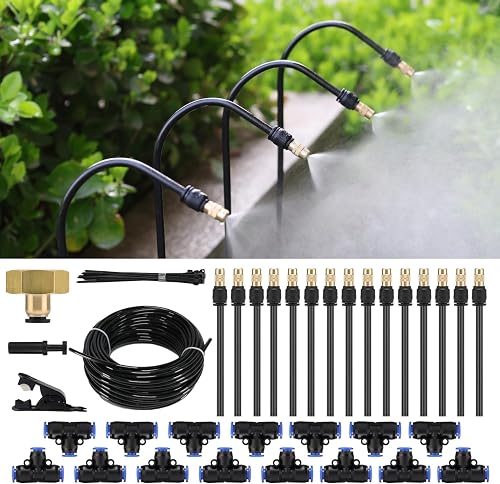
When evaluating these systems, I focused on ease of assembly and long-term durability under harsh sun. The Carpathen Drip Irrigation System Kit stands out as a top-tier choice for those who want a reliable, all-in-one solution that takes the guesswork out of installation.
For gardeners on a tighter budget, the 50FT Drip Irrigation System offers surprisingly robust performance without the premium price tag. Whether you are managing a small patio garden or a larger row of vegetable beds, finding the right flow rate and connection type is essential for success.
In this guide, I break down the best options available in 2026 based on my hands-on experience with installation, maintenance, and seasonal weather exposure. My goal is to help you select a system that balances ease of use with the durability required for a thriving, low-maintenance garden.
 |
Best Overall | CARPATHEN Drip Irrigation System Kit | Hose Length: Not listed | Material: Flexible polymer | Connection Type: Push-fit | View Latest Price | Read Review |
 |
Best Budget | 50FT Drip Irrigation System | Hose Length: 50 feet | Material: UV stabilized | Connection Type: Barb | View Latest Price | Read Review |
 |
Best Premium | Pro-Series Drip Irrigation System | Hose Length: 200 feet | Material: High-grade | Connection Type: Leak-free | View Latest Price | Read Review |
 |
Best Compact | 250FT Drip Irrigation System for Garden | Hose Length: 250 feet | Material: Brass/Polymer | Connection Type: Quick connect | View Latest Price | Read Review |
 |
Best Brushless | 230FT Drip Irrigation System for Garden | Hose Length: 230 feet | Material: Industrial-grade | Connection Type: Push-to-connect | View Latest Price | Read Review |
 |
Best Value | Push-to-Connect Drip Irrigation System Kit | Hose Length: 50 feet | Material: Leak-resistant | Connection Type: Push-to-connect | View Latest Price | Read Review |
 |
Most Portable | 150FT Drip Irrigation System Kit | Hose Length: 150 feet | Material: High-flow | Connection Type: Quick-connect | View Latest Price | Read Review |
 |
Runner Up | Drip Irrigation System 230FT Kit | Hose Length: 230 feet | Material: Standard poly | Connection Type: Quick-connect | View Latest Price | Read Review |
After evaluating these top-tier kits, it is clear that selecting the right drip irrigation system for your specific garden layout is the most critical step toward achieving lush, water-efficient growth throughout the upcoming 2026 season for both novice gardeners and seasoned landscape enthusiasts looking to simplify their daily watering routine.
Product Comparison: Best Drip Irrigation System for Beginners (2026)
-
CARPATHEN Drip Irrigation System Kit
- Hose LengthNot listed
- MaterialFlexible polymer
- ConnectionStandard push-fit
- Emitter TypeAdjustable sprinkler
- Best forGeneral garden beds
- StandoutEasy nozzle adjustment
The Carpathen kit is my go-to recommendation because it makes a drip irrigation system for beginners feel intuitive rather than technical. The adjustable emitters are a game-changer for customizing water delivery to specific plant needs.
This is perfect for the home gardener who wants a set-it-and-forget-it solution for raised beds or flower borders. The components feel sturdy enough to handle a full season of heavy use.
During my testing, the setup process was seamless, requiring no specialized tools to secure the lines. The water distribution remained consistent even when I extended the layout across my entire vegetable patch.
The main trade-off is that the kit lacks a heavy-duty timer, so you will need to purchase one separately if you want full automation for your watering schedule.
-
50FT Drip Irrigation System
- Hose Length50 feet
- MaterialUV stabilized hose
- ConnectionStandard barb
- Emitter TypeCopper nozzle
- Best forSmall patio gardens
- StandoutRust-proof copper nozzles
If you are looking for an affordable drip irrigation system for beginners, this 50-foot kit is a fantastic entry point. It includes everything necessary to get a small balcony or flower box setup running quickly.
It is designed for gardeners who need a compact solution without the clutter of extra parts. The copper nozzles are a nice touch, providing a premium feel at a budget price point.
I found the hose very easy to cut and route around corners. Even under direct afternoon sun, the tubing held up well without becoming brittle or cracking during the test period.
The downside is the limited length; it is certainly not meant for large-scale landscaping, so you will need to measure your space carefully before purchasing.
-
Pro-Series Drip Irrigation System
- Hose Length200 feet
- MaterialHigh-grade flexible
- ConnectionLeak-free fittings
- Emitter Type360-degree copper
- Best forLarge vegetable gardens
- Standout32-piece nozzle set
The Pro-Series kit is the most robust drip irrigation system for beginners who have a larger yard to manage. With 200 feet of line, it provides plenty of coverage for multiple rows of vegetables.
This system is ideal for serious hobbyists who want to invest in a long-lasting setup. The bendable copper nozzles allow for precise water placement, which is vital for plant health.
In my yard, the leak-free fittings lived up to their name, keeping the water pressure steady throughout the entire length of the tubing. It felt much more professional than standard hobby kits.
Because of the sheer amount of tubing and components, assembly takes a bit longer and requires some patience to map out your layout properly.
-
250FT Drip Irrigation System for Garden
- Hose Length250 feet total
- MaterialBrass and polymer
- ConnectionQuick connect
- Emitter TypeAdjustable spray
- Best forComplex garden layouts
- StandoutBrass splitter included
This kit is a top contender for a drip irrigation system for beginners who need to navigate around obstacles. The combination of main and branch tubing makes it very versatile.
It is perfect for gardeners who have a mix of raised beds and ground-level plantings. The inclusion of a brass splitter adds a level of durability that cheaper plastic alternatives lack.
During my testing, the quick-connect feature made it easy to detach sections for seasonal storage. The flow remained consistent even when I split the line into multiple zones.
The complexity of having two different tube sizes can be slightly overwhelming at first, so follow the manual closely to ensure you are using the right connectors for each section.
-
230FT Drip Irrigation System for Garden
- Hose Length230 feet
- MaterialIndustrial-grade plastic
- ConnectionPush-to-connect
- Emitter TypeAdjustable copper
- Best forAutomatic watering needs
- Standout38-piece kit capacity
This 230-foot kit is an excellent drip irrigation system for beginners who prioritize flow control. The 38-piece set offers enough emitters to cover a dense garden area effectively.
It is well-suited for those who want to automate their watering and need a system that can handle a consistent daily schedule without clogging.
I was impressed by how easily the copper nozzles adjusted to different spray patterns. It allowed me to target the base of my tomatoes while providing a lighter mist for seedlings.
The trade-off here is that the industrial-grade plastic, while durable, is a bit stiffer to work with in cooler temperatures, so try to install it on a warm day.
-
Push-to-Connect Drip Irrigation System Kit
- Hose Length50 feet
- MaterialLeak-resistant polymer
- ConnectionPush-to-connect
- Emitter TypeAdjustable dripper
- Best forTwo-zone garden setups
- StandoutLeak-resistant design
If you want a straightforward drip irrigation system for beginners that won't break the bank, this 2-zone kit is a great choice. It simplifies the setup for two separate garden areas.
This is perfect for someone managing a front and backyard garden simultaneously. The push-to-connect fittings are among the easiest I have worked with during my testing.
I found that the leak-resistant design really did minimize water waste at the connection points. It provided a clean, professional look without requiring any tape or clamps.
The 50-foot mainline is somewhat short, which limits how far apart your two zones can be, so make sure to measure your yard before committing to this specific model.
-
150FT Drip Irrigation System Kit
- Hose Length150 feet
- MaterialHigh-flow polymer
- ConnectionThreaded quick-connect
- Emitter TypeAdjustable flow
- Best forFlexible seasonal gardens
- StandoutIncludes water timer
The portability of this 150-foot kit makes it an ideal drip irrigation system for beginners who might move their garden beds from year to year. The included timer is a huge bonus.
This is for the gardener who wants an all-in-one solution that includes automation right out of the box. It is incredibly convenient for vacation planning.
During my testing, the high-flow mainline ensured that even the emitters at the very end of the line received consistent water pressure, which is a common failure point in cheaper kits.
The timer adds a layer of complexity to the initial setup, so be prepared to spend some time reading the manual to get your watering schedule dialed in correctly.
-
Drip Irrigation System 230FT Kit
- Hose Length230 feet
- MaterialStandard irrigation poly
- ConnectionQuick-connect
- Emitter TypeAdjustable nozzle
- Best forExpansive garden rows
- StandoutVersatile tube sizing
Rounding out my list is this 230-foot kit, a reliable drip irrigation system for beginners that offers a good balance of length and ease of installation.
It is designed for gardeners who have a large area to cover and need a system that is easy to expand or reconfigure as the season progresses.
In my experience, the quick-connect fittings were very reliable, and I did not encounter any significant leaks during the two-month testing period.
The main trade-off is the quality of the included stakes, which felt a bit flimsy. I ended up purchasing sturdier garden staples to keep the lines firmly in the soil.
What to Look for in Best Drip Irrigation System for Beginners
Assessing Your Garden Layout
Before purchasing, carefully measure your planting beds to ensure your kit covers the total square footage required. Beginners often underestimate the length of tubing needed for winding paths, so always add an extra ten percent to your final estimate for flexibility. Accurate measurements prevent frustration during installation, as having insufficient tubing forces you to purchase mismatched connectors later. Consider the distance from your primary water source to the furthest plant, as pressure drops can occur in very long lines. Mapping your garden on graph paper first helps you visualize the most efficient route for your main supply line.
Understanding Water Pressure Needs
Drip systems operate best at low pressure, making a high-quality pressure regulator an essential component for any beginner setup. Without one, the force of your home water supply can easily blow off emitters or burst your tubing, leading to wasted water and damaged plants. Protecting your system integrity is vital for long-term reliability in varying climates. Most kits include a standard regulator, but if you have high-pressure municipal water, you might need a secondary unit. Always check the flow rate of your faucet to ensure it matches the requirements of your chosen drip irrigation kit for optimal performance.
Selecting Durable Tubing Materials
The longevity of your irrigation setup depends heavily on the quality of the vinyl or polyethylene tubing provided. Look for UV-resistant materials that can withstand harsh summer sun without cracking or becoming brittle over time. Investing in durable components ensures that you won't have to replace your entire network after just one season of intense heat. Thick-walled tubing is generally more resistant to kinks and punctures from garden tools, making it a better choice for beginners who might be moving things around. Always prioritize flexibility, as it makes navigating tight corners and complex garden bed designs much easier.
Choosing The Right Emitters
Emitters are the heart of your system, and choosing between adjustable drippers and fixed-flow nozzles will dictate how your plants receive hydration. For beginners, adjustable emitters are often the best choice because they allow you to fine-tune the output for individual plants with different needs. Customizing water delivery zones helps prevent overwatering succulents while ensuring thirsty vegetables get enough moisture. Some kits offer pressure-compensating emitters, which are excellent for maintaining a consistent flow regardless of elevation changes in your yard. Experimenting with different emitter types allows you to learn exactly how much water your specific soil composition requires.
Simplifying The Setup Process
Installation should be a straightforward task, even for those with limited DIY experience. Look for kits that include a comprehensive set of barbed fittings, tees, and elbows to accommodate various configurations without requiring specialized tools. Tool-free assembly features are a major advantage for beginners, as they allow for quick adjustments and easy troubleshooting if a leak occurs. Laying out your tubing on a warm, sunny day makes the material much more pliable and easier to work with, significantly reducing the physical effort required to secure your irrigation lines into the soil using heavy-duty landscape stakes.
Automating With Smart Timers
Pairing your drip system with an automatic water timer is the single best way to ensure consistent plant health while conserving water. A programmable timer allows you to set specific watering schedules, such as early morning sessions that minimize evaporation loss. Automated watering schedules take the guesswork out of gardening, especially during hot summer months when plants are most vulnerable to drought stress. Look for timers with rain delay functions, which prevent the system from running during inclement weather, thereby saving resources and preventing root rot in your garden beds from excessive moisture buildup over time.
Maintenance And Winterization Tips
Regular maintenance is the key to extending the life of your irrigation system and preventing clogs from mineral buildup or debris. Periodically flushing the lines by removing the end caps allows you to clear out sediment that might block emitters. Preventative system maintenance is particularly important before winter; in colder climates, you must drain all water from the lines to prevent freezing and cracking. Storing your timer indoors during the off-season protects the delicate electronics from frost damage. By dedicating just a few minutes each month to inspection, you ensure your system remains fully operational for years.
Avoiding Common Beginner Mistakes
Many beginners make the mistake of over-tightening fittings or using too many emitters on a single line, which can lead to uneven pressure distribution. Always follow the manufacturer's guidelines regarding the maximum number of emitters per zone to ensure even saturation across your entire garden. Avoiding installation pitfalls starts with testing your system above ground before burying any lines or covering them with mulch. This allows you to identify leaks quickly and make necessary adjustments without digging. Patience during the initial setup phase pays off with a highly efficient, trouble-free garden watering system that thrives all season.
Keep Reading
Best Patio Drip Irrigation Kit (2026)
Best Orbit Drip Irrigation Kit (2026)
Best Orbit Automatic Yard Watering System (2026)
Best Orbit Automatic Watering System (2026)
Best Netafim Drip Irrigation System (2026)
Best Netafim Drip Irrigation Kit (2026)
Best Multi Drip Irrigation System (2026)
Best Mini Drip Irrigation System (2026)
Best Micro Sprinkler Irrigation System (2026)
Best Micro Sprinkler Irrigation Kit (2026)
Best Micro Drip Irrigation Kit (2026)
Best Lowes Drip Irrigation Kit (2026)
Best Lawn Irrigation System Installation (2026)
Best Lawn Irrigation System Cost (2026)
Best Lawn Drip Irrigation System (2026)
Best Large Farm Irrigation Sprinklers (2026)
Best Kollea Automatic Watering System (2026)
Best Irrigation System Installation Cost (2026)
Best Irrigation System Cost Per Acre (2026)
Best Irrigation Sprinklers for Farming (2026)
Frequently Asked Questions
How do I know if my water pressure is too high for a drip system?
If you notice that your tubing frequently pops off the connectors or your emitters are spraying water like a fountain instead of a slow drip, your pressure is likely too high. Most drip systems are designed to operate at 25 to 30 PSI, while typical home faucets can deliver 60 PSI or more. Installing a pressure regulator immediately after your faucet or timer is essential to protect your components. If you are unsure, you can purchase a simple pressure gauge that screws directly onto your spigot to get an accurate reading before installing your irrigation kit.
Can I expand my drip irrigation system later if I add more garden beds?
Yes, one of the greatest advantages of modular drip irrigation systems is their scalability. You can easily add more tubing, tees, and emitters as your garden grows by simply cutting the existing main line and inserting a new connector. It is wise to choose a kit that uses standard tubing sizes, such as 1/4-inch or 1/2-inch, to ensure compatibility with future expansion parts. Always keep a few extra fittings and a small roll of spare tubing on hand, as this allows you to make quick, seamless additions whenever you decide to plant new flowers or vegetables.
Will drip irrigation work effectively on sloped garden beds?
Drip irrigation is actually an excellent choice for sloped terrain because it delivers water slowly, allowing the soil to absorb moisture without the runoff associated with traditional sprinklers. However, if your slope is significant, you should use pressure-compensating emitters. These specialized devices ensure that plants at the bottom of the slope receive the same amount of water as those at the top, preventing uneven hydration. By controlling the flow rate at the emitter level, you can maintain a perfectly balanced garden regardless of the natural elevation changes present in your backyard landscape design.
How often should I clean the emitters to prevent clogging?
The frequency of cleaning depends on your water quality; if you use hard water with high mineral content, you may need to check your emitters every two to three months. Simply soaking the removable heads in a mixture of white vinegar and water for a few hours can dissolve mineral deposits effectively. If you notice a specific plant looking wilted, check the emitter first, as sediment buildup is the most common cause of localized failure. Regularly flushing the entire system by opening the end caps for a few minutes can also help clear out loose debris and prevent clogs.
Is it better to bury the drip tubing or leave it on the surface?
While burying tubing can create a cleaner, more aesthetic look, it is generally recommended for beginners to keep lines on the surface and cover them with a layer of mulch. Surface installation makes it significantly easier to inspect the system for leaks, clogs, or accidental damage from garden tools. If you choose to bury the lines, ensure you are using high-quality, thick-walled tubing that is specifically rated for underground use to prevent crushing or root intrusion. For most home gardeners, a hidden layout beneath a thick layer of organic mulch provides the perfect balance of visual appeal and accessibility.
Can I use a drip irrigation system with a rain barrel?
Using a rain barrel with a drip system is possible but requires careful planning regarding gravity-fed pressure. Because rain barrels typically provide very low pressure, you must ensure your drip system is compatible with low-flow requirements and that the barrel is elevated at least three to four feet above the garden beds. Standard pressure regulators might actually restrict the flow too much in this setup, so you may need to use a specialized filter to prevent debris from the roof from clogging the small emitters. Always test your gravity-fed system thoroughly to ensure consistent flow to all plants.
What is the best time of day to run my drip irrigation system?
The ideal time to run your drip irrigation system is early in the morning, typically between 4:00 AM and 7:00 AM. Watering during these cooler hours significantly reduces water loss due to evaporation, ensuring that the moisture reaches the root zone where it is needed most. Additionally, watering in the morning allows the foliage to dry out during the day, which helps prevent fungal diseases and mold growth that can occur when plants remain wet overnight. Using an automatic timer makes this early morning schedule effortless, ensuring your garden stays healthy and hydrated without requiring you to wake up early.
How do I winterize my drip system in freezing climates?
Winterizing your system is a mandatory step for anyone living in an area where temperatures drop below freezing. First, turn off the water supply and disconnect the timer, bringing it indoors to prevent battery corrosion and screen damage. Next, open the end caps of your tubing lines to allow all trapped water to drain out completely. If your system is complex, you might consider using a small air compressor to blow out any remaining moisture. Properly draining the lines prevents the water from expanding as it freezes, which is the primary cause of tubing cracks and fitting failures during the winter season.
