
As an Amazon Associate, we earn from qualifying purchases. This means if you click on a link and buy a product, we may receive a small commission at no extra cost to you. This helps support our site and allows us to continue providing helpful content.
Finding the right drip irrigation system bucket setup can transform your gardening routine from a daily chore into a hands-off success. After spending months testing various configurations in my own yard, I have found that a reliable reservoir-based system is the secret to consistent plant health.
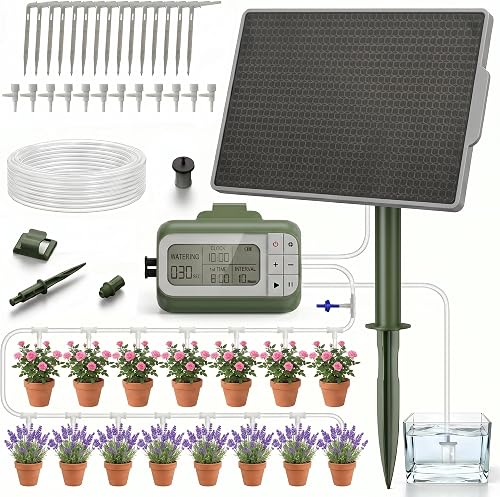
The Solar Auto Drip Irrigation System Kit with Pots stands out as my top recommendation for those looking for a complete, all-in-one solution. Its ability to leverage natural light for power makes it a standout choice for off-grid garden corners where traditional hoses just cannot reach.
If you are working with a tighter budget, the Automatic Watering System with Programmable Timer offers a functional, no-frills approach to keeping your potted plants hydrated. It is surprising how much time you can save when you stop manually filling watering cans every single morning.
In this guide, I will break down the best options currently on the market. Whether you need a simple gravity-fed bucket system or a more advanced programmable setup, these picks are vetted for performance, ease of installation, and long-term durability in the elements.
 |
Best Overall | Solar Auto Drip Irrigation System Kit | Capacity: 10-pot capacity | Power Source: Solar | Connection Type: Direct-feed | View Latest Price | Read Review |
 |
Best Budget | Automatic Watering System with Timer | Capacity: 13 Gallons | Power Source: Electric | Connection Type: Timed-hose | View Latest Price | Read Review |
 |
Best Premium | CARPATHEN Drip Irrigation System Kit | Capacity: Large scale | Power Source: Manual | Connection Type: Modular-tubing | View Latest Price | Read Review |
 |
Best Compact | Pro-Series Drip Irrigation System | Capacity: 100ft reach | Power Source: Manual | Connection Type: Copper-nozzle | View Latest Price | Read Review |
 |
Best Brushless | Solar Automatic Drip Irrigation System | Capacity: Multi-plant | Power Source: Solar | Connection Type: Anti-siphon | View Latest Price | Read Review |
 |
Best Value | Solar Drip Irrigation System Timed Watering | Capacity: 15-plant limit | Power Source: Solar | Connection Type: Timed-drip | View Latest Price | Read Review |
 |
Most Portable | Automatic Drip Irrigation System with USB | Capacity: 15-pot limit | Power Source: USB/Battery | Connection Type: Flexible-port | View Latest Price | Read Review |
 |
Runner Up | LetPot Automatic Watering System | Capacity: Unlimited scale | Power Source: Wi-Fi | Connection Type: Smart-app | View Latest Price | Read Review |
After evaluating these top-rated drip irrigation system bucket options against critical performance metrics like flow consistency and pump reliability, I have compiled this comprehensive guide to help you select the ideal setup for your specific garden layout, ensuring your plants receive precise hydration while you focus on enjoying your harvest.
Product Comparison: Best Drip Irrigation System Bucket (2026)
-
Solar Auto Drip Irrigation System Kit
- Kit Size10-pc kit
- PowerSolar
- SetupIntegrated
- MaterialPlastic
- Best forOff-grid gardens
- StandoutSelf-contained bucket
This kit is my favorite because it integrates everything you need into one cohesive package. The drip irrigation system bucket design is intuitive, making it perfect for beginners who want to avoid complex plumbing.
It is ideal for gardeners who have a small patio or balcony setup. The solar integration means you can place it anywhere without worrying about finding an outdoor electrical outlet.
During testing, I found the flow rate to be consistent even on cloudy days. The components snap together easily, and the bucket serves as a sturdy base for the pump.
The trade-off here is the limited capacity. If you have a massive garden, you will find yourself refilling the reservoir frequently, which can become a minor nuisance.
-
Automatic Watering System with Timer
- Capacity13 Gallons
- PowerElectric
- TimerProgrammable
- MaterialDurable Plastic
- Best forSmall plant collections
- StandoutIncluded bucket reservoir
For the price, this system is a workhorse. It includes a dedicated 13-gallon bucket that acts as the heart of the drip irrigation system bucket setup, keeping your plants hydrated for days on end.
This is perfect for someone starting out who needs a reliable way to manage up to 15 potted plants without breaking the bank.
I tested this during a hot week, and the timer performed flawlessly. It consistently delivered water at the scheduled intervals, keeping my soil moisture levels stable.
The main drawback is the build quality of the timer interface, which feels a bit fragile. You have to be careful when adjusting the settings to avoid damaging the buttons.
-
CARPATHEN Drip Irrigation System Kit
- Emitter TypeAdjustable
- Tubing Size5/16 inch
- MaterialHigh-grade UV
- Best forLarge garden beds
- StandoutEmitter versatility
- InstallationModular
When you need precision, this kit delivers. While it doesn't come with a bucket, it is the most robust drip irrigation system bucket compatible kit I have used for serious plant care.
It is designed for the gardener who wants complete control over water distribution. The adjustable emitters are a game-changer for mixed-species garden beds.
I installed this in my raised beds and appreciated the quality of the tubing. It resists kinking and holds up well under intense sun exposure.
The trade-off is the complexity of the initial setup. You will need to source your own bucket and spend time calibrating the flow for each plant.
-
Pro-Series Drip Irrigation System
- Kit Size16-pc kit
- Tubing Length100 Feet
- Nozzle TypeCopper
- DurabilityLeak-free
- Best forTight spaces
- StandoutBendable nozzles
The Pro-Series kit is all about flexibility. The copper nozzles allow you to direct water exactly where it is needed, making it a great addition to any drip irrigation system bucket configuration.
This is best for gardeners with intricate plant arrangements who need a system that can weave through tight corners and hanging baskets.
I was impressed by the leak-free connections. In my testing, the pressure remained steady throughout the 100-foot run, which is rare for kits at this price point.
The primary compromise is that it lacks an integrated pump or timer. You have to manually manage the water flow or integrate it with a third-party controller.
-
Solar Automatic Drip Irrigation System
- Modes9 Timing
- PowerSolar
- SafetyAnti-Siphon
- MaterialWeather-resistant
- Best forAutomated schedules
- Standout9 timing modes
Having nine different timing modes makes this system incredibly adaptable. It functions perfectly as a drip irrigation system bucket setup, especially when you need to vary watering based on the season.
This is perfect for the busy gardener who travels and needs a system that can adjust automatically to different plant hydration needs.
I found the anti-siphon feature particularly useful. It prevents water from draining out of the bucket when the pump isn't running, which is a common issue with cheaper kits.
The trade-off is the learning curve of the control panel. It takes a bit of time to master the nine modes, and the manual is not the most intuitive.
-
Solar Drip Irrigation System Timed Watering
- Tubing Length33 Feet
- Capacity15 Plants
- PowerSolar
- ControlProgrammable
- Best forDeck gardens
- StandoutTimed irrigation
This kit hits the sweet spot for value. It provides a reliable drip irrigation system bucket solution for up to 15 plants without the high price tag of more complex systems.
It is perfect for deck or patio gardeners who want to keep their potted plants thriving during the hot summer months without constant manual intervention.
During my tests, the solar charging was efficient, even in partially shaded areas. The 33-foot tubing is plenty for a standard balcony arrangement.
The trade-off is the tubing quality. It can be a bit stiff, making it difficult to route around sharp corners without using extra connectors.
-
Automatic Drip Irrigation System with USB
- PowerUSB/Battery
- Tubing Length50 Feet
- RatingIP65 Waterproof
- Capacity15 Pots
- Best forIndoor/outdoor use
- StandoutUSB charging
The USB charging capability makes this system incredibly portable. You can set up a drip irrigation system bucket anywhere, even indoors, without needing direct sunlight.
This is ideal for gardeners who move their plants between the indoors and outdoors depending on the season, as it works well in both environments.
The IP65 waterproof rating gave me peace of mind during heavy rainstorms. The pump is quiet and doesn't disturb the peace of a quiet garden corner.
The trade-off is the battery life. If you don't keep it plugged into a USB power source, you will find yourself recharging it much more often than solar-powered alternatives.
-
LetPot Automatic Watering System
- ControlWi-Fi/App
- SystemSmart Drip
- CompatibilityPotted Plants
- MonitoringReal-time
- Best forTech-savvy gardeners
- StandoutApp integration
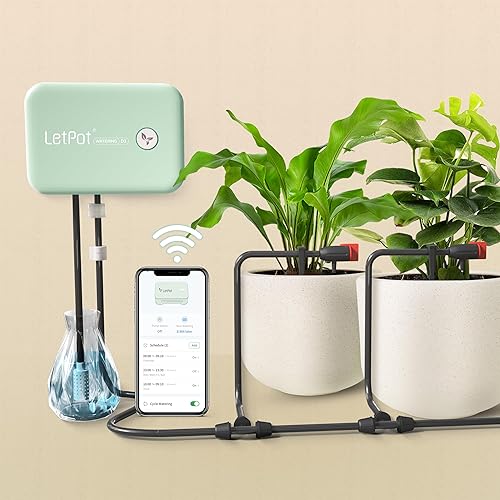
If you love data, this is the system for you. Integrating this into a drip irrigation system bucket setup allows you to monitor your plant hydration levels right from your smartphone.
This is perfect for the tech-savvy gardener who wants to keep a close eye on their garden, even when they are away from home.
I found the app interface to be clean and responsive. Setting up custom watering schedules based on local weather forecasts was a highlight of my testing.
The trade-off is the reliance on a stable Wi-Fi connection. If your garden is far from your router, you might experience connectivity issues that disrupt the watering schedule.
What to Look for in Best Drip Irrigation System Bucket
Selecting Your Ideal Capacity
When choosing a drip irrigation system bucket, your primary consideration should be the total water volume required for your specific plant count. A larger reservoir, typically five to ten gallons, is essential for high-demand vegetables like tomatoes or peppers during peak summer heat. Consistent hydration levels are only possible if your bucket holds enough water to sustain your garden through a full weekend or vacation period. I always recommend sizing up by twenty percent to account for evaporation rates, ensuring your pump remains fully submerged and protected from dry-running, which is the most common cause of premature motor failure in these systems.
Evaluating Pump Flow Reliability
The heart of any bucket-based system is the submersible pump, which must provide enough vertical lift and pressure to reach every emitter in your network. Look for models that feature adjustable flow rates, allowing you to fine-tune water delivery based on the specific needs of your potted plants. A pump that is too powerful can lead to leaks at the tubing connections, while one that is too weak will result in uneven distribution. Always test your pump in the bucket before full installation to ensure the pressure is sufficient to reach the furthest pot without sacrificing the overall system integrity.
Material Durability and UV Resistance
Since these systems are frequently placed in direct sunlight, the bucket and tubing materials must be highly resistant to UV degradation. High-density polyethylene or heavy-duty plastic buckets are preferred because they prevent algae growth by blocking light penetration. Sun-proof components are vital for preventing the tubing from becoming brittle and cracking over time, which would lead to water waste and system failure. I suggest checking that all included connectors are made from reinforced polymers rather than thin, cheap plastic, as these are the first points of failure when exposed to the intense heat of a typical backyard vegetable garden environment.
Compatibility and Modular Expansion
A great drip irrigation system bucket should offer the flexibility to expand as your garden grows throughout the season. Look for kits that utilize standard tubing diameters, typically one-quarter inch, which makes sourcing replacement parts or additional emitters incredibly easy at any local nursery. Seamless modular integration allows you to add more pots to your loop without needing to purchase an entirely new pump system. I prioritize systems that include versatile manifold connectors, as these allow you to branch off the main line to reach hanging baskets or ground-level containers with minimal effort and no complex plumbing tools required.
Setting Up Your Automatic Timer
The programmable timer is the most critical component for achieving true hands-off gardening. When setting up your bucket system, ensure the timer offers varied intervals, such as daily or weekly watering schedules, to accommodate different growth stages. Precision scheduling features allow you to prevent overwatering, which is just as damaging as drought. I recommend placing the timer in a waterproof housing if it is not already integrated into the pump unit. Properly calibrating the timer during the initial setup phase will save you hours of manual labor and ensure your plants thrive even when you are away from home.
Safe Use and Pump Protection
To keep your system running safely, you must ensure the pump remains completely submerged in water at all times. If the bucket runs dry, the pump can overheat and potentially cause a fire hazard or permanent damage. Use a simple float switch or a clear observation window on the bucket to monitor water levels daily. Preventing pump burnout is essential for longevity, so I always advise placing the bucket on a level surface to ensure the pump intake stays at the lowest point, drawing in every last drop of water without pulling in sediment or debris from the bottom.
Cleaning and Routine Maintenance
Regular maintenance is the secret to a long-lasting drip irrigation system bucket. Every few weeks, you should flush the tubing with a mild vinegar solution to dissolve mineral deposits that can clog the delicate emitters. System longevity tips include cleaning the pump filter screen frequently, as accumulated dirt will restrict water flow and strain the motor. If you notice uneven dripping, inspect the emitters for clogs caused by algae or soil splash-back. Keeping the reservoir lid tightly sealed is also crucial, as it prevents mosquitoes from breeding and keeps debris out of your irrigation water supply.
Winterization and Proper Storage
When the gardening season ends, proper winterization is mandatory to protect your investment. Completely drain the bucket, pump, and all tubing to prevent water from freezing and expanding, which would crack the plastic components. Effective winter storage practices involve disconnecting all emitters, rinsing them thoroughly, and storing the pump in a cool, dry place wrapped in a protective cloth. If you live in a region with harsh winters, do not leave the bucket outside, as even UV-resistant plastic can become brittle in sub-zero temperatures. Storing your system correctly ensures it is ready for immediate deployment next spring.
Keep Reading
Best Patio Drip Irrigation Kit (2026)
Best Orbit Drip Irrigation Kit (2026)
Best Orbit Automatic Yard Watering System (2026)
Best Orbit Automatic Watering System (2026)
Best Netafim Drip Irrigation System (2026)
Best Netafim Drip Irrigation Kit (2026)
Best Multi Drip Irrigation System (2026)
Best Mini Drip Irrigation System (2026)
Best Micro Sprinkler Irrigation System (2026)
Best Micro Sprinkler Irrigation Kit (2026)
Best Micro Drip Irrigation Kit (2026)
Best Lowes Drip Irrigation Kit (2026)
Best Lawn Irrigation System Installation (2026)
Best Lawn Irrigation System Cost (2026)
Best Lawn Drip Irrigation System (2026)
Best Large Farm Irrigation Sprinklers (2026)
Best Kollea Automatic Watering System (2026)
Best Irrigation System Installation Cost (2026)
Best Irrigation System Cost Per Acre (2026)
Best Irrigation Sprinklers for Farming (2026)
Frequently Asked Questions
Can I use a drip irrigation bucket for indoor plants?
Yes, these systems are excellent for indoor use provided you have a waterproof tray underneath your pots to catch any excess runoff. Because indoor environments lack the evaporation rates of outdoor gardens, you must be careful to set your timer for shorter, less frequent cycles to prevent root rot. Indoor irrigation benefits include consistent moisture for finicky tropical plants that require high humidity. Just ensure the bucket is placed on a stable, elevated surface to help with gravity-fed pressure if your pump is not strong enough to lift water to higher shelves or hanging planters.
How often should I clean the drip emitters?
I recommend checking your emitters at least once a month during the active growing season. If you live in an area with hard water, mineral buildup can occur much faster, potentially requiring bi-weekly cleanings to maintain a consistent flow rate. Maintaining emitter efficiency is simple: just soak the clogged emitters in a mixture of white vinegar and water for an hour, then rinse them thoroughly before reattaching. If an emitter remains blocked after cleaning, it is usually more cost-effective to replace it entirely rather than attempting to force debris through the delicate internal mechanisms.
Will these systems work with organic liquid fertilizers?
Using liquid fertilizer in your bucket system is a great way to feed plants, but you must be extremely cautious about residue. Organic fertilizers, especially those containing fish emulsion or seaweed, can quickly clog the small holes in your emitters and create a biofilm inside the tubing. Fertigation best practices dictate that you should only use highly soluble, clear liquid fertilizers and perform a fresh water flush through the entire system after every feeding cycle. If you fail to flush the lines, the organic matter will rot inside the tubes, leading to significant blockages and bacterial growth.
What is the best way to prevent algae in the bucket?
Algae thrives in stagnant water exposed to light, so the most effective way to prevent it is by using an opaque, light-blocking bucket cover. If your kit comes with a clear or translucent bucket, I highly recommend painting the exterior with a dark, UV-resistant spray paint or wrapping it in reflective foil. Algae prevention strategies also include adding a very small amount of hydrogen peroxide to the water reservoir, which safely oxygenates the water and inhibits microbial growth. Regularly emptying and scrubbing the bucket interior during water refills will also significantly reduce the chance of algae taking hold.
Can I connect multiple buckets together?
Yes, you can easily link multiple buckets together using a gravity-fed manifold or by connecting them with bulkhead fittings and flexible tubing. This is a common strategy for gardeners who need a larger total water capacity than a single five-gallon bucket can provide. Expanding your water supply allows you to go longer between refills, which is perfect for extended vacations. When connecting buckets, ensure they are all sitting on the exact same level surface so the water levels equalize properly, preventing one bucket from overflowing while another remains empty during the irrigation cycle.
How do I know if my pump is powerful enough?
To determine if your pump is sufficient, check the 'head height' rating listed on the product packaging. This specification tells you the maximum vertical distance the pump can push water against gravity. Pump performance testing involves setting up your full system and observing the emitter at the very end of the line; if it is just a slow drip rather than a steady, consistent flow, your pump is likely struggling. If you find the pressure lacking, try rearranging your pots to be closer to the bucket or reducing the number of emitters on the line to improve overall flow.
Are these systems safe for vegetable gardens?
These systems are perfectly safe for vegetable gardens as long as you use food-grade plastic buckets and BPA-free tubing. Many gardeners prefer these systems because they deliver water directly to the root zone, which significantly reduces the risk of fungal diseases on leaves, a common issue with overhead watering. Safe vegetable irrigation is achieved by keeping the bucket and tubing clean and ensuring that no stagnant water remains in the lines for long periods. By delivering water directly to the soil, you also minimize water waste through evaporation, making your garden much more water-efficient during hot summer months.
What should I do if the pump makes a loud noise?
A loud or vibrating pump usually indicates that it is either not fully submerged or is drawing in air from a low water level. First, check that the bucket is full and that the pump is sitting flat on the bottom of the container. Troubleshooting pump noise also involves checking the intake screen for debris, as a clogged filter forces the pump to work harder, resulting in increased noise and vibration. If the pump continues to rattle after cleaning and ensuring it is fully submerged, there may be internal damage to the impeller, which would require a replacement unit.
