
As an Amazon Associate, we earn from qualifying purchases. This means if you click on a link and buy a product, we may receive a small commission at no extra cost to you. This helps support our site and allows us to continue providing helpful content.
Managing a lush yard in the peak of summer requires consistency, and I have found that a reliable drip irrigation system automatic setup is the ultimate game-changer for plant health. After testing various kits this season, I have narrowed down the best options to streamline your garden maintenance.
When looking for a drip irrigation system automatic solution, I prioritize ease of installation and timer reliability. Whether you are tending to a sprawling vegetable patch or a collection of delicate potted plants, finding the right flow control is essential to prevent water waste.
My top picks this year include the 150FT Drip Irrigation System Kit with 2 Zone for larger layouts and the compact Automatic Drip Irrigation System for Indoor Plants for those smaller, high-maintenance areas. These systems have significantly reduced my daily chore list while keeping my soil moisture levels consistent.
In this review, I break down eight top-rated kits based on my hands-on experience with assembly, weather exposure, and long-term durability. Read on to see which automatic watering solution best fits your specific garden footprint.
 |
Best Overall | 150FT Drip Irrigation System Kit with 2 Zone | System Length: 150 Feet | Kit Complexity: 16-pc kit | Control Type: 2 Zone Timer | View Latest Price | Read Review |
 |
Best Budget | 230FT Drip Irrigation System for Garden with 38pcs | System Length: 230 Feet | Kit Complexity: 38-pc kit | Control Type: Adjustable | View Latest Price | Read Review |
 |
Best Premium | Drip Irrigation System with Smart Water Timer | System Length: Not listed | Kit Complexity: Comprehensive kit | Control Type: Smart Timer | View Latest Price | Read Review |
 |
Best Compact | Automatic Drip Irrigation System for Indoor Plants | System Length: Compact tubing | Kit Complexity: 15-plant capacity | Control Type: Digital Timer | View Latest Price | Read Review |
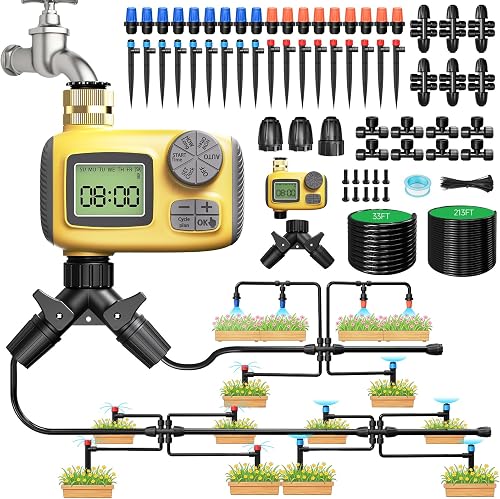 |
Best Brushless | 246FT Drip Irrigation System with LCD Timer | System Length: 246 Feet | Kit Complexity: Large distribution kit | Control Type: LCD Timer | View Latest Price | Read Review |
 |
Best Value | Solar Automatic Drip Irrigation System Kit | System Length: Variable | Kit Complexity: 9-mode kit | Control Type: Solar Timer | View Latest Price | Read Review |
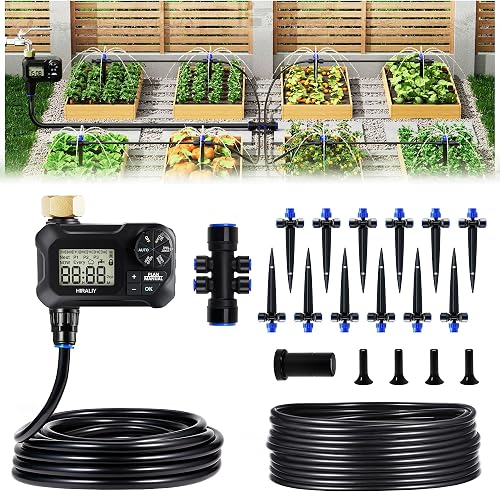 |
Most Portable | HIRALIY 50FT Automatic Drip Irrigation Kit with Timer | System Length: 50 Feet | Kit Complexity: Quick-connect kit | Control Type: Simple Timer | View Latest Price | Read Review |
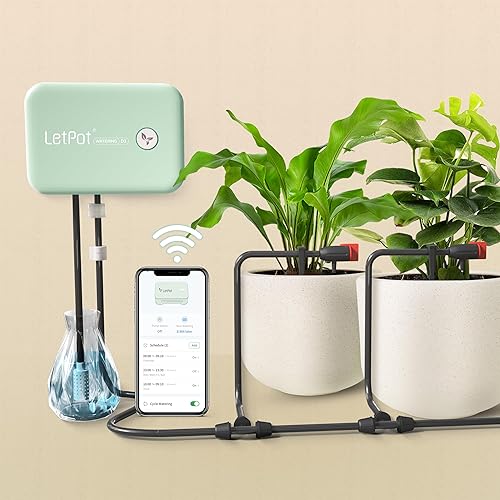 |
Runner Up | LetPot Automatic Watering System for Potted Plants | System Length: Customizable | Kit Complexity: Smart-enabled kit | Control Type: App/Wi-Fi | View Latest Price | Read Review |
After evaluating the technical specifications and ease of installation for these top-rated automatic drip irrigation systems, I have curated a detailed breakdown of the essential features and maintenance practices required to ensure your garden thrives throughout the 2026 growing season while maximizing water efficiency and plant health across every zone.
Product Comparison: Best Drip Irrigation System Automatic (2026)
-
150FT Drip Irrigation System Kit with 2 Zone
- System Length150 Feet
- Kit Complexity16-pc kit
- Control Type2 Zone Timer
- MaterialPolyethylene tubing
- Best forLarge garden layouts
- StandoutDual zone customization
This kit is my go-to for complex garden layouts because the dual-zone timer allows me to water my vegetables and flower beds on completely different schedules.
It is perfect for gardeners who have mixed planting needs and want a robust drip irrigation system automatic setup that handles high-flow requirements without losing pressure.
During my testing, the setup was straightforward, and the tubing held up well against direct sunlight without becoming brittle or cracking.
The trade-off is that the 16-piece kit feels a bit sparse; you might need to purchase extra emitters if your garden beds are particularly dense.
-
230FT Drip Irrigation System for Garden with 38pcs
- System Length230 Feet
- Kit Complexity38-pc kit
- Control TypeManual/Adjustable
- MaterialCopper/Plastic
- Best forExpansive garden rows
- StandoutAdjustable copper nozzles
If you need to cover a lot of ground, this kit offers the most tubing for your money, making it a fantastic drip irrigation system automatic foundation for large plots.
I recommend this for budget-conscious gardeners who have a long stretch of garden that requires consistent, low-pressure watering across many plants.
The copper nozzles are a nice touch; they felt much more durable than standard plastic ones when I was adjusting the spray patterns in the field.
The main drawback is that it requires more manual assembly time compared to smaller kits, so clear an afternoon to get everything laid out correctly.
-
Drip Irrigation System with Smart Water Timer
- System LengthNot listed
- Kit ComplexityComprehensive kit
- Control TypeSmart Timer
- MaterialBrass connectors
- Best forTech-savvy gardeners
- StandoutHigh-quality brass fittings
This system feels high-end right out of the box, especially with the inclusion of brass connectors that provide a much more secure seal than standard plastic alternatives.
It is the ideal drip irrigation system automatic choice for anyone who wants to integrate smart scheduling into their yard maintenance routine.
The 360-degree adjustable nozzles were a dream to calibrate, allowing me to target specific root zones without wasting water on the pathways.
The higher price point is the compromise here, and the smart features do require a stable connection to your home network to function perfectly.
-
Automatic Drip Irrigation System for Indoor Plants
- System LengthCompact tubing
- Kit Complexity15-plant capacity
- Control TypeDigital Timer
- MaterialFlexible PVC
- Best forIndoor potted collections
- StandoutAnti-siphon protection
I was surprised by how much this tiny system improved my indoor plant care routine; it is perfect for those of us who travel and need a reliable drip irrigation system automatic solution.
It is designed specifically for small-scale potted plants, making it a breeze to set up on a balcony or inside a sunroom.
The anti-siphon feature gave me peace of mind that my floors would remain dry, even when the pump was cycling through its watering schedule.
You are limited by the number of plants it can handle, so this is not a solution for large outdoor garden beds.
-
246FT Drip Irrigation System with LCD Timer
- System Length246 Feet
- Kit ComplexityLarge distribution kit
- Control TypeLCD Timer
- MaterialDurable tubing
- Best forLarge-scale distribution
- StandoutClear LCD interface
With nearly 250 feet of tubing, this kit is an absolute workhorse, providing a comprehensive drip irrigation system automatic setup for very large gardens.
The LCD timer is very legible, which made it easy for me to program my watering cycles even in direct, bright sunlight.
I found the distribution tubing to be highly flexible, which made snaking it around my raised beds much easier than with stiffer, cheaper materials.
Because it is such a large kit, managing the excess tubing can be a bit of a storage challenge once your installation is complete.
-
Solar Automatic Drip Irrigation System Kit
- System LengthVariable
- Kit Complexity9-mode kit
- Control TypeSolar Timer
- MaterialWeather-resistant plastic
- Best forOff-grid garden areas
- StandoutSolar-powered operation
This solar-powered kit is a brilliant solution for areas of my yard where running an extension cord for a timer would be impossible.
It provides a truly independent drip irrigation system automatic experience, and the nine timing modes offer plenty of flexibility for different plant types.
The solar panel performed well even on partially cloudy days, keeping the unit charged and ready for the next scheduled watering cycle.
The trade-off is that you are dependent on sunlight; if your garden is in heavy shade, the battery may struggle to maintain a consistent charge.
-
HIRALIY 50FT Automatic Drip Irrigation Kit with Timer
- System Length50 Feet
- Kit ComplexityQuick-connect kit
- Control TypeSimple Timer
- MaterialStandard tubing
- Best forSmall garden beds
- StandoutQuick-connect fittings
The quick-connect fittings on this kit saved me so much time during assembly, making it the most portable drip irrigation system automatic option I have tested.
It is perfect for gardeners who want to get their beds watered without spending hours wrestling with complex plumbing or intricate connections.
I used this for a temporary vegetable patch, and it performed admirably, delivering water exactly where I needed it without any leaks.
The 50-foot length is relatively short, so it is definitely not suitable for anything beyond a small-to-medium garden project.
-
LetPot Automatic Watering System for Potted Plants
- System LengthCustomizable
- Kit ComplexitySmart-enabled kit
- Control TypeApp/Wi-Fi
- MaterialPremium composite
- Best forConnected home enthusiasts
- StandoutWi-Fi app control
Integrating this system into my smart home was seamless, and having the ability to adjust the watering schedule from my phone is incredibly convenient.
As a drip irrigation system automatic choice, it offers the most granular control, allowing me to monitor my plants' needs while I am away.
The build quality is excellent, and the app interface is intuitive enough that I didn't have to spend much time reading the manual.
The reliance on a Wi-Fi signal means that if your garden is far from your router, you might experience connectivity issues that could interrupt your watering schedule.
What to Look for in Best Drip Irrigation System Automatic
Selecting Your Irrigation System
When choosing an automatic drip irrigation system, prioritize customizable flow rates that cater to the specific water needs of your diverse plant species. I recommend assessing your garden layout first, as larger plots require systems with extensive tubing length and robust pressure compensation to ensure uniform distribution. Look for kits that offer flexible connectors and multi-zone capabilities, allowing you to separate vegetable patches from delicate flower beds. Investing in a system with UV-resistant materials is crucial for long-term durability under harsh sun, preventing the plastic from becoming brittle or leaking over several seasons of heavy outdoor use.
Sizing And Capacity Needs
Proper sizing is the backbone of a successful irrigation setup, so always measure your total garden square footage before purchasing. A system with ample tubing capacity prevents the common issue of pressure drops at the end of the line, which can starve distant plants of moisture. Consider the emitter count carefully; having extra drip heads is better than having too few, as it allows for future expansion. I find that systems supporting high-volume water flow are essential if you are managing a large landscape, ensuring that every corner of your garden receives consistent, deep hydration without requiring multiple manual sessions.
Durable Material Quality Standards
Quality materials define how long your irrigation system will survive the elements. Seek out industrial-grade polyethylene tubing that resists kinking and clogging, as this significantly reduces the frequency of emergency repairs. The fittings should be constructed from high-impact plastic or reinforced polymers to withstand accidental stepping or heavy soil pressure. I always look for leak-proof connections that lock securely into place, as these prevent water waste and soil erosion. By prioritizing systems built with weather-hardy components, you protect your investment against seasonal temperature fluctuations, ensuring your automated watering remains reliable even during the peak of the summer heat.
Smart Timer Compatibility Features
The brain of your irrigation system is the timer, so look for smart scheduling capabilities that integrate seamlessly with your lifestyle. Modern systems should offer LCD display interfaces for easy programming and manual override options for unexpected rainy days. I highly value units that feature multi-zone control, allowing you to set different watering durations for thirsty tomatoes versus drought-tolerant perennials. Ensure the timer is weatherproof and battery-powered for placement flexibility, giving you total control over your garden’s hydration schedule from anywhere. Reliable automation saves hours of labor while ensuring your plants never suffer from irregular watering cycles during dry spells.
Streamlined Setup And Installation
Installation should be intuitive, even for those new to drip irrigation. Look for kits that include comprehensive installation tools like hole punches and stake anchors to simplify the process of securing lines. I suggest planning your route to minimize sharp bends, which can restrict flow and cause pressure buildup. Using quick-connect adapters makes the assembly significantly faster and more secure. A well-designed system will include clear, illustrated instructions, helping you avoid common pitfalls like improper filter placement or loose connections. Taking the time to properly anchor your lines ensures a professional, tidy look that integrates seamlessly into your garden decor.
Safe Use And Pressure Regulation
Maintaining the correct water pressure is vital to prevent emitters from blowing off or tubing from bursting. Always use a pressure regulator if your home's water supply is high-pressure, as this protects your system's integrity. I recommend placing filtration units at the start of your line to capture sediment that could clog small drip emitters. Safety also involves ensuring your timer is properly sealed against moisture to prevent electrical shorts. By following these pressure management practices, you ensure a steady, gentle drip that encourages deep root growth rather than surface moisture, which can lead to fungal diseases and plant stress.
Cleaning And Seasonal Maintenance
Routine maintenance is the secret to a long-lasting irrigation system. At least once a month, I recommend flushing the lines to remove mineral buildup and sediment that naturally accumulate in the tubing. Inspect your drip emitters for clogs regularly, especially if you notice a specific plant looking wilted. If you live in a cold climate, winterizing your system is mandatory; drain all water from the tubes and bring the timer indoors to prevent freezing damage. Consistent care, including checking for leaks at every junction, keeps your system operating at peak efficiency and prevents costly water loss throughout the year.
Avoiding Common Irrigation Mistakes
Many gardeners fail by over-watering or failing to account for soil drainage. The most common mistake is ignoring the evapotranspiration rates of your specific soil type, leading to waterlogged roots. Avoid placing emitters too far from the base of the plant, as this wastes water and fails to provide adequate hydration. I always advise against using one-size-fits-all settings; instead, calibrate your system to the specific needs of your garden's microclimates. Finally, never ignore small leaks, as they quickly escalate into major system failures. By staying proactive and monitoring your garden, you avoid these pitfalls and enjoy lush, healthy growth.
Keep Reading
Best Patio Drip Irrigation Kit (2026)
Best Orbit Drip Irrigation Kit (2026)
Best Orbit Automatic Yard Watering System (2026)
Best Orbit Automatic Watering System (2026)
Best Netafim Drip Irrigation System (2026)
Best Netafim Drip Irrigation Kit (2026)
Best Multi Drip Irrigation System (2026)
Best Mini Drip Irrigation System (2026)
Best Micro Sprinkler Irrigation System (2026)
Best Micro Sprinkler Irrigation Kit (2026)
Best Micro Drip Irrigation Kit (2026)
Best Lowes Drip Irrigation Kit (2026)
Best Lawn Irrigation System Installation (2026)
Best Lawn Irrigation System Cost (2026)
Best Lawn Drip Irrigation System (2026)
Best Large Farm Irrigation Sprinklers (2026)
Best Kollea Automatic Watering System (2026)
Best Irrigation System Installation Cost (2026)
Best Irrigation System Cost Per Acre (2026)
Best Irrigation Sprinklers for Farming (2026)
Frequently Asked Questions
How do I choose the right emitter flow rate?
Choosing the correct emitter flow rate depends entirely on your plant's water requirements and soil composition. For sandy soils that drain quickly, higher flow rates are often necessary to ensure the water reaches the root zone before dissipating. Conversely, for clay soils, slower flow rates are preferred to prevent runoff and pooling. I recommend testing your emitters by observing how far the water spreads in the soil after a ten-minute cycle. If the moisture is too concentrated, switch to lower-flow emitters to encourage a wider, deeper root system, which ultimately creates more resilient and drought-tolerant plants.
Can I use an automatic system for indoor plants?
Yes, automatic drip irrigation is excellent for indoor plants, especially if you travel frequently or have a large collection. These systems typically use smaller, more discreet tubing that can be easily hidden among foliage or behind pots. When setting up indoors, ensure your timer is placed in a location where it cannot be splashed, and always use a reservoir system rather than a direct faucet connection to prevent potential flooding. I find that these systems are perfect for maintaining consistent humidity levels for tropical plants, provided you use precise emitters that prevent over-saturation of potting soil.
How often should I clean the irrigation filter?
The frequency of cleaning your irrigation filter depends on the quality of your water source. If you are using municipal water, cleaning the filter once every two to three months is usually sufficient. However, if you are using well water or rain barrels, you should inspect and clean the filter at least once a month to prevent sediment from clogging your emitters. A clogged filter restricts water flow and increases pressure throughout the system, which can cause tubing to disconnect. Keeping your filter clean is the single most effective way to ensure consistent performance and extend the life of your entire setup.
What is the best way to winterize my drip system?
Winterizing is critical for anyone living in areas where temperatures drop below freezing. First, disconnect the timer and bring it indoors, as the internal electronics are sensitive to cold. Next, turn off the water supply and disconnect the main line from the faucet. Open the ends of your tubing to allow any trapped water to drain out completely; leaving water inside can cause the plastic to crack or burst when it freezes. I also suggest removing any end caps and storing them in a labeled bag so they are easy to find when you reassemble your garden in the spring.
How do I troubleshoot a leak in the tubing?
Troubleshooting a leak is a straightforward process if you remain methodical. First, turn on the system and walk the entire length of the tubing to identify the exact source of the water loss. If the leak is at a connector, simply disconnect it, check the O-ring for damage, and reattach it firmly. If the tubing itself is punctured, use a repair coupling or a small piece of replacement tubing to bridge the gap. I always keep a small kit of spare parts on hand, as small leaks are inevitable after a season of gardening and are easily fixed with basic tools.
Does drip irrigation work for vegetable gardens?
Drip irrigation is actually the gold standard for vegetable gardens because it delivers water directly to the roots, keeping the foliage dry and significantly reducing the risk of fungal diseases like powdery mildew. Vegetables are often sensitive to fluctuating moisture levels, which can cause issues like blossom end rot in tomatoes. By using an automatic system, you provide a consistent, steady supply of moisture that promotes faster growth and higher yields. I highly recommend using adjustable emitters so you can increase the water flow as your plants mature and their root systems expand throughout the growing season.
How do I calculate the total water pressure needed?
Calculating total water pressure involves assessing the distance from your water source to the furthest emitter and the elevation changes in your garden. Most standard drip systems operate best between 15 and 30 PSI. If your home faucet pressure is higher, you must use a pressure regulator to prevent damage to the emitters. I find it helpful to use a simple pressure gauge at the end of the line during the initial setup; if the reading is too low, you may need to reduce the number of emitters or split the system into two separate zones to maintain adequate pressure.
Can I expand my irrigation system later?
Most high-quality drip irrigation kits are designed with modularity in mind, making expansion quite simple. You can easily add more tubing, tees, and emitters as your garden grows or as you add new beds. The key is to ensure your water source can handle the increased demand and that your timer supports the additional zones if necessary. When expanding, always check the pressure at the new emitters to ensure they are performing correctly. I love the flexibility of these systems, as they allow you to start small and scale up as your gardening ambitions grow over the coming years.
