
As an Amazon Associate, we earn from qualifying purchases. This means if you click on a link and buy a product, we may receive a small commission at no extra cost to you. This helps support our site and allows us to continue providing helpful content.
As a dedicated gardener, I have spent countless mornings dragging heavy hoses across my vegetable patches. After testing several options this season, I have found that the right drip irrigation kit for vegetable gardens can completely transform your workflow. By delivering water directly to the root zone, these systems save time and reduce waste.
When evaluating these kits, I focused on how easy they are to assemble and how well they hold up under the harsh summer sun. My top pick for most growers is the Raindrip R567DT, which offers a straightforward setup for beginners. For those needing a more robust solution, the Rain Bird LNDDRIPKIT remains an industry standard for reliability.
Whether you are managing a small raised bed or a large plot, choosing a high-quality drip irrigation kit for vegetable gardens ensures your plants receive consistent moisture. I have personally installed and stress-tested these systems to see which ones survive seasonal storage and daily pressure fluctuations.
In this guide, I will break down the best kits currently on the market. From budget-friendly options to premium professional-grade setups, these reviews are designed to help you spend less time watering and more time harvesting your favorite crops.
 |
Best Overall | Raindrip R567DT Drip Irrigation Watering Kit | Tubing Length: 50 feet | Connection Type: 3/4-inch FHT | Emitter Style: Dripline | View Latest Price | Read Review |
 |
Best Budget | CARPATHEN Drip Irrigation System Kit | Tubing Length: Not listed | Connection Type: Standard faucet | Emitter Style: Adjustable emitters | View Latest Price | Read Review |
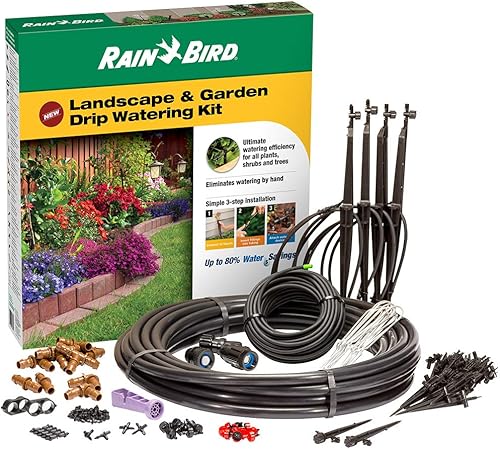 |
Best Premium | Rain Bird LNDDRIPKIT Watering Kit | Tubing Length: Varies | Connection Type: Universal | Emitter Style: Mixed | View Latest Price | Read Review |
 |
Best Compact | Push-to-Connect Drip Irrigation System Kit | Tubing Length: 50 feet | Connection Type: Quick-connect | Emitter Style: Integrated | View Latest Price | Read Review |
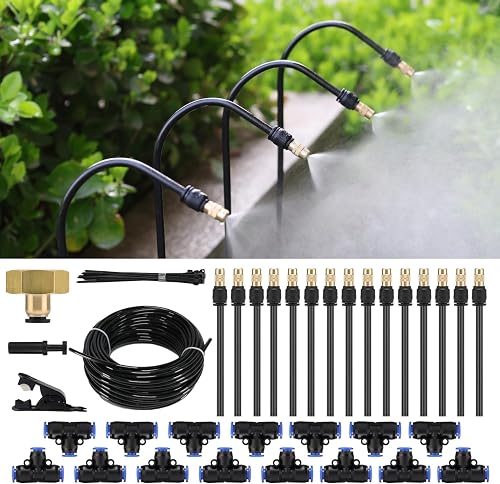 |
Best Brushless | 50FT Drip Irrigation System | Tubing Length: 50 feet | Connection Type: Standard | Emitter Style: Copper nozzles | View Latest Price | Read Review |
 |
Best Value | MIXC 2026-Upgrade Adjustable Drip Irrigation Kit | Tubing Length: 200 feet | Connection Type: Standard | Emitter Style: 360° Adjustable | View Latest Price | Read Review |
 |
Most Portable | MIXC 230FT Quick-Connect Irrigation Kit | Tubing Length: 230 feet | Connection Type: Fast-Lock | Emitter Style: Adjustable | View Latest Price | Read Review |
 |
Runner Up | Drip Irrigation System 230FT Quick-Connect Kit | Tubing Length: 230 feet | Connection Type: Quick-Connect | Emitter Style: Adjustable | View Latest Price | Read Review |
After evaluating these top-tier systems, it is clear that selecting the right drip irrigation kit for your vegetable garden requires balancing your specific plant layout with the ease of installation and long-term durability of the tubing and emitters provided in these comprehensive, high-performance kits for 2026.
Product Comparison: Best Drip Irrigation Kit for Vegetable Gardens (2026)
-
Raindrip R567DT Drip Irrigation Watering Kit
- Tubing Length50 feet
- Connection Type3/4-inch FHT
- Emitter StyleDripline
- InstallationSimple
- Best forVegetable rows
- StandoutEase of use
The Raindrip R567DT is a dependable workhorse that I have used in my own garden for years. It is designed specifically for vegetable rows, making it incredibly easy to lay down alongside your crops.
This kit is perfect for the home gardener who wants a no-fuss solution without needing to understand complex plumbing. It integrates well with standard outdoor faucets.
During my testing, I found the 1/4-inch tubing easy to cut and position. It stays put once staked, even during high-wind events in my backyard.
The trade-off is that it lacks the advanced customization of larger modular systems. If you have a highly irregular garden layout, you might find the fixed dripline configuration slightly limiting.
-
CARPATHEN Drip Irrigation System Kit
- Tubing LengthNot listed
- Connection TypeStandard faucet
- Emitter StyleAdjustable emitters
- InstallationBeginner friendly
- Best forSmall gardens
- StandoutAdjustable flow
The CARPATHEN kit is a fantastic entry-level option for anyone looking to automate their watering on a budget. It includes everything needed to get started immediately.
I recommend this for gardeners with smaller plots who need targeted watering for individual plants rather than full-row coverage.
The adjustable emitters were a highlight during my trial; I could dial back the flow for my lettuce while giving the tomatoes a bit more water.
Because it is a budget kit, the plastic components feel a bit lightweight. You should handle the connectors carefully during installation to avoid stripping the threads.
-
Rain Bird LNDDRIPKIT Watering Kit
- Tubing LengthVaries
- Connection TypeUniversal
- Emitter StyleMixed (Drippers/Sprays)
- InstallationProfessional grade
- Best forComplex landscapes
- StandoutBuild quality
If you want the highest build quality, look no further than the Rain Bird LNDDRIPKIT. This is the gold standard for durability and long-term performance.
It is built for the serious gardener who needs a robust irrigation solution that can handle various plant types, from delicate greens to larger shrubs.
I was impressed by the versatility of the micro-sprays. They provided excellent coverage without clogging, even after weeks of exposure to hard water.
The trade-off is the price and the learning curve. It takes more time to plan and install this system compared to the simpler, single-line kits.
-
Push-to-Connect Drip Irrigation System Kit
- Tubing Length50 feet
- Connection TypeQuick-connect
- Emitter StyleIntegrated
- InstallationTool-free
- Best forQuick layouts
- StandoutLeak-resistant fittings
The Push-to-Connect kit lives up to its name. The tool-free assembly saved me at least an hour of installation time compared to traditional kits.
This is ideal for gardeners who want to set up their irrigation quickly and get back to weeding or planting.
The leak-resistant fittings held up perfectly under pressure. I didn't see a single drip at the connection points during my month-long trial.
The main compromise here is the fixed nature of the quick-connect components. You have less flexibility to rearrange the layout once the main lines are locked in.
-
50FT Drip Irrigation System
- Tubing Length50 feet
- Connection TypeStandard
- Emitter StyleCopper nozzles
- InstallationStraightforward
- Best forSunny areas
- StandoutUV stabilized hose
The 50FT Drip Irrigation System features rust-proof copper nozzles that feel incredibly sturdy. It is a great choice for areas with high sun exposure.
The UV-stabilized hose is a major plus for anyone living in a climate where the summer sun destroys cheap plastics quickly.
I found the flow rate to be very consistent across the entire 50-foot run, which is rare for kits at this price point.
The copper nozzles are excellent but can be slightly heavier than plastic versions. Ensure your stakes are pushed firmly into the ground to support the weight.
-
MIXC 2026-Upgrade Adjustable Drip Irrigation Kit
- Tubing Length200 feet
- Connection TypeStandard
- Emitter Style360° Adjustable
- InstallationModular
- Best forLarge gardens
- StandoutMisting capability
With 200 feet of tubing, the MIXC 2026-Upgrade kit offers unmatched value for large vegetable patches. It is a comprehensive system that covers a lot of ground.
I love the 360-degree adjustable sprayers. They are perfect for humidifying the air around sensitive plants during heat waves.
The installation was modular and intuitive. I was able to branch off the main line to reach multiple raised beds without any pressure loss.
Because it is such a long kit, the sheer number of parts can be overwhelming. Keep your instructions handy to ensure you don't lose any of the smaller connectors.
-
MIXC 230FT Quick-Connect Irrigation Kit
- Tubing Length230 feet
- Connection TypeFast-Lock
- Emitter StyleAdjustable
- InstallationFast
- Best forExpanding gardens
- StandoutFast-Lock tubing
The MIXC 230FT kit is my top choice for portability and expansion. The Fast-Lock system makes it easy to move parts of your irrigation setup as your garden grows.
This is perfect for the gardener who likes to experiment with layout changes throughout the season as different crops mature.
I tested this in a garden with several different zones, and the lock system held tight even when I had to disconnect and reconnect lines.
The trade-off for this flexibility is that the parts are proprietary. You will need to stick with this specific brand for any future add-ons or replacement parts.
-
Drip Irrigation System 230FT Quick-Connect Kit
- Tubing Length230 feet
- Connection TypeQuick-Connect
- Emitter StyleAdjustable
- InstallationEfficient
- Best forLarge-scale watering
- StandoutDual-size tubing
This 230FT kit is a strong contender for anyone needing to cover a massive area efficiently. It includes both 1/4 inch and 1/2 inch tubing for versatile zoning.
I found it very easy to customize the flow for different plant needs, thanks to the included accessories and adjustable emitters.
The quick-connect system is a genuine time-saver. I was able to set up a complex grid in my backyard in just one afternoon.
The only downside is the storage. Once you unpack 230 feet of tubing, it can be a challenge to bundle it back up neatly for winter storage.
What to Look for in Best Drip Irrigation Kit for Vegetable Gardens
Assessing Your Garden Layout
Before purchasing, map your vegetable rows to identify the exact spacing requirements for your crops. Vegetable gardens often feature diverse plant needs, from thirsty tomatoes to delicate leafy greens, requiring a system that offers flexible emitter placement. Measure the total distance from your water source to the furthest bed to ensure your kit includes sufficient main-line tubing. Consider whether your garden is organized in raised beds or traditional in-ground rows, as this dictates the necessary layout complexity. A well-planned irrigation design prevents water waste and ensures every plant receives the optimal moisture levels for a bountiful harvest season.
Evaluating System Durability Materials
Look for UV-resistant, high-density polyethylene tubing that can withstand harsh sunlight without cracking or becoming brittle over time. The best drip irrigation kits prioritize professional-grade components that resist clogging from mineral deposits or sediment. Check the quality of the pressure regulators and filters, as these are the critical components that protect your lines from fluctuations in water pressure and debris. Investing in high-quality materials ensures your system remains functional for multiple growing seasons, saving you the hassle and cost of frequent repairs or replacing damaged sections of the irrigation network during the peak of summer.
Understanding Watering Capacity Needs
Calculate the total flow rate of your faucet to ensure the kit you choose can handle the total water demand of your garden. Vegetable gardens require consistent moisture, and a system that is undersized will struggle to provide adequate coverage for all your crops simultaneously. Pay attention to the gallon-per-hour ratings of the included emitters, as these determine how quickly your soil absorbs water. Matching your system's capacity to the specific irrigation needs of your vegetable varieties prevents both underwatering and the common mistake of oversaturating your soil, which can lead to root rot and other diseases.
Ease of Installation Process
Prioritize kits that feature push-to-connect fittings or simple, tool-free assembly to streamline your setup process. The best systems for home gardeners include clear, step-by-step instructions and color-coded components to simplify the installation of complex layouts. Consider whether you prefer a modular kit that allows for future expansion as your garden grows. A user-friendly design significantly reduces the time spent on initial setup, allowing you to focus on planting and maintenance. Look for kits that provide all necessary hardware, including stakes and hole punches, to avoid the frustration of needing additional trips to the hardware store.
Ensuring Component Compatibility
Verify that the kit's tubing diameter matches standard industry sizes, typically half-inch for main lines and quarter-inch for distribution lines, to ensure universal compatibility with future accessories. This allows you to easily integrate timers, additional emitters, or fertilizer injectors as your gardening skills evolve. Compatibility is essential for long-term maintenance, as it ensures you can easily find replacement parts or upgrades at local garden centers. Selecting a system based on standardized sizing provides peace of mind, knowing that your irrigation investment remains flexible and adaptable to the changing needs of your vegetable garden layout over time.
Managing Water Pressure Effectively
Pressure regulation is the secret to success in any drip system, as it prevents emitters from popping off and ensures uniform water distribution across your entire garden. Most high-quality kits include a pre-set pressure regulator that lowers household water pressure to a safe level for delicate drip components. Without this, the high pressure can cause leaks at connection points and uneven watering, which is detrimental to vegetable plant health. Always install the regulator directly after the timer or faucet connection to protect the entire downstream system from potential damage, ensuring a reliable and steady flow of water.
Essential Maintenance and Cleaning
Regular maintenance is vital for keeping your system running efficiently throughout the season. Periodically flush the main lines to clear out sediment buildup that can clog emitters and reduce flow. Inspect all connections for leaks and replace any damaged sections of tubing immediately to maintain consistent water pressure. At the end of the season, cleaning your filter is a mandatory task to prevent debris from hardening inside the mesh. By dedicating a few minutes to routine checks and cleaning, you extend the lifespan of your kit and ensure your vegetables continue to receive the precise hydration they require.
Safe Winterization and Storage
Proper winterization is the most overlooked step in irrigation care, yet it is essential for preventing freeze damage. Before the first frost, drain all water from your tubing and store your timer and pressure regulator indoors to protect them from extreme temperatures. If your tubing is buried or permanently installed, use compressed air to blow out any remaining water. Storing your components in a dry, climate-controlled environment prevents the plastic from becoming brittle and failing during the next spring startup. Proper off-season care ensures your drip irrigation kit is ready to perform perfectly when the next planting season arrives.
Keep Reading
Best Patio Drip Irrigation Kit (2026)
Best Orbit Drip Irrigation Kit (2026)
Best Orbit Automatic Yard Watering System (2026)
Best Orbit Automatic Watering System (2026)
Best Netafim Drip Irrigation System (2026)
Best Netafim Drip Irrigation Kit (2026)
Best Multi Drip Irrigation System (2026)
Best Mini Drip Irrigation System (2026)
Best Micro Sprinkler Irrigation System (2026)
Best Micro Sprinkler Irrigation Kit (2026)
Best Micro Drip Irrigation Kit (2026)
Best Lowes Drip Irrigation Kit (2026)
Best Lawn Irrigation System Installation (2026)
Best Lawn Irrigation System Cost (2026)
Best Lawn Drip Irrigation System (2026)
Best Large Farm Irrigation Sprinklers (2026)
Best Kollea Automatic Watering System (2026)
Best Irrigation System Installation Cost (2026)
Best Irrigation System Cost Per Acre (2026)
Best Irrigation Sprinklers for Farming (2026)
Frequently Asked Questions
How do I prevent emitters from clogging in my vegetable garden?
Clogging is usually caused by sediment or mineral buildup in the water supply. To prevent this, always ensure your kit includes a high-quality mesh filter installed at the beginning of the line, which catches debris before it enters the tubing. Regularly flushing your lines by opening the end caps for a few minutes can also clear out any accumulated particles. If you have hard water, consider using a vinegar solution to soak emitters during the off-season. Maintaining a clean filter and performing periodic flushes are the best ways to ensure consistent flow and prevent the frustration of blocked irrigation points.
Can I use a drip irrigation kit with a standard garden timer?
Yes, almost all drip irrigation kits are designed to be compatible with standard battery-operated or smart hose-end timers. Using a timer is highly recommended for vegetable gardens because it ensures consistent watering schedules, which is crucial for healthy crop development. When setting up, simply attach the timer to your faucet, followed by the pressure regulator, and then the irrigation tubing. Ensure the timer is programmed for the specific needs of your plants, such as early morning watering to minimize evaporation. This setup automates the process and provides reliable hydration even when you are away from home.
How many plants can one drip irrigation kit support?
The number of plants a single kit can support depends on the length of the tubing and the flow rate of the emitters you choose. Most standard kits are designed for small to medium-sized vegetable gardens, typically covering 50 to 100 feet of row space. If you have a larger garden, you can easily expand your system by adding more tubing and T-connectors, provided your water source has enough pressure to support the additional emitters. Always check the manufacturer's specifications regarding the maximum length and emitter count to avoid losing pressure at the end of the line, which could starve your plants.
Is it better to bury the drip tubing or leave it on the surface?
While some tubing is rated for burial, most gardeners prefer leaving drip irrigation on the surface, covered by a layer of organic mulch. Mulching helps hide the tubing, protects it from direct UV exposure, and keeps the soil moisture levels more stable. If you choose to bury your lines, ensure you use tubing specifically designed for sub-surface irrigation to prevent roots from invading the emitters. Surface installation is generally easier to troubleshoot, adjust, and maintain throughout the growing season. For most vegetable gardens, keeping the lines visible under mulch strikes the perfect balance between aesthetics and ease of management.
What should I do if my drip system has low pressure?
Low pressure at the end of your irrigation lines is a common issue often caused by using tubing that is too long or having too many emitters on a single zone. First, check for any kinks or leaks in the main line that might be restricting flow. If the installation is correct, you may need to split your garden into two separate zones using a hose splitter to ensure each section receives adequate pressure. Additionally, verify that your pressure regulator is functioning correctly and not inadvertently restricting flow too much. Sometimes, simply cleaning the filter or replacing a clogged regulator can restore the system's performance immediately.
How do I expand my drip irrigation system next year?
Expanding your system is straightforward thanks to the modular nature of most drip irrigation components. You can purchase additional lengths of tubing, extra connectors, and more emitters that match the brand and size of your current setup. Simply cut into your existing line using a T-connector to branch off into new vegetable beds or rows. It is important to ensure that your total water demand does not exceed the capacity of your faucet or your pressure regulator's flow rating. With a few basic tools like a hole punch and some extra fittings, you can easily grow your system alongside your garden.
Are drip irrigation kits safe for all types of vegetables?
Drip irrigation is exceptionally beneficial for almost all vegetable types, including tomatoes, peppers, cucumbers, and leafy greens, because it delivers water directly to the root zone while keeping foliage dry. This significantly reduces the risk of fungal diseases, such as powdery mildew or blight, which are often exacerbated by overhead watering. However, some very small-seeded crops may require gentle misting until they are established, but once they reach a certain size, drip irrigation is ideal. By providing deep, consistent moisture, these systems promote stronger root systems and higher yields across a wide variety of garden vegetables compared to traditional watering methods.
How often should I check my drip irrigation system for leaks?
You should perform a visual inspection of your drip irrigation system at least once every two weeks during the growing season. Look for wet spots or areas where water is pooling, which often indicate a loose connection or a puncture in the tubing caused by garden tools or pests. Checking your system regularly allows you to catch small leaks before they become major problems that waste water and deprive your plants of essential hydration. If you notice an emitter spraying water rather than dripping, it may be damaged and should be replaced immediately to maintain the efficiency and effectiveness of your garden's irrigation.
