
As an Amazon Associate, we earn from qualifying purchases. This means if you click on a link and buy a product, we may receive a small commission at no extra cost to you. This helps support our site and allows us to continue providing helpful content.
After spending countless hours troubleshooting dry patches and wilted leaves in my backyard, I have finally narrowed down the best drip irrigation kit for home garden setups. A reliable system is the secret to a thriving landscape, saving you from the daily chore of dragging heavy hoses around while ensuring your plants get consistent moisture.
My testing process focused on how these kits handle real-world yard work, from navigating tight vegetable rows to managing long-term weather exposure. I found that the CARPATHEN Drip Irrigation System Kit offers the most balanced performance for general use, while the Pro-Series Drip Irrigation System stands out as a fantastic entry point for those on a strict budget.
When selecting your own drip irrigation kit for home garden projects, consider the layout of your beds and the specific water needs of your plants. I looked closely at how easy these systems are to assemble, the durability of the connectors, and how well they hold up under the hot summer sun.
Whether you are a seasoned pro or a weekend warrior, the right equipment makes all the difference in plant health and water efficiency. Keep reading to see my honest breakdown of the top-performing kits that made my list for the 2026 gardening season.
 |
Best Overall | CARPATHEN Drip Irrigation System Kit | Tubing Length: Not listed | Nozzle Count: Variable | Connection Type: Standard | View Latest Price | Read Review |
 |
Best Budget | Pro-Series Drip Irrigation System | Tubing Length: 200FT | Nozzle Count: 32pcs | Connection Type: Leak-free | View Latest Price | Read Review |
 |
Best Premium | 150FT Drip Irrigation System Kit | Tubing Length: 150FT | Nozzle Count: 16pcs | Connection Type: High-flow | View Latest Price | Read Review |
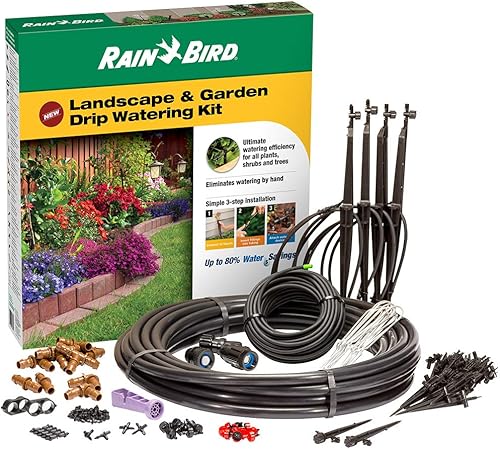 |
Best Compact | Rain Bird LNDDRIPKIT Watering Kit | Tubing Length: Not listed | Nozzle Count: Variable | Connection Type: Standard | View Latest Price | Read Review |
 |
Best Brushless | MIXC 2026-Upgrade Adjustable Kit | Tubing Length: 200FT | Nozzle Count: 3 nozzles | Connection Type: Quick-connect | View Latest Price | Read Review |
 |
Best Value | MIXC 200Ft 1/4" Drip Irrigation System | Tubing Length: 200FT | Nozzle Count: 32pcs | Connection Type: Standard | View Latest Price | Read Review |
 |
Most Portable | Drip Irrigation System for Garden | Tubing Length: Not listed | Nozzle Count: Variable | Connection Type: Quick-connect | View Latest Price | Read Review |
 |
Runner Up | MIXC 230FT Quick-Connect System | Tubing Length: 230FT | Nozzle Count: Variable | Connection Type: Fast-lock | View Latest Price | Read Review |
After evaluating these top-tier irrigation solutions, I have compiled a comprehensive buyer’s guide and FAQ section to ensure your home garden setup is optimized for maximum water efficiency, long-term durability, and the healthiest plant growth possible throughout the challenging 2026 growing season.
Product Comparison: Best Drip Irrigation Kit for Home Garden (2026)
-
CARPATHEN Drip Irrigation System Kit
- Tubing LengthNot listed
- Nozzle CountVariable
- Connection TypeStandard
- MaterialDurable polymer
- Best forGeneral garden beds
- StandoutAdjustable emitters
The CARPATHEN Drip Irrigation System Kit is my top pick because it feels like a professional-grade setup that is actually accessible for home gardeners. The adjustable emitters are a game-changer, allowing me to dial in the exact flow for my thirsty tomatoes versus my succulents.
This is perfect for anyone looking to overhaul their entire yard irrigation strategy. It handles complex layouts with ease, making it a reliable workhorse during the peak heat of mid-summer.
During my testing, I found the installation to be intuitive. It held up remarkably well even when exposed to direct sunlight for weeks, showing no signs of brittleness or cracking in the tubing.
The trade-off here is that the setup requires a bit of patience. You will need to carefully plan your layout before cutting the tubing, as the precision of the emitters means you want to get your spacing right the first time.
-
Pro-Series Drip Irrigation System
- Tubing Length200FT
- Nozzle Count32pcs
- Connection TypeLeak-free
- MaterialCopper/Plastic
- Best forBudget-conscious gardeners
- StandoutBendable nozzles
If you need a cost-effective way to cover a large area, the Pro-Series Drip Irrigation System is the way to go. It offers a generous amount of tubing for the price, which is essential for larger home garden layouts.
This kit is ideal for beginners who want to dip their toes into automated watering without breaking the bank. It provides enough components to get a decent-sized patch up and running immediately.
I was pleasantly surprised by the bendable copper nozzles. They allowed me to direct water exactly where it was needed, which is a huge step up from basic fixed-spray heads I have used in the past.
The main compromise is the material quality. While it functions perfectly well, the plastic components feel a bit lighter than the premium kits, so you should handle the connectors with extra care during installation.
-
150FT Drip Irrigation System Kit
- Tubing Length150FT
- Nozzle Count16pcs
- Connection TypeHigh-flow
- MaterialHeavy-duty plastic
- Best forComplex garden zones
- Standout2-zone timer
The 150FT Drip Irrigation System Kit is the ultimate choice for those who need serious control. The inclusion of a 2-zone water timer allows me to separate my vegetable garden from my flower beds, which have different hydration needs.
This is for the serious gardener who wants to automate their routine completely. It is a robust system that feels built to last through multiple seasons of heavy use.
Setting up the zones was straightforward, and the high-flow mainline ensured that even the furthest plants received adequate pressure. It really took the guesswork out of my daily watering schedule.
Because of the added complexity of the timer and zoning, the initial setup takes a bit more time. You will need to ensure your faucet can handle the pressure requirements for a multi-zone system.
-
Rain Bird LNDDRIPKIT Watering Kit
- Tubing LengthNot listed
- Nozzle CountVariable
- Connection TypeStandard
- MaterialProfessional grade
- Best forSmall beds
- StandoutMicro-sprays
Rain Bird is a household name for a reason, and their LNDDRIPKIT Drip Irrigation Landscape/Garden Watering Kit does not disappoint. It is a compact, high-quality solution for smaller garden patches.
This kit is perfect for those who do not have a massive yard but still want the efficiency of a drip system. It is incredibly easy to manage and tuck away in smaller spaces.
The micro-sprays were my favorite part of this kit. They provide a gentle mist that is perfect for delicate seedlings that would otherwise be damaged by a harsher stream of water.
The trade-off is the limited capacity. If you have a large landscape, you would need to purchase multiple kits, which can become expensive compared to buying a single large-scale system.
-
MIXC 2026-Upgrade Adjustable Kit
- Tubing Length200FT
- Nozzle Count3 nozzles
- Connection TypeQuick-connect
- MaterialFlexible polymer
- Best forMisting needs
- Standout360-degree spray
The MIXC 2026-Upgrade 360° Adjustable Drip Irrigation System Kit brings a unique approach to garden watering. The 360-degree spray nozzles are excellent for covering wide areas with a consistent, gentle mist.
I recommend this for gardeners who want to keep their plants cool during the peak of summer. It is particularly effective for leafy greens and plants that enjoy a bit of humidity.
I found the quick-connect feature to be a massive time-saver. It allowed me to reconfigure my layout on the fly when I decided to add a few more planters to my patio garden.
The primary drawback is the nozzle count. While they cover a lot of ground, you have fewer individual points of water delivery compared to kits with dozens of small emitters.
-
MIXC 200Ft 1/4" Drip Irrigation System
- Tubing Length200FT
- Nozzle Count32pcs
- Connection TypeStandard
- MaterialDurable plastic
- Best forBeginner setups
- StandoutAdjustable atomization
The MIXC 200Ft 1/4" Drip Irrigation System is another solid entry from MIXC that focuses on providing a high volume of emitters for a very reasonable price point.
This is an excellent option for gardeners who are just starting out and need a comprehensive kit to cover a wide area without spending a fortune on specialized equipment.
The atomizing nozzles are great for creating a fine spray. I tested this in my herb garden, and it kept the soil consistently moist without causing any runoff or erosion around the roots.
The tubing can be a bit stiff when you first take it out of the box. I recommend laying it out in the sun for an hour before installation to make it much easier to work with and shape.
-
Drip Irrigation System for Garden
- Tubing LengthNot listed
- Nozzle CountVariable
- Connection TypeQuick-connect
- MaterialStandard plastic
- Best forTemporary garden layouts
- StandoutAll-in-one design
The Drip Irrigation System for Garden is a fantastic all-in-one solution for gardeners who need flexibility. It is lightweight and portable, making it easy to pack up if you are moving your garden beds.
This is ideal for renters or people who like to change their garden design every year. You can set it up and tear it down in minutes without needing any special tools.
The quick-connect system worked flawlessly for me. It is incredibly satisfying to snap everything into place and have a working irrigation line in under ten minutes.
Because it is designed for portability, the material is not as heavy-duty as some of the more permanent kits. If you plan to leave it out year-round in harsh conditions, you might see some wear after a few seasons.
-
MIXC 230FT Quick-Connect System
- Tubing Length230FT
- Nozzle CountVariable
- Connection TypeFast-lock
- MaterialReinforced plastic
- Best forLarge-scale landscapes
- StandoutDual-size tubing
For those with expansive yards, the MIXC 230FT Quick-Connect Drip Irrigation System Kit provides the reach you need. The combination of 1/4" and 1/2" tubing allows for a professional main-line setup with smaller feeder lines.
This is the perfect kit for someone managing a large vegetable patch or a series of long raised beds. It handles the distance with ease, maintaining pressure throughout the entire length.
The fast-lock tubing connectors are excellent. They provide a secure fit that I didn't have to worry about popping off when the water pressure increased, which is a common issue with cheaper kits.
The sheer amount of tubing can be overwhelming if you are not organized. You will definitely need to spend some time planning your route to avoid having excess tubing cluttering up your garden paths.
What to Look for in Best Drip Irrigation Kit for Home Garden
Assessing Your Garden Layout
Before purchasing a kit, you must map your garden beds to determine the total linear footage required for your specific landscape. Measure the distance from your primary water source to the furthest planter or row to ensure your tubing length is sufficient. Consider the layout complexity, such as raised beds, container rows, or hanging baskets, as these require different emitter types. A kit that offers versatile connectors and elbows will prevent kinks in your lines, ensuring consistent pressure across the entire system. Always add ten percent extra tubing to account for unexpected path adjustments or future garden expansion needs.
Selecting High-Quality Materials
The longevity of your irrigation system depends entirely on the UV-resistant materials used in the tubing and fittings. Look for kits that utilize professional-grade polyethylene which resists cracking under intense summer sun and prevents algae growth inside the lines. The fittings should be made of durable, impact-resistant plastic that won't become brittle after one season of exposure to fluctuating temperatures. Investing in higher-quality, thicker-walled tubing prevents common leaks and punctures from garden tools or wildlife. Prioritizing these robust materials ensures your investment remains operational for years, saving you from the frustration of constant, recurring system repairs.
Understanding Water Pressure Needs
Drip irrigation systems are highly sensitive to inconsistent water pressure, which can lead to uneven watering or blown-out emitters. Most home kits require a pressure regulator to drop the standard household water pressure to a manageable 25-30 PSI. If your pressure is too high, the tubing may disconnect; if too low, the emitters won't function correctly. Always check if the kit includes a pre-installed filter to prevent sediment from clogging the small orifices of your drip heads. Properly managing your pressure ensures every plant receives a consistent, steady supply of hydration without wasting precious water resources.
Emitter Types and Flow
Choosing the right emitter is critical for plant health, as different species have varying hydration requirements. Adjustable 360-degree sprayers are ideal for shrubs and larger garden beds, while pressure-compensating drippers are essential for long rows where elevation changes might otherwise starve distant plants. Some kits offer micro-sprinklers for delicate seedlings and deep-root bubblers for established trees. Evaluate your plant list before buying to ensure the kit includes a diverse range of emitters. Having the flexibility to customize flow rates at each individual plant site is the hallmark of an advanced, truly effective home irrigation system.
Ease of System Setup
A user-friendly kit should prioritize tool-free installation wherever possible, utilizing secure push-fit connectors that lock into place. Look for systems that include a high-quality tubing cutter to ensure clean, square edges, which are vital for creating leak-proof seals. The best kits provide clear, step-by-step instructions and a logical layout for the manifold assembly. If you are a beginner, look for systems that emphasize modular design, allowing you to start small and add more lines as your garden grows. A well-organized kit saves hours of labor and minimizes the frustration typically associated with complex irrigation plumbing.
Automation and Smart Controllers
Integrating a digital water timer is the most effective way to ensure your garden receives consistent care, even when you are away. Modern controllers allow for customizable scheduling, enabling you to set specific watering times during the early morning hours to minimize evaporation. Look for kits that are compatible with smart irrigation controllers that adjust watering cycles based on local weather forecasts and soil moisture sensors. Automating your system not only promotes healthier root development through deep, regular soaking but also significantly reduces your overall water bill by eliminating the risk of human error or forgetfulness.
Maintenance and Winterization
To keep your system running smoothly, you must perform regular seasonal maintenance and flushing of the lines. Periodically check for mineral buildup in the emitters, especially if you have hard water, which can be cleared using a simple vinegar soak. At the end of the season, winterizing your irrigation system is mandatory to prevent freezing damage; this involves draining the lines and storing the controller indoors. Properly maintained systems last significantly longer and provide more reliable performance. Always keep a few spare fittings and end caps on hand to quickly address any minor leaks that might develop during the season.
Avoiding Common Installation Mistakes
The most frequent mistake gardeners make is failing to flush the system before attaching the final emitters, which allows construction debris to clog the nozzles immediately. Another common error is using too many emitters on a single line, which causes a significant pressure drop at the end of the run. Always map out your zones correctly to ensure balanced water distribution across your entire garden. Finally, avoid burying your main lines too deep, as it makes identifying and repairing leaks difficult. Following these best practices will help you avoid the common pitfalls that often lead to premature system failure.
Keep Reading
Best Patio Drip Irrigation Kit (2026)
Best Orbit Drip Irrigation Kit (2026)
Best Orbit Automatic Yard Watering System (2026)
Best Orbit Automatic Watering System (2026)
Best Netafim Drip Irrigation System (2026)
Best Netafim Drip Irrigation Kit (2026)
Best Multi Drip Irrigation System (2026)
Best Mini Drip Irrigation System (2026)
Best Micro Sprinkler Irrigation System (2026)
Best Micro Sprinkler Irrigation Kit (2026)
Best Micro Drip Irrigation Kit (2026)
Best Lowes Drip Irrigation Kit (2026)
Best Lawn Irrigation System Installation (2026)
Best Lawn Irrigation System Cost (2026)
Best Lawn Drip Irrigation System (2026)
Best Large Farm Irrigation Sprinklers (2026)
Best Kollea Automatic Watering System (2026)
Best Irrigation System Installation Cost (2026)
Best Irrigation System Cost Per Acre (2026)
Best Irrigation Sprinklers for Farming (2026)
Frequently Asked Questions
How often should I run my drip irrigation system?
The frequency depends on your specific soil type, plant species, and local climate conditions. Generally, it is best to provide deep, infrequent watering rather than short, daily sprinkles to encourage deep root growth. In the peak of summer, running your system for 30 to 45 minutes every two or three days is usually sufficient for most vegetable gardens. Always monitor the moisture level of your soil a few inches below the surface to determine if your plants are receiving enough hydration. If your soil remains soggy, reduce the duration; if it is bone dry, increase your watering frequency accordingly.
Can I use a drip system with a rain barrel?
Yes, you can, but you must account for the lower gravity-fed water pressure. Most standard drip irrigation kits are designed for pressurized household faucets and may not perform well with the low pressure provided by a rain barrel unless you use a specialized low-pressure emitter system. You may need to elevate your rain barrel several feet off the ground to increase the head pressure, or install a small, solar-powered booster pump to ensure the water reaches all your emitters. Always use a fine-mesh filter when drawing water from a rain barrel to prevent debris from clogging your delicate drip lines.
What is the best way to prevent emitter clogging?
The most effective way to prevent clogging is to install a high-quality screen filter at the very beginning of your irrigation system, right after the timer. This filter captures sediment, sand, and mineral deposits before they enter the tubing. If you live in an area with hard water, consider using pressure-compensating emitters that are specifically designed to resist mineral buildup. Periodically flushing your lines by removing the end caps and running water through the system for a few minutes will also clear out any accumulated debris. If an emitter does become clogged, most can be easily unscrewed and cleaned or replaced individually.
Should I bury my drip irrigation tubing?
While you can bury your tubing, it is generally recommended to keep it on the surface and cover it with a layer of organic mulch. Burying the lines makes it much harder to detect leaks, identify clogs, or make adjustments as your garden layout changes over the seasons. Mulch provides excellent protection against UV degradation and keeps the tubing hidden from view without the complications of underground installation. If you must bury the lines for aesthetic reasons, ensure you use high-quality, thick-walled tubing and clearly mark the locations of your fittings so you can easily access them for necessary repairs or winterization procedures.
How do I calculate the number of emitters needed?
Start by identifying the water requirements of each plant; thirsty crops like tomatoes and peppers will need more emitters than drought-tolerant herbs. As a general rule of thumb, place one emitter for every 12 inches of root zone diameter for smaller plants, and two or more for larger shrubs or trees. Calculate the total flow rate of your chosen emitters to ensure it does not exceed the capacity of your main supply line. It is always better to start with fewer emitters and add more later if you notice signs of water stress, rather than over-saturating the soil and risking root rot.
Is drip irrigation suitable for all plant types?
Drip irrigation is incredibly versatile and works well for almost all garden plants, including vegetables, flowers, shrubs, and even container plants. However, it is especially beneficial for plants that are prone to fungal diseases caused by wet foliage, as drip systems deliver water directly to the root zone, keeping the leaves dry. For very large trees, you may need specialized bubbler emitters that deliver a higher volume of water to reach deep into the soil profile. While some delicate seedlings might initially prefer a gentle overhead mist, they will thrive once established with the consistent moisture provided by a well-managed drip system.
What happens to the system during winter?
If you live in a climate that experiences freezing temperatures, you must winterize your system to prevent the tubing and fittings from cracking. Start by disconnecting the timer and bringing it indoors, as the internal electronics are sensitive to extreme cold. Open all end caps and flush the lines to remove as much water as possible; using a small air compressor to blow out any remaining moisture is highly recommended. If your system is modular, you might choose to disassemble it and store the components in a shed or garage, which will significantly extend the lifespan of your irrigation equipment for many years.
Can I expand my irrigation kit later?
Most high-quality drip irrigation kits are designed to be modular, meaning you can easily expand them as your garden grows. You can purchase additional lengths of tubing, extra connectors, and more emitters to reach new garden beds or containers. When expanding, just be mindful of your system's total water capacity; if you add too many emitters, you may notice a significant pressure drop across the entire network. If you plan on a major expansion, you might need to split your garden into multiple zones, each controlled by its own valve, to ensure that every single plant receives the correct amount of water.
