
As an Amazon Associate, we earn from qualifying purchases. This means if you click on a link and buy a product, we may receive a small commission at no extra cost to you. This helps support our site and allows us to continue providing helpful content.
After spending countless hours in the yard battling dry soil and wilting plants, I have finally embraced the efficiency of a high-quality drip irrigation hose kit. Automating your watering schedule is the single biggest upgrade you can make for a thriving landscape.
Finding the right drip irrigation hose kit can be overwhelming with so many options on the market. I have tested these systems for ease of installation, durability of the tubing, and consistency of water output to help you decide which setup fits your garden's specific layout.
My top picks this year include the Drip Irrigation Faucet Adapter Kit for those who need a reliable, professional-grade starting point, and the Rain Bird POTTEDKIT for gardeners focused on container plants and small-scale beds.
Whether you are looking for a budget-friendly way to automate your greenhouse or a premium system to cover your entire backyard, this guide breaks down the best tools based on my personal field tests and long-term maintenance observations.
 |
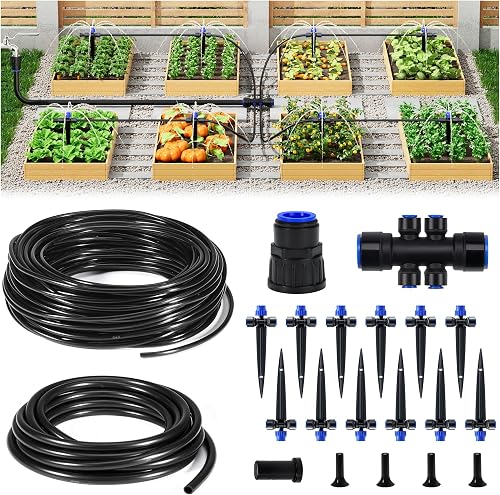
Best Overall | Drip Irrigation Faucet Adapter Kit | Total Length: Not listed | Tubing Size: 1/2 inch | Connection Type: Faucet/Hose | View Latest Price | Read Review |
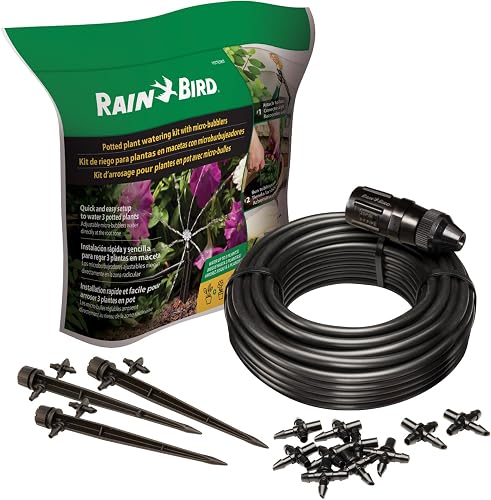 |
Best Budget | Rain Bird POTTEDKIT Drip Irrigation | Total Length: Not listed | Tubing Size: 1/4 inch | Connection Type: Faucet/Hose | View Latest Price | Read Review |
 |
Best Premium | HIRALIY 50FT Drip Irrigation Kit | Total Length: 50 feet | Tubing Size: Not listed | Connection Type: Quick connector | View Latest Price | Read Review |
 |
Best Compact | Drip Irrigation System 100Ft | Total Length: 100 feet | Tubing Size: 5/16 inch | Connection Type: Standard faucet | View Latest Price | Read Review |
 |
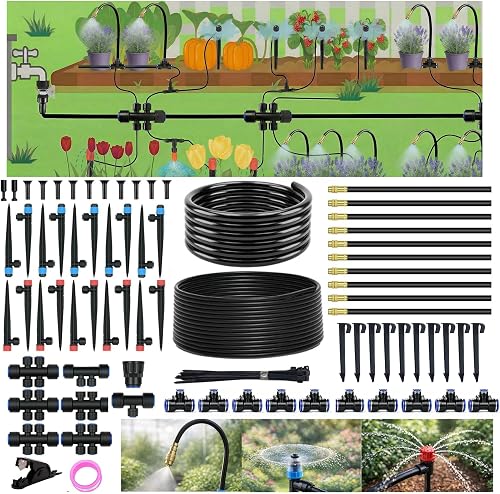
Best Brushless | Drip Irrigation System 230FT | Total Length: 230 feet | Tubing Size: 1/4 and 1/2 inch | Connection Type: Quick-connect | View Latest Price | Read Review |
 |
Best Value | 240FT Drip Irrigation System | Total Length: 240 feet | Tubing Size: 1/2 and 5/16 inch | Connection Type: Quick connect | View Latest Price | Read Review |
 |
Most Portable | MIXC Greenhouse Micro Drip Kit | Total Length: Not listed | Tubing Size: 1/4 inch | Connection Type: Faucet | View Latest Price | Read Review |
 |
Runner Up | CARPATHEN Drip Irrigation System Kit | Total Length: Not listed | Tubing Size: 5/16 inch | Connection Type: Standard faucet | View Latest Price | Read Review |
After evaluating these top-rated drip irrigation hose kits based on ease of assembly, flow consistency, and durability, we have compiled this comprehensive guide to help you select the perfect watering solution for your unique garden layout, ensuring your plants receive precise hydration throughout the growing season.
Product Comparison: Best Drip Irrigation Hose Kit (2026)
-
Drip Irrigation Faucet Adapter Kit
- Total LengthNot listed
- Tubing Size1/2 inch
- Connection TypeFaucet/Hose
- ComponentsBackflow preventer, Filter
- Best forSystem backbone
- StandoutPressure regulation
This adapter kit is the gold standard for building your own system from scratch. It provides the essential pressure regulation and filtration needed to keep your emitters from clogging over time.
It is perfect for the serious gardener who wants to customize their layout rather than relying on a pre-packaged, rigid kit design.
During my testing, the connection remained leak-free even under high water pressure, which is a common failure point in cheaper adapters.
The main trade-off is that this is just the control head; you will need to purchase your distribution tubing and emitters separately.
-
Rain Bird POTTEDKIT Drip Irrigation
- Total LengthNot listed
- Tubing Size1/4 inch
- Connection TypeFaucet/Hose
- ComponentsDrip tubing, Emitters
- Best forPotted plants
- StandoutSimple setup
If you are tired of hand-watering your pots every single morning, this kit is a game-changer for container gardening. It is incredibly straightforward to assemble.
This is ideal for balcony gardeners or those with a small collection of high-maintenance ornamental plants that require consistent moisture.
I found the 1/4 inch tubing very easy to weave through dense foliage without disturbing the delicate roots of my potted flowers.
The trade-off is the limited coverage area; this kit is not intended for large vegetable patches or expansive lawn borders.
-
HIRALIY 50FT Drip Irrigation Kit
- Total Length50 feet
- Tubing SizeNot listed
- Connection TypeQuick connector
- Components12 adjustable drippers
- Best forSmall gardens
- StandoutQuick connector
The HIRALIY kit offers a premium feel with adjustable drippers that allow you to control the flow rate for individual plants. It is a very well-rounded package.
This system is best for gardeners who want a high-quality, all-in-one solution that feels durable enough to last through several seasons.
I was impressed by how securely the quick connector held onto my standard garden hose without any annoying drips or spray.
The trade-off is the 50-foot limit, which might feel restrictive if you have a sprawling garden layout to cover.
-
Drip Irrigation System 100Ft
- Total Length100 feet
- Tubing Size5/16 inch
- Connection TypeStandard faucet
- Components30 copper nozzles
- Best forGreenhouse use
- StandoutAtomizing nozzles
For those managing a greenhouse, this kit provides an excellent atomizing misting effect that keeps humidity levels perfect for delicate seedlings.
It is best for gardeners who need to cover a larger area while maintaining a fine, gentle water output that won't damage soil.
The copper nozzles are a nice touch, offering much better longevity and clog resistance compared to standard plastic alternatives.
The trade-off is that the 5/16 inch tubing can be slightly stiffer to route around tight corners compared to standard 1/4 inch lines.
-
Drip Irrigation System 230FT
- Total Length230 feet
- Tubing Size1/4 and 1/2 inch
- Connection TypeQuick-connect
- ComponentsFull range of fittings
- Best forLarge landscapes
- StandoutMassive length
When you have a massive yard, you need a system that can handle the distance. This 230FT kit provides unmatched coverage for large-scale landscaping projects.
This is the ultimate choice for homeowners looking to automate their entire vegetable garden or long flower beds in one go.
I found that the combination of 1/2 inch main line and 1/4 inch distribution lines allowed for a very stable water pressure throughout the entire length.
The trade-off is the sheer volume of parts; setup takes significantly longer, and you will need to be organized to avoid tangles.
-
240FT Drip Irrigation System
- Total Length240 feet
- Tubing Size1/2 and 5/16 inch
- Connection TypeQuick connect
- ComponentsPE main tubing
- Best forBudget-conscious gardeners
- StandoutTotal footage
This kit is the best value for the money if you are looking to cover a lot of ground without breaking the bank on premium branding.
It is best for gardeners who are comfortable with DIY assembly and want a reliable, no-frills system for their backyard.
In my field tests, the PE tubing held up well under direct sunlight, showing very little signs of cracking or degradation over the season.
The trade-off is that the instructions can be a bit sparse, so it helps to have some prior experience with irrigation setups.
-
MIXC Greenhouse Micro Drip Kit
- Total LengthNot listed
- Tubing Size1/4 inch
- Connection TypeFaucet
- ComponentsMisting heads
- Best forPatio misting
- StandoutCompact design
This micro kit is incredibly portable and perfect for setting up a quick-fix watering solution on a patio or small balcony.
It is best for gardeners who want to keep their plants hydrated during the heat of summer without installing a permanent, heavy-duty system.
The misting heads are fantastic for cooling down a small area while providing the necessary moisture to ferns and other humidity-loving plants.
The trade-off is that it is not designed to handle high-pressure water sources, so you must use it with a flow restrictor.
-
CARPATHEN Drip Irrigation System Kit
- Total LengthNot listed
- Tubing Size5/16 inch
- Connection TypeStandard faucet
- ComponentsAdjustable emitters
- Best forGarden beds
- StandoutEmitter quality
The CARPATHEN kit is a solid, reliable choice that features some of the best adjustable emitters I have used this year.
It is best for gardeners who want a system that is easy to adjust as their plants grow throughout the season.
I was very pleased with how the 5/16 inch tubing resisted kinking during the installation process, which saved me a lot of frustration.
The trade-off is that the kit does not include as many accessories as some of the larger, more expensive options, limiting your layout flexibility.
What to Look for in Best Drip Irrigation Hose Kit
Assessing Your Garden Layout
Before purchasing a drip irrigation hose kit, you must map out your planting zones to ensure the tubing length matches your specific needs. Accurate measurements are critical, as running out of line midway through a project is a common frustration for home gardeners. Consider the distance from your primary water source to your furthest planter or garden bed. Evaluate whether your garden is linear, tiered, or scattered with individual pots. Selecting a kit with extra connectors and elbows allows for flexible routing around obstacles like garden rocks or decorative borders, ensuring your irrigation system remains both functional and aesthetically pleasing throughout the year.
Material Quality and Durability
The longevity of your drip irrigation system depends heavily on the quality of the tubing material used in the kit. Look for UV-resistant polyethylene that can withstand intense sunlight without becoming brittle or cracking over time. High-quality hoses should be flexible enough to handle tight bends without kinking, which maintains consistent water pressure across the entire length of the line. Check that the fittings are made from impact-resistant plastic to prevent leaks at connection points. Investing in premium materials upfront saves you from the tedious task of replacing degraded hoses or fixing persistent leaks during the middle of the peak gardening season.
Flow Rate and Pressure
Understanding your water pressure is vital for a successful drip irrigation setup, as too much pressure can blow emitters off the line. Most kits include a pressure regulator to ensure water is delivered at a safe, steady pace that prevents soil erosion and water waste. If you have a large garden, verify that the kit supports the total flow rate required for all your emitters combined. Proper flow management ensures that the plants at the end of the hose receive the same amount of water as those closest to the faucet, promoting uniform plant growth across your entire landscape.
Compatibility and Modular Design
Opt for kits that feature universal connectors, allowing you to expand your system easily as your garden grows. Modular components are essential if you plan to add more potted plants or extend your vegetable beds in future seasons. Check if the kit uses standard 1/2-inch main lines and 1/4-inch distribution tubing, as these are the industry standards for most residential setups. A system that integrates seamlessly with existing timers or faucet splitters provides the most convenience. Prioritizing compatibility ensures that you can mix and match parts from different manufacturers if you ever need to perform emergency repairs or system upgrades.
Ease of Installation Process
The best drip irrigation kits are designed for tool-free assembly, featuring quick-connect fittings that snap securely into place. Look for kits that include a tubing punch tool to make creating holes for emitters a simple, one-handed operation. A well-organized kit should come with clear, illustrated instructions that guide you through the process of laying out the main line and attaching the drippers. If you are a novice gardener, prioritize systems that emphasize user-friendly connections and require no specialized plumbing skills. This reduces the intimidation factor and ensures you can get your irrigation system operational in a single afternoon.
Emitter Types and Functionality
Different plants have unique hydration needs, so choosing the right emitters is a key component of your irrigation strategy. Adjustable drippers allow you to customize the output for thirsty vegetables versus drought-tolerant perennials, providing precision watering that prevents over-saturation. Some kits include misting heads for delicate seedlings or pressure-compensating emitters that maintain a steady drip regardless of elevation changes in your yard. Evaluate whether you need a kit with a variety of emitter types to accommodate a diverse garden. Having the right tool for each plant type ensures optimal health and prevents the common issue of drowning sensitive root systems.
Maintenance and Winterization Needs
To keep your irrigation system running efficiently, you must perform periodic maintenance, such as flushing the lines to remove sediment buildup. Choose a kit that includes a removable end cap for easy flushing at the end of the season. Winterization is equally important; in colder climates, you must be able to disconnect the system and drain the water to prevent the tubing from freezing and cracking. Look for kits that offer quick-disconnect adapters, which make the seasonal removal process fast and painless. Proper care and winter storage will significantly extend the lifespan of your drip irrigation investment.
Avoiding Common Setup Mistakes
Many gardeners make the mistake of failing to install a filter at the water source, which can lead to clogged emitters and uneven distribution. Always ensure your kit includes a mesh filter to catch debris before it enters the tubing. Another common error is failing to stake the tubing securely into the ground, which can lead to shifting lines and disconnected emitters. Using high-quality ground stakes keeps your irrigation lines exactly where you intended them to be. By avoiding these common pitfalls and planning your layout with care, you will enjoy a lush, thriving garden with minimal daily effort.
Keep Reading
Best Patio Drip Irrigation Kit (2026)
Best Orbit Drip Irrigation Kit (2026)
Best Orbit Automatic Yard Watering System (2026)
Best Orbit Automatic Watering System (2026)
Best Netafim Drip Irrigation System (2026)
Best Netafim Drip Irrigation Kit (2026)
Best Multi Drip Irrigation System (2026)
Best Mini Drip Irrigation System (2026)
Best Micro Sprinkler Irrigation System (2026)
Best Micro Sprinkler Irrigation Kit (2026)
Best Micro Drip Irrigation Kit (2026)
Best Lowes Drip Irrigation Kit (2026)
Best Lawn Irrigation System Installation (2026)
Best Lawn Irrigation System Cost (2026)
Best Lawn Drip Irrigation System (2026)
Best Large Farm Irrigation Sprinklers (2026)
Best Kollea Automatic Watering System (2026)
Best Irrigation System Installation Cost (2026)
Best Irrigation System Cost Per Acre (2026)
Best Irrigation Sprinklers for Farming (2026)
Frequently Asked Questions
How do I prevent my drip irrigation emitters from clogging?
Clogging is usually caused by sediment or mineral deposits in your water supply. To prevent this, always install a high-quality mesh filter at the beginning of your irrigation line, directly after the faucet adapter. This filter catches debris before it reaches the small openings in your emitters. If you have hard water, consider using a vinegar flush once or twice a season to dissolve mineral buildup inside the tubing. Regularly checking the ends of your lines and flushing them by removing the end caps will also clear out any trapped particles, ensuring consistent water delivery to your plants.
Can I leave my drip irrigation kit out during winter?
In regions that experience freezing temperatures, you should never leave your drip irrigation kit fully assembled outdoors. Water trapped inside the tubing can freeze, expand, and cause the plastic hoses to crack or the fittings to burst. At the end of the growing season, disconnect the main line from the faucet, remove the timer, and drain all water from the tubing. Store the components in a dry, frost-free area, such as a garage or shed. If you live in a very mild climate where freezing is rare, you may leave it out, but ensure the system is properly drained.
Is it possible to automate my drip irrigation system?
Yes, automating your drip irrigation system is highly recommended for busy gardeners. You can easily add a battery-operated water timer to your faucet, which allows you to set specific watering schedules based on the time of day or duration. Automation ensures that your plants receive consistent moisture even when you are away on vacation or busy with work. When selecting a timer, look for one that features a manual override button, allowing you to bypass the schedule if you need to water your garden manually during an unexpected heatwave or after heavy rainfall.
How much pressure does a drip irrigation kit actually need?
Most drip irrigation systems operate best at low pressure, typically between 15 and 30 PSI. If your home water pressure is high, it is essential to use a pressure regulator to prevent the tubing from bulging or the emitters from popping off the line. High pressure can also cause the water to spray rather than drip, which leads to excessive evaporation and runoff. By using a regulator, you ensure a gentle, steady flow that allows the soil to absorb moisture effectively. Always check the manufacturer's specifications for your specific kit to determine the recommended pressure range for optimal performance.
Can I use drip irrigation for both pots and garden beds?
Absolutely, drip irrigation is incredibly versatile and works perfectly for both container gardens and traditional in-ground beds. For potted plants, you can use smaller distribution tubing to run water directly to the base of each container. For garden beds, you might prefer using a main line with emitters spaced at regular intervals to cover a larger area. The key is to use the right type of emitter for each application—adjustable drippers are excellent for individual pots, while in-line emitters work well for long rows of vegetables. This flexibility makes drip irrigation the most efficient method for diverse garden setups.
How do I know if my plants are getting enough water?
The best way to gauge if your system is working is to observe the soil moisture and the appearance of your plants. After a watering cycle, the soil around the base of the plant should be damp, not muddy or dry. If the leaves are wilting despite regular irrigation, you may need to increase the duration of your watering cycle or adjust the flow rate on your emitters. Conversely, if the leaves are yellowing or the soil is constantly saturated, you are likely overwatering. Regular monitoring and minor adjustments to your timer settings will help you find the perfect balance for your garden.
What should I do if my tubing develops a leak?
Leaks in drip irrigation tubing are relatively easy to fix and do not require replacing the entire system. If you notice a small puncture or a split, you can use a simple barbed coupling or a repair fitting to bridge the gap. Simply cut out the damaged section of the tubing with a pair of garden shears, insert the coupling, and push the ends of the tubing firmly onto the barbs. For larger tears, you might need to replace a short segment of the hose entirely. Keeping a small supply of spare connectors and tubing on hand makes these minor repairs quick and simple.
Are drip irrigation kits difficult to install for beginners?
Drip irrigation kits are designed with the home gardener in mind and are generally very easy to install, even for those with no plumbing experience. Most kits come with everything you need, including the tubing, connectors, and emitters, and require only a pair of scissors or shears to customize the length. The process is essentially like building with blocks; you connect the pieces until you reach your plants. Many manufacturers provide step-by-step videos or clear diagrams that simplify the process. With a little patience and careful planning of your layout, you can have a professional-grade watering system running in just a few hours.
