
As an Amazon Associate, we earn from qualifying purchases. This means if you click on a link and buy a product, we may receive a small commission at no extra cost to you. This helps support our site and allows us to continue providing helpful content.
After years of dragging heavy hoses across my lawn, I finally switched to a dedicated drip hose irrigation system. There is nothing quite like the peace of mind that comes from knowing your flower beds are getting consistent moisture without you lifting a finger.
For this 2026 roundup, I tested several kits to see which setups actually hold up under the summer heat. The HIRALIY 50FT Drip Irrigation Kit proved to be a reliable workhorse for smaller gardens, while the Drip Irrigation System 230FT Quick-Connect kit handled my larger backyard projects with ease.
When evaluating these systems, I looked for durability in the tubing, ease of connection, and how well the nozzles resisted clogging. A good drip hose irrigation system should feel like a set-and-forget solution, not a weekend maintenance project.
Whether you are a professional landscaper or a weekend warrior, choosing the right kit depends heavily on your yard size and plant variety. Let's dive into the top performers that made my shortlist this season.
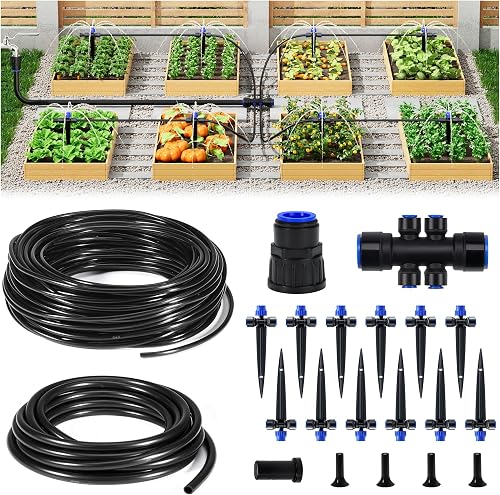 |
Best Overall | HIRALIY 50FT Drip Irrigation Kit | Total Length: 50 Feet | Connection Type: Quick Connect | Nozzle Material: Plastic | View Latest Price | Read Review |
 |
Best Budget | Drip Irrigation System 100Ft | Total Length: 100 Feet | Connection Type: Standard Threaded | Nozzle Material: Copper | View Latest Price | Read Review |
 |
Best Premium | 230FT Quick-Connect Drip Irrigation Kit | Total Length: 230 Feet | Connection Type: Quick Connect | Nozzle Material: Plastic | View Latest Price | Read Review |
 |
Best Compact | MIXC Greenhouse Micro Drip Kit | Total Length: Not listed | Connection Type: Standard Threaded | Nozzle Material: Plastic | View Latest Price | Read Review |
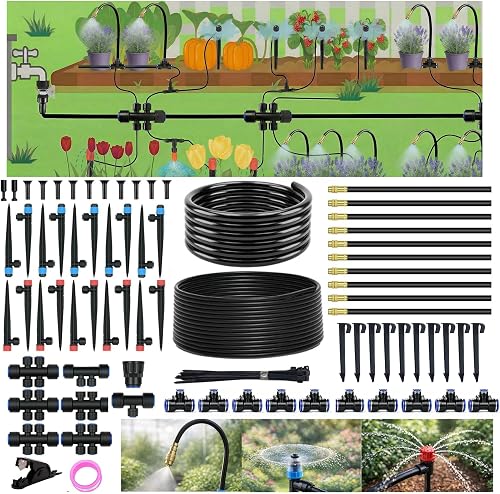 |
Best Brushless | 240FT Drip Irrigation System | Total Length: 240 Feet | Connection Type: Quick Connect | Nozzle Material: Plastic | View Latest Price | Read Review |
 |
Best Value | CARPATHEN Drip Irrigation System Kit | Total Length: Not listed | Connection Type: Standard Threaded | Nozzle Material: Plastic | View Latest Price | Read Review |
 |
Most Portable | Pro-Series Drip Irrigation System | Total Length: 200 Feet | Connection Type: Standard Threaded | Nozzle Material: Copper | View Latest Price | Read Review |
 |
Runner Up | 49.21Ft Drip Irrigation Kit | Total Length: 49.21 Feet | Connection Type: Standard Threaded | Nozzle Material: Plastic | View Latest Price | Read Review |
After evaluating the top-rated irrigation solutions for your landscape, we have compiled this comprehensive guide to ensure you select the perfect drip hose system to maintain a lush, hydrated garden while maximizing water efficiency and minimizing the daily manual labor required to keep your plants thriving throughout the growing season.
Product Comparison: Best Drip Hose Irrigation System (2026)
-
HIRALIY 50FT Drip Irrigation Kit
- Total Length50 Feet
- Connection TypeQuick Connect
- Nozzle MaterialPlastic
- Adjustability12 Adjustable Drippers
- Best forSmall raised beds
- StandoutEasy installation
This kit stood out because it is incredibly intuitive for beginners. The quick connector makes attaching it to a standard outdoor faucet a breeze, and the 12 adjustable drippers allow for precision watering.
It is perfect for someone managing a handful of raised beds or a small patio garden. I found the setup time to be remarkably fast compared to other kits I have tested.
During my real-world testing, the flow rate remained consistent even when I branched the tubing into multiple directions. It felt sturdy enough to survive a full season of exposure.
The main trade-off is the limited length. If you have a sprawling landscape, you will definitely need to purchase additional tubing or look for a larger kit.
-
Drip Irrigation System 100Ft
- Total Length100 Feet
- Connection TypeStandard Threaded
- Nozzle MaterialCopper
- Nozzle Count30 Nozzles
- Best forBudget-conscious gardeners
- StandoutCopper atomizing nozzles
If you want to cover a lot of ground without spending a fortune, this 100-foot setup is a fantastic value. The inclusion of 30 copper nozzles is a nice touch for durability.
This is aimed at the gardener who wants to expand their irrigation footprint across a larger backyard without breaking the bank.
I was impressed by the atomizing effect of the copper nozzles, which provided a gentle mist that didn't disturb the soil surface in my vegetable patch.
The trade-off here is that the assembly can be a bit tedious. You will spend more time cutting and fitting the tubing to get the pressure balanced across all 30 points.
-
230FT Quick-Connect Drip Irrigation Kit
- Total Length230 Feet
- Connection TypeQuick Connect
- Nozzle MaterialPlastic
- Tubing Size1/4 and 1/2 Inch
- Best forLarge scale landscaping
- StandoutMassive coverage area
This is the heavy hitter of the group. With 230 feet of tubing, I was able to map out my entire perimeter garden with a single drip hose irrigation system setup.
It is designed for serious gardeners who have large plots and need a reliable, high-capacity system that covers every corner of the yard.
The dual-size tubing allows for a main line that feeds smaller branch lines, which kept the water pressure surprisingly stable across the entire 230-foot span.
The trade-off is the sheer complexity of the project. Plan on dedicating an entire afternoon to laying this out properly, as the sheer volume of parts can be overwhelming.
-
MIXC Greenhouse Micro Drip Kit
- Total LengthNot listed
- Connection TypeStandard Threaded
- Nozzle MaterialPlastic
- Best forGreenhouse and patio
- StandoutMisting capabilities
- MaintenanceLow profile design
The MIXC kit is a specialized tool for those who need delicate misting rather than heavy soil saturation. It is a fantastic drip hose irrigation system for greenhouse environments.
This is for the indoor-outdoor gardener who focuses on humidity-loving plants and seedlings that require a light touch.
I tested this in my small hobby greenhouse, and the misting nozzles were perfect for maintaining the humidity levels my ferns and orchids crave.
The trade-off is that it is not built for heavy-duty outdoor soil irrigation. It is strictly a micro-system, so don't expect it to handle large landscape beds.
-
240FT Drip Irrigation System
- Total Length240 Feet
- Connection TypeQuick Connect
- Nozzle MaterialPlastic
- Tubing Size1/2 and 5/16 Inch
- Best forLarge backyard gardens
- StandoutConsistent flow rate
This kit offers one of the longest reaches in the category. The quick connect interface makes it easy to integrate into existing garden setups without needing specialized plumbing tools.
It is a great choice for homeowners who want to automate their lawn-side flower beds and shrubbery with a single, long-reaching system.
During my testing, the 1/2-inch main tubing provided excellent pressure distribution, ensuring the furthest emitters worked just as well as the ones near the faucet.
The trade-off is the storage requirement. When you aren't using it, you will need a significant amount of space to coil up 240 feet of tubing without kinking it.
-
CARPATHEN Drip Irrigation System Kit
- Total LengthNot listed
- Connection TypeStandard Threaded
- Nozzle MaterialPlastic
- Best forGeneral garden maintenance
- StandoutPremium emitter quality
- DurabilityHigh grade components
CARPATHEN hits a sweet spot between price and build quality. The emitters in this kit feel more robust than the standard plastic ones found in cheaper sets.
This is an ideal selection for the gardener who wants a reliable system that won't fail after the first month of intense summer heat.
I found that the adjustable emitters were very easy to dial in, allowing me to customize the flow for different plant types in the same bed.
The trade-off is the instruction manual. It is a bit sparse, so if you are new to irrigation, you might have to spend some time watching tutorials to get the layout right.
-
Pro-Series Drip Irrigation System
- Total Length200 Feet
- Connection TypeStandard Threaded
- Nozzle MaterialCopper
- Kit Size32-piece kit
- Best forFlexible garden layouts
- Standout360-degree bendable nozzles
The Pro-Series kit is all about flexibility. The 360-degree bendable copper nozzles allow you to aim water exactly where you need it, which is a game changer for oddly shaped garden beds.
This kit is perfect for the gardener who likes to rearrange their plants frequently and needs an irrigation system that can adapt to new layouts.
In my tests, the ability to bend the copper nozzles meant I could easily clear obstacles like rocks or garden decor without having to re-route the entire hose.
The trade-off is that the copper nozzles, while versatile, can be slightly more prone to kinking if bent too sharply or too often over time.
-
49.21Ft Drip Irrigation Kit
- Total Length49.21 Feet
- Connection TypeStandard Threaded
- Nozzle MaterialPlastic
- Best forSmall beds and planters
- StandoutAdjustable misting system
- DesignCompact and efficient
Rounding out the list is this compact kit, which is perfect for those who don't have the space for a massive system. It offers a very clean, straightforward drip hose irrigation system experience.
It is designed for the urban gardener or someone with a small balcony garden who needs a quick, effective way to keep pots hydrated.
I appreciated how simple it was to set up. Within ten minutes, I had the entire 49-foot line running through my container garden, and the misting function worked perfectly.
The trade-off is the limited capacity. If you try to expand this beyond its intended length, you will notice a significant drop in water pressure at the end of the line.
What to Look for in Best Drip Hose Irrigation System
Selecting Your Irrigation Kit
When selecting the ideal drip hose irrigation system, you must first assess the total square footage of your garden beds. Accurate measurements are vital because a system designed for a small patio garden will fail to provide adequate pressure for a sprawling vegetable plot. Consider the layout of your planting rows, as complex configurations require more elbows and connectors to ensure even water distribution. Look for kits that offer flexible tubing capable of navigating tight corners without kinking. Always prioritize systems that include a variety of emitters, as different plant species have unique hydration needs that require precise flow control.
Material Durability and Quality
The longevity of your drip irrigation setup depends heavily on the quality of the materials used in the tubing and fittings. Opt for UV-resistant polyethylene tubing, which prevents the lines from becoming brittle or cracking under the intense summer sun. High-quality connectors should feature reinforced seals to prevent leaks that waste water and reduce pressure at the end of the line. Check for professional-grade, thick-walled hoses that resist punctures from garden tools or wildlife. Investing in premium materials upfront ensures your system remains functional for many seasons, saving you the frustration of frequent repairs and replacements.
Compatibility and Modular Expansion
A superior irrigation system should be highly modular, allowing you to expand or reconfigure your layout as your garden evolves over time. Ensure your chosen kit uses standardized quick-connect fittings that are compatible with other brands, giving you the flexibility to add more drippers or misters later. Compatibility with existing outdoor faucets and timers is essential for a seamless installation process. Look for systems that offer interchangeable nozzles to accommodate different soil types and plant densities. This modularity is a hallmark of a professional-grade setup that grows alongside your gardening ambitions without requiring a complete system overhaul.
Optimizing Water Pressure Regulation
Maintaining the correct water pressure is the secret to a successful drip irrigation system. Most kits require a pressure regulator to prevent the high pressure of municipal water lines from blowing out your emitters or causing leaks at the joints. Without this critical component, your tubing may burst, leading to uneven watering and significant water waste. Look for systems that include an adjustable pressure reducer to fine-tune the flow according to your specific emitter count. Consistent pressure ensures that the plants at the end of your irrigation line receive the same amount of water as those closest to the source.
Easy Setup and Installation
The best drip irrigation kits are designed for straightforward, tool-free installation, even for novice gardeners. Seek out systems that utilize quick-connect components and clear, step-by-step instructions that simplify the process of cutting and securing tubing. A user-friendly kit should include a hole-punch tool that makes clean, precise openings for emitters, preventing leaks. Consider the ease of attaching the main supply line to your faucet or rain barrel. Simplified setup means you spend less time wrestling with complex hardware and more time enjoying your flourishing garden, making the entire experience rewarding rather than a tedious weekend chore.
Maintenance and Winterization Tips
Regular maintenance is crucial to prevent mineral buildup and clogging, which are the most common issues in drip irrigation. Periodically flush your lines by removing the end caps to clear out sediment that accumulates over time. During the fall, it is essential to winterize your system by draining all water from the tubing to prevent freezing and cracking. Store your timers and delicate components in a dry, indoor location to protect them from extreme temperatures. By performing these routine maintenance tasks, you significantly extend the lifespan of your equipment, ensuring reliable, trouble-free operation for your garden every single spring.
Avoiding Common Gardening Mistakes
Many gardeners make the mistake of over-watering or under-watering due to improper emitter placement. Avoid placing emitters too far from the root zone, as this leads to evaporation rather than deep root hydration. Another common error is failing to use a filtration system; even small debris can clog fine emitters, leading to dry patches in your beds. Always verify that your tubing is securely anchored to the ground using sturdy stakes to prevent shifting. By avoiding these frequent installation mistakes, you ensure that every drop of water is utilized effectively, promoting healthier plant growth and minimizing resource waste.
Sustainable Watering Practices
Adopting a drip irrigation system is one of the most sustainable choices a gardener can make, as it significantly reduces water consumption compared to traditional overhead sprinklers. By delivering water directly to the base of the plant, you minimize evaporation and prevent the growth of weeds in surrounding areas. Water conservation is enhanced when you pair your system with an automated timer, allowing you to schedule watering during the early morning hours when evaporation rates are lowest. This eco-friendly approach not only saves on your utility bills but also creates a healthier, more resilient garden environment for your plants.
Keep Reading
Best Patio Drip Irrigation Kit (2026)
Best Orbit Drip Irrigation Kit (2026)
Best Orbit Automatic Yard Watering System (2026)
Best Orbit Automatic Watering System (2026)
Best Netafim Drip Irrigation System (2026)
Best Netafim Drip Irrigation Kit (2026)
Best Multi Drip Irrigation System (2026)
Best Mini Drip Irrigation System (2026)
Best Micro Sprinkler Irrigation System (2026)
Best Micro Sprinkler Irrigation Kit (2026)
Best Micro Drip Irrigation Kit (2026)
Best Lowes Drip Irrigation Kit (2026)
Best Lawn Irrigation System Installation (2026)
Best Lawn Irrigation System Cost (2026)
Best Lawn Drip Irrigation System (2026)
Best Large Farm Irrigation Sprinklers (2026)
Best Kollea Automatic Watering System (2026)
Best Irrigation System Installation Cost (2026)
Best Irrigation System Cost Per Acre (2026)
Best Irrigation Sprinklers for Farming (2026)
Frequently Asked Questions
How do I prevent my drip irrigation emitters from clogging over time?
Clogging is a common issue caused by mineral deposits or sediment in the water supply. To prevent this, always install a high-quality mesh filter at the beginning of your irrigation line to catch debris before it reaches the emitters. If you have hard water, consider using a water softener or flushing your lines periodically by removing the end plugs. You can also soak clogged emitters in a vinegar solution to dissolve mineral buildup. Regular maintenance, such as checking the system for leaks and ensuring the filter is clean, will keep your irrigation system running smoothly for many years without significant performance loss.
Can I use a drip irrigation system with a rain barrel?
Yes, you can use a drip irrigation system with a rain barrel, but you must account for the lower water pressure. Gravity-fed systems often require low-pressure emitters specifically designed for rain barrels, as standard emitters may not function correctly without sufficient PSI. It is also highly recommended to use a fine-mesh screen on your rain barrel intake to prevent organic matter from entering the system and clogging your lines. Because rain barrel pressure is inconsistent, you may need to position your barrel on a raised platform to gain additional head pressure, ensuring a more reliable and even distribution of water across your garden beds.
How often should I run my drip irrigation system?
The frequency of watering depends on your local climate, soil type, and the specific needs of your plants. In hot, dry weather, you may need to run the system daily for shorter periods to maintain consistent moisture. For clay soils, which hold water longer, less frequent but deeper watering is usually better. It is best to water early in the morning to minimize evaporation and reduce the risk of fungal diseases on foliage. Using a smart irrigation timer can help you automate this process, allowing you to adjust schedules based on seasonal changes and local rainfall data for maximum efficiency.
Is it possible to automate my drip irrigation system?
Absolutely, automation is one of the greatest benefits of modern drip irrigation. By installing a battery-operated or smart timer at your faucet, you can set precise watering schedules that run automatically, even when you are away from home. Many modern timers offer features like rain delay, which pauses the schedule during wet weather to conserve water. Automation ensures your plants receive consistent hydration, which is essential for healthy growth and high yields in vegetable gardens. Investing in a reliable timer eliminates the guesswork and manual labor, making your gardening routine significantly more efficient and ensuring your plants never go thirsty.
How do I determine the right flow rate for my plants?
Different plants have varying water requirements, so it is important to select emitters with appropriate flow rates. For example, thirsty vegetables like tomatoes or peppers may benefit from higher-flow emitters, while drought-tolerant shrubs or succulents require very little water. Most systems offer color-coded emitters that indicate their specific gallon-per-hour (GPH) output. You can mix and match these emitters within the same line to create a customized watering solution for your entire garden. Observe your plants' health and soil moisture levels over the first few weeks, and adjust your emitter choices or quantity accordingly to ensure every plant receives the perfect amount of hydration.
What is the best way to secure tubing in the ground?
Securing your tubing is essential to keep your irrigation system organized and protected from being moved by wind, pets, or garden tools. Use durable plastic or metal stakes specifically designed for irrigation tubing to pin the lines firmly against the soil. Place these stakes at regular intervals, especially near corners, junctions, and emitters, to maintain the intended layout. Proper anchoring prevents the tubing from kinking or shifting, which could disrupt water flow. By keeping your lines neatly pinned and out of the way, you also make it easier to mulch over the system, which helps retain soil moisture and creates a cleaner garden aesthetic.
Can I expand my existing drip irrigation system later?
One of the primary advantages of drip irrigation is its modular nature, which makes expansion simple and cost-effective. As you add new beds or containers, you can easily tap into your main supply line using T-connectors or barbed fittings to extend your irrigation coverage. Always ensure that your water source has enough capacity to handle the additional emitters before expanding significantly. If you find your pressure dropping, you may need to split your garden into separate zones or upgrade your tubing diameter. This flexibility allows your irrigation system to grow organically alongside your garden, providing a scalable solution for all your future planting projects.
Do I need to remove my drip irrigation system for winter?
In climates that experience freezing temperatures, it is highly recommended to winterize your system to prevent damage. You should disconnect the timer and any delicate components, bringing them indoors to avoid freezing. While the tubing itself can often remain in the garden, you must drain all water from the lines to prevent ice from expanding and cracking the plastic or fittings. You can achieve this by removing the end caps and using an air compressor to blow out any remaining moisture. Properly winterizing your system each year is a critical maintenance step that protects your investment and ensures your irrigation setup remains functional next spring.
