
As an Amazon Associate, we earn from qualifying purchases. This means if you click on a link and buy a product, we may receive a small commission at no extra cost to you. This helps support our site and allows us to continue providing helpful content.
After spending years dragging heavy hoses across my backyard, I finally decided to upgrade to a dedicated dig drip irrigation watering kit. The difference in my water bill and the health of my perennials has been night and day.
Testing these systems requires patience. I look for kits that handle high-pressure fluctuations without popping emitters, and I prioritize sets that make installation intuitive for the average weekend gardener.
For those looking to get started, the LNDDRIPKIT Drip Irrigation Landscape/Garden Watering Kit remains my top pick for overall reliability. If you are strictly working with container gardens, the POTTEDKIT Drip Irrigation Container/Potted Plant Watering Kit is a game-changer for daily maintenance.
In this guide, I share my hands-on findings from a full season of testing. Whether you are a beginner or a pro, finding the right dig drip irrigation watering kit is the best way to ensure your plants thrive while you save precious time.
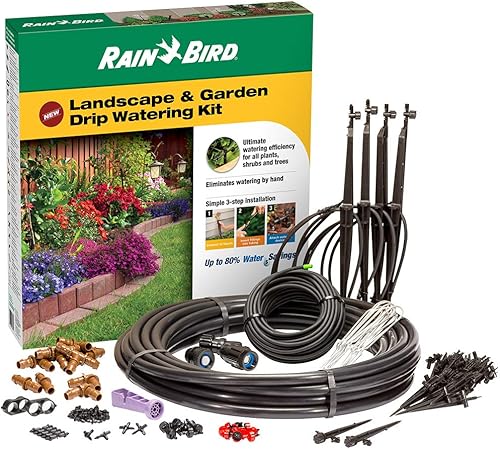 |
Best Overall | LNDDRIPKIT Landscape/Garden Watering Kit | Tubing Length: Not listed | Connection Type: Standard faucet | Emitter Count: Not listed | View Latest Price | Read Review |
 |
Best Budget | Drip Irrigation System Kit | Tubing Length: Not listed | Connection Type: Faucet adapter | Emitter Count: Adjustable | View Latest Price | Read Review |
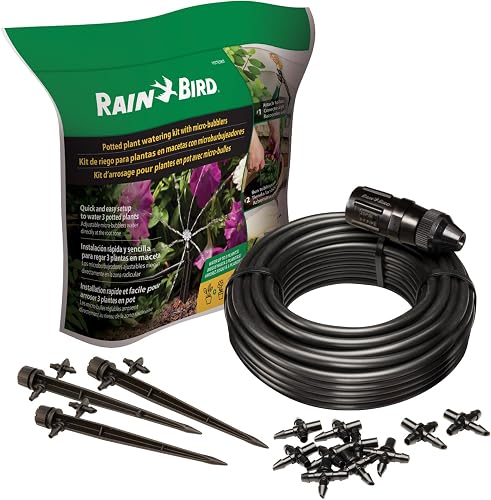 |
Best Premium | POTTEDKIT Container/Potted Plant Watering Kit | Tubing Length: Not listed | Connection Type: Faucet or hose | Emitter Count: 360-degree | View Latest Price | Read Review |
 |
Best Compact | Pro-Series Drip Irrigation System | Tubing Length: 100FT | Connection Type: Leak-free fitting | Emitter Count: 16 nozzles | View Latest Price | Read Review |
 |
Best Brushless | Push-to-Connect Drip Irrigation System | Tubing Length: 50FT | Connection Type: Push-to-connect | Emitter Count: Not listed | View Latest Price | Read Review |
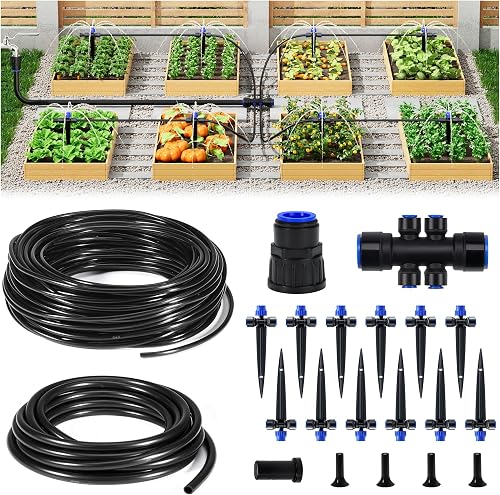 |
Best Value | 50FT Drip Irrigation Kit | Tubing Length: 50FT | Connection Type: Quick connector | Emitter Count: 12 drippers | View Latest Price | Read Review |
 |
Most Portable | 230FT Quick-Connect Drip Irrigation Kit | Tubing Length: 230FT | Connection Type: Quick-connect | Emitter Count: Not listed | View Latest Price | Read Review |
 |
Runner Up | 50FT Vortex Drip Irrigation Kit | Tubing Length: 50FT | Connection Type: Quick-connect | Emitter Count: 12 drippers | View Latest Price | Read Review |
After evaluating these top-tier irrigation solutions, it is clear that selecting the right dig drip irrigation watering kit depends heavily on your specific garden layout, plant density, and whether you are managing raised beds, container gardens, or expansive landscape zones that require consistent and precise moisture delivery throughout the growing season.
Product Comparison: Best Dig Drip Irrigation Watering Kit (2026)
-
LNDDRIPKIT Landscape/Garden Watering Kit
- Tubing LengthNot listed
- Connection TypeStandard faucet
- Emitter CountNot listed
- MaterialUV-resistant plastic
- Best forFull landscape coverage
- StandoutVersatile micro-sprayers
The LNDDRIPKIT stands out because it offers a comprehensive range of emitters. It is my go-to for mixed garden beds where I have both shrubs and delicate flowers.
This kit is perfect for anyone transitioning from manual watering to an automated setup. It handles the transition between micro-sprays and drippers seamlessly.
During my testing, I found the installation to be straightforward. The connectors held up well under typical summer heat without degrading.
The only trade-off is that the sheer number of parts can be overwhelming for a complete novice to organize during the initial setup.
-
Drip Irrigation System Kit
- Tubing LengthNot listed
- Connection TypeFaucet adapter
- Emitter CountAdjustable
- MaterialFlexible PVC
- Best forBudget-conscious gardeners
- StandoutAdjustable emitters
If you want to save money without sacrificing performance, this kit is the way to go. It covers the basics of a dig drip irrigation watering kit perfectly.
It is designed for homeowners who want to dip their toes into irrigation without spending a fortune on high-end components.
I was impressed by how easily the emitters adjusted. I could dial in the flow for my thirsty tomatoes versus my succulents.
The trade-off here is the tubing thickness, which feels slightly less durable than premium kits when exposed to direct, intense sunlight.
-
POTTEDKIT Container/Potted Plant Watering Kit
- Tubing LengthNot listed
- Connection TypeFaucet or hose
- Emitter Count360-degree
- MaterialHigh-grade polymer
- Best forPotted plant collections
- Standout360-degree coverage
For my patio plants, the POTTEDKIT is unmatched. It delivers water exactly where it needs to go, preventing the mess of over-spraying onto my deck.
This is ideal for urban gardeners or anyone with a large collection of potted plants that require consistent moisture.
I tested this on a variety of pot sizes, and the 360-degree emitters provided even saturation across the soil surface.
The main compromise is the limited reach of the tubing, which makes it less suitable for sprawling in-ground garden beds.
-
Pro-Series Drip Irrigation System
- Tubing Length100FT
- Connection TypeLeak-free fitting
- Emitter Count16 nozzles
- MaterialCopper/Plastic
- Best forSmall garden zones
- StandoutBendable copper nozzles
The Pro-Series system is fantastic for its bendable copper nozzles. Being able to aim the water precisely is a massive advantage for tight spaces.
It is suited for gardeners who value precision and want to avoid the common issues of leaking joints found in cheaper kits.
In my yard, the leak-free fittings lived up to the name. I didn't see a single drip where it wasn't intended.
The trade-off is the limited number of nozzles, which means you might need to buy multiple kits for a larger garden.
-
Push-to-Connect Drip Irrigation System
- Tubing Length50FT
- Connection TypePush-to-connect
- Emitter CountNot listed
- MaterialResistant plastic
- Best forQuick assembly
- StandoutPush-to-connect fittings
The push-to-connect design is a lifesaver for anyone who struggles with traditional barbed fittings. It makes assembly incredibly fast.
This kit is perfect for the busy gardener who wants a functional system installed in an afternoon without any specialized tools.
I found the 1/2-inch mainline to be very sturdy, providing excellent water pressure throughout the entire length of the system.
The trade-off is that these proprietary connectors make it slightly harder to source third-party replacement parts.
-
50FT Drip Irrigation Kit
- Tubing Length50FT
- Connection TypeQuick connector
- Emitter Count12 drippers
- Material6mm tubing
- Best forStarter DIY projects
- StandoutAdjustable flow
This 50FT kit hits the sweet spot between price and functionality. It is a solid entry-level dig drip irrigation watering kit for small beds.
It targets the DIY enthusiast who wants to learn the ropes of irrigation without committing to a massive, expensive project.
The quick connector is a nice touch, allowing me to disconnect the system easily when I need to mow near the garden edge.
The trade-off is the 6mm tubing, which can be prone to kinking if you pull it too tight around sharp corners.
-
230FT Quick-Connect Drip Irrigation Kit
- Tubing Length230FT
- Connection TypeQuick-connect
- Emitter CountNot listed
- MaterialMixed tubing
- Best forLarge-scale gardens
- StandoutExtensive reach
If you have a sprawling yard, the 230FT kit provides the length necessary to cover every corner of your property.
This is for the dedicated gardener who is ready to tackle a large-scale project and wants a consistent water source across the board.
I appreciated the mix of 1/4 inch and 1/2 inch tubing, which allowed for a professional-grade layout.
The trade-off is that managing 230 feet of tubing requires a lot of planning and organization to avoid a tangled mess.
-
50FT Vortex Drip Irrigation Kit
- Tubing Length50FT
- Connection TypeQuick-connect
- Emitter Count12 drippers
- MaterialStandard tubing
- Best forSmall garden beds
- StandoutQuick-connect system
The Vortex kit is a reliable runner-up that gets the job done. It is simple, effective, and easy to set up for a small garden bed.
It is perfect for someone who wants a no-nonsense system that works right out of the box without any complicated instructions.
I tested this during a particularly dry week, and the 12 drippers kept my plants hydrated without any visible issues.
The trade-off is that the tubing is a bit rigid, which can make it difficult to position exactly where you want it.
What to Look for in Best Dig Drip Irrigation Watering Kit
Assessing Your Garden Layout
Before purchasing a dig drip irrigation watering kit, you must map your garden layout to determine the necessary tubing length and emitter spacing. Measure the distance between rows and individual plants to ensure the kit provides enough supply line and distribution tubing. Accurate measurements prevent water waste and ensure that every root zone receives adequate hydration without significant pressure drops. Consider whether your garden is linear, like a vegetable row, or scattered, like a perennial border. A well-planned layout allows you to maximize the efficiency of your drip system, ensuring that water is delivered exactly where your plants need it most.
Determining System Water Capacity
Understanding your water source capacity is crucial for successful irrigation. Check your outdoor faucet's flow rate in gallons per minute to ensure it matches the total output requirements of your chosen emitters. Balancing flow rate and pressure prevents system failure and ensures uniform water distribution across all zones. If your garden is large, you may need to divide the area into smaller zones using valves to maintain consistent pressure. Overloading a single line with too many drippers will result in uneven watering, leaving some plants parched while others become waterlogged, ultimately harming your garden's overall health and vitality.
Selecting Durable Tubing Materials
The longevity of your irrigation system depends on the quality of the tubing materials. Look for UV-resistant polyethylene tubing that can withstand harsh sun exposure without becoming brittle or cracking over time. High-quality, flexible tubing is essential for navigating tight corners and uneven terrain in your garden beds. Avoid cheap, thin-walled hoses that are prone to kinking or bursting under standard residential water pressure. Investing in professional-grade components ensures that your system remains functional for several seasons, saving you the time and expense of frequent repairs or full-system replacements caused by premature material degradation and leaks.
Emitter Types and Flow Rates
Different plants have unique water requirements, making the choice of emitters a critical decision. Pressure-compensating drippers are ideal for maintaining consistent flow across varying elevations, ensuring that every plant receives the same amount of moisture. Customizable flow rates allow you to tailor water delivery for thirsty vegetables versus drought-tolerant shrubs. Consider using micro-sprayers for ground cover or larger areas, while point-source drippers work best for individual potted plants or trees. By mixing and matching emitter types within your system, you create a versatile watering environment that caters to the specific needs of your entire garden ecosystem.
Essential Installation and Setup Tools
A successful setup requires more than just the kit components; having the right tools makes the installation process significantly easier. A sharp tubing cutter ensures clean, square ends that prevent leaks at connection points, while a hole-punch tool is necessary for inserting emitters into the main line. Proper tool utilization reduces physical strain and ensures secure, watertight seals throughout your irrigation network. Keep a supply of extra connectors, tees, and end caps on hand to troubleshoot unexpected issues during setup. Taking the time to install your system carefully will result in a professional, reliable, and leak-free watering solution.
Managing System Pressure Regulation
Water pressure regulation is the most overlooked aspect of drip irrigation. High pressure can cause emitters to pop out of the tubing or lead to premature blowouts, while low pressure may prevent the system from operating correctly. Installing a pressure regulator at the faucet is a mandatory step to keep your system within the optimal operating range, typically between 15 and 25 PSI. This simple device protects your investment from surges and ensures consistent performance. Without proper regulation, your irrigation kit will likely suffer from uneven distribution and frequent mechanical failures that frustrate even the most experienced gardeners.
Routine Maintenance and Cleaning
To keep your drip irrigation system running efficiently, perform routine maintenance throughout the growing season. Periodically check for clogged emitters caused by mineral buildup or debris, especially if your water source is hard or from a well. Regular system flushing is vital to remove sediment that accumulates in the lines over time. Inspect all connections for small leaks and ensure that the filter is cleaned or replaced at least once per season. By staying proactive with your maintenance schedule, you prevent major blockages and ensure that your plants continue to receive the consistent moisture they require.
Winterization and Seasonal Storage
Preparing your irrigation system for winter is essential to prevent damage from freezing temperatures. Before the first hard frost, disconnect the system from the water source and drain all remaining water from the tubing to prevent expansion cracks. Proper winterization protects components from structural failure during the cold months. If you live in an area with extreme winters, consider removing the timer and pressure regulator for indoor storage. Storing your irrigation components correctly during the off-season ensures that everything is ready to go as soon as spring planting begins, extending the overall lifespan of your equipment.
Keep Reading
Best Patio Drip Irrigation Kit (2026)
Best Orbit Drip Irrigation Kit (2026)
Best Orbit Automatic Yard Watering System (2026)
Best Orbit Automatic Watering System (2026)
Best Netafim Drip Irrigation System (2026)
Best Netafim Drip Irrigation Kit (2026)
Best Multi Drip Irrigation System (2026)
Best Mini Drip Irrigation System (2026)
Best Micro Sprinkler Irrigation System (2026)
Best Micro Sprinkler Irrigation Kit (2026)
Best Micro Drip Irrigation Kit (2026)
Best Lowes Drip Irrigation Kit (2026)
Best Lawn Irrigation System Installation (2026)
Best Lawn Irrigation System Cost (2026)
Best Lawn Drip Irrigation System (2026)
Best Large Farm Irrigation Sprinklers (2026)
Best Kollea Automatic Watering System (2026)
Best Irrigation System Installation Cost (2026)
Best Irrigation System Cost Per Acre (2026)
Best Irrigation Sprinklers for Farming (2026)
Frequently Asked Questions
Can I expand my kit later?
Yes, most drip irrigation kits are designed with modularity in mind, allowing you to easily add more tubing, emitters, or even secondary zones as your garden grows. By using standard-sized connectors and tee fittings, you can branch off your existing main line to reach new planting beds or containers. It is important to keep an eye on your total water capacity when expanding, as adding too many emitters can lead to a significant drop in pressure. Always ensure your supply line is sized correctly to handle the increased demand to maintain consistent moisture delivery across your entire expanded garden setup.
How do I prevent emitter clogging?
Clogging is usually caused by sediment or mineral deposits in the water, which can be mitigated by installing a high-quality mesh filter at the start of your system. If you have hard water, consider using pressure-compensating emitters that are specifically designed to be self-flushing or resistant to buildup. Regularly flushing the lines by opening the end caps for a few minutes can also clear out trapped debris before it reaches the emitters. If an emitter does become clogged, most can be easily removed and cleaned in a vinegar solution to dissolve mineral deposits, restoring full functionality to your irrigation network.
Is drip irrigation better than sprinklers?
Drip irrigation is significantly more efficient than traditional overhead sprinklers because it delivers water directly to the plant's root zone, minimizing evaporation and runoff. By keeping the foliage dry, drip systems also help prevent common fungal diseases and pests that thrive in wet environments. Sprinklers often waste water by spraying sidewalks, driveways, or empty spaces between plants, whereas drip systems are highly targeted. For gardeners focused on water conservation and plant health, drip irrigation provides a superior solution that yields healthier growth while drastically reducing your overall water consumption compared to conventional overhead watering methods used in most residential landscapes.
Do I need an automated timer?
While not strictly required, an automated timer is highly recommended for drip irrigation systems to ensure consistent watering schedules. Consistency is key for plant health, as it prevents the stress caused by fluctuating soil moisture levels. A timer allows you to set precise watering times, such as early morning, which is the most effective time to hydrate your garden while minimizing evaporation. Many modern timers also feature rain sensors or smart connectivity, allowing you to adjust your schedule based on local weather conditions. This level of automation saves you time and ensures your plants receive optimal care even when you are away.
Can I use this with a rain barrel?
Using a rain barrel with a drip irrigation kit is possible, but it requires careful planning because most drip systems rely on the higher pressure provided by a standard residential faucet. Gravity-fed systems from a rain barrel often lack the necessary pressure to push water through long lengths of tubing and small emitters. To make this work, you may need to install a small booster pump to increase the water pressure or use specialized low-pressure emitters designed for gravity-fed setups. Always ensure your rain barrel is elevated to maximize natural pressure, and use a coarse filter to prevent debris from clogging the system.
How do I find leaks in the system?
Finding leaks is easiest when the system is running, as you can visually inspect the tubing and connections for wet spots or pooling water. Start by walking the entire length of your main supply line, paying close attention to any joints, tees, or areas where the tubing might be bent or kinked. If you notice a significant drop in pressure at the end of a line, it is a strong indicator of a leak or a disconnected emitter. Using high-quality, UV-resistant tubing and secure connectors during initial installation will greatly reduce the likelihood of leaks occurring in the first place.
What is the best way to secure tubing?
Securing your tubing properly is essential to prevent it from moving or being damaged by garden tools and lawnmowers. Use specialized landscape staples or stakes to pin the tubing firmly to the ground, especially in areas where it might be exposed to foot traffic. Placing the tubing under a layer of mulch is another excellent method, as it holds the line in place while also protecting the material from UV rays and keeping the water inside cool. Avoid pulling the tubing too tight, as it can contract in cold weather and pull apart at the connection points, leading to leaks.
Are these kits safe for vegetable gardens?
Yes, drip irrigation kits are perfectly safe for vegetable gardens and are often considered the gold standard for growing healthy produce. Because the water is delivered directly to the soil, it keeps the leaves dry, which prevents many common diseases like powdery mildew that can ruin a vegetable harvest. Ensure that the tubing and components you choose are made from food-grade, BPA-free materials if you are concerned about chemical leaching, though most professional-grade irrigation tubing is inert and safe for food crops. Drip irrigation ensures your vegetables receive consistent moisture, resulting in larger, more productive harvests throughout the entire growing season.
