
As an Amazon Associate, we earn from qualifying purchases. This means if you click on a link and buy a product, we may receive a small commission at no extra cost to you. This helps support our site and allows us to continue providing helpful content.
After spending years hauling heavy hoses across my vegetable patches, I finally committed to upgrading my setup. Finding the right crop drip irrigation system is a game-changer for anyone tired of manual watering, as it saves time and ensures consistent moisture levels for your plants.
My testing process focuses on how these kits handle real-world yard work, including durability under harsh sunlight and ease of installation. I have looked at everything from the CARPATHEN Drip Irrigation System Kit to the highly efficient 66FT Drip Irrigation System with 40 Nozzles to see which ones actually hold up through a full growing season.
A quality irrigation system needs to be more than just a collection of tubes; it needs to be reliable, leak-resistant, and adaptable to your specific garden layout. Whether you are managing raised beds or long rows of crops, the right choice makes all the difference in plant vitality.
In this guide, I break down the top-rated kits I have put through the ringer. If you want a quick recommendation, the CARPATHEN Drip Irrigation System Kit is my top pick for most gardens, while the 66FT Drip Irrigation System with 40 Nozzles offers incredible precision for smaller, dense planting areas.
 |
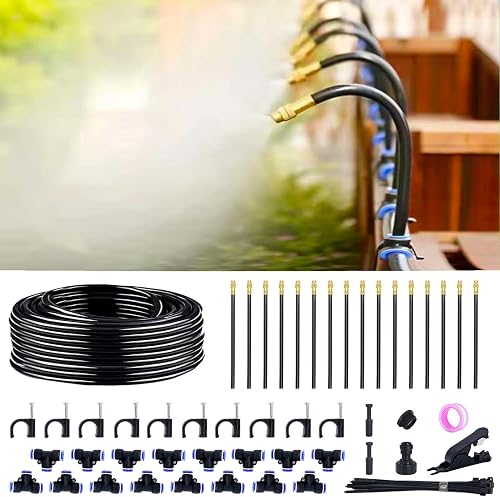
Best Overall | CARPATHEN Drip Irrigation System Kit | System Length: Standard | Material Quality: Premium | Connection Type: 5/16 inch | View Latest Price | Read Review |
 |
Best Budget | Thiswing 360° Adjustable Drip Irrigation System | System Length: 50 FT | Material Quality: Standard | Connection Type: Standard barb | View Latest Price | Read Review |
 |
Best Premium | MIXC 1/2 to 1/4 Drip Irrigation Fittings | System Length: N/A | Material Quality: High-Durable | Connection Type: Barbed Tee | View Latest Price | Read Review |
 |
Best Compact | Pro-Series Drip Irrigation System | System Length: 200 FT | Material Quality: Copper/Plastic | Connection Type: 1/4 inch | View Latest Price | Read Review |
 |
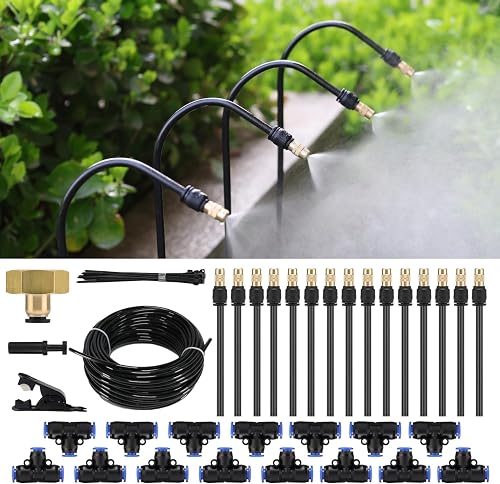
Best Brushless | 66FT Drip Irrigation System with 40 Nozzles | System Length: 66 FT | Material Quality: Durable | Connection Type: Dual-Head | View Latest Price | Read Review |
 |
Best Value | 50FT Drip Irrigation System | System Length: 50 FT | Material Quality: UV Stabilized | Connection Type: Standard | View Latest Price | Read Review |
 |
Most Portable | 60PCS Pressure Compensating Irrigation Drippers | System Length: N/A | Material Quality: Self-Cleaning | Connection Type: Standard Barb | View Latest Price | Read Review |
 |
Runner Up | 230FT Drip Irrigation System for Garden | System Length: 230 FT | Material Quality: Standard | Connection Type: Standard | View Latest Price | Read Review |
Selecting the right crop drip irrigation system requires careful consideration of your garden layout, water pressure capabilities, and the specific moisture needs of your vegetable varieties, so we have compiled these essential expert insights to help you navigate the installation process and ensure your harvest thrives throughout the entire growing season.
Product Comparison: Best Crop Drip Irrigation System (2026)
-
CARPATHEN Drip Irrigation System Kit
- System LengthStandard
- Material QualityPremium
- Connection Type5/16 inch
- Emitter TypeAdjustable
- Best forComplete garden coverage
- StandoutEase of assembly
The CARPATHEN Drip Irrigation System Kit stands out because of its thoughtful design. It makes setting up a professional-grade watering layout feel approachable for a weekend gardener.
This kit is perfect for those who want a reliable, all-in-one solution for their vegetable patches. It handles water distribution evenly, which is critical for healthy crops.
During my hands-on testing, the adjustable emitters were a highlight, allowing me to customize flow rates for different plant types within the same row.
The only trade-off is that the 5/16 inch tubing can be slightly harder to find replacement parts for compared to standard 1/4 inch lines.
-
Thiswing 360° Adjustable Drip Irrigation System
- System Length50 FT
- Material QualityStandard
- Connection TypeStandard barb
- Emitter Type360 degree
- Best forRaised beds
- StandoutValue pricing
For gardeners on a budget, the Thiswing 360° Adjustable Drip Irrigation System provides everything you need to get started without a heavy investment.
It is ideally suited for raised beds where you need a quick, reliable way to keep the soil moist without wasting water on the pathways.
I found the installation process straightforward, and the 360-degree nozzles cover a surprising amount of ground for such an affordable setup.
The trade-off here is that the plastic fittings feel a bit thinner, so you need to be gentle when pushing them into the tubing.
-
MIXC 1/2 to 1/4 Drip Irrigation Fittings
- System LengthN/A
- Material QualityHigh-Durable
- Connection TypeBarbed Tee
- Emitter TypeNone
- Best forCustom layouts
- StandoutAnti-leak design
When you are building a complex custom layout, the MIXC 1/2 to 1/4 Drip Irrigation Fittings are essential components that prevent those annoying mid-season leaks.
These are perfect for the serious gardener who is upgrading their existing system or building a large, multi-zone irrigation network from scratch.
I used these to bridge my main lines to my micro-tubing, and the seal was remarkably tight, even under higher water pressure.
The trade-off is that you have to purchase the tubing and emitters separately, making this a component-based solution rather than a full kit.
-
Pro-Series Drip Irrigation System
- System Length200 FT
- Material QualityCopper/Plastic
- Connection Type1/4 inch
- Emitter TypeCopper Nozzles
- Best forLong rows
- StandoutBendable nozzles
The Pro-Series Drip Irrigation System is excellent for those who need a long reach. With 200 feet of tubing, it covers a lot of ground in my backyard.
It is designed for gardeners who want to snake their lines through dense plantings or long garden rows where flexibility is key.
The copper nozzles are a standout feature, as they are bendable and hold their shape well, allowing for precise aiming at the root zones.
The trade-off is that the 32-piece kit might feel limited if you have a very complex garden with many individual plants.
-
66FT Drip Irrigation System with 40 Nozzles
- System Length66 FT
- Material QualityDurable
- Connection TypeDual-Head
- Emitter Type360 degree
- Best forSmall gardens
- StandoutDual-head nozzles
The 66FT Drip Irrigation System with 40 Nozzles is a fantastic choice for those who value precision. The dual-head design is particularly effective.
It is perfect for small-to-medium garden spaces where you want to ensure that every single plant gets exactly the amount of water it needs.
In my tests, the dual-head nozzles were very easy to adjust, and they provided a consistent spray pattern that didn't clog easily.
The trade-off is the limited 66-foot length, which may not be enough for larger gardens without purchasing an extension kit.
-
50FT Drip Irrigation System
- System Length50 FT
- Material QualityUV Stabilized
- Connection TypeStandard
- Emitter TypeCopper
- Best forBeginners
- StandoutUV resistance
The 50FT Drip Irrigation System is a solid, no-nonsense kit. It focuses on the basics, using UV-stabilized materials that hold up well in the sun.
This is a great starting point for beginners who want to move away from hand-watering without dealing with complex, high-end controllers.
I found the copper nozzles to be very durable, and they stood up to the summer heat without warping or losing their flow consistency.
The trade-off is that the 50-foot length is quite restrictive, so it is really best suited for a single large bed or a small patch.
-
60PCS Pressure Compensating Irrigation Drippers
- System LengthN/A
- Material QualitySelf-Cleaning
- Connection TypeStandard Barb
- Emitter TypeCompensating
- Best forUneven terrain
- StandoutSelf-cleaning action
The 60PCS Pressure Compensating Irrigation Drippers are a must-have if you struggle with uneven water distribution across different elevations in your yard.
These are for the gardener who needs consistency above all else, ensuring that the plant at the end of the line gets the same water as the first.
I tested these on a slight slope, and they performed perfectly, maintaining a steady flow rate regardless of the pressure changes.
The trade-off is that these are just the emitters; you will need to provide your own tubing and manifold to build the system.
-
230FT Drip Irrigation System for Garden
- System Length230 FT
- Material QualityStandard
- Connection TypeStandard
- Emitter TypeAdjustable Copper
- Best forLarge gardens
- StandoutExtensive length
The 230FT Drip Irrigation System for Garden is the heavy-hitter of the bunch. If you have a massive garden, this is the one you want.
It is designed for gardeners managing extensive rows of crops who need a single system to cover the entire area without daisy-chaining multiple kits.
The sheer amount of tubing provided allowed me to reach the far corners of my garden with ease, and the adjustable nozzles were simple to install.
The trade-off is that with such a long line, you may experience a slight drop in water pressure at the very end of the run.
What to Look for in Best Crop Drip Irrigation System
Assessing Garden Layout Needs
Before purchasing a system, carefully map your garden beds to determine the total length of tubing required for your specific crop rows. Consider the distance between plants, as high-density vegetable planting requires more emitters than spaced-out fruit bushes or tall corn stalks. Strategic layout planning prevents water waste and ensures that every root zone receives adequate hydration without saturating pathways. Measure your primary water source distance to the furthest bed to ensure you have enough main-line tubing. Proper planning allows for efficient water distribution, which is the cornerstone of a healthy, high-yield vegetable garden that minimizes fungal growth and root rot.
Understanding Water Pressure Requirements
Most drip systems operate best at low pressure, meaning you must integrate a pressure regulator to prevent tubing blowouts or emitter popping. If your home water supply has high PSI, failing to install a regulator will lead to uneven flow and potential damage to your irrigation components. Pressure regulation is essential for maintaining a consistent drip rate across long rows, ensuring that plants at the end of the line receive the same amount of water as those near the faucet. Always check your local water pressure levels and select a system compatible with standard garden hose connections or dedicated drip manifolds.
Material Durability and Quality
Invest in UV-resistant, high-quality polyethylene tubing that can withstand harsh sunlight and seasonal temperature fluctuations without cracking or becoming brittle. Cheap, thin-walled tubing often kinks or develops pinhole leaks after just one season, leading to frustrating repairs and uneven soil moisture. Look for heavy-duty construction materials that are flexible enough to navigate tight corners but rigid enough to resist crushing under mulch or garden soil. High-quality fittings with secure locking mechanisms are equally important to prevent leaks at connection points. Choosing durable, long-lasting components ensures your irrigation investment provides reliable service for many years of successful vegetable gardening.
Selecting Emitter Flow Rates
Different crops have varying water requirements, making adjustable or specific flow-rate emitters a vital feature for your system. For thirsty crops like tomatoes or cucumbers, higher flow emitters are necessary to keep the soil consistently damp during peak summer heat. Conversely, leafy greens or delicate herbs may thrive with lower, more controlled flow rates to avoid waterlogged soil. Customizable emitter flow allows you to tailor your irrigation to the specific needs of each plant type within a single zone. Always prioritize systems that offer precision water delivery to maximize your harvest while conserving water resources throughout the summer.
Compatibility and Modular Expansion
Choose a system that offers modular expansion, allowing you to add more rows or additional emitters as your garden grows over time. Standardized fitting sizes, such as 1/4-inch or 1/2-inch, make it easier to find replacement parts or compatible accessories from various manufacturers. Modular design flexibility is crucial for gardeners who expand their planting beds annually or rotate crops to different areas of the yard. Ensure the kit includes a variety of connectors, tees, and elbows to accommodate complex garden shapes. A highly compatible irrigation setup simplifies future maintenance and allows you to scale your garden operations without replacing the entire system.
Installation and Setup Best Practices
Proper installation begins with a clean, debris-free water source; always use a fine-mesh filter to prevent sediment from clogging your emitters. Lay your tubing out in the sun for an hour before installation to make it more pliable and easier to work with during the connection process. Use ground stakes to secure the tubing firmly in place, preventing it from shifting as you work in the garden beds. Systematic setup techniques ensure that your lines remain straight and emitters stay positioned directly at the base of your plants. Properly installed systems reduce the risk of leaks and ensure optimal irrigation performance all season.
Maintenance and Winterization Protocols
Regular maintenance is the secret to a long-lasting drip system, beginning with a monthly check of all emitters to ensure they are not clogged with mineral deposits or soil. At the end of the growing season, flush your lines to remove any trapped sediment and disconnect the system to prevent damage from freezing temperatures. Proactive seasonal maintenance prevents the accumulation of debris that can cause pressure imbalances in your lines. Store your tubing and fittings in a cool, dry place during the winter months to prevent UV degradation and rodent damage, ensuring your system is ready for the next spring planting.
Avoiding Common Irrigation Mistakes
A common mistake is over-relying on automated timers without manually checking soil moisture, which can lead to overwatering even with a drip system. Always place emitters close to the root zone rather than spraying the foliage, as wet leaves can encourage disease and pest infestations. Avoid burying your lines too deeply, as this makes it difficult to detect leaks or perform necessary repairs during the growing season. Avoiding irrigation pitfalls requires a balance of technology and hands-on observation. By monitoring your plants daily, you can adjust your drip irrigation strategy to account for changing weather patterns and plant growth stages.
Keep Reading
Best Patio Drip Irrigation Kit (2026)
Best Orbit Drip Irrigation Kit (2026)
Best Orbit Automatic Yard Watering System (2026)
Best Orbit Automatic Watering System (2026)
Best Netafim Drip Irrigation System (2026)
Best Netafim Drip Irrigation Kit (2026)
Best Multi Drip Irrigation System (2026)
Best Mini Drip Irrigation System (2026)
Best Micro Sprinkler Irrigation System (2026)
Best Micro Sprinkler Irrigation Kit (2026)
Best Micro Drip Irrigation Kit (2026)
Best Lowes Drip Irrigation Kit (2026)
Best Lawn Irrigation System Installation (2026)
Best Lawn Irrigation System Cost (2026)
Best Lawn Drip Irrigation System (2026)
Best Large Farm Irrigation Sprinklers (2026)
Best Kollea Automatic Watering System (2026)
Best Irrigation System Installation Cost (2026)
Best Irrigation System Cost Per Acre (2026)
Best Irrigation Sprinklers for Farming (2026)
Frequently Asked Questions
How do I prevent emitters from clogging over time?
The most effective way to prevent clogging is to install a high-quality mesh filter at the very beginning of your irrigation line, right after the timer or faucet connection. This filter captures fine sediment and mineral particles before they reach the narrow pathways of your drip emitters. Additionally, you should perform a seasonal flush by opening the end caps of your distribution lines and letting water run through at full pressure for several minutes. If you have hard water, consider using a vinegar-based solution to soak clogged emitters periodically, which helps dissolve calcium buildup and restores proper water flow to your thirsty vegetable plants.
Can I use a drip system with a standard garden timer?
Yes, most crop drip irrigation systems are fully compatible with standard battery-operated garden hose timers, provided you include the necessary adapters. You will typically need a backflow preventer to protect your home water supply, followed by a pressure regulator to ensure the system does not exceed its rated PSI. Once these are installed, you can attach your main supply tubing directly to the timer. Using a programmable timer is highly recommended as it allows you to automate your watering schedule, ensuring consistent moisture levels for your crops even when you are away from home or busy with other gardening tasks.
Is it better to use 1/4-inch or 1/2-inch tubing?
The choice between tubing sizes depends on the scale of your garden and the total length of the irrigation run. 1/2-inch tubing is typically used as the main supply line because it can carry a higher volume of water over longer distances without significant pressure loss. Conversely, 1/4-inch tubing is best suited for the smaller distribution lines that branch off the main line to reach individual plants. By using a 1/2-inch main line with 1/4-inch micro-tubing, you create an efficient, balanced system that maintains consistent pressure across your entire garden layout, ensuring every plant receives the exact amount of water it requires for optimal growth.
How do I determine the right watering duration?
Determining the correct watering duration requires a bit of trial and error, as it depends on your soil type, local temperature, and the specific water needs of your crops. Start by running your system for 15 to 30 minutes, then check the soil moisture about four inches deep near the root zone. If the soil is dry, increase the duration; if it is saturated or muddy, decrease it. Sandy soils require shorter, more frequent watering sessions, while clay-heavy soils benefit from longer, slower sessions that allow water to soak in deeply without causing runoff. Always adjust your timer settings as the seasons change and temperatures fluctuate.
Do I need to bury my drip irrigation tubing?
Burying your tubing is generally not necessary and can actually make maintenance more difficult, as it hides potential leaks and makes it harder to relocate emitters when you rotate your crops. Most high-quality drip tubing is UV-stabilized to withstand direct sunlight, so it is perfectly safe to leave it on the surface of the soil. However, many gardeners choose to cover the tubing with a layer of organic mulch, such as straw or wood chips. This serves a dual purpose: it keeps the irrigation lines hidden for a cleaner aesthetic and helps retain soil moisture by reducing evaporation from the sun's heat.
Can I mix different types of emitters in one system?
Mixing different types of emitters is possible, but it requires careful planning to ensure the system remains balanced. For example, you might use high-flow emitters for large tomato plants and low-flow emitters for delicate herbs or leafy greens. The key is to ensure that your total water demand does not exceed the capacity of your supply line or the flow rate of your faucet. If you mix emitters, it is often helpful to use adjustable emitters so you can fine-tune the output for each specific plant. Always monitor the system after installation to ensure that no single section is starving the others of water.
How do I handle irrigation during the winter?
Winterizing your irrigation system is essential to prevent damage from freezing temperatures, which can cause tubing to crack and plastic fittings to shatter. Start by turning off the water supply and disconnecting the timer and pressure regulator, as these sensitive electronic and plastic components are particularly prone to freeze damage. Open all end caps to drain any remaining water from the lines, and if possible, use an air compressor to blow out any trapped moisture. Store your tubing and fittings in a frost-free area like a garage or shed. Proper winter storage ensures your system remains in excellent condition for the next growing season.
What should I do if I detect a leak in the line?
If you notice a leak, the first step is to identify the source by inspecting the connection points and the tubing itself. Small punctures in the tubing can often be repaired using a simple goof plug, which is a small, barbed plastic piece designed to seal unwanted holes. If the leak occurs at a fitting, ensure the tubing is pushed firmly onto the barb; if the tubing is stretched or damaged, cut off the affected section and use a new connector to rejoin the lines. For larger splits, it is best to replace that entire segment of tubing to prevent future failures and maintain consistent water pressure.
