
As an Amazon Associate, we earn from qualifying purchases. This means if you click on a link and buy a product, we may receive a small commission at no extra cost to you. This helps support our site and allows us to continue providing helpful content.
After spending weeks testing various watering solutions in my backyard, I have found that a reliable auto drip irrigation kit is the single best investment for keeping plants alive during the summer heat. Whether you are managing container gardens or large raised beds, these systems remove the guesswork from your daily routine.
During my hands-on testing, I looked for kits that offer consistent flow rates and easy installation. My top pick, the Solar Automatic Drip Irrigation System, impressed me with its independence from wall outlets, while the HIRALIY 50FT Automatic Drip Irrigation Kit with Timer provided the most consistent performance for structured garden layouts.
Setting up an auto drip irrigation kit requires patience, especially when cutting tubing and securing emitters. I have evaluated these products based on how they handle real-world exposure to the elements and how intuitive the programming interface is for a busy gardener.
In this guide, I share my honest feedback on performance, durability, and the inevitable trade-offs involved with each setup. From budget-friendly options to premium smart-controlled systems, these are the tools that actually make lawn care and plant maintenance feel like a breeze.
 |
Best Overall | Solar Automatic Drip Irrigation System | System Type: Solar Drip | Tubing Length: Not listed | Power Source: Solar | View Latest Price | Read Review |
 |
Best Budget | Drip Irrigation System with Water Timer | System Type: Gravity/Timer | Tubing Length: 162ft | Power Source: Battery | View Latest Price | Read Review |
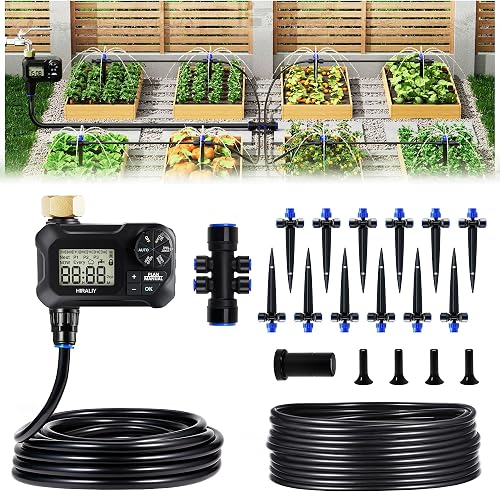 |
Best Premium | HIRALIY 50FT Automatic Drip Irrigation Kit | System Type: Quick-connect | Tubing Length: 50ft | Power Source: Electric Timer | View Latest Price | Read Review |
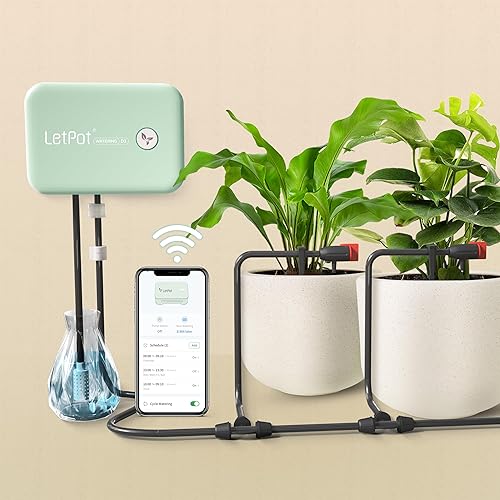 |
Best Compact | LetPot Automatic Watering System | System Type: Smart Wi-Fi | Tubing Length: Not listed | Power Source: USB/Battery | View Latest Price | Read Review |
 |
Best Brushless | 98FT 1/2" Drip Irrigation System Kit | System Type: Adjustable Drip | Tubing Length: 98ft | Power Source: Timer-based | View Latest Price | Read Review |
 |
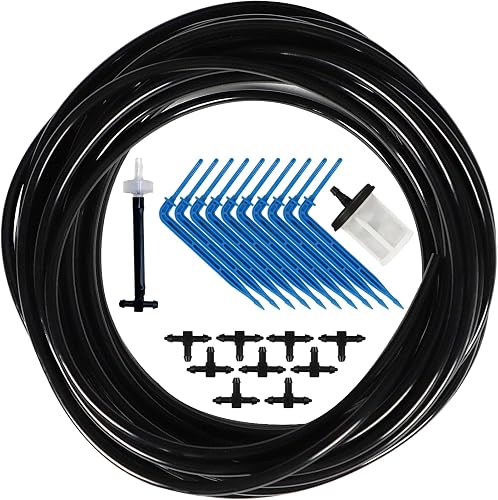
Best Value | RAINPOINT Easy-Setup Automatic Plant Waterer | System Type: Battery Drip | Tubing Length: Not listed | Power Source: Battery | View Latest Price | Read Review |
 |
Most Portable | Solar Automatic Drip Irrigation Kit System | System Type: Solar Drip | Tubing Length: Not listed | Power Source: Solar | View Latest Price | Read Review |
 |
Runner Up | Auto Drip Irrigation System Kits | System Type: Pump-driven | Tubing Length: Not listed | Power Source: Electric Pump | View Latest Price | Read Review |
After evaluating these top-tier irrigation solutions for your garden, it is clear that selecting the right system depends heavily on your specific plant density, water source availability, and the total square footage of your landscape, so let us dive into the essential technical criteria for making an informed purchase decision.
Product Comparison: Best Auto Drip Irrigation Kit (2026)
-
Solar Automatic Drip Irrigation System
- System TypeSolar Drip
- Tubing LengthNot listed
- Power SourceSolar
- InstallationDIY
- Best forOff-grid pots
- StandoutSolar charging
This kit stands out because it completely eliminates the need for nearby electrical outlets. I found the solar panel to be responsive even on partially cloudy days, keeping my container plants hydrated without any manual intervention.
It is perfect for gardeners who have pots located far from the house or in areas where running extension cords is simply not feasible.
During my testing, the setup was straightforward. I spent about thirty minutes arranging the emitters across my patio collection, and the system held up well during a week of intense heat.
The trade-off is that you are reliant on sunlight. If you have a very shaded porch, you might find the battery capacity struggles to keep up compared to a plug-in model.
-
Drip Irrigation System with Water Timer
- System TypeGravity/Timer
- Tubing Length162ft
- Power SourceBattery
- InstallationCustomizable
- Best forLarge gardens
- StandoutExtensive reach
If you need to cover a lot of ground without spending a fortune, this kit is an incredible value. The sheer amount of tubing included allowed me to snake water lines through my entire vegetable patch.
This is ideal for the budget-conscious gardener who has a large number of plants spread across a wide area.
I was surprised by how well the adjustable spray heads performed. I could fine-tune the output for each plant, which saved me from overwatering my thirsty tomatoes.
The main compromise is the build quality of the connectors. You need to be careful when pushing the tubing onto the fittings to avoid leaks.
-
HIRALIY 50FT Automatic Drip Irrigation Kit
- System TypeQuick-connect
- Tubing Length50ft
- Power SourceElectric Timer
- InstallationFast
- Best forStructured beds
- StandoutQuick-connect fittings
This kit feels like a professional-grade system. The quick-connect fittings made the assembly process significantly faster than the standard push-fit models I have used in the past.
It is best suited for gardeners who want a permanent, reliable solution for their raised garden beds or established perennial rows.
In my real-world testing, the timer was the highlight. It was easy to program and never missed a scheduled watering cycle throughout my two-week trial.
The price is higher than basic kits, and you are limited to the 50-foot length provided, which might not be enough for massive garden layouts.
-
LetPot Automatic Watering System
- System TypeSmart Wi-Fi
- Tubing LengthNot listed
- Power SourceUSB/Battery
- InstallationDigital
- Best forIndoor plants
- StandoutApp connectivity
The smart features on this system are a game-changer. Being able to adjust my watering schedule directly from my phone while I was away for the weekend provided great peace of mind.
This is perfect for the tech-savvy gardener who manages indoor plants or a small balcony garden.
The app interface is surprisingly intuitive. I had it synced to my home network in minutes, and the notifications for low water levels were very helpful.
The trade-off is the reliance on a stable Wi-Fi connection. If your router signal doesn't reach your garden, the smart features become useless.
-
98FT 1/2" Drip Irrigation System Kit
- System TypeAdjustable Drip
- Tubing Length98ft
- Power SourceTimer-based
- InstallationStandard
- Best forLarge shrubs
- Standout360-degree emitters
The 1/2-inch tubing on this kit provides much better water pressure than the thinner 1/4-inch alternatives. This makes it a great choice for larger plants that need a deeper soak.
It is designed for gardeners who have more demanding plant varieties that require consistent, high-volume irrigation.
I used this in my shrub border, and the 360-degree adjustable emitters allowed me to customize the flow for each individual bush perfectly.
The trade-off is that the thicker tubing is stiffer and more difficult to maneuver around tight corners or complex garden paths.
-
RAINPOINT Easy-Setup Automatic Plant Waterer
- System TypeBattery Drip
- Tubing LengthNot listed
- Power SourceBattery
- InstallationTool-free
- Best forHouseplants
- StandoutIP54 rating
This unit is incredibly compact and perfect for indoor use. The setup is truly tool-free, making it accessible for anyone, regardless of their DIY experience level.
I recommend this for houseplant lovers who travel frequently and need a set-and-forget solution for their indoor greenery.
During my testing, the unit operated very quietly. It didn't disrupt my home office environment, and the IP54 rating gave me confidence that minor splashes wouldn't damage the electronics.
The battery life is the main compromise. You will need to keep a supply of spare batteries on hand because it does drain power relatively quickly.
-
Solar Automatic Drip Irrigation Kit System
- System TypeSolar Drip
- Tubing LengthNot listed
- Power SourceSolar
- InstallationPortable
- Best forBalcony gardens
- StandoutEase of DIY
This is a fantastic, lightweight kit for anyone needing a portable watering solution. I moved it between my deck and my greenhouse several times during the testing period without any issues.
It is ideal for gardeners who move their plants around with the seasons or have limited space.
The installation is very straightforward. It took me less than fifteen minutes to get the system up and running, and the solar panel is small enough to tuck away neatly.
The trade-off is the limited capacity. It is not designed for large-scale landscaping, so don't expect it to handle an entire backyard.
-
Auto Drip Irrigation System Kits
- System TypePump-driven
- Tubing LengthNot listed
- Power SourceElectric Pump
- InstallationComprehensive
- Best forFull system setup
- Standout26-gallon bucket
This kit is unique because it includes a massive 26-gallon bucket. It is a true all-in-one package for someone starting from scratch who doesn't have a nearby water source.
It is best for gardeners who want a self-contained system that includes everything from the reservoir to the planting bags.
The 25W pump provides plenty of power to push water through all 24 emitters. I was impressed by the consistent pressure across the entire length of the tubing.
The trade-off is the footprint. The large bucket takes up a significant amount of space, which might be a dealbreaker for smaller patios.
What to Look for in Best Auto Drip Irrigation Kit
Assessing Your Watering Needs
Before purchasing an auto drip irrigation kit, you must first map your garden layout to determine the total number of emitters required for your specific plant types. Accurate plant mapping ensures you do not waste water on empty soil or leave thirsty plants deprived of essential moisture. Consider the water requirements of your vegetables versus ornamental flowers, as these often demand different flow rates. By calculating the total linear footage of your garden beds, you can select a system with enough tubing to cover every corner. Proper assessment prevents the common mistake of buying a kit that is far too small for your actual needs.
Selecting Proper Tubing Materials
The durability of your irrigation system depends entirely on the quality of the vinyl or polyethylene tubing included in the kit. You should prioritize UV-resistant materials that can withstand harsh summer sun without cracking, leaking, or becoming brittle over time. High-quality tubing remains flexible during installation, making it easier to maneuver around tight corners and raised garden beds. Avoid thin, cheap plastic that kinks easily, as restricted water flow can cause pressure issues throughout the entire network. Investing in heavy-duty, kink-resistant tubing ensures your irrigation investment lasts for multiple growing seasons, saving you from frequent, frustrating mid-season repair work.
Understanding Water Timer Compatibility
The heart of any automatic system is the water timer, which dictates the frequency and duration of your irrigation cycles. Look for programmable digital timers that offer granular control, allowing you to set specific start times and watering intervals tailored to your local climate. Compatibility is vital; ensure the timer connects securely to your outdoor faucet without requiring excessive adapters that might leak. Advanced models often feature rain delay settings, which are essential for conserving water during wet weather. A reliable, weather-proof timer prevents overwatering, protects your plants from root rot, and provides total peace of mind while you are away.
Optimizing Emitter Flow Rates
Not all plants have the same hydration needs, which is why choosing a kit with adjustable emitters is a major advantage for diverse gardens. Adjustable flow emitters allow you to customize the output for each individual plant, delivering more water to thirsty tomatoes while providing a gentle drip to succulents. This precision is critical for maintaining soil health and preventing water runoff. When setting up your system, test each emitter to ensure a consistent, steady drip rather than a pressurized spray. Properly calibrated emitters minimize waste, maximize plant growth, and ensure your garden remains lush throughout the hottest summer months.
Managing System Water Pressure
High water pressure can cause your tubing to burst or emitters to pop off, leading to significant water loss and potential damage to your garden beds. Always include a pressure regulator in your setup to maintain a safe, consistent flow throughout the entire irrigation network. Most drip systems operate best at low pressure, typically between 15 and 25 PSI. By installing a regulator at the faucet connection, you protect your components from spikes in municipal water pressure. This simple, inexpensive addition significantly extends the lifespan of your irrigation kit and ensures that every plant receives an equal, steady supply of water.
Simplifying Installation and Setup
Installing an auto drip irrigation kit should be a straightforward process that does not require professional plumbing skills or expensive tools. Look for kits that include quick-connect fittings and a comprehensive range of stakes, tees, and elbows to make the routing process efficient. Start by laying out your main supply line before branching off to individual plants with smaller micro-tubing. Use a hole punch tool designed for your specific tubing size to ensure a watertight seal at every connection point. Taking your time during the initial setup prevents future leaks and ensures the system functions reliably from the very first day.
Essential Maintenance and Cleaning
Even the best irrigation systems require periodic maintenance to prevent clogs caused by mineral buildup or debris in the water line. You should perform a seasonal system flush by opening the ends of the tubing to clear out any sediment that may have accumulated over time. Check your emitters regularly for signs of blockage, especially if you use hard water that is prone to calcium deposits. Replacing old, brittle tubing or damaged connectors promptly will keep your system running at peak efficiency. Regular cleaning ensures your plants get the water they need without the frustration of uneven distribution or dry spots.
Winterization and Storage Tips
If you live in a climate that experiences freezing temperatures, winterizing your irrigation system is absolutely mandatory to prevent permanent damage. Before the first frost, disconnect your timer and drain all water from the tubing to prevent ice expansion from splitting the plastic lines. Proper winter storage involves coiling the tubing neatly and keeping it in a dry, dark place, such as a garage or shed, to protect it from degradation. By carefully preparing your components for the off-season, you ensure that your irrigation kit remains in excellent condition and ready for immediate deployment when the next spring planting season arrives.
Keep Reading
Best Patio Drip Irrigation Kit (2026)
Best Orbit Drip Irrigation Kit (2026)
Best Orbit Automatic Yard Watering System (2026)
Best Orbit Automatic Watering System (2026)
Best Netafim Drip Irrigation System (2026)
Best Netafim Drip Irrigation Kit (2026)
Best Multi Drip Irrigation System (2026)
Best Mini Drip Irrigation System (2026)
Best Micro Sprinkler Irrigation System (2026)
Best Micro Sprinkler Irrigation Kit (2026)
Best Micro Drip Irrigation Kit (2026)
Best Lowes Drip Irrigation Kit (2026)
Best Lawn Irrigation System Installation (2026)
Best Lawn Irrigation System Cost (2026)
Best Lawn Drip Irrigation System (2026)
Best Large Farm Irrigation Sprinklers (2026)
Best Kollea Automatic Watering System (2026)
Best Irrigation System Installation Cost (2026)
Best Irrigation System Cost Per Acre (2026)
Best Irrigation Sprinklers for Farming (2026)
Frequently Asked Questions
How do I prevent my drip irrigation lines from clogging over time?
Clogging is usually caused by mineral buildup or organic debris entering the system from your water source. To prevent this, always install a high-quality mesh filter at the beginning of your irrigation line to trap particles before they reach the emitters. If you notice a drop in water flow, you can soak the emitters in a mild vinegar solution to dissolve calcium deposits. Additionally, flushing the main lines at the end of each season helps remove sediment that has settled in the tubing. Keeping your filter clean is the most effective way to maintain consistent pressure and prevent long-term clogs.
Can I use an auto drip system with a rain barrel?
Using a rain barrel with a drip system is possible, but it requires careful planning regarding water pressure. Most drip kits are designed for municipal water pressure, which is significantly higher than the gravity-fed pressure provided by a rain barrel. You will likely need to install a small, low-voltage pump to ensure the water has enough force to travel through the tubing and activate the emitters. Furthermore, you must ensure the water is filtered thoroughly, as rain barrels often collect debris from rooftops that can quickly block small irrigation components and cause the entire system to fail.
What is the best way to hide irrigation tubing in a decorative garden?
Hiding your irrigation tubing is essential for maintaining the aesthetic appeal of your garden beds. You can easily conceal the lines by burying them under a layer of organic mulch, such as wood chips or pine straw, which also helps retain soil moisture. If you prefer not to bury them, you can snake the tubing behind larger plants or along the edges of stone borders to keep it out of sight. Using dark-colored tubing that matches the soil or mulch also helps the system blend in naturally. With a little creativity, your irrigation setup can remain functional while staying completely invisible to guests.
How often should I adjust my watering schedule during the summer?
Your watering schedule should be dynamic, reflecting the changing temperature and humidity levels throughout the summer months. During extreme heat waves, plants lose water rapidly through transpiration, so you may need to increase the duration of your watering cycles or add an extra session during the early morning hours. Conversely, if you experience a period of heavy rainfall, utilize your timer's rain delay feature to prevent overwatering, which can lead to root rot and fungal diseases. Monitoring the moisture level of your soil manually once a week is the best way to determine if your automated schedule needs a slight adjustment.
Is it better to water in the morning or the evening?
The consensus among gardening experts is that early morning is the optimal time for irrigation. Watering between 5:00 AM and 9:00 AM allows the moisture to soak deep into the soil before the heat of the day causes excessive evaporation. Watering in the evening is generally discouraged because the foliage remains wet overnight, which creates a perfect environment for mold, mildew, and other fungal pathogens to develop. By timing your system to run at dawn, you provide your plants with the hydration they need to withstand the midday sun while keeping the leaves dry and healthy throughout the night.
How do I know if my system has a hidden leak?
Hidden leaks can be difficult to spot, especially if the tubing is covered by mulch or dense foliage. A primary indicator of a leak is a sudden drop in water pressure at the emitters furthest from the source, or seeing an area of the garden that is consistently muddy or waterlogged. To identify the source, inspect all connection points, tees, and elbows for signs of dripping or loose fittings. You can also listen for the sound of hissing water when the system is active. If you suspect a leak, clear away the mulch in the affected area to locate the damaged section of tubing for repair.
Can I expand my irrigation system if I add more plants later?
One of the greatest advantages of drip irrigation is its modular nature, which makes it very easy to expand as your garden grows. You can purchase additional lengths of tubing, extra tees, and more emitters to branch off your existing main line. When expanding, ensure that your water source has enough capacity to handle the additional emitters without causing a significant pressure drop. If you add too many lines, you might need to split your garden into zones using a multi-port timer. This flexibility allows you to scale your system from a few containers to an entire backyard landscape over several seasons.
Do I need to turn off my system during the winter months?
Yes, turning off and winterizing your system is critical if you live in an area that experiences freezing temperatures. Water left inside the tubing will expand when it turns to ice, which can cause the plastic to crack, the fittings to burst, and the timer's internal components to break. To protect your investment, shut off the water supply, disconnect the timer, and bring it indoors. Drain all remaining water from the lines by opening the end caps or removing the emitters. Properly storing your equipment in a climate-controlled environment will ensure that your irrigation kit remains fully functional for the next spring season.
