
As an Amazon Associate, we earn from qualifying purchases. This means if you click on a link and buy a product, we may receive a small commission at no extra cost to you. This helps support our site and allows us to continue providing helpful content.
Hydrangeas grow best when planted in rich, well-draining soil with access to morning sunlight and afternoon shade. To achieve those iconic, voluminous blooms, you must provide consistent moisture and avoid harsh, direct midday heat. Understanding these specific environmental preferences is the first step toward cultivating a healthy, vibrant shrub that anchors your garden landscape.
While these plants are beloved for their showy flowers, they can be notoriously temperamental if their basic needs are ignored. Expect a period of adjustment after planting as the root system establishes itself in your local climate. Proper placement and a commitment to regular watering are the most critical factors for long-term success.
This comprehensive guide breaks down the essential environmental factors, soil needs, and maintenance routines required to help your hydrangeas thrive from season to season. We will cover everything from strategic pruning techniques to soil pH adjustments that influence bloom color. Follow these practical tips to ensure your garden features the lush, healthy hydrangeas you desire.

Selecting the Ideal Planting Site
The secret to vibrant, long-lasting hydrangea blooms begins with choosing the right location. Because these shrubs are sensitive to extreme environmental conditions, your site selection will dictate how much maintenance they require throughout the season.
Most hydrangea varieties thrive best in a location that receives gentle morning sunlight followed by consistent afternoon shade. While they need light to produce energy for flowers, intense midday sun often causes leaves to scorch and petals to wilt rapidly. If you live in a particularly hot climate, prioritize a spot that remains shaded during the hottest hours of the day, typically between 1:00 PM and 4:00 PM.
Beyond light requirements, consider these three critical factors when scouting your yard:
- Soil Drainage: Hydrangeas prefer soil that holds moisture but does not remain waterlogged. If your site has heavy clay, amend the area with organic compost to improve drainage and prevent root rot.
- Wind Protection: Large, heavy flower heads are susceptible to damage from strong gusts. Choose a sheltered area near a wall, fence, or hedge to act as a windbreak, which helps preserve the integrity of the blooms.
- Space for Growth: Research the mature size of your specific variety before planting. Ensure the site allows for adequate air circulation, which helps prevent fungal issues like powdery mildew. Avoid crowding them against structures or other shrubs.
Before committing to a spot, observe your garden throughout the day. A location that looks perfect at 9:00 AM might bake in direct, unfiltered light by noon. If you find that your chosen site is too exposed, consider planting a companion shrub nearby to provide dappled shade as the plants mature. By carefully balancing light, soil quality, and protection from the elements, you create a stable foundation that encourages your hydrangeas to grow robustly and bloom reliably year after year.
Soil Preparation and Hydration Requirements
Hydrangeas thrive in rich, loamy soil that balances moisture retention with excellent drainage. If your native soil is heavy clay or overly sandy, you must amend it before planting to ensure long-term success. Incorporating several inches of high-quality organic matter—such as well-rotted compost, leaf mold, or aged manure—into the top 10 to 12 inches of soil improves nutrient availability and soil structure.
Proper drainage is non-negotiable. While these shrubs enjoy consistent moisture, they will quickly succumb to root rot if left sitting in standing water. If your garden area tends to hold water after a rain, consider planting your hydrangeas on a slight mound or in a raised bed to encourage excess water to flow away from the root zone.
Hydration is the most critical factor in maintaining healthy foliage and vibrant blooms. To keep your hydrangeas hydrated effectively, follow these practical guidelines:
- Water deeply: Provide a deep soak at the base of the plant once or twice a week rather than frequent, shallow sprinkles. This encourages roots to grow deeper into the soil, making the plant more resilient during hot spells.
- Check moisture levels: Before watering, stick your finger two inches into the soil. If it feels dry, it is time to water. If it feels soggy, wait a day or two.
- Apply mulch: Spread a two-to-three-inch layer of organic mulch, such as shredded bark or pine needles, around the base of the plant. This acts as an insulator, keeping the roots cool and significantly slowing down evaporation.
- Morning watering: Always water in the early morning. This allows the foliage to dry out during the day, which helps prevent fungal diseases like powdery mildew.
By focusing on soil quality and consistent moisture management, you create the ideal environment for your hydrangeas to establish a strong root system. A well-prepared foundation is the most effective way to ensure your shrubs remain vigorous, healthy, and ready to produce spectacular seasonal blooms year after year.
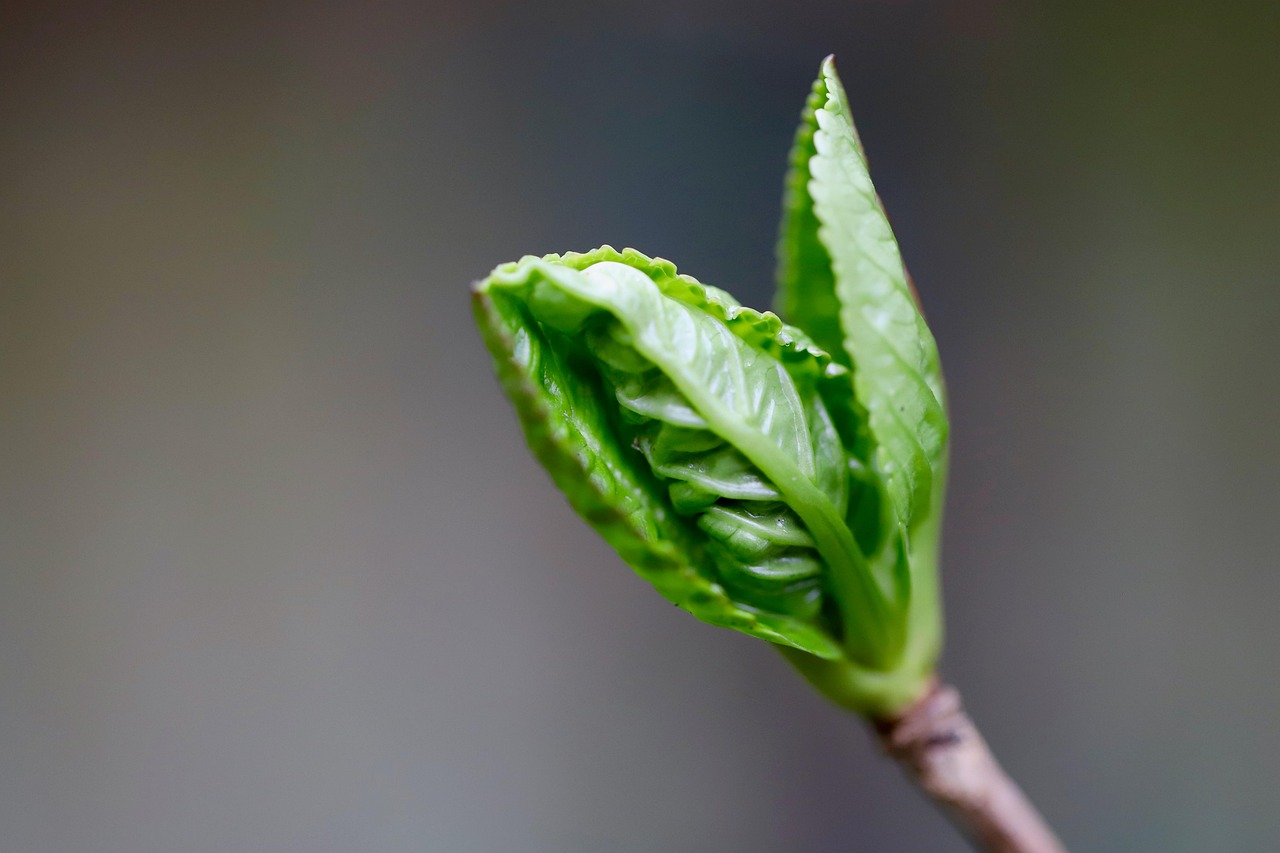
Pruning Techniques and Safety
Pruning is essential for maintaining the health and shape of your hydrangeas, but the timing depends entirely on your specific variety. Before you make a single cut, identify whether your plant blooms on “old wood” or “new wood.”
If your hydrangea blooms on old wood—such as Bigleaf (Hydrangea macrophylla) or Oakleaf varieties—prune them immediately after flowering in mid-summer. If you wait until winter or early spring, you will accidentally remove the developing flower buds, resulting in a season with no blooms. Conversely, varieties that bloom on new wood, like Panicle (Hydrangea paniculata) or Smooth (Hydrangea arborescens) hydrangeas, should be pruned in late winter or early spring while the plant is still dormant.
To ensure clean, healthy cuts that heal quickly, follow these best practices:
- Use the right tools: Always use sharp, clean bypass pruners. Dull blades crush stems rather than slicing through them, which can invite disease or rot.
- Precision matters: Make your cuts at a 45-degree angle just above a healthy leaf node. This encourages outward growth and prevents water from pooling on the cut surface.
- Prioritize protection: Wear durable gardening gloves to protect your hands from potential skin irritation caused by plant sap or hidden thorns.
- Guard your eyes: When using long-reach loppers to trim taller, established shrubs, always wear safety glasses. This simple step prevents eye injuries from falling woody debris or snapping branches.
If you are ever unsure about your specific variety, it is safer to perform only “sanitary pruning.” This involves simply removing dead, damaged, or diseased stems at any time of year. This approach keeps the plant tidy and healthy without the risk of sacrificing next year’s floral display. Always sanitize your blades with rubbing alcohol between plants to prevent the spread of pathogens, ensuring your garden remains vibrant and disease-free.
Managing Soil pH for Flower Color
For bigleaf hydrangeas (Hydrangea macrophylla), soil chemistry acts as a natural color palette. Unlike many other plants, these hydrangeas can change their petal hue based on the availability of aluminum in the soil, which is dictated by your soil’s pH level.
In acidic soil with a pH below 6.0, aluminum becomes readily available for the plant to absorb, resulting in vibrant blue flowers. Conversely, in alkaline soil with a pH above 7.0, the plant cannot access this aluminum, causing the blooms to turn pink. If your soil sits in the neutral range, you may see a blend of purple or mauve flowers.
If you want to influence your hydrangea’s color, you must test your soil first using a reliable home testing kit. Once you have a baseline, you can gradually amend the soil:
- To encourage blue flowers: Apply garden sulfur or aluminum sulfate to lower the pH. This process increases soil acidity, making aluminum more accessible to the roots.
- To encourage pink flowers: Apply garden lime (calcium carbonate) to raise the pH. This makes the soil more alkaline, which effectively “locks out” the aluminum.
Managing soil pH is a slow process that requires patience. Do not expect an overnight transformation; it often takes an entire growing season for amendments to fully integrate into the root zone and influence the next set of buds. Always apply these products sparingly, following the manufacturer’s instructions carefully to avoid burning the root system.
Keep in mind that white-flowered hydrangea varieties, such as ‘Annabelle’ or ‘PeeGee,’ are genetically incapable of changing color regardless of soil pH. Before investing time in soil amendments, confirm that your specific hydrangea variety is one of the types that responds to pH shifts. For the best results, maintain consistent moisture levels, as hydrangeas need adequate water to transport these nutrients from the soil into their developing blooms.

Keep Reading
How to Care for Mandevilla Indoors: A Practical Guide
How to Care for Majesty Palm Trees Indoors: A Practical Guide
How to Care for a Majesty Palm Plant: A Complete Guide
How to Care for a Majesty Palm Indoors: A Complete Guide
How to Care for a Maidenhair Fern Indoors: A Practical Guide
How to Care for a Maidenhair Fern: A Practical Guide
How to Care for Lucky Bamboo Indoors: A Simple Guide
How to Care for Lucky Bamboo in Water: A Simple Guide
How to Care for Lucky Bamboo in Soil: A Complete Guide
How to Care for Lucky Bamboo in Rocks: A Simple Guide
How to Care for an Indoor Lime Tree for Healthy Growth and Fruit
How to Care for a Lime Tree in a Pot: A Practical Guide
How to Care for Lilacs Indoors: A Practical Guide
How to Care for an Indoor Lemon Tree for Healthy Growth
How to Care for a Lemon Plant in a Pot: A Practical Guide
How to Care for Lemon Balm Indoors: A Practical Guide
How to Care for a Lavender Tree Indoors: A Practical Guide
How to Care for a Lavender Tree in a Pot
How to Care for Lavender Indoors: A Practical Guide for Success
How to Care for Lavender in a Pot for Thriving Potted Plants
Common Questions and Ongoing Care
If your hydrangeas fail to bloom, the culprit is often improper pruning or extreme weather. Most popular varieties, such as Bigleaf hydrangeas, set their flower buds on “old wood” from the previous season. If you prune these in the late winter or spring, you accidentally remove the upcoming blooms. Always wait until immediately after flowering to prune. In colder climates, providing winter protection—such as wrapping the shrub in burlap or adding a thick layer of mulch around the base—can prevent late frosts from killing delicate buds.
Consistent care is the secret to lush, healthy plants. Hydrangeas have shallow root systems that dry out quickly, so maintaining a steady moisture level is essential. Applying a two-to-three-inch layer of organic mulch, such as shredded bark or pine needles, serves three vital purposes:
- Retains soil moisture by reducing evaporation.
- Suppresses weeds that compete for nutrients.
- Insulates roots against extreme temperature fluctuations.
Water deeply at the base of the plant rather than overhead to keep foliage dry and prevent fungal diseases like powdery mildew. If you notice persistent yellowing leaves (chlorosis) or stunted growth despite your best efforts, do not panic. These symptoms often indicate an underlying soil pH imbalance or a nutrient deficiency, which is common in areas with highly acidic or alkaline soil.
When basic adjustments do not resolve the issue, seek expert guidance. Contact your local cooperative extension office or a certified master gardener. They can provide specific instructions on how to take a soil sample for professional testing. This data will tell you exactly which nutrients your soil lacks, allowing you to treat the plant with targeted amendments rather than guessing. If pests or diseases are the cause, these professionals can also recommend safe, localized management strategies to restore your garden’s vitality. By observing your hydrangeas closely throughout the growing season, you can intervene early and keep your shrubs thriving for years to come.

Dedicated team of gardening enthusiasts with years of hands-on experience testing lawn mowers, gardening tools, and outdoor equipment. We help home gardeners and professionals alike make informed buying decisions with honest, thorough reviews. From push mowers to pruning shears, we test it all so you don’t have to. Got a gardening tool you’d like us to review? Get in touch!