
Attracting hummingbirds to feed from your hand is a rewarding experience that requires patience, consistency, and a deep respect for wildlife. By creating a welcoming environment with the right garden maintenance and native plants, you can gradually earn the trust of these fascinating creatures and encourage them to land safely on your palm.
While this process is truly magical, it is important to remember that hummingbirds are wild animals and should never be forced to interact. Success relies on establishing a reliable routine in your backyard, using quality lawn care equipment to keep the area tidy, and ensuring your outdoor power equipment does not disturb their habitat.
This guide outlines the ethical steps to build trust with these birds while ensuring their health and safety in your garden. We will explore how to select the best hand tools for habitat improvement, maintain your feeders, and implement practical home gardening techniques that make your outdoor space a sanctuary for visiting hummingbirds.
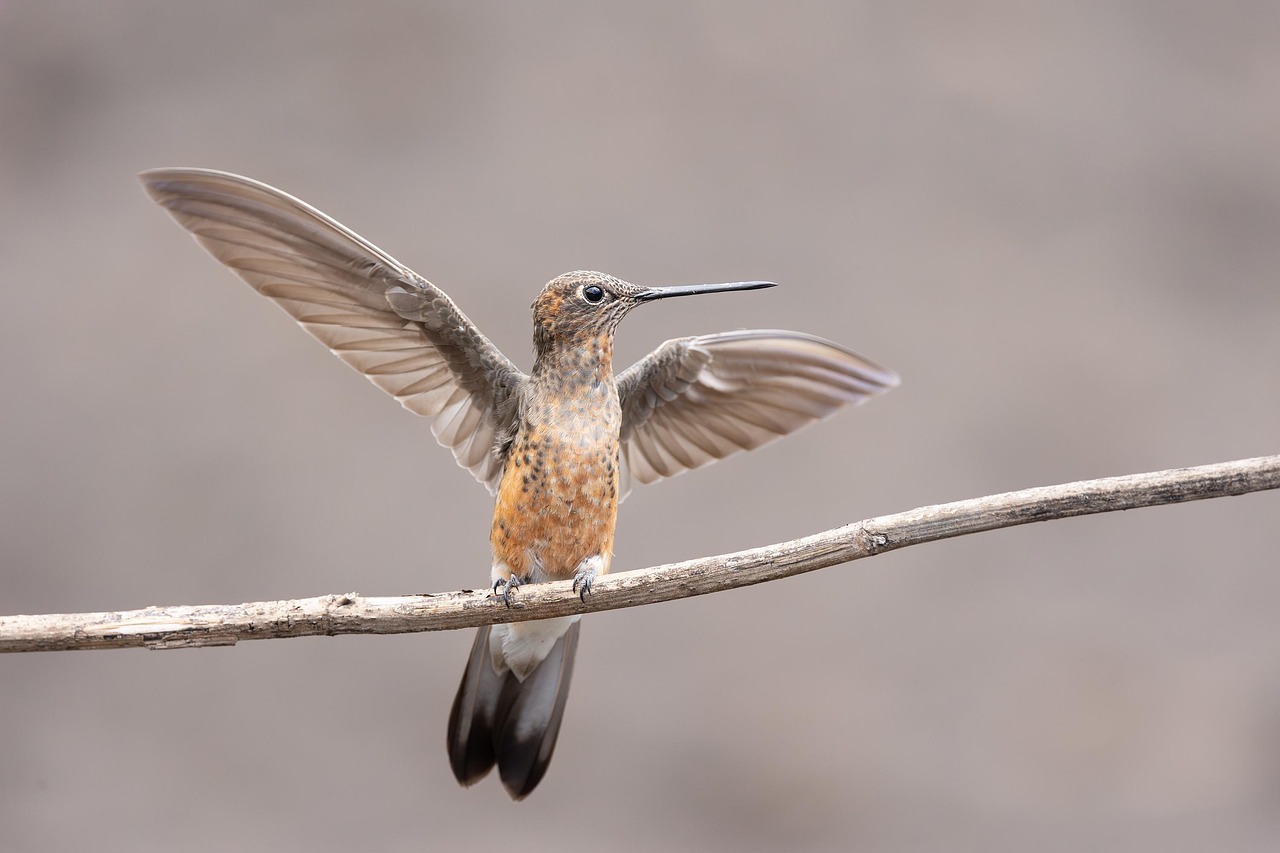
Create a Hummingbird-Friendly Environment
Before you attempt to feed hummingbirds by hand, you must first transform your yard into a sanctuary where they feel safe and well-nourished. These high-energy birds require a reliable food source and a secure habitat to thrive. By curating a garden that mimics their natural environment, you build the trust necessary for them to approach you.
Start by prioritizing native plants. Hummingbirds have evolved alongside local flora, making native species the most efficient fuel sources. Focus on nectar-rich, tubular-shaped flowers that accommodate their unique beaks. Excellent choices include:
- Bee Balm (Monarda): A perennial favorite that provides abundant nectar throughout the summer.
- Salvia: Available in many varieties, these plants are hardy and highly attractive to pollinators.
- Columbine: Perfect for early-season feeding when other flowers may not yet be in bloom.
Beyond food, water is essential. Hummingbirds rarely bathe in traditional deep birdbaths; instead, they prefer to fly through mist or light sprays. Installing a dedicated mister or a shallow basin with a gentle fountain feature will attract them for grooming. Keep these water sources scrupulously clean to prevent the spread of avian diseases, using only mild soap and water, and rinsing thoroughly.
Your maintenance routine plays a critical role in bird safety. Because hummingbirds consume large quantities of tiny insects for protein—especially when nesting—you must eliminate the use of pesticides and herbicides in your yard. Chemical treatments not only kill their food supply but can also be toxic to the birds themselves. Opt for manual weeding and physical barriers to manage garden pests, ensuring your outdoor space remains a non-toxic haven.
Finally, provide natural perches. Hummingbirds spend roughly 80% of their day sitting on branches to conserve energy. Leave some dead twigs on shrubs or install thin, horizontal wires near your flower beds. By offering these resting spots, you give the birds a vantage point to observe you. When they feel comfortable enough to perch near your presence, you are ready to begin the process of hand-feeding. Consistency is key; once you establish a safe, pesticide-free environment, the hummingbirds will return to your garden season after season, gradually becoming accustomed to your quiet, steady presence.
Establish a Reliable Feeding Routine
Hummingbirds are creatures of habit with high metabolic needs, making consistency the most critical factor in attracting them. To turn your garden into a reliable destination, establish a steady feeding routine that these birds can depend on throughout the season.
Start by installing a standard nectar feeder in a quiet, sheltered area of your garden. Choose a location that is visible from your home but away from high-traffic paths or areas where pets and children play. Hummingbirds are cautious; providing a calm environment helps them feel secure enough to return repeatedly.
The nectar solution should be simple and mimic natural sources. Mix four parts water with one part white granulated sugar. Boil the water first to ensure purity, then stir in the sugar until completely dissolved. Once the mixture cools, fill your feeder. Never use red dyes, as these can be toxic to hummingbirds, and avoid honey or artificial sweeteners, which can cause dangerous fungal infections or liver damage.
Maintaining the feeder requires a disciplined approach to hygiene:
- Frequency: Change the nectar every three to five days, or more frequently during extreme heat, to prevent fermentation and mold growth.
- Cleaning: Every time you refill the reservoir, rinse it thoroughly with hot water. Use a small bottle brush to scrub the feeding ports to remove any hidden residue.
- Inspection: Check the feeder for cracks or leaks that might attract ants or bees, which can deter hummingbirds.
While your garden maintenance tools—such as pruning shears for clearing paths or rakes for tidying flower beds—keep your outdoor space inviting, the feeder is the anchor of your hummingbird habitat. By keeping the solution fresh and the area undisturbed, you build trust with these birds. Over time, they will learn to associate your garden with a safe, dependable food source, increasing the likelihood that they will linger longer and visit more frequently.
Consistency is the primary bridge between a casual visitor and a resident hummingbird. If you remain diligent with your cleaning schedule and nectar preparation, you create a predictable rhythm that signals to these birds that your garden is a premium, high-energy stopover in their daily migration and foraging routes.

The Process of Building Trust
Building trust with hummingbirds requires a transition from passive observation to active participation. Once birds are consistently visiting your stationary feeder, begin sitting near it for longer periods. Your goal is to become a familiar, non-threatening part of the landscape. Choose a comfortable chair and remain perfectly still; hummingbirds are highly sensitive to movement and will be startled by sudden gestures or shifting weight.
After several days of successful cohabitation, move to the next phase. Remove the stationary feeder and hold a small handheld nectar feeder or a shallow red dish in your open palm. Position your hand exactly where the feeder previously hung. Keep your arm steady and your eyes soft, avoiding direct, intense staring, which can be perceived as predatory behavior.
To increase your chances of success, consider these practical tips for maintaining a calm environment:
- Minimize Distractions: Wear neutral-colored clothing that blends into your garden environment. Avoid strong perfumes or scented lotions, as these can deter birds.
- Optimize Your Posture: Support your elbow on your knee or a garden stool to prevent muscle fatigue, which leads to involuntary shaking.
- Time Your Sessions: Hummingbirds are most active during the early morning and late afternoon. These are the best times to attempt hand-feeding.
- Maintain Tool Hygiene: If using a handheld feeder, ensure it is cleaned daily with hot water and vinegar to prevent mold. Never use soap or chemicals that could harm the birds.
Patience is the most critical tool in your gardening kit. It may take several weeks for a particularly bold hummingbird to investigate your hand. Do not feel discouraged if they fly away repeatedly; each visit increases their comfort level. Avoid the temptation to reach toward them or move your hand to follow their flight path. By remaining as still as a garden stake, you signal to the bird that you are a safe, inanimate object rather than a threat.
Eventually, the birds will recognize you as a reliable source of food. When a hummingbird finally lands, resist the urge to flinch or gasp. Keep your breathing slow and steady. This rewarding experience is the culmination of consistent garden maintenance and careful observation, turning your backyard into a sanctuary of mutual trust.
Safety and Ethical Considerations
Attracting hummingbirds to your hand requires extreme patience and a deep respect for their natural boundaries. Your primary goal is to create a safe, stress-free environment. Never attempt to grab, hold, or restrict a hummingbird. These creatures have incredibly high metabolisms and fragile skeletal structures; even a gentle grasp can cause fatal injury or permanent stress.
When working in your garden, your equipment must be managed with the birds’ safety in mind. Follow these practical guidelines to maintain a bird-friendly sanctuary:
- Store tools securely: Always return hand tools, shears, and trowels to a shed or storage box immediately after use. Sharp edges left in the grass or near feeders pose a physical hazard to low-flying birds.
- Clean your hands: Hummingbirds may accidentally taste your skin if you are holding a feeder. Ensure your hands are free of perfumes, lotions, insect repellents, and chemical residues. These substances can be toxic if ingested by a bird. Use only mild, fragrance-free soap before attempting to interact with them.
- Schedule power equipment use: Lawn mowers, leaf blowers, and trimmers produce loud noises and vibrations that startle hummingbirds. Perform heavy garden maintenance tasks during the early morning or late afternoon, well away from the peak midday hours when birds are most active at your feeders.
- Clear the workspace: Before starting any outdoor power equipment, do a quick sweep of the immediate area. Ensure no nesting materials or hidden perches are in the path of your machinery to prevent accidental habitat destruction.
If you are using motorized equipment, keep it at least 30 to 50 feet away from active feeding stations. The goal is to make your presence a neutral, non-threatening part of the landscape. If a bird seems agitated, flies erratically, or makes clicking sounds, it is signaling distress. Back away slowly and allow the bird to return to its natural behavior.
By keeping your garden tools organized and your chemical footprint minimal, you create a reliable space where hummingbirds feel comfortable approaching you on their own terms. Ethical observation is always about waiting for the bird to choose the interaction, rather than forcing it.

Frequently Asked Questions and Responsible Observation
Attempting to attract hummingbirds to your hand is a delicate process that relies entirely on the bird’s comfort level. It is important to understand that not every hummingbird will choose to land on a human. These birds are naturally cautious, and their willingness to approach you depends on their personality, the environment, and the level of trust established over time.
Never attempt to force an interaction. Chasing, cornering, or making sudden movements to get a bird closer will only cause stress and may drive them away from your garden permanently. Your goal should be to create a welcoming, safe habitat where hummingbirds feel secure enough to visit on their own terms.
If you encounter a bird that appears injured, lethargic, or unable to fly, do not attempt to handle it yourself. Hummingbirds have extremely fragile skeletal structures and high metabolic needs that require specialized care. Instead, follow these steps:
- Observe the bird from a distance to assess if it is truly in distress or simply resting.
- If intervention is necessary, contact a licensed local wildlife rehabilitator immediately for professional guidance.
- Keep pets and children away from the area to prevent further stress or potential predation.
- Do not attempt to feed or hydrate an injured bird, as improper technique can lead to aspiration or further harm.
Always prioritize the bird’s natural behaviors and well-being over your desire for a photo or a close encounter. Responsible observation means respecting the boundaries of wildlife. If a hummingbird chooses to land on your hand, remain perfectly still and avoid breathing directly on the bird or making loud noises. If it does not choose to land, simply enjoy the privilege of watching these magnificent creatures thrive in the garden you have cultivated for them.
By maintaining a consistent, quiet, and nectar-rich environment, you increase the likelihood of peaceful interactions. Remember that the ultimate success of your gardening efforts is measured by the health and vitality of the hummingbird population in your area, not by the number of close-up photographs you capture. Patience and respect are the most important tools in your gardening kit when it comes to connecting with nature.

Dedicated team of gardening enthusiasts with years of hands-on experience testing lawn mowers, gardening tools, and outdoor equipment. We help home gardeners and professionals alike make informed buying decisions with honest, thorough reviews. From push mowers to pruning shears, we test it all so you don’t have to. Got a gardening tool you’d like us to review? Get in touch!