
Fungus gnats are a common frustration for indoor and outdoor gardeners. This guide explains why they appear and provides actionable, non-toxic methods to eliminate them and protect your plants from further damage. By addressing the root cause of their presence, you can quickly restore the health of your home garden and prevent future infestations.
While these tiny pests are mostly a nuisance, they can harm delicate root systems if left unchecked. It is important to understand that complete eradication requires a consistent approach rather than a single quick fix. We will look at how your lawn care equipment and garden maintenance habits influence their ability to thrive in your soil.
In the following sections, we explore practical techniques ranging from simple soil adjustments to effective biological controls. You will learn how to monitor your greenery, manage moisture levels, and utilize essential hand tools to keep your plants thriving. Follow these expert tips to reclaim your space and keep your garden free from bothersome gnats.
Identify and Understand the Problem
Before you reach for heavy-duty outdoor power equipment or chemical sprays, it is essential to identify exactly what is buzzing around your indoor garden. Not every small flying insect is a threat, but misidentifying a pest can lead to ineffective treatments and unnecessary stress for your plants.
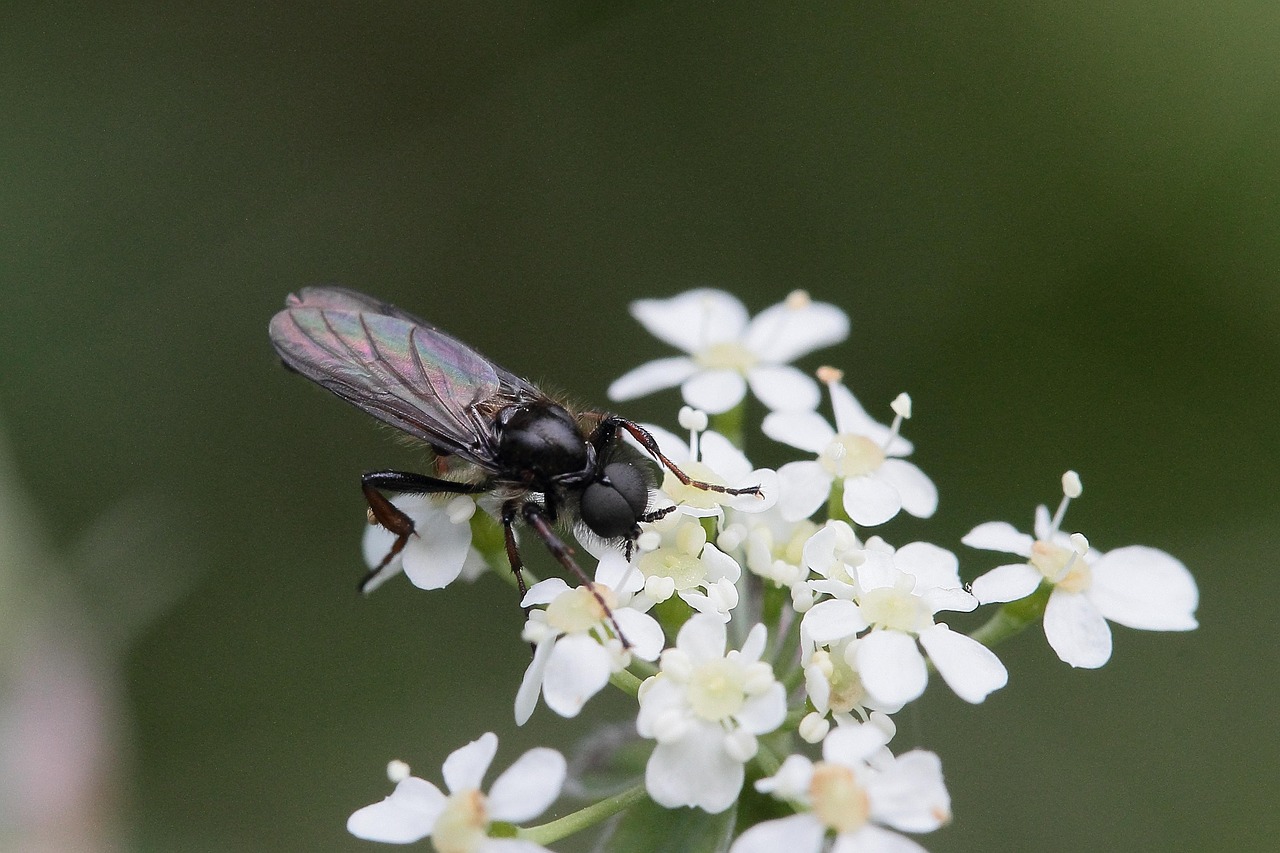
The most common culprit in home gardens is the fungus gnat. These tiny, dark-colored flies are primarily a nuisance to humans, but their life cycle poses a genuine risk to your greenery. Understanding their habits is the first step toward reclaiming your space.
Fungus gnats thrive in specific environments. They are attracted to damp soil, high humidity, and decaying organic matter. If you notice a swarm, it is often a signal that your watering routine may be keeping the top layer of soil too moist for too long, creating a perfect nursery for their eggs.
To distinguish fungus gnats from other pests, look for these key indicators:
- Movement: Fungus gnats are weak fliers that tend to hover near the soil surface or run across the potting mix rather than flying long distances.
- Location: You will typically find them congregating around the base of the plant or near the drainage holes of your pots.
- Plant Health: While the adults are annoying, the real damage happens beneath the surface. The larvae feed on organic debris, but when populations explode, they will begin to chew on delicate plant roots, causing wilting, yellowing leaves, and stunted growth.
If you see insects that jump rather than fly, you might be dealing with springtails, which are generally harmless and feed on mold. If the insects are flying rapidly or appear to be eating the leaves themselves, you may have a different pest, such as whiteflies or aphids, which require different maintenance strategies.
By observing the behavior and location of the insects, you can confirm if you are dealing with a fungus gnat infestation. Once you confirm the problem is rooted in the soil, you can shift your focus to moisture management and proper maintenance. Remember, the goal is to break the lifecycle by drying out the habitat, rather than relying on harsh tools or chemicals that could disrupt the delicate balance of your indoor ecosystem.
The Most Effective Methods to Eliminate Gnats
The most effective way to eliminate a gnat infestation is to disrupt their life cycle by addressing both the adults flying around your plants and the larvae living in the soil. Because fungus gnats thrive in moist, organic-rich environments, your first line of defense is adjusting your watering habits.
Allow the top two inches of soil to dry out completely between waterings. Fungus gnat larvae require consistent moisture to survive; by letting the surface layer dry, you effectively kill off the developing generation. Ensure your pots have adequate drainage holes to prevent water from pooling at the bottom, which creates a breeding ground for pests.
To manage the adult population, use yellow sticky traps. Gnats are naturally attracted to the color yellow, and these adhesive cards will capture them before they can lay more eggs. Place the traps horizontally on the soil surface or vertically near the base of the plant for the best results.
If the infestation persists, you must target the larvae directly within the soil. Consider these proven biological and organic treatments:
- BTI (Bacillus thuringiensis israelensis): This is a highly effective, natural bacterium that specifically targets gnat larvae without harming your plants, pets, or beneficial insects. You can find this in products like “Mosquito Bits,” which can be soaked in your watering can.
- Neem Oil: A natural horticultural oil that acts as a systemic repellent. When diluted and applied as a soil drench, it disrupts the growth cycle of the larvae.
- Hydrogen Peroxide Drench: Mix one part 3% hydrogen peroxide with four parts water. Pouring this into the soil will kill larvae on contact through oxidation. It is safe for most plants, though you should test a small area first.
Consistency is key when managing these pests. Because eggs are constantly hatching, you should continue your chosen treatment for at least two to three weeks to ensure you have broken the cycle entirely. By combining soil management with targeted biological controls, you can keep your indoor garden healthy and gnat-free without relying on harsh chemical pesticides that could damage your home environment or your plants.

Preventative Maintenance for Your Garden
Long-term gnat control begins with managing the environment where these pests thrive: moist, organic-rich soil. Fungus gnats are attracted to damp growing media, where adults lay eggs that hatch into larvae that feed on roots. By adjusting your maintenance routine and utilizing the right landscaping materials, you can make your garden and indoor plants inhospitable to these pests.
Proper drainage is your first line of defense. Ensure all pots have functional drainage holes and never allow them to sit in standing water. If you use decorative cachepots, always empty them after watering. Overwatering is the primary cause of gnat infestations; allow the top two inches of soil to dry out completely between waterings. This simple habit disrupts the life cycle of the gnats by dehydrating developing larvae.
You can also create a physical barrier to prevent adults from accessing the soil surface. Consider these practical strategies:
- Inorganic Top Dressings: Apply a half-inch layer of fine sand, decorative gravel, or expanded clay pebbles over the surface of your potting soil. Because these materials dry out quickly and do not contain organic matter, adults cannot lay their eggs, and emerging larvae struggle to survive.
- Soil Maintenance: Avoid using garden soil or compost that has not been fully sterilized for indoor containers, as these are common sources of gnat eggs and larvae.
- Tool Hygiene: Keep your hand tools and garden equipment clean. Residue on trowels or pruners can harbor pests or fungal spores that attract gnats.
Prevention also requires vigilance when introducing new greenery. Before bringing a new plant into your home or greenhouse, perform a thorough inspection. Check the underside of leaves for signs of pests and gently probe the soil surface to see if gnats fly up. It is best practice to keep new arrivals in a separate area for at least two weeks to ensure they are pest-free before placing them near your established collection.
Finally, keep your garden area tidy. Remove dead leaves, fallen blossoms, and decaying organic debris from the soil surface, as these provide a food source for larvae. By combining consistent watering habits with strategic top dressing and rigorous inspection protocols, you can effectively minimize the risk of a gnat infestation and maintain a healthier, more resilient garden environment.
Safety and Proper Handling of Garden Supplies
Maintaining a healthy garden requires more than just the right tools; it demands a commitment to safety, especially when dealing with concentrated treatments like horticultural oils, neem oil, or soil amendments. Whether you are using power equipment to mix soil or applying a treatment to eliminate gnats, your health should always be the priority.
Before opening any chemical treatment, ensure you are working in a well-ventilated area. If you are applying treatments indoors to manage a gnat infestation, open windows or use a fan to ensure fresh air circulation. Concentrated products can release fumes or fine mists that may irritate your respiratory system if inhaled in enclosed spaces.
Always protect your skin and eyes from accidental splashes or contact. Follow these essential safety practices every time you handle garden supplies:
- Wear protective gear: Use chemical-resistant gloves to prevent skin absorption or irritation. Wear safety goggles to shield your eyes from accidental splashes when pouring or spraying liquids.
- Read the label: Always follow the manufacturer’s instructions regarding dilution ratios and application frequency. Using more product than recommended will not kill gnats faster and may damage your plants or create a toxic environment.
- Secure your supplies: Store all gardening chemicals, fertilizers, and concentrated oils in their original containers. Keep them in a locked cabinet or a high shelf, completely out of reach of children and pets.
- Maintain hygiene: Soil can harbor bacteria, and treatment residues can be persistent. Always wash your hands thoroughly with soap and warm water immediately after handling soil, tools, or chemical treatments, even if you wore gloves.
If you are using outdoor power equipment to spread soil amendments or compost, ensure the equipment is turned off and fully disconnected from power sources before performing any maintenance or cleaning. Never leave open containers of soil additives unattended in the yard where pets might ingest them. By treating your garden supplies with the same caution you would use for household cleaners, you create a safer environment for your plants and your family. If a product accidentally comes into contact with your skin or eyes, flush the area with cool water for at least 15 minutes and consult the product label or a medical professional for further instructions.

When to Seek Further Help
Breaking the fungus gnat life cycle requires patience and consistency. Because these pests have a rapid reproductive rate, you must maintain your treatment—whether through yellow sticky traps, neem oil, or beneficial nematodes—for at least three to four weeks. This duration ensures you catch the next generation of larvae as they emerge from the soil before they can mature and lay more eggs.
If you have been diligent with your efforts for a full month and the gnat population remains high, it is time to reassess the situation. A persistent infestation often indicates that the larvae have burrowed deep into the root zone or that the soil drainage is insufficient, creating a permanent breeding ground.
In cases of severe infestation, repotting is your most effective tool. Follow these steps to reset your plant’s environment:
- Gently remove the plant from its current pot and shake away as much of the old, infested soil as possible.
- Inspect the root system carefully. If roots appear mushy, discolored, or emit a foul odor, they are likely suffering from root rot caused by overwatering. Trim away these damaged sections with sterilized hand pruners.
- Repot the plant into a clean container using fresh, high-quality potting mix that offers better aeration.
- Ensure the new pot has adequate drainage holes to prevent future moisture buildup.
If you notice the plant’s leaves yellowing, wilting, or dropping despite these interventions, the damage may have reached the vascular system. At this stage, the plant may be beyond recovery.
Do not hesitate to seek professional advice if the problem persists. Your local nursery staff can provide region-specific guidance on soil amendments or specialized products that are safe for your particular plant species. Alternatively, contact your local agricultural extension office. These organizations offer expert, science-based advice and can help you identify if you are dealing with a more complex pest issue or a chronic fungal disease. They are an invaluable resource for maintaining the long-term health of your home garden and outdoor landscape.