
Fungus gnats are a common frustration for indoor gardeners, often appearing after overwatering. You can effectively control these pests by allowing your soil to dry out completely between waterings and using sticky yellow traps to catch the adults. These simple adjustments disrupt their life cycle and prevent future infestations from taking hold in your home.
While these tiny flies are mostly a nuisance, they can signal underlying issues with your plant care routine. It is important to remember that complete eradication takes patience and consistency rather than a single quick fix. Understanding the root cause of the moisture buildup is the most reliable way to maintain a healthy indoor garden environment.
This guide explains how to identify these pests and provides practical, step-by-step methods to eliminate them and protect your houseplants using safe, household-friendly techniques. From natural soil drenches to surface barriers, we will walk you through every effective strategy. Follow these expert tips to regain control and keep your favorite indoor plants thriving all year long.

Identifying the Problem
Before you reach for pesticides or start repotting, you must confirm that the pests hovering around your houseplants are indeed fungus gnats. Mistaking them for other common insects, such as whiteflies or spider mites, can lead to ineffective treatments that fail to address the root cause of the infestation.
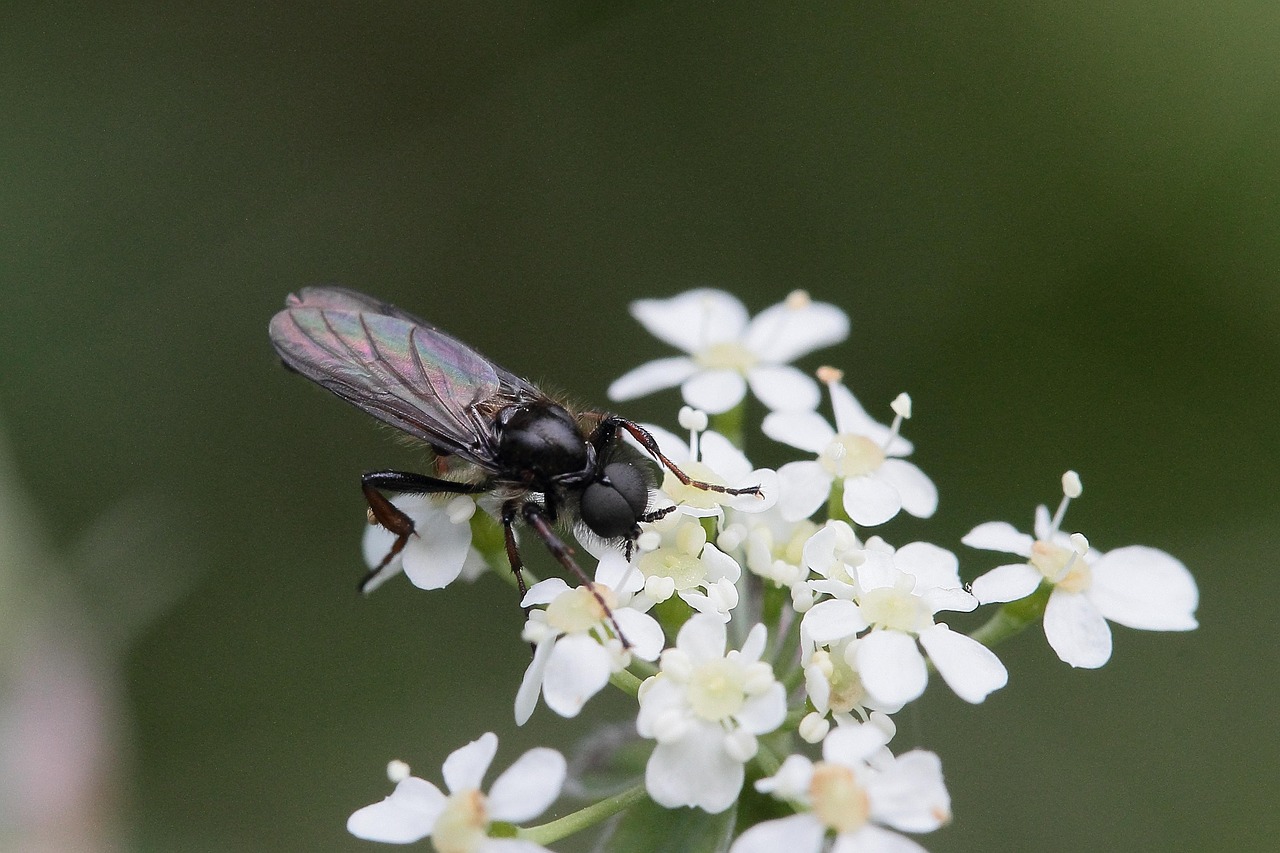
Fungus gnats are tiny, dark-colored flies, typically measuring about 1/8 of an inch. They are weak fliers and are most often seen buzzing erratically around the soil surface or resting on the leaves of your plants. Unlike other pests that feed on plant sap, adult fungus gnats are primarily a nuisance; the real damage occurs beneath the surface.
The larvae live in the top one to two inches of damp potting mix. They feed on organic matter, fungi, and decaying root hairs, which can stunt plant growth and weaken your greenery. To confirm their presence, look for these specific signs:
- Soil Inspection: Gently scrape back the top layer of soil. You may see tiny, translucent, worm-like larvae with distinct black heads.
- Sticky Traps: Place small yellow sticky cards near the base of the plant. Fungus gnats are highly attracted to the color yellow and will become trapped, providing a clear visual count of the population.
- Disturbance: If you lightly tap the pot or water the plant, adults will often take flight immediately, revealing their presence.
It is vital to distinguish these from fruit flies. While fruit flies are attracted to ripening produce in your kitchen, fungus gnats are strictly tied to the moisture and organic material found in your potting soil. If you notice flies congregating near your houseplants but nowhere else in the home, you are almost certainly dealing with a fungus gnat colony.
Once you have confirmed their presence, take note of the soil condition. Fungus gnats thrive in consistently wet environments. If your soil remains soggy for days after watering, you have likely created an ideal nursery for these pests. Identifying the problem is the first step in your management strategy; by confirming the infestation now, you can focus your efforts on drying out the soil and breaking the life cycle of the larvae before they cause significant damage to your plant’s root system.
Adjusting Watering Habits
The most effective long-term strategy for controlling fungus gnats is breaking their life cycle by disrupting their habitat. These pests thrive in consistently damp, organic-rich soil, which provides the perfect environment for larvae to feed and mature. By adjusting your watering routine, you can create conditions that are inhospitable to these insects, effectively stopping new eggs from hatching.
The primary goal is to allow the top two inches of your potting soil to dry out completely between waterings. Fungus gnat larvae require constant moisture to survive; when the surface layer of soil becomes arid, the larvae are unable to thrive, and the adult gnats lose their preferred location for laying new eggs.
To implement this change successfully, follow these practical steps:
- Check soil moisture: Before adding water, insert your finger or a wooden dowel two inches deep into the soil. If you feel any dampness, wait another day or two before watering.
- Improve drainage: Ensure your pots have functional drainage holes. If water sits in the bottom of a decorative planter or a saucer, it creates a reservoir that keeps the soil saturated, inviting infestations.
- Use the “bottom-up” method: Instead of pouring water onto the surface—which keeps the top layer consistently wet—place your pot in a tray of water for 15 minutes. This allows the roots to absorb moisture from below while keeping the surface dry.
- Adjust for the season: Indoor plants require significantly less water during the winter months when growth slows down. Reduce your watering frequency accordingly to prevent the soil from staying soggy for too long.
Consistency is essential when shifting your habits. While it may be tempting to water frequently, most indoor plants prefer a cycle of hydration followed by a period of aeration. By allowing the soil to dry out, you not only eliminate the breeding grounds for fungus gnats but also promote healthier root systems by preventing root rot. If you find that your soil stays wet for more than a week, consider repotting into a faster-draining mix amended with perlite or pumice to improve airflow and drainage, which further discourages pest colonization.
Using Physical and Natural Barriers
When dealing with a fungus gnat infestation, the most effective strategy involves disrupting their life cycle at the soil surface. Since these pests rely on moist organic matter to lay their eggs, creating a physical barrier is a practical, non-toxic solution for indoor gardeners.
Apply a layer of horticultural sand or fine decorative gravel approximately half an inch thick over the surface of your potting soil. This layer serves two purposes: it creates an inhospitable environment that prevents adult gnats from accessing the soil to deposit new eggs, and it acts as a mechanical trap for any larvae attempting to emerge. Ensure the layer is uniform and covers the entire surface area of the pot to leave no gaps for the insects to exploit.
If a physical barrier is not feasible for your specific plant setup, you can turn to natural biological controls. These methods target the larvae directly within the soil without introducing harsh chemicals into your home environment:
- BTI (Bacillus thuringiensis israelensis): This is a naturally occurring bacterium that specifically targets the larvae of fungus gnats and mosquitoes. It is safe for use around pets and humans. You can find BTI in “mosquito dunks” or granules, which are dissolved in water and used during your regular watering routine.
- Neem Oil Solution: A diluted neem oil drench can help manage soil-dwelling pests. Mix a high-quality, cold-pressed neem oil with water and a drop of mild dish soap, then use this mixture to water your plants. This disrupts the development of the larvae.
Consistency is vital when using these methods. Because fungus gnats have overlapping generations, you should maintain your chosen barrier or treatment for at least three to four weeks. This duration ensures that any eggs already present in the soil are addressed as they hatch. Additionally, always allow the top inch of your soil to dry out completely between waterings. Fungus gnats thrive in consistently damp conditions, so reducing soil moisture is the most important cultural practice to complement your physical and biological barriers. By combining these steps, you can break the breeding cycle and restore the health of your indoor garden without relying on synthetic pesticides.
Safety and Maintenance Precautions
When managing a gnat infestation, your health and the longevity of your gardening tools should remain top priorities. Before applying any treatment—whether a homemade neem oil solution or a commercial insecticidal soap—always wear protective gloves. This simple step shields your skin from potential irritants, concentrated botanical oils, and soil-borne bacteria that may thrive in damp, gnat-infested potting mixes.
If you opt for spray-based insecticidal soaps, ventilation is critical. Avoid applying treatments in enclosed, stagnant rooms. Instead, move your plants to a well-ventilated area or open nearby windows to ensure you are not inhaling fine mists or chemical residues. Always follow the manufacturer’s instructions regarding application frequency and dilution ratios to avoid damaging your foliage.
Safety extends beyond the application process. Gardening chemicals, concentrated solutions, and sticky traps should be stored securely out of reach of children and pets. Even organic treatments can be harmful if ingested or handled improperly, so keep all supplies in a locked cabinet or a high-shelf storage area.
Proper tool maintenance is equally vital for a healthy indoor garden. If you use hand tools like trowels, pruners, or soil scoops to manage your plants, keep them in peak condition by following these steps:
- Clean after use: Wipe down blades and metal surfaces with a damp cloth to remove residual soil and moisture.
- Disinfect: If you have been working with infected soil, wipe your tools with rubbing alcohol to prevent spreading fungus gnat larvae or pathogens to other healthy plants.
- Dry thoroughly: Never store tools while damp. Moisture is the primary cause of rust, which can dull cutting edges and compromise the structural integrity of your equipment.
- Store in a dry location: Keep your gardening kit in a cool, dry place, such as a dedicated bin or a hanging rack inside a closet.
By keeping your equipment clean and dry, you ensure that your tools are ready for the next task without introducing new pests or diseases into your home. A disciplined approach to maintenance not only protects your investment in high-quality garden tools but also creates a safer, more efficient environment for your indoor plants to recover and thrive.

Follow-up Care and When to Seek Help
After applying your initial treatment, your work isn’t quite finished. Consistency is the most effective way to break the life cycle of fungus gnats. Place yellow sticky traps near the base of your plants and monitor them closely for at least two weeks. These traps serve as both a diagnostic tool and a way to capture any remaining adult gnats before they lay more eggs in your soil.
If you see a significant decrease in the number of trapped gnats, your treatment plan is working. However, if the population remains high or you notice new adults appearing daily, you may need to repeat your soil drench or neem oil application. Always ensure your topsoil is allowed to dry out between waterings, as moist soil is the primary breeding ground for these pests.
Sometimes, despite your best efforts, a plant may continue to struggle. Keep a close eye out for these warning signs of persistent infestation or secondary damage:
- Persistent wilting despite adequate soil moisture.
- Rapid yellowing of lower leaves.
- Stunted growth or a lack of new foliage.
- A musty or decaying odor emanating from the pot.
If you observe these symptoms, the larvae may have already caused significant damage to the root system. In this scenario, the most practical solution is to repot the plant entirely. Carefully remove the plant from its container and gently brush away the old, infested soil. Inspect the root ball for signs of rot—look for roots that appear mushy, discolored, or slimy rather than firm and white.
When repotting, use fresh, sterile potting mix to eliminate any lingering eggs or larvae. Ensure your new pot has adequate drainage holes to prevent the waterlogged conditions that fungus gnats prefer. If the plant continues to decline after you have refreshed the soil and corrected your watering habits, it may be suffering from a deep-seated fungal infection or root rot that requires specialized attention.
In cases where the plant fails to recover, do not hesitate to seek advice from a local nursery. Bring a sample of the affected foliage or a clear photo of the plant to a professional. They can help identify if the issue has progressed beyond a simple gnat infestation into a more complex horticultural problem that requires specific fungicides or specialized care.

Dedicated team of gardening enthusiasts with years of hands-on experience testing lawn mowers, gardening tools, and outdoor equipment. We help home gardeners and professionals alike make informed buying decisions with honest, thorough reviews. From push mowers to pruning shears, we test it all so you don’t have to. Got a gardening tool you’d like us to review? Get in touch!