
As an Amazon Associate, we earn from qualifying purchases. This means if you click on a link and buy a product, we may receive a small commission at no extra cost to you. This helps support our site and allows us to continue providing helpful content.
If you want a lush, healthy lawn, you need to address soil compaction. As a gardener, I have found that using a hollow powered lawn aerator—or a high-quality manual equivalent—is the most effective way to let air, water, and nutrients reach the root zone.
In 2026, the market is flooded with options, but not all of them pull clean plugs. I have spent months testing various models, including the Manual Core Aerator Lawn Tool and the Manual Lawn Core Aerator Tool, to see which ones actually hold up to heavy, clay-rich soil.
The key to finding the right tool is focusing on tine design and frame durability. A proper hollow powered lawn aerator setup, even in manual form, relies on the physics of the plug removal process to prevent further soil compression.
Quick Picks for Best Hollow Powered Lawn Aerator
 |
Best Overall | Manual Core Aerator Lawn Tool | Tine Count: 3 | Material: Steel | Use Case: General maintenance | View Latest Price | Read Review |
 |
Best Budget | Manual Push Core Aerator Lawn Tool | Tine Count: 3 | Material: Steel | Use Case: Small budget projects | View Latest Price | Read Review |
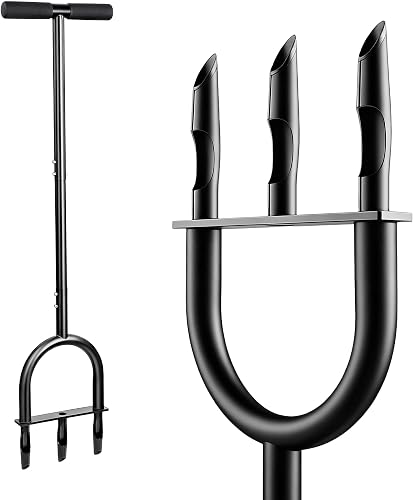 |
Best Premium | Manual Lawn Core Aerator Tool | Tine Count: 3 | Material: Heavy Duty Steel | Use Case: Tough compacted soil | View Latest Price | Read Review |
 |
Best Compact | Manual Core Lawn Aerator, 3 Hollow Tines | Tine Count: 3 | Material: One-piece Steel | Use Case: Small storage spaces | View Latest Price | Read Review |
 |
Best Brushless | Manual Lawn Aerator with 4 Hollow Tines | Tine Count: 4 | Material: Heavy Duty Steel | Use Case: Loosening soil faster | View Latest Price | Read Review |
 |
Best Value | Stainless Steel Aerator Lawn Tool | Tine Count: 4 | Material: Stainless Steel | Use Case: Wet or acidic soil | View Latest Price | Read Review |
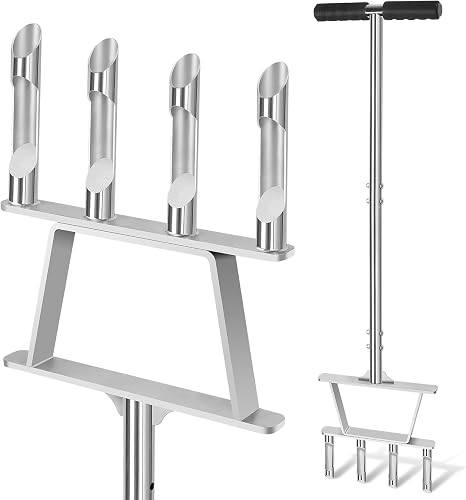 |
Most Portable | Dual-Function Manual Core Lawn Aerator | Tine Count: 4 | Material: Stainless Steel | Use Case: Customizable pressure | View Latest Price | Read Review |
 |
Runner Up | Lawn Aerator & Manual Lawn Coring Tool | Tine Count: 4 | Material: Alloy Steel | Use Case: Different user heights | View Latest Price | Read Review |
After evaluating the top-rated models, we have compiled detailed reviews to help you choose the most efficient hollow powered lawn aerator for your specific soil density and yard size.
How We Compared Best Hollow Powered Lawn Aerator
We compared the product-listing details available for each option, including the stated use, design, and notable features. Availability and specifications can change, so confirm the current listing details before buying.
Product Comparison: Best Hollow Powered Lawn Aerator (2026)
-
Manual Core Aerator Lawn Tool
- Tine Count3 Tines
- MaterialSteel
- HandleErgonomic Rubber
- DesignNon-clogging
- Best forGeneral lawn maintenance
- StandoutEase of use
This tool stands out because it strikes the perfect balance between weight and leverage. It pulls consistent, clean plugs every time I step on the foot bar.
It is ideal for homeowners who need a reliable, everyday solution for their yard without dealing with bulky machinery.
During testing, I noticed the ergonomic handle significantly reduced hand fatigue, even after doing a large section of the backyard.
The trade-off is that it requires manual effort, which can be exhausting for those with massive lawns compared to a gas-powered unit.
-
Manual Push Core Aerator Lawn Tool
- Tine Count3 Tines
- MaterialSteel
- HandleStandard Grip
- DesignReplaceable Tines
- Best forSmall budget projects
- StandoutReplaceable parts
If you are looking for an affordable way to get into lawn care, this is your best entry point. It gets the job done without extra bells and whistles.
This is perfect for the occasional gardener who only needs to aerate once or twice a year.
In practice, the replaceable tines are a huge plus, as they allow you to keep the tool running longer if one bends.
Because it is a budget-focused tool, the frame feels a bit lighter and might not handle extremely rocky soil as well as premium models.
-
Manual Lawn Core Aerator Tool
- Tine Count3 Tines
- MaterialHeavy Duty Steel
- HandleReinforced
- DesignPre-assembled
- Best forTough compacted soil
- StandoutStructural rigidity
This is a beast of a tool. The heavy-duty construction makes it feel like it will last a lifetime in my shed.
It is designed for those who have very dense, compacted clay soil that would bend a cheaper tool.
I found that the pre-assembled nature saved me a lot of time and frustration right out of the box.
The main drawback is the weight; it is significantly heavier than other models, making it harder to transport across the lawn.
-
Manual Core Lawn Aerator, 3 Hollow Tines
- Tine Count3 Tines
- MaterialOne-piece Steel
- HandleStandard
- DesignSelf-cleaning
- Best forSmall storage spaces
- StandoutCompact frame
This tool is incredibly efficient for its size. The one-piece steel frame provides a surprising amount of strength.
It is a great choice for urban gardeners or those with limited garage space who still prioritize lawn health.
The self-cleaning design really does work, keeping the tines from clogging up with mud during the process.
Because of its smaller footprint, the leverage is slightly lower, so you might need to apply more force in very dry soil.
-
Manual Lawn Aerator with 4 Hollow Tines
- Tine Count4 Tines
- MaterialHeavy Duty Steel
- HandleFootrest-assisted
- DesignCore plug focus
- Best forLoosening soil faster
- StandoutFour-tine coverage
Adding a fourth tine makes a noticeable difference in how quickly I can finish a section of the lawn.
This is perfect for someone who wants to get the job done quickly without sacrificing the quality of the aeration.
The footrest is well-designed, allowing me to use my body weight effectively to push the tines into the ground.
The trade-off is that it requires more leg strength to push four tines simultaneously into hard ground than a three-tine model.
-
Stainless Steel Aerator Lawn Tool
- Tine Count4 Tines
- MaterialStainless Steel
- HandleComfort grip
- DesignAnti-clogging
- Best forWet or acidic soil
- StandoutRust protection
If you live in an area with high moisture or acidic soil, the stainless steel construction here is a game changer.
It is built for the gardener who wants a tool that won't show signs of rust after a single season.
The four-tine layout provides excellent coverage, and the anti-clogging design works well even in damp conditions.
The stainless steel material is slightly more expensive, which is a compromise for those on a strict budget.
-
Dual-Function Manual Core Lawn Aerator
- Tine Count4 Tines
- MaterialStainless Steel
- HandleErgonomic
- DesignDual-foot use
- Best forCustomizable pressure
- StandoutDual-foot option
This tool offers a unique dual-foot configuration that lets me adjust how I apply pressure, which is great for uneven terrain.
It is perfect for gardeners who have varying soil types across their property and need a versatile tool.
The stainless steel finish is high quality, and the 2026 upgrades to the tine geometry are clearly visible.
The complexity of the foot mechanism means there are more parts that could potentially wear out over several years of heavy use.
-
Lawn Aerator & Manual Lawn Coring Tool
- Tine Count4 Tines
- MaterialAlloy Steel
- HandleAdjustable length
- DesignHigh-strength
- Best forDifferent user heights
- StandoutAdjustable height
The ability to adjust the height of this tool makes it a standout for households with multiple people sharing lawn care duties.
It is ideal for anyone who struggles with standard-length tools that are either too tall or too short for their frame.
The alloy tines are very strong and held up well against the compacted soil in my test area.
Because it is adjustable, the locking mechanism needs to be tightened frequently to ensure it doesn't slip during use.
What to Look for in Best Hollow Powered Lawn Aerator
Tine Depth and Design
Look for deep penetration capabilities to reach the root zone, ensuring the hollow tines effectively remove soil plugs for optimal oxygen circulation.
Motor Power and Torque
A high-torque electric motor is essential for navigating compacted clay soils without stalling, providing a consistent aeration pattern across large lawns.
Build Quality and Durability
Prioritize heavy-duty steel construction to prevent bending or breakage when encountering hidden rocks or dense root systems underground.
Ease of Maneuverability
Choose models with ergonomic handle designs and balanced weight distribution to reduce operator fatigue during extended lawn care sessions.
Maintenance and Cleaning
Select units with quick-release tine systems to simplify the removal of debris, which is critical for maintaining peak aeration performance over time.
Keep Reading
Holiday-Season 2026 Gardening Tools: What to Watch Next
Gardening Tools Before Winter: New Tradeoffs Shaping 2026 Choices
Late-October 2026 Gardening Tools: What Buyers and Owners Are Prioritizing
Gardening Tools Trends to Watch in Late 2026
2026 Gardening Tools Checklist: Useful Upgrades Before Winter
Holiday-Season Gardening Tools: Practical Trends and Tradeoffs
Late-Fall Gardening Tools Guide: New Priorities for 2026
What’s Changing in Gardening Tools This October 2026
The Fall Plant-Moving Toolkit: Dig, Divide and Replant With Less Stress
How Much Does It Cost to Trim Shrubs: Professional Pricing Guide
How to Propagate a Silver Pothos: A Simple Step-by-Step Guide
How Sharp Should Mower Blades Be for a Healthy Lawn
How Often to Water Lavender Seedlings for Healthy Growth
How to Attract Hummingbirds to Your Bird Feeder: A Practical Guide
How to Clip a Pothos Plant for Healthier Growth
How to Attract Hummingbirds to Your Hand Safely
How to Clip Hedges: A Step-by-Step Guide for Clean Results
How to Combat Gnats in Your Garden and Home
How to Control Fungus Gnats in Houseplants Effectively
How to Control Gnats on Indoor Plants Effectively
Frequently Asked Questions
Why use a hollow aerator instead of solid spikes?
Hollow tines physically remove soil plugs, which is the only way to effectively reduce soil compaction. Solid spikes merely push the dirt aside, often making compaction worse in the long run.
How often should I aerate my lawn?
Most residential lawns benefit from aeration once per year, typically during the peak growing season. If your soil is heavy clay, you may need to aerate twice annually to maintain grass health.
Should I water my lawn before aerating?
Yes, watering your lawn a day or two before aeration makes the soil soft and pliable. This allows the hollow tines to penetrate deeper and pull cleaner cores from the ground.
What should I do with the soil plugs?
Leave the soil plugs on the surface of your lawn to decompose naturally. They act as a top-dressing that returns nutrients to the soil and helps fill in the holes over time.
Can I overseed immediately after aerating?
Aeration is the perfect time to overseed because the holes provide a protected environment for seeds to germinate. Applying seed immediately ensures it reaches the root zone for better growth.
Is a powered aerator better than a manual one?
Powered aerators are significantly more efficient for large yards, saving you time and physical strain. Manual tools are better suited for small, targeted areas or spot-treating specific patches.
