
Learning how to trim skip laurel is the best way to maintain its signature glossy, dense foliage throughout the growing season. You can easily shape this resilient evergreen by removing dead branches and selectively pruning overgrown stems. Regular maintenance ensures your shrub stays healthy, compact, and perfectly sized for your specific landscape design.
While skip laurel is known for its fast growth and durability, it requires consistent care to prevent it from becoming thin or leggy. Understanding the plant’s natural growth cycle allows you to prune without causing stress or hindering future development. With the right approach, you can keep your hedges lush and vibrant year-round.
This comprehensive guide covers everything you need to know about professional-grade maintenance for your garden. We will explore the ideal timing for pruning, the essential tools required for clean cuts, and the safest techniques for shaping your plants. Follow these practical steps to achieve a polished, thriving skip laurel that enhances your outdoor space.

When to Prune Skip Laurel
Timing is the most critical factor when pruning your skip laurel (*Prunus laurocerasus* ‘Schipkaensis’). Pruning at the wrong time can stress the plant, reduce flowering, or leave tender new growth vulnerable to harsh weather.
The ideal window for significant pruning is in late winter or very early spring. During this period, the plant is still dormant, meaning it has not yet directed its energy into producing new buds. Truning now allows the shrub to heal quickly and focus its resources on robust growth as temperatures rise.
For routine maintenance and shaping, you can perform light pruning in mid-summer. This is the perfect time to remove stray branches or tidy up the silhouette of your hedge. Because the plant is actively growing, it will recover rapidly from minor aesthetic adjustments.
To keep your skip laurel healthy, follow these seasonal timing rules:
- Late Winter/Early Spring: Best for structural pruning, reducing height, or removing damaged wood.
- Mid-Summer: Best for light shaping and maintaining a dense, uniform appearance.
- Late Autumn: Avoid pruning entirely during this season.
It is vital to avoid heavy pruning in late autumn. If you cut the plant back too close to the first frost, the skip laurel may attempt to push out tender new growth. Because these young shoots have not had time to harden off, they are highly susceptible to cold damage and frostbite, which can lead to unsightly dieback throughout the winter months.
If you notice broken, diseased, or dead branches at any time of the year, remove them immediately. This type of “sanitary pruning” is an exception to the seasonal rules and helps prevent the spread of pests or decay. By respecting these natural growth cycles, you ensure your skip laurel remains a lush, vibrant, and healthy focal point in your landscape for years to come.
Essential Tools and Safety Precautions
Using the correct equipment is the most important step in achieving a clean, healthy cut when pruning Skip Laurels. A sharp tool ensures a precise slice, which helps the plant heal faster and reduces the risk of disease. Dull blades often crush stems, leaving jagged wounds that invite pests and fungal infections.
Before you begin, gather the following tools based on the size of the branches you intend to remove:
- Bypass pruners: Best for small branches and fine-tuning the outer shape of the shrub.
- Long-handled loppers: Necessary for thicker stems located deeper within the canopy where you need extra leverage.
- Power hedge trimmers: Ideal for large-scale shaping, provided the blades are sharp and well-maintained.
Always sterilize your blades with rubbing alcohol or a diluted bleach solution before starting. This simple habit prevents the transfer of pathogens from other plants in your garden to your Skip Laurel.
Safety must remain your top priority throughout the process. Skip Laurel leaves and stems contain compounds that can cause skin irritation in sensitive individuals, so always wear heavy-duty gardening gloves. These also protect your hands from the stiff, pointed edges of the foliage.
If you choose to use power hedge trimmers, perform a quick inspection before plugging them in. Check for frayed cords, loose screws, or damaged casings. When operating, keep the power cord positioned behind you and well clear of the cutting path to prevent accidental severing.
Finally, protect your eyes from flying debris and dust by wearing safety goggles. This is particularly important if you are trimming at eye level or using power equipment that can throw clippings at high speeds. If you need to reach higher sections of the shrub, ensure your ladder is placed on level, stable ground. Never overreach while holding sharp tools; instead, climb down and reposition your ladder to maintain a safe, controlled stance at all times.
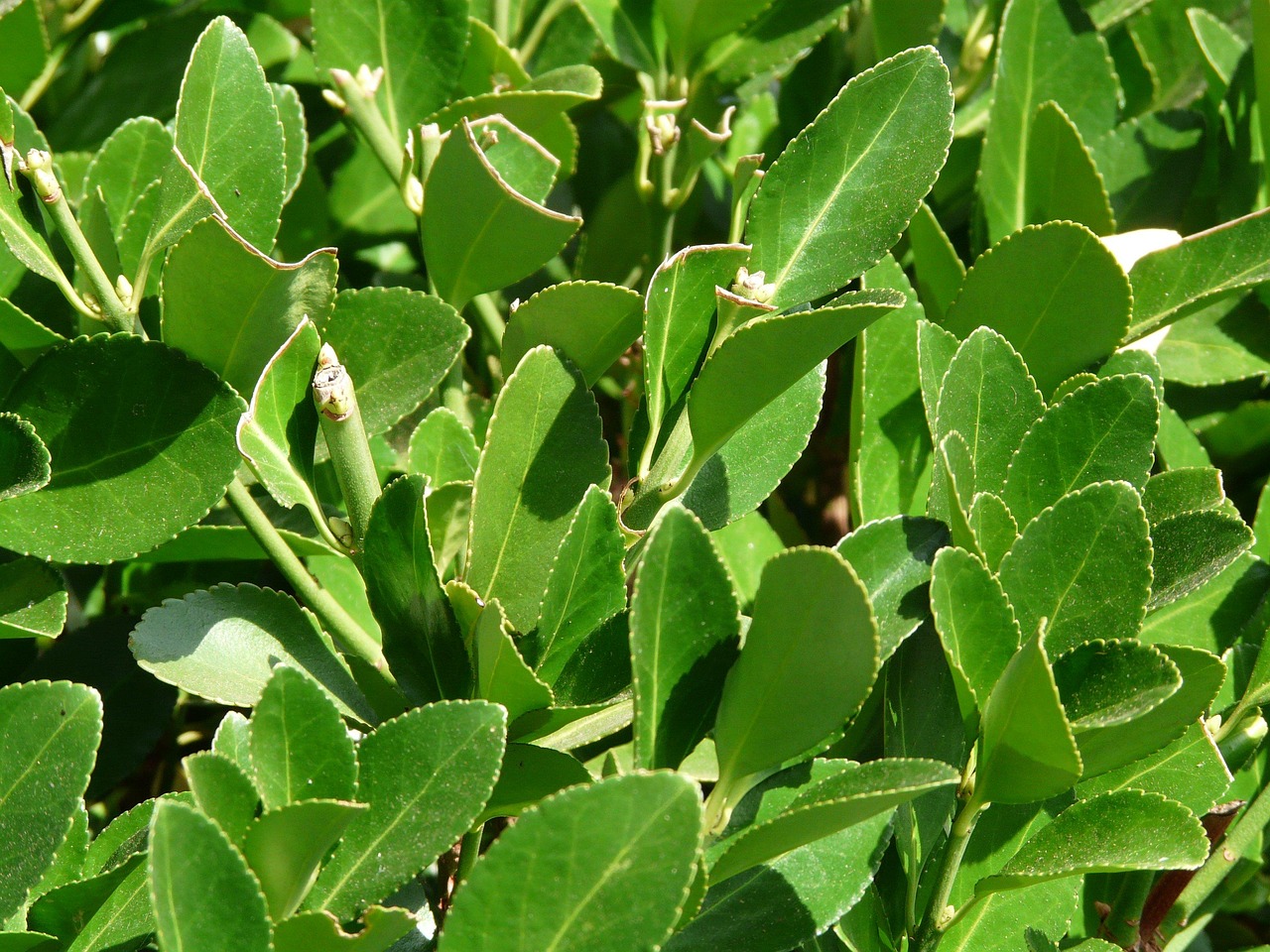
Step-by-Step Trimming Technique
Before you begin shaping your Skip Laurel (Prunus laurocerasus), start with a thorough inspection of the plant. Use sharp, sterilized bypass pruners to remove any dead, diseased, or damaged wood. You should also identify and prune away branches that are crossing or rubbing against each other. Clearing out this interior growth is essential, as it significantly improves airflow through the dense foliage, which helps prevent fungal issues.
When it comes to shaping your shrub, precision is key. For the most natural and healthy look, use hand pruners to cut individual stems back to a leaf node or a lateral branch. Avoid using hedge shears to cut across the foliage. Shearing cuts through individual leaves, leaving jagged, brown edges that persist for months and detract from the plant’s glossy, evergreen appearance.
If you are maintaining a formal hedge and must use power hedge trimmers for efficiency, follow these professional guidelines to ensure the long-term health of the plant:
- Maintain a tapered profile: Always trim the hedge so that the base is slightly wider than the top. This “A-frame” shape ensures that sunlight can reach the lower branches, preventing the bottom of the shrub from becoming thin or bare.
- Keep blades sharp: Dull blades crush plant tissue rather than slicing through it, which increases the risk of disease.
- Clean your tools: Wipe your blades with rubbing alcohol between plants to avoid spreading pathogens.
Skip Laurels are vigorous growers, so don’t be afraid to prune them back to maintain your desired size. However, avoid removing more than one-third of the total foliage in a single season. If your shrub has become severely overgrown, it is better to perform a hard rejuvenation prune over two or three years rather than cutting it back to the ground all at once. This gradual approach keeps the plant under less stress and ensures it remains a lush, vibrant feature in your landscape throughout the entire growing season.
Managing Overgrown Shrubs
If your skip laurel has become sparse, leggy, or lost its dense, privacy-screening shape, it is likely time for a rejuvenation prune. While routine maintenance keeps a plant tidy, rejuvenation pruning is a restorative process that resets the shrub’s growth cycle and encourages lush, vigorous development from the base upward.
To safely revitalize an overgrown skip laurel, follow a multi-year strategy. This gradual approach prevents the plant from going into shock and ensures it maintains enough foliage to continue photosynthesizing throughout the recovery process.
The Rejuvenation Process:
- Target the oldest wood: Identify the thickest, woodiest branches that are no longer producing healthy foliage. These are often located deep within the center of the shrub.
- The one-third rule: Remove no more than one-third of these old branches in a single season. Cut them back close to the main trunk or down to the ground level using sharp, sterilized loppers.
- Space out the work: Repeat this process over two to three years. By removing only a portion of the old growth each year, you allow the plant to redirect its stored energy into producing new, leafy shoots.
Timing is critical for success. The best window for this heavy pruning is late winter or very early spring, just before the plant breaks dormancy and begins its new growth cycle. This allows the shrub to heal and push out new stems as the weather warms.
After performing a rejuvenation prune, provide the plant with extra care during the growing season. Apply a balanced, slow-release fertilizer around the drip line and ensure the soil remains consistently moist, especially during dry spells. Avoid heavy pruning during the heat of summer, as this can expose the inner branches to sunscald and stress the recovering plant.
With patience and consistent care, your skip laurel will gradually replace its sparse, leggy interior with dense, vibrant green foliage, restoring the shrub to its intended health and aesthetic form.

Follow-up Care and Troubleshooting
Pruning is a significant event for your Skip Laurel, and the recovery process is just as important as the cuts themselves. Immediately after you finish trimming, provide the shrub with a deep, thorough watering. This helps the plant manage the stress of the pruning process and encourages it to stabilize its root system.
To support long-term health, apply a two-to-three-inch layer of organic mulch, such as shredded bark or compost, around the base of the shrub. Mulch is essential for moisture retention and suppressing weeds that compete for nutrients. However, always maintain a small gap between the mulch and the trunk itself; piling mulch directly against the bark can trap moisture, leading to rot and inviting unwanted pests.
Even with careful maintenance, you may occasionally encounter issues. If you notice persistent yellowing leaves or signs of infestations, such as scale insects appearing as small bumps on the stems, take the following steps:
- Inspect the undersides of leaves and along the stems for signs of pests or fungal growth.
- Ensure your watering schedule is consistent, as both overwatering and drought can cause foliage discoloration.
- Contact your local university extension office for region-specific advice on pest identification and treatment.
While DIY maintenance is ideal for routine shaping, some situations require an expert eye. If your Skip Laurel shows signs of severe disease, such as significant branch dieback or unusual lesions, consult a certified arborist before attempting heavy pruning. Furthermore, prioritize your safety: if the shrub has grown too tall to reach safely from the ground, do not attempt to climb it or use a ladder. Professional arborists have the specialized equipment and training to manage large, overgrown specimens without risking injury to you or damage to the plant’s structural integrity. By monitoring your shrub closely after pruning, you ensure it remains a lush, healthy centerpiece in your landscape for years to come.

Dedicated team of gardening enthusiasts with years of hands-on experience testing lawn mowers, gardening tools, and outdoor equipment. We help home gardeners and professionals alike make informed buying decisions with honest, thorough reviews. From push mowers to pruning shears, we test it all so you don’t have to. Got a gardening tool you’d like us to review? Get in touch!