
Trimming boxwood shrubs is essential for maintaining their shape and encouraging dense, healthy foliage. You can achieve a professional look by using sharp, clean shears to remove overgrown branches and encourage new growth. Mastering this simple maintenance task ensures your hedges remain vibrant, tidy, and perfectly structured throughout the entire growing season.
While boxwoods are relatively low-maintenance, they do require consistent care to prevent them from becoming woody or losing their desired form. It is important to understand that these slow-growing evergreens thrive when pruned at specific times of the year. Proper timing prevents frost damage and ensures your plants recover quickly after every trim.
This guide covers the best timing, the right tools, and step-by-step techniques to prune your boxwoods safely and effectively. We will walk you through the entire process, from selecting the correct equipment to making precise cuts that promote long-term health. Follow these expert tips to keep your garden looking pristine and well-manicured year-round.

When to Prune Your Boxwoods
Timing is the most critical factor in maintaining the health and vigor of your boxwood shrubs. Pruning at the wrong time of year can leave your plants vulnerable to environmental stress, including winter freeze damage and harsh summer sunburn.
The ideal window for pruning is in late spring, once the final frost of the season has passed. By this time, the plant has begun its active growth phase, which allows it to recover quickly from the cuts. Trimming during this period encourages the shrub to fill out, resulting in a denser, healthier appearance.
To ensure your boxwoods thrive, keep these timing guidelines in mind:
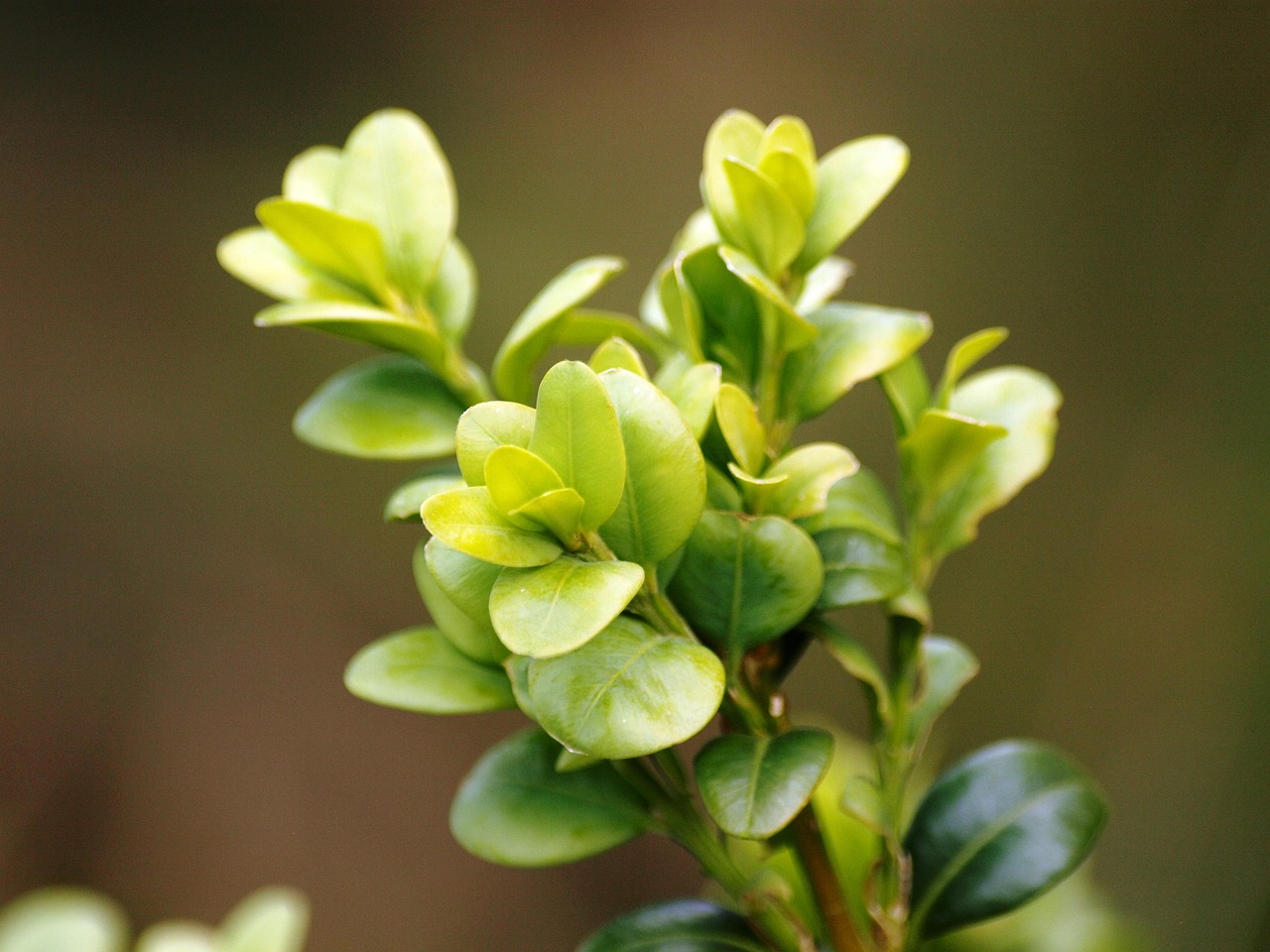
- Wait for new growth: Look for the emergence of light green, soft foliage before you begin. This indicates the plant is actively growing and ready to heal.
- Avoid late summer: Do not prune after mid-August. Trimming late in the season stimulates a flush of tender, new growth that will not have enough time to “harden off” before the first frost arrives.
- Steer clear of autumn: Pruning in the fall leaves fresh wounds exposed to freezing temperatures. This often leads to dieback, where the tips of the branches turn brown and brittle during the winter months.
- Monitor for extreme heat: If you live in a region with intense summer heat, avoid heavy pruning during the peak of July and August. Removing too much foliage during a heatwave can expose the inner branches to direct sunlight, causing the bark to scorch and the inner leaves to burn.
By sticking to a late spring schedule, you provide your boxwoods with the optimal conditions to seal their cuts and prepare for the seasons ahead. If you notice a stray, damaged, or diseased branch during the off-season, feel free to remove it immediately; however, save your major shaping and structural pruning for the safety of the spring growing season.
Essential Tools and Safety Gear
Selecting the right tools is the first step toward achieving a clean, healthy cut without damaging your boxwood shrubs. Using dull or inappropriate equipment can crush stems, leaving the plant vulnerable to pests and fungal diseases.
For small shrubs or detailed shaping, sharp hand pruners are ideal. They provide the precision necessary for light maintenance. If you are managing larger hedges, manual hedge shears are effective for covering more surface area quickly. For extensive hedges or formal topiary, power hedge trimmers significantly increase efficiency and reduce physical fatigue.
Regardless of the tool you choose, safety must be your priority. Boxwood foliage can be dense and occasionally abrasive. To ensure a safe pruning session, equip yourself with the following gear:
- Heavy-duty gardening gloves: These protect your hands from scratches, sap, and potential skin irritation caused by boxwood leaves.
- Eye protection: Safety glasses are essential to shield your eyes from flying debris and small clippings during the trimming process.
- Ear protection: If you are operating power hedge trimmers, always wear earplugs or earmuffs to prevent hearing damage from engine noise.
When working with power equipment, extra vigilance is required. Always inspect your workspace before starting to ensure the area is clear of people, pets, and obstacles. If you are using a corded electric trimmer, maintain a constant awareness of the power cord’s position. Keep the cord draped over your shoulder or behind you, away from the cutting blade, to prevent accidental severing.
Finally, keep your cutting blades clean and sanitized. If you are moving between different plants, wipe your shears with a solution of rubbing alcohol or a diluted bleach mixture. This simple step prevents the potential spread of pathogens from one shrub to another, keeping your entire garden healthier. Always store your tools in a dry, secure location after use to maintain their sharpness and longevity.

Step-by-Step Trimming Technique
Before you begin shaping your boxwood, you must first focus on the health of the plant. Start by inspecting the interior of the shrub and removing any dead, diseased, or crossing branches. Clearing out this clutter is essential, as it significantly improves airflow throughout the center of the plant, which helps prevent fungal issues and encourages vigorous growth.
Once the interior is cleaned, you can begin the shaping process. To maintain a healthy, lush appearance, follow these professional techniques:
- Maintain a tapered profile: Always trim the base of the shrub slightly wider than the top. This “pyramid” effect ensures that sunlight can reach the lower branches; if the top is wider, it will cast a shadow that causes the bottom of the plant to thin out and turn brown.
- Make precise cuts: Use sharp, sterilized bypass pruners or hedge shears. Always make your cuts just above a leaf node—the point where leaves emerge from the stem. This encourages the plant to branch out and become denser rather than leaving unsightly, bare stubs.
- Check your progress: It is easy to get tunnel vision while trimming. Every few minutes, step back several feet to view the shrub from different angles. This allows you to check the overall symmetry and ensure you have not removed too much foliage from one side.
When trimming, avoid “scalping” the plant by cutting too deeply into the old wood. Boxwoods do not sprout new growth easily from thick, woody stems. Instead, focus on removing only the current season’s growth. If you find yourself needing to remove large branches, do so sparingly to avoid creating permanent gaps in the foliage.
Finally, remember that less is often more. It is always better to trim a little at a time and reassess than to over-prune. By working slowly and keeping the light requirements of the lower branches in mind, you will achieve a professional, uniform shape that keeps your boxwood vibrant for years to come.
Maintaining Shrub Health During Pruning
When pruning boxwoods, the most critical rule is to avoid cutting into the old, woody center of the shrub. Unlike many other deciduous plants, boxwoods do not easily sprout new growth from bare wood. If you cut past the green foliage into the interior branches, you will likely create permanent gaps or “dead zones” that remain bare for years, if they recover at all.
To keep your boxwood healthy and dense, focus your efforts exclusively on the current year’s green growth. By trimming only the tips of the branches, you encourage the plant to produce more lateral buds, which results in a fuller, more attractive appearance over time.
If you prefer using power hedge trimmers for a uniform shape, you must prioritize hygiene to protect your plants from disease. Boxwood blight is a serious fungal infection that spreads rapidly through contaminated tools. Follow these steps to keep your garden safe:
- Sanitize between plants: Wipe your blades thoroughly with rubbing alcohol or a solution of one part bleach to nine parts water before moving from one shrub to the next.
- Inspect before you cut: Never prune a plant that shows signs of leaf spotting or stem lesions, as this will immediately contaminate your equipment.
- Clean your gear: At the end of your gardening session, remove all sap and debris from the blades to prevent rust and further bacterial buildup.
Proper pruning is about more than just aesthetics; it is about maintaining the plant’s structural integrity. By sticking to the outer green layer and maintaining clean equipment, you allow light and air to penetrate the canopy without exposing the inner structure to unnecessary stress. If you accidentally cut too deep, do not panic; simply ensure the surrounding foliage remains healthy so it can eventually shade the area while the plant slowly attempts to fill in the space. Patience is essential, as boxwoods are slow-growing and require a gentle, consistent touch to thrive for decades.
Follow-up Care and Troubleshooting
Pruning is a significant event for a boxwood shrub. Even when performed correctly, the process creates open wounds that temporarily stress the plant. Providing consistent follow-up care is essential to help your shrub recover quickly and maintain its vigor throughout the growing season.
Immediately after you finish trimming, give the shrub a deep, thorough watering. Focus the water at the base of the plant, ensuring it reaches the root zone. This hydration supports the plant’s internal recovery processes and helps it withstand the shock of losing foliage.
To support long-term health, apply a two-to-three-inch layer of organic mulch around the base of the shrub. Mulch acts as a protective blanket that regulates soil temperature and retains vital moisture. However, follow these specific guidelines to avoid common maintenance pitfalls:
- Keep it clear: Never pile mulch directly against the woody trunk or stems. Leave a few inches of bare soil around the base to prevent rot and discourage pests.
- Maintain airflow: Ensure the mulch layer is not so thick that it prevents oxygen from reaching the roots.
- Replenish annually: Refresh the mulch each spring to maintain its effectiveness.
Even with meticulous care, boxwoods can sometimes struggle. Keep a close watch on your shrub in the weeks following your prune. If you notice persistent yellowing of the leaves, patches of severe dieback, or suspicious spots on the foliage, take immediate action. These symptoms are often early indicators of underlying issues such as boxwood blight, leaf miner infestations, or root rot.
Do not attempt to treat severe or unidentified symptoms with heavy chemical applications, as improper use can cause more harm than good. Instead, consult a local arborist or your regional agricultural extension office. Professional intervention can accurately diagnose the problem and provide a targeted, safe treatment plan to save your shrub before the damage becomes irreversible. By staying observant, you ensure your boxwood remains a healthy, lush feature of your landscape for years to come.

Dedicated team of gardening enthusiasts with years of hands-on experience testing lawn mowers, gardening tools, and outdoor equipment. We help home gardeners and professionals alike make informed buying decisions with honest, thorough reviews. From push mowers to pruning shears, we test it all so you don’t have to. Got a gardening tool you’d like us to review? Get in touch!