
To trim an evergreen bush, use sharp, sterilized bypass pruners to remove dead branches and shape the outer foliage. Regular pruning is essential to maintain your shrub’s structural integrity and promote healthy new growth throughout the growing season. By following these simple steps, you can keep your garden looking neat and professional year-round.
Achieving the perfect shape requires patience and a realistic approach to plant biology. While evergreens are generally low-maintenance, they do not recover as quickly as deciduous plants if you cut back too far into old wood. Understanding your specific shrub variety is key to avoiding permanent bare spots and ensuring long-term vitality.
This comprehensive guide covers the essential techniques for pruning evergreen shrubs to maintain their shape and health. We will walk you through the best timing for different species, the necessary tools for clean cuts, and vital safety practices. Follow these expert tips to ensure your garden stays vibrant, lush, and perfectly groomed all year.

When to Trim Your Evergreen Bushes
Timing is the most critical factor when trimming evergreen bushes. If you prune at the wrong time, you risk exposing tender new growth to frost or causing the plant to bleed excessive sap, which can weaken its overall structure. The ideal window depends entirely on the specific type of evergreen you are maintaining.
Broadleaf evergreens, such as rhododendrons, camellias, and boxwoods, follow a different schedule than needle-leaf varieties. For these plants, the best time to prune is immediately after they finish their spring flowering cycle. Trimming them at this stage allows the plant to recover and set buds for the following year’s blooms. If you wait until late summer or autumn to prune, you risk cutting off next year’s flowers and leaving the plant vulnerable to winter damage.
Needle-leaf evergreens, including yews, junipers, and arborvitae, require a more conservative approach. These plants do not regenerate growth from old, woody stems as easily as broadleaf varieties. To keep them healthy and dense, follow these timing guidelines:
- Early Spring: The optimal time to prune needle-leaf evergreens is in early spring, just before the plant breaks dormancy and begins its annual growth spurt.
- Avoid Late Season: Never prune needle-leaf evergreens in late summer or fall. New growth stimulated by late-season pruning will not have enough time to harden off before the first frost, leading to significant dieback.
- Maintenance Pruning: If you only need to perform light shaping, you can occasionally trim back new growth (often called “candles” in pines) during the active growing season, but avoid cutting into the older, inner wood.
Always use sharp, sterilized shears to ensure clean cuts. A clean cut heals faster, reducing the risk of pest infestation or disease. By aligning your pruning schedule with the plant’s natural growth cycle, you ensure your evergreens remain lush, vibrant, and structurally sound throughout the changing seasons.
Essential Tools and Safety Gear
Having the right equipment is the first step toward a healthy, well-shaped evergreen. Using dull or incorrect tools can crush stems rather than slicing them cleanly, which invites disease and slows the plant’s recovery. Before you begin, ensure your gear is sharp, clean, and appropriate for the size of the branches you are targeting.
For most evergreen maintenance, you will need three primary cutting tools:
- Bypass pruners: Best for stems up to 3/4 inch in diameter. The scissor-like action provides a clean cut that heals quickly.
- Loppers: Use these for thicker branches that are difficult to reach or too wide for hand pruners. Their long handles provide the leverage needed to cut through woody growth without straining your wrists.
- Hedge shears: These are designed specifically for shaping the exterior foliage. Use them to create clean lines and maintain the density of the bush, but avoid using them on thick, woody interior branches.
Safety is just as important as precision. Evergreens often have stiff, needle-like foliage and hidden, sharp branches that can easily scratch or puncture skin. Always prioritize your personal protection to avoid common gardening injuries.
Wear a pair of heavy-duty, puncture-resistant gloves to protect your hands from abrasive needles and accidental nicks from your blades. Because you will be working at eye level or above, safety glasses are essential to prevent falling debris, sap, or stray twigs from causing eye irritation or injury.
Finally, pay attention to your footing. Wear sturdy, closed-toe boots with good tread, especially if you are working on uneven ground or a slope. Never attempt to trim high branches while standing on a shaky ladder or an unstable surface. If a branch is out of reach while you are standing firmly on the ground, it is safer to leave it alone or use a long-reach pole pruner rather than risking a fall. By preparing your workspace and protecting yourself, you ensure a productive and injury-free pruning session.
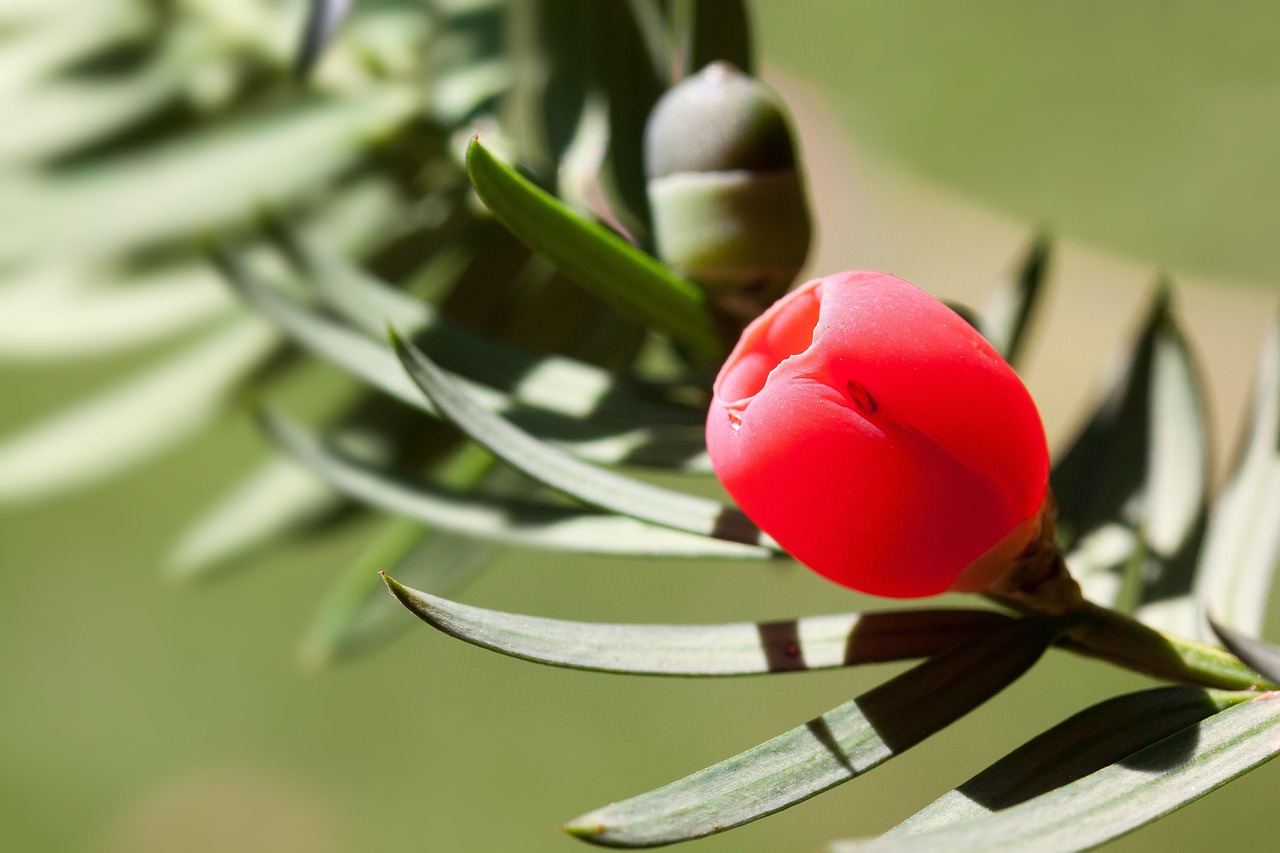
Step-by-Step Pruning Technique
Begin your pruning process by conducting a thorough inspection of the entire bush. Your first priority is health, not aesthetics. Using sharp, sterilized bypass pruners, identify and remove any branches that are dead, damaged, or diseased. These branches sap energy from the plant and can serve as entry points for pests or fungal infections.
Once the bush is cleared of debris, focus on shaping and thinning. Follow these professional guidelines to ensure the plant heals quickly and maintains its structural integrity:
- Target the junction: Locate the branch collar—the slightly swollen area where a branch meets the main stem or another branch. Cut just outside this collar without damaging the main trunk.
- Angle your cuts: Always make your cuts at a 45-degree angle. This specific slope prevents water from pooling on the cut surface, which significantly reduces the risk of rot and bacterial growth.
- Position correctly: If you are pruning to shorten a branch, make your cut approximately one-quarter inch above an outward-facing bud. This encourages new growth to point away from the center of the bush, promoting better airflow and light penetration.
Avoid using “stub cuts,” where a portion of the branch is left protruding beyond a bud or junction. These stubs often die back, creating unsightly dead wood that invites disease. Always ensure your tools are sharp; dull blades crush plant tissue rather than slicing through it, which leaves the bush vulnerable to stress and infection.
As you work, step back frequently to assess the overall shape. It is better to make several small, intentional cuts than to remove too much foliage at once. Evergreen shrubs generally do not produce new growth from old, woody stems, so be careful not to prune too deeply into the interior of the plant. By focusing on clean, angled cuts at the proper junctions, you provide your evergreen with the best opportunity to heal cleanly and maintain a healthy, vibrant appearance throughout the growing season.
Shaping Without Damaging the Core
The primary goal when shaping an evergreen bush is to maintain its aesthetic appeal while ensuring the inner foliage remains healthy. Many gardeners make the mistake of shearing only the outer surface, which creates a dense “shell” that blocks light from reaching the interior. Over time, this leads to dieback, leaving you with a hollow, woody core that will never recover.
To prevent this, you must selectively thin the bush rather than just trimming the tips. Reach into the plant and remove a few stray branches from the interior to create small gaps. These openings act as windows, allowing sunlight and air to penetrate deep into the center, which stimulates growth on the inner stems.
When pruning, keep these two critical rules in mind to avoid permanent damage:
- Avoid old wood: Most evergreen species, such as yews, junipers, and arborvitae, do not have dormant buds on bare, woody stems. If you cut back into old, brown wood, that branch will likely remain bare forever. Always prune back to a point where green needles or leaves are still present.
- Prioritize the base: Always shape your bush so the bottom is slightly wider than the top. This “A-frame” or pyramidal silhouette ensures that the lower branches receive adequate sunlight. If the top is wider than the bottom, the upper growth will cast a permanent shadow, eventually causing the lower branches to thin out and turn brown.
Work slowly and step back frequently to assess the shape. It is much easier to remove a little more foliage later than it is to fix a gap created by an overzealous snip. By focusing on light penetration and respecting the plant’s growth habits, you can maintain a lush, full, and vibrant evergreen for years to come. If you encounter a branch that has already turned brown at the base, it is best to prune it back to the main trunk, as it will not sprout new growth.

Aftercare and When to Call a Professional
Pruning is a surgical procedure for your evergreen, and the recovery phase is critical to its long-term health. Immediately after trimming, your plant may experience a brief period of stress. To support a quick recovery, provide a deep, thorough watering to help the roots rehydrate. Follow this by applying a two-inch layer of organic mulch around the base of the bush, ensuring you keep the mulch a few inches away from the trunk to prevent rot.
Sanitation is equally vital during the aftercare process. Pruning shears can easily harbor fungal spores or bacteria that spread disease from one branch to another. Before you move to the next plant—or even the next section of the same bush—disinfect your blades using a solution of one part bleach to nine parts water, or wipe them down thoroughly with 70% isopropyl alcohol. This simple step prevents the accidental transmission of pathogens through fresh pruning cuts.
While DIY maintenance is rewarding, some situations require a professional touch. You should consult a certified arborist if you encounter any of the following:
- Height and Safety: If the bush has grown beyond the reach of a standard ladder or requires you to work near overhead power lines, leave it to the experts.
- Severe Overgrowth: If a specimen has been neglected for years and requires a “hard prune” (cutting back to old wood), an arborist can determine if the plant will survive the shock.
- Disease or Infestation: If you notice unusual discoloration, sap oozing, or strange growths, a professional can provide an accurate diagnosis and targeted treatment plan.
- Structural Integrity: If the bush is leaning precariously or shows signs of internal decay, a professional can assess whether the plant poses a risk to your home or property.
Knowing your limits ensures that your garden remains a healthy, beautiful space without risking your safety or the vitality of your landscape.

Dedicated team of gardening enthusiasts with years of hands-on experience testing lawn mowers, gardening tools, and outdoor equipment. We help home gardeners and professionals alike make informed buying decisions with honest, thorough reviews. From push mowers to pruning shears, we test it all so you don’t have to. Got a gardening tool you’d like us to review? Get in touch!