
To take care of succulents, you must provide them with plenty of bright, indirect sunlight and allow the soil to dry out completely between waterings. While these plants are famous for their resilience, mastering these two fundamental habits is the secret to preventing common issues like root rot or leggy, stretched-out stems.
Succulents are popular for their unique shapes and low-maintenance nature, but they do have specific needs to thrive. It is a common misconception that they require almost no attention at all. In reality, understanding their desert-native biology helps you avoid the most frequent mistakes that lead to wilting or discoloration in home environments.
This guide covers the essential steps for watering, lighting, and soil requirements to help your indoor or outdoor succulents stay healthy and vibrant. By following these practical care tips, you can ensure your collection remains lush and beautiful year-round. Let’s dive into the best practices for cultivating a thriving succulent garden today.
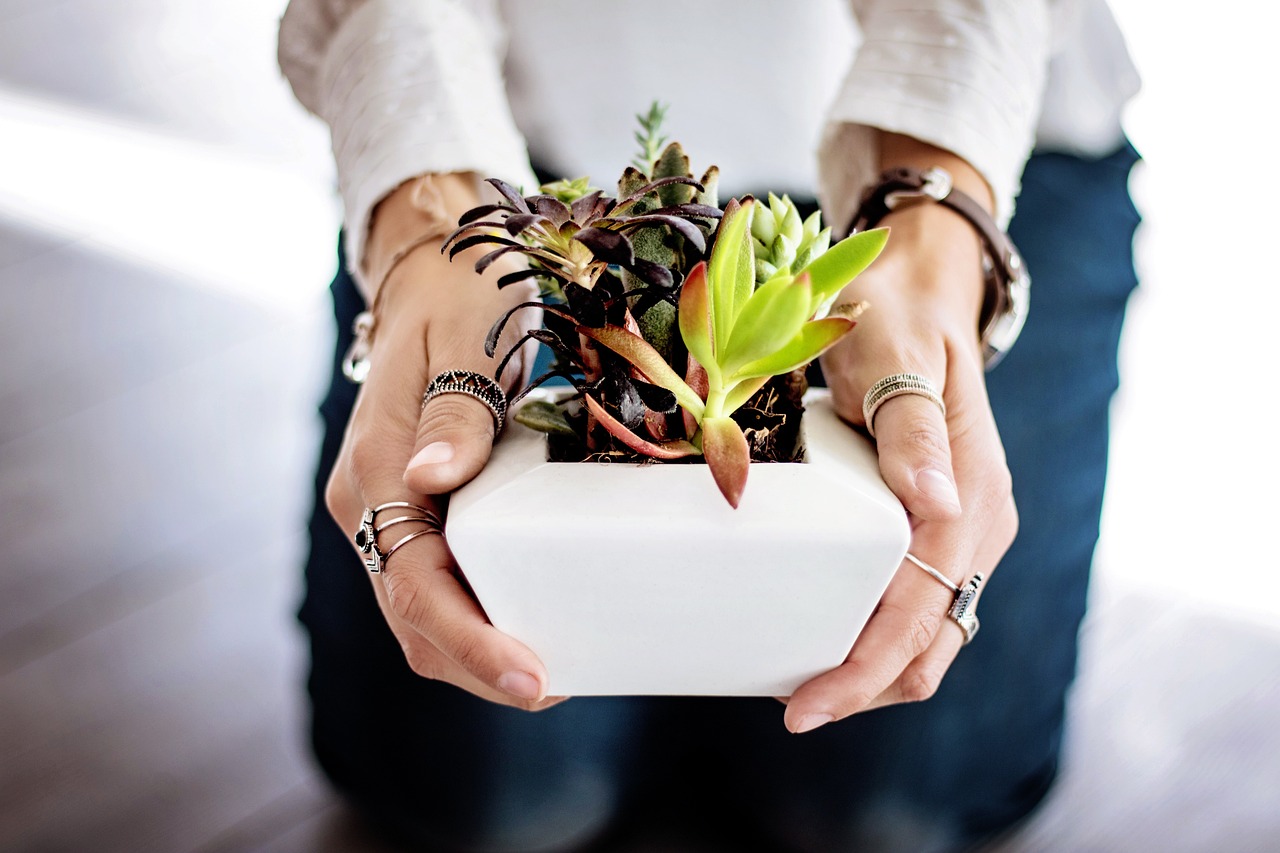
Mastering the Watering Routine
The most frequent cause of succulent failure is overwatering. Because these plants are adapted to arid environments, they store water in their fleshy leaves and stems. When the soil remains constantly damp, the roots cannot breathe and will quickly succumb to rot, which often proves fatal.
To keep your plants thriving, adopt the “soak and dry” method. This technique mimics the natural cycle of infrequent, heavy rainfall found in their native habitats. Follow these steps to ensure you are watering correctly:
- Water the soil directly, avoiding the leaves to prevent rot.
- Continue pouring until water flows freely out of the drainage holes at the bottom of the pot.
- Allow all excess water to drain completely; never let the pot sit in a saucer of standing water.
- Wait until the soil is bone-dry throughout the entire depth of the container before watering again.
Do not rely on a strict calendar schedule, as factors like humidity, light levels, and temperature change how quickly your plant uses water. Instead, use your finger to test the soil. Insert your finger at least two inches deep; if you feel any moisture, hold off on watering. If you are worried about disturbing the roots or have a deep container, use a wooden skewer or a chopstick. Push it into the soil, leave it for a few seconds, and pull it out. If the wood comes out dark or damp, wait a few more days.
During the winter months, most succulents enter a period of dormancy. During this time, they require significantly less water than they do during their active growing season in the spring and summer. If the leaves look slightly puckered or wrinkled, the plant is signaling that it is thirsty. However, if the leaves appear translucent, mushy, or discolored, you have likely overwatered. Adjust your routine immediately to allow the plant to recover, and always ensure your pot has adequate drainage to prevent future issues.
Providing Optimal Light Conditions
Light is the most critical factor in keeping your succulents healthy, vibrant, and compact. Most varieties thrive in bright, indirect light, which mimics the filtered sunshine they receive in their natural desert or arid habitats. Providing the right exposure prevents common issues like etiolation, where the plant stretches out and becomes spindly while searching for a stronger light source.
For most indoor growers, a south or east-facing window is the ideal location. These spots provide consistent, bright light throughout the day without the intensity of harsh, direct afternoon sun, which can cause unsightly sunburn or scorched leaves on sensitive species.
To determine if your succulent is receiving the correct amount of light, monitor its growth habits closely:
- Signs of insufficient light: The plant appears “leggy,” with large gaps between leaves, or it starts leaning heavily toward the nearest window. If you notice these symptoms, gradually move the container to a brighter spot.
- Signs of too much direct light: Leaves develop brown, crispy patches or turn a bleached, pale color. If this occurs, pull the plant back a few feet from the window or use a sheer curtain to diffuse the intensity.
Keep in mind that succulents are not “low-light” plants. If your home lacks a bright window, you may need to supplement with a dedicated LED grow light. Position the grow light a few inches above the plant and keep it on for 10 to 12 hours a day to maintain a tight, rosette shape.
Finally, remember to rotate your pots every few weeks. Because succulents naturally grow toward the light, rotating them ensures that all sides receive equal exposure. This simple habit promotes balanced, symmetrical growth and prevents the plant from becoming lopsided over time. By observing your plant’s reaction to its environment, you can easily adjust its placement to ensure it remains compact and healthy throughout the changing seasons.

Choosing the Right Soil and Containers
The foundation of succulent health begins with the medium you choose. Unlike standard houseplants that thrive in moisture-retentive peat, succulents require a gritty, fast-draining substrate. If soil stays damp for too long, it leads to root rot, which is the most common cause of succulent failure.
For the best results, always use a specialized cactus or succulent potting mix. These commercial blends are formulated to mimic the arid environments where these plants naturally grow. If you cannot find a pre-mixed bag, you can create your own by amending standard potting soil with inorganic materials to increase aeration. Aim for a ratio of 50% soil and 50% drainage material, such as:
- Perlite: Lightweight volcanic glass that prevents soil compaction.
- Pumice: A porous rock that improves airflow around the roots.
- Coarse sand: Specifically horticultural sand, which helps water pass through quickly.
Your choice of container is equally critical. A pot must have at least one drainage hole at the bottom to allow excess water to escape after watering. Without this exit point, water will pool at the base, creating a swampy environment that will quickly kill your plant.
If you have your heart set on a decorative container that lacks drainage holes, do not plant directly into it. Instead, keep your succulent in a plastic nursery liner—the thin, flexible pots that plants usually come in from the nursery. Place the nursery pot inside your decorative container. This allows you to easily remove the plant for watering, let it drain completely in a sink, and then return it to its decorative home once it is no longer dripping.
Finally, consider the material of the pot. Terracotta is an excellent choice for beginners because it is porous, allowing the soil to dry out faster through the walls of the pot. Glazed ceramic, glass, and plastic containers hold moisture longer, requiring you to be more disciplined with your watering schedule.
Safety and Maintenance Tools
Proper maintenance of your succulents requires the right set of tools to ensure both the health of your plants and your own safety. Using the correct equipment prevents unnecessary damage to delicate stems and protects you from potential injury during routine grooming.
For pruning and general cleanup, always use sharp, clean shears or scissors. Dull blades can crush succulent tissue, creating jagged wounds that invite infection or rot. Sterilizing your blades with rubbing alcohol before and after use is a best practice to prevent the spread of pests or diseases between different plants.
Safety should remain your top priority, especially when dealing with varieties that have defensive mechanisms. Follow these guidelines to keep your gardening session hazard-free:
- Wear protective gloves: Always use thick, puncture-resistant gloves when handling cacti or succulents with sharp spines, glochids, or serrated edges to prevent skin irritation and painful punctures.
- Maintain tool safety: Always keep sharp blades pointed away from your body while pruning. Never leave open shears unattended where they could be knocked over or stepped on.
- Prioritize stability: If you keep your succulents on high shelves or hanging planters, use a sturdy, reliable ladder. Ensure the ladder is placed on level, stable ground before climbing, and never overreach while pruning.
- Clear your workspace: Keep your immediate area free of debris. Dropped succulent leaves can be slippery, and stray spines on the floor pose a risk to pets and bare feet.
When removing dead, shriveled leaves from the base of a rosette, you can often gently pull them away with your fingers. However, if a leaf is firmly attached, use your shears to make a clean cut near the stem. Avoid tearing the main stem, as this creates an open wound that requires time to callous over. By staying organized and using the right safety gear, you can keep your succulent collection thriving while maintaining a secure and efficient gardening routine.

Common Questions and Long-Term Care
Succulents are resilient, but they communicate their health through physical changes. Learning to read these signs early is the best way to ensure longevity.
If you notice yellowing leaves or mushy, translucent stems, you are likely overwatering. Succulents store water in their foliage, and excess moisture causes cells to burst, leading to rot. If the plant feels soft or looks discolored, immediately stop watering and allow the soil to dry out completely. If the decay persists, gently remove the plant from its pot to inspect the roots; healthy roots are firm and light-colored, while rotten roots are black, slimy, and foul-smelling. Trim away any damaged roots with sterilized shears before repotting into fresh, well-draining soil.
As your succulent grows, it may eventually outgrow its container or become top-heavy. Repotting is necessary when roots begin to circle the bottom of the pot or emerge from the drainage holes. Choose a pot only one size larger with ample drainage, as a container that is too large holds excess moisture, increasing the risk of rot.
You can easily expand your collection through propagation. Simply take a healthy leaf or stem cutting, allow the raw end to callous over for a few days in a shaded area, and then place it on top of slightly moist, gritty cactus mix. Roots will typically emerge within a few weeks.
Finally, keep an eye out for pests, particularly mealybugs, which look like small, white, cottony tufts tucked into the crevices of the leaves. If you spot them, act quickly:
- Isolate the affected plant to prevent the infestation from spreading.
- Dip a cotton swab in 70% isopropyl alcohol and dab it directly onto the pests to kill them on contact.
- For severe cases, treat the entire plant with a gentle insecticidal soap or neem oil spray.
By monitoring your plants regularly, you can catch these issues before they become terminal, keeping your succulents thriving for years.

Dedicated team of gardening enthusiasts with years of hands-on experience testing lawn mowers, gardening tools, and outdoor equipment. We help home gardeners and professionals alike make informed buying decisions with honest, thorough reviews. From push mowers to pruning shears, we test it all so you don’t have to. Got a gardening tool you’d like us to review? Get in touch!