
Fungus gnats are a common nuisance for gardeners, often appearing when soil remains too damp. This guide explains how to identify the source of the infestation and provides practical, non-toxic methods to eliminate gnats and protect your plants without harming your home environment or your indoor air quality.
While these tiny pests are frustrating, they rarely kill healthy plants immediately. However, their larvae can damage delicate roots if left unchecked. Understanding that gnats thrive in moist, organic-rich potting soil is the first step toward effective management. You do not need harsh chemicals to regain control of your indoor garden space.
In the following sections, we explore essential gardening tools and maintenance strategies to keep your greenery thriving. From adjusting watering habits to using specialized traps, you will learn how to maintain a healthy ecosystem. Follow these actionable tips to ensure your home gardening remains a productive, pest-free hobby throughout every season.
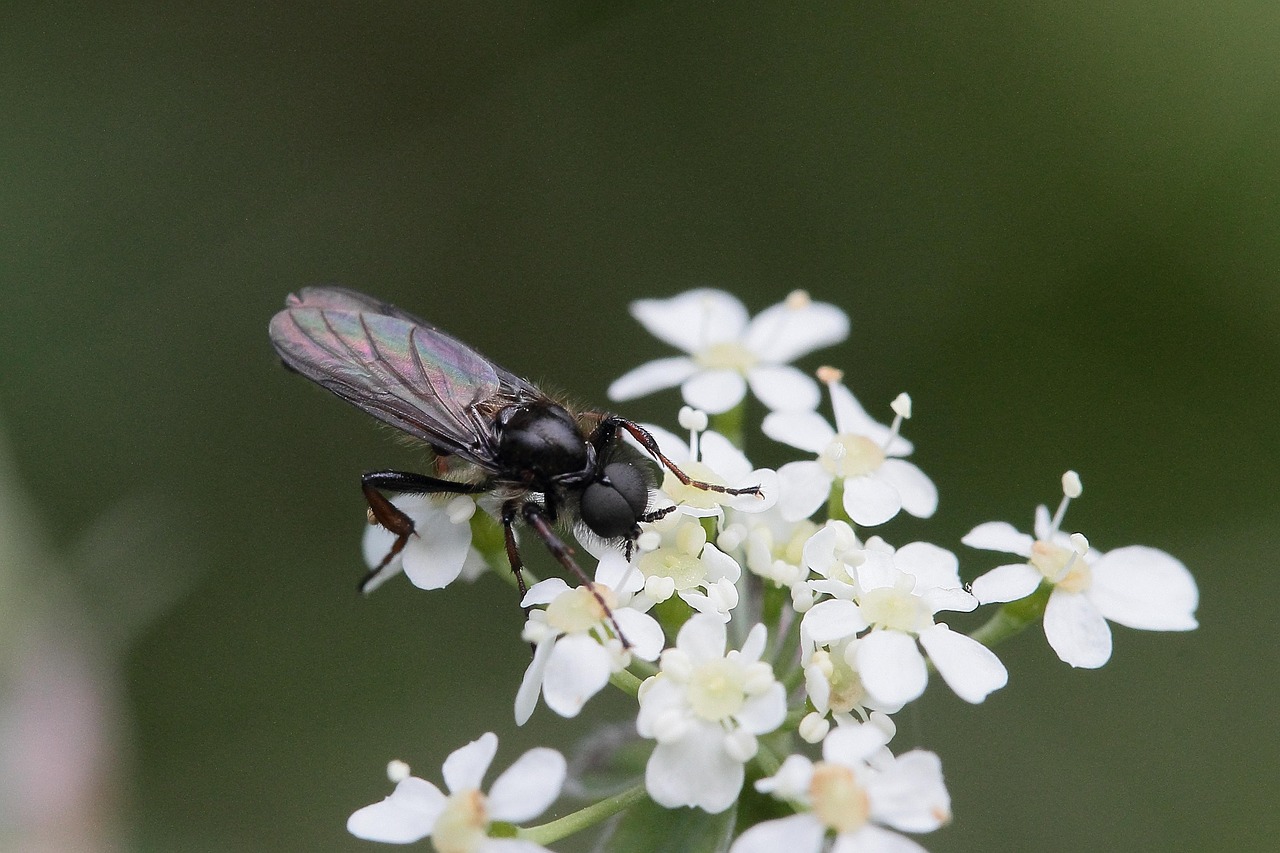
Identify the Source of Your Gnat Problem
Effective pest management begins with accurate identification. Before you reach for sprays or soil drenches, you must determine if you are dealing with fungus gnats or another common household pest. Treating the wrong insect often leads to wasted time and unnecessary chemical exposure.
Fungus gnats are small, dark-bodied flies that thrive in moisture-rich environments. They do not typically travel far from their food source, so you will usually find them hovering near the surface of your potting soil or congregating around your watering cans. If you disturb the soil and see tiny flies darting into the air, you have likely identified your culprit.
To confirm the infestation, perform a quick inspection of your containers:
- Check the drainage holes: Flip your pots over and examine the underside. These dark, damp areas are prime breeding grounds where larvae feed on decaying organic matter and root hairs.
- Monitor the soil surface: Fungus gnats require damp, peaty soil to lay their eggs. If your potting mix remains consistently soggy, it creates the ideal nursery for the next generation.
- Use yellow sticky traps: Place a small yellow adhesive card near the base of the plant. Fungus gnats are naturally attracted to the color yellow; if the trap fills with tiny black flies within 24 hours, you have confirmed a soil-dwelling infestation.
It is important to distinguish these from other pests, such as fruit flies, which are attracted to rotting produce rather than soil moisture. If the flies are hovering near your kitchen compost bin or a fruit bowl rather than your houseplants, your issue is not fungus gnats. Similarly, whiteflies usually congregate on the undersides of leaves rather than the soil surface.
Once you verify that the flies are emerging from your potting medium, you can move forward with targeted maintenance. The most effective way to break their life cycle is to address the moisture levels in your soil and remove the decaying organic material that the larvae consume. By identifying the source now, you ensure that your subsequent gardening efforts—whether adjusting your watering schedule or applying biological controls—are focused exactly where they are needed most. Proper identification is the foundation of a healthy, pest-free indoor garden.
Adjust Watering Habits to Discourage Larvae
Fungus gnats thrive in consistently moist environments, making overwatering the primary culprit behind most infestations. The adult gnats lay their eggs in the top layer of damp soil, where larvae feed on organic matter and decaying roots. To break this life cycle, you must disrupt their breeding ground by allowing the soil to dry out significantly between waterings.
The most effective strategy is to let the top two inches of soil dry out completely before you reach for your watering can. When the surface layer is parched, it becomes inhospitable for larvae to survive and discourages adults from depositing new eggs. Before watering, perform a quick finger test: insert your index finger into the soil up to the second knuckle. If you feel any moisture, wait another day or two.
Beyond adjusting your frequency, you must manage how water interacts with your containers. Proper drainage is non-negotiable for healthy plants and pest prevention. Follow these practical steps to ensure your setup isn’t fostering an environment for gnats:
- Check drainage holes: Ensure every pot has functional drainage holes at the bottom. If a pot lacks them, repot your plant into a container that allows excess water to escape.
- Empty saucers promptly: Never allow your pots to sit in standing water. After watering, wait 15 minutes, then empty the drainage saucer or decorative cachepot.
- Use well-draining soil: If you notice your soil stays wet for more than a week, it may be too dense. Consider amending your potting mix with perlite or pumice to improve aeration and drainage.
- Bottom watering: Consider watering from the bottom by placing your pot in a bowl of water for 20 minutes. This hydrates the roots while keeping the top inch of soil—the primary target for gnat eggs—relatively dry.
By shifting your maintenance routine to favor drier conditions, you effectively starve the larvae and force the adult population to relocate. While it may take two to three weeks to see a significant reduction in gnat activity, consistency is key. Keep a close eye on your plants during this transition; if you notice signs of severe wilting, you can lightly mist the surface, but avoid deep saturation until the infestation is under control.

Use Physical Barriers and Traps
If you are struggling with a gnat infestation, physical intervention is one of the most effective ways to break their reproductive cycle. By combining targeted trapping with surface barriers, you can significantly reduce the adult population while preventing future generations from taking hold in your soil.
The most immediate solution for managing adult gnats is the use of yellow sticky traps. Fungus gnats are naturally attracted to the color yellow, which mimics the appearance of flowers and healthy foliage. Placing these traps near the base of your plants or hanging them from lower branches allows you to monitor the severity of the infestation while physically catching flying adults before they can mate and lay new eggs.
While traps manage the flying adults, you must also address the breeding grounds. Fungus gnats require moist soil to lay their eggs and complete their life cycle. You can disrupt this process by creating a physical barrier on the soil surface:
- Apply a sand layer: Add a half-inch layer of coarse builder’s sand to the top of your potting soil. This creates a dry, abrasive environment that adult gnats find inhospitable for egg-laying.
- Use decorative gravel: Alternatively, use fine decorative gravel or horticultural grit. These materials allow water to drain through to the roots while keeping the surface dry and inaccessible to the pests.
- Ensure proper coverage: For the barrier to be effective, it must cover the entire soil surface completely, leaving no gaps where gnats can access the damp soil beneath.
This “dry top” method is highly effective because it prevents adult gnats from reaching the moist substrate they crave. Furthermore, if any larvae are already present in the soil, the barrier acts as a physical blockade, preventing them from emerging as adults once they mature. By combining these simple mechanical controls, you create an environment that is physically impossible for the gnats to navigate successfully.
Remember that these physical methods work best when paired with proper watering habits. Always allow the top inch of your soil to dry out completely between waterings. When you combine reduced moisture with a physical barrier and sticky traps, you create a comprehensive defense system that keeps your indoor garden healthy and gnat-free without the need for harsh chemical interventions.
Safe Application of Natural Remedies
When natural remedies like neem oil or diluted soap sprays fail to curb a gnat infestation, you may need to escalate your approach. Biological controls are highly effective for targeting gnat larvae residing in the soil without harming your plants. The most reliable option is Bacillus thuringiensis israelensis (BTI), a naturally occurring bacterium commonly found in mosquito dunks or granular form.
To use BTI effectively, soak a piece of a mosquito dunk in your watering can for several hours. Use this treated water for your regular irrigation routine. The bacteria will eliminate the larvae in the soil, breaking the gnat life cycle at the source. Because this method is specific to dipteran larvae, it is an environmentally responsible choice for indoor and outdoor container gardening.
Regardless of the treatment type, prioritize safety by following these standard handling protocols:
- Wear Protective Gear: Always use nitrile or rubber gardening gloves when mixing or applying liquid treatments. This prevents skin irritation and keeps concentrated residues off your hands.
- Ensure Proper Ventilation: If you are using a spray bottle to apply neem oil or insecticidal soap, move your plants to a well-ventilated area, such as a porch or an open garage. This prevents the inhalation of fine mists, which can irritate your respiratory system.
- Use Targeted Application: Direct sprays specifically at the soil surface and the undersides of leaves where gnats congregate. Avoid over-spraying surrounding surfaces to prevent slippery floors or unnecessary chemical residue.
- Secure Storage: Gardening chemicals, including biological controls and concentrated oils, must be stored in their original containers. Keep them on high shelves or in locked cabinets, completely out of reach of children and curious pets.
After applying any treatment, wash your hands thoroughly with soap and water, even if you wore gloves. If you are treating a large collection of plants, monitor the soil moisture levels closely afterward. Gnats thrive in damp, stagnant soil, so allowing the top two inches of potting mix to dry out between waterings serves as a vital secondary defense. By combining targeted BTI applications with improved soil management, you can effectively clear your garden of gnats while maintaining a safe environment for your household.
Maintenance and When to Seek Professional Help
Consistent monitoring is the most effective way to ensure gnats do not return after your initial treatment. Inspect your plants weekly, checking both the foliage and the top inch of soil. If you notice adult gnats hovering or small larvae near the surface, act immediately by reapplying your chosen treatment to disrupt their life cycle before they multiply.
For large-scale infestations that have spread across multiple rooms or outdoor garden beds, manual methods may prove insufficient. In these cases, it is wise to consult a local nursery or your regional agricultural extension office. They can provide guidance on professional-grade systemic soil treatments that offer long-term protection against persistent gnat populations.
Maintaining a clean environment is essential for preventing future outbreaks. Gnats thrive in damp, neglected spaces, so integrate these habits into your regular garden maintenance routine:
- Sanitize your tools: Regularly clean your hand tools and pruning shears with a mild bleach solution or rubbing alcohol. Dirty tools can harbor fungal spores and insect eggs that facilitate gnat growth.
- Eliminate standing water: Empty saucers, decorative pots, and outdoor containers that collect rainwater. Even a small amount of stagnant water provides an ideal breeding ground for fungus gnats.
- Store equipment properly: Keep your outdoor power equipment and hoses stored in dry, well-ventilated areas. Moisture trapped in garden equipment can create hidden pockets where gnats congregate.
- Manage debris: Clear away decaying leaves, mulch, or plant clippings from the base of your plants. Organic matter that stays consistently wet is a primary food source for larvae.
If you use outdoor power equipment for lawn care, ensure that your lawn is properly aerated and mowed to the correct height. Dense, damp thatch layers in a lawn can harbor pests that eventually migrate indoors. By keeping your gardening tools organized and your plants tidy, you create a hostile environment for gnats while promoting the overall health of your garden.
Remember, patience is key. Gnats often have overlapping generations, meaning even a successful treatment may require a follow-up to catch stragglers. By combining diligent observation with proactive maintenance, you can keep your home and garden free from these persistent pests long-term.

Dedicated team of gardening enthusiasts with years of hands-on experience testing lawn mowers, gardening tools, and outdoor equipment. We help home gardeners and professionals alike make informed buying decisions with honest, thorough reviews. From push mowers to pruning shears, we test it all so you don’t have to. Got a gardening tool you’d like us to review? Get in touch!