
To catch plant gnats, start by placing yellow sticky traps near the soil surface to capture the flying adults immediately. You should also allow the top two inches of potting soil to dry out completely between waterings, as this effectively disrupts the moisture-dependent breeding cycle that these persistent pests require to thrive.
Fungus gnats are a common frustration for indoor gardeners, often appearing when soil stays too damp. While these tiny flies are generally harmless to mature plants, a heavy infestation can damage delicate roots. Managing them requires patience, consistent monitoring, and a combination of physical traps and careful adjustments to your watering routine.
This guide explains how to identify these pests, effectively trap the adults, and break their breeding cycle to protect your houseplants. We will explore essential gardening tools for soil management, natural control methods, and long-term maintenance strategies to keep your indoor garden healthy, pest-free, and thriving throughout every season of the year.

Identifying the Problem
Before you reach for heavy-duty outdoor power equipment or chemical treatments, you must confirm that your garden maintenance routine is being disrupted by fungus gnats. Misidentifying pests can lead to ineffective treatments that waste time and potentially harm your plants. Fungus gnats are distinct from other common household pests, and spotting them early is the key to effective control.
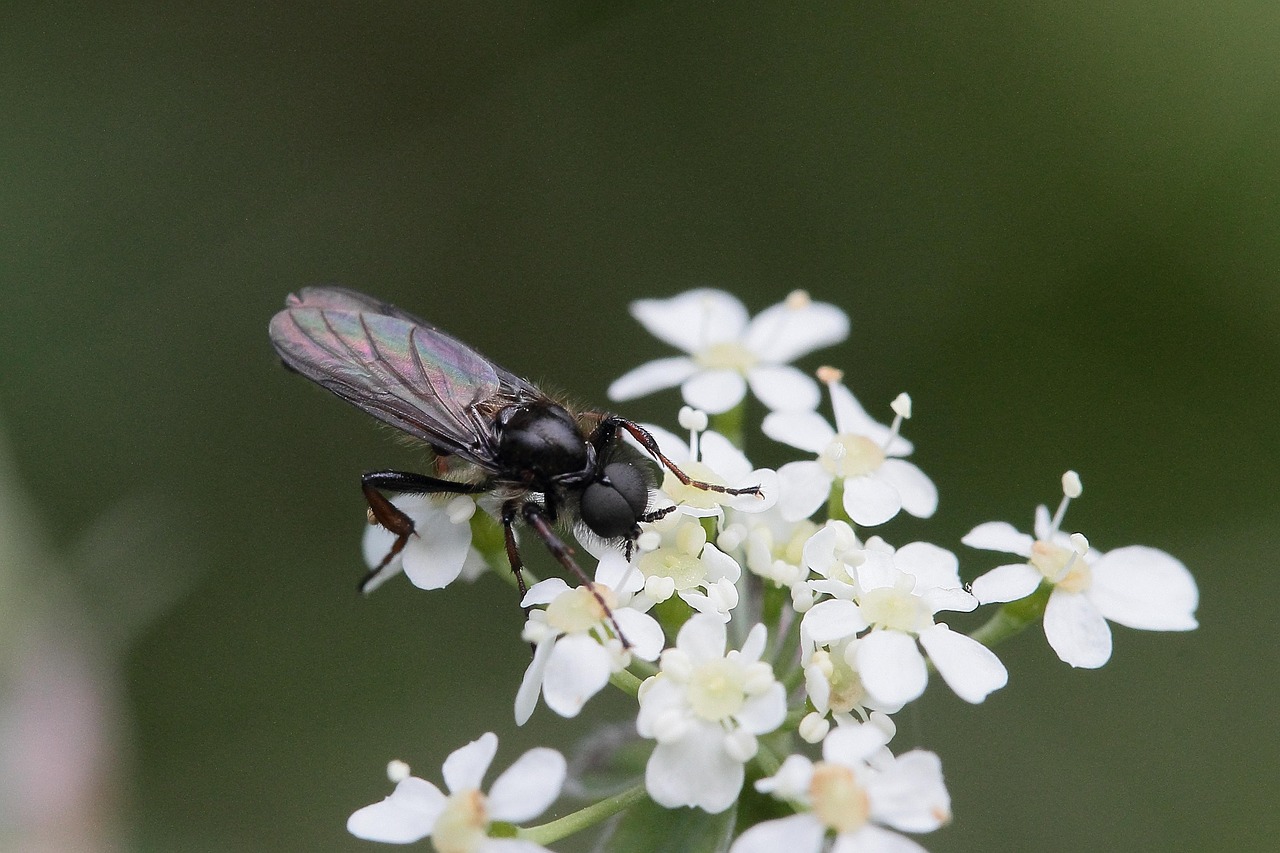
Fungus gnats are tiny, delicate flies, usually measuring about 1/8 of an inch long. They are dark in color and possess long, thin legs. You will most often find them hovering near the soil surface or scurrying across the top of the potting mix. If you disturb the plant—perhaps by moving the pot or lightly brushing the foliage—they will typically take flight in a short, erratic burst before settling back down.
To confirm an infestation, look for these specific indicators:
- Soil Activity: Watch for small, dark flies resting on the surface of the soil or crawling along the rim of the pot.
- Plant Health: Fungus gnat larvae feed on organic matter and delicate root hairs. If your plant shows sudden signs of wilting, yellowing leaves, or stunted growth, check the root zone.
- Moisture Levels: These pests thrive in consistently moist, decaying organic matter. If your pot’s top layer of soil stays damp for extended periods, it creates a perfect breeding ground.
- Sticky Trap Evidence: Place a yellow sticky card near the base of the plant. If the trap captures tiny, dark-winged insects, you have confirmed a fungus gnat presence.
It is important to differentiate these from other pests. For example, aphids are usually found on the undersides of leaves or stems rather than in the soil, while whiteflies are bright white and congregate heavily on foliage. If your pests are flying in large clouds around the entire plant rather than staying near the soil, you may be dealing with a different insect entirely.
Once you confirm the presence of fungus gnats, focus your attention on the soil. Because they rely on moist conditions to complete their life cycle, your first step in practical home gardening should be to allow the top two inches of soil to dry out completely between waterings. This simple adjustment to your maintenance routine often discourages adults from laying eggs and helps break the breeding cycle without the need for harsh interventions.
Using Sticky Traps for Adult Gnats
Yellow sticky traps are the most effective tool for capturing adult fungus gnats. These pests are naturally drawn to the color yellow, which mimics the appearance of bright, healthy foliage. By placing these traps directly into your potting soil or hanging them just above the plant canopy, you can quickly reduce the flying population before they have the chance to reproduce.
Using these traps serves two purposes: they act as an immediate control method and a diagnostic tool. By observing how many gnats stick to the surface, you can gauge the severity of your infestation and determine if further intervention—such as soil drenches or bottom-watering—is necessary.
To get the best results, follow these practical steps:
- Placement: Position the traps as close to the soil surface as possible, as this is where adult gnats emerge and congregate.
- Stability: If using small stakes, ensure they are pushed firmly into the soil so they do not tip over when brushed against.
- Coverage: For larger collections, use one trap per plant to ensure you are catching adults across your entire indoor garden.
- Maintenance: Once a trap is covered in insects or debris, replace it with a fresh one to maintain its effectiveness.
While sticky traps are highly efficient at catching flying adults, remember that they do not address the larvae living in the soil. These traps should be used as part of a comprehensive maintenance strategy. By capturing the adults, you prevent them from laying new eggs, effectively breaking the life cycle of the pest. If you notice a high volume of gnats on your traps, it is a clear sign that you need to treat the soil simultaneously to eliminate the next generation of pests.
When handling these tools, be careful to avoid touching the adhesive surface, as it is designed to be extremely tacky. If you accidentally get the adhesive on your hands, it can be easily removed with a small amount of vegetable oil or rubbing alcohol. Keep these traps out of reach of curious pets and small children, as the bright color may be attractive, but the glue can be messy if handled improperly.
Breaking the Breeding Cycle in Soil
Trapping adult fungus gnats is only the first step in reclaiming your indoor garden. Because these pests complete their life cycle in the soil, you must target the larvae to stop the infestation at its source. If you ignore the potting mix, a new generation of gnats will emerge within days.
The most effective, non-chemical method to disrupt the breeding cycle is to manage your watering habits. Fungus gnat larvae thrive in consistently damp environments. By allowing the top two inches of your potting mix to dry out completely between waterings, you effectively dehydrate the larvae and prevent them from maturing.
To ensure you are managing moisture levels correctly, use these practical gardening techniques:
- Check soil depth: Before watering, insert your finger or a wooden dowel two inches into the soil. If it feels damp, wait another day or two.
- Bottom watering: Place your pots in a tray of water for 20 minutes, allowing the roots to absorb moisture from below. This keeps the surface soil dry, making it inhospitable for egg-laying adults.
- Improve drainage: Ensure your pots have adequate drainage holes and that you are using a high-quality, well-aerated potting mix. Heavy, peat-based soils tend to retain moisture for too long, encouraging gnat activity.
If your infestation is persistent, you may need to introduce a biological or chemical intervention to kill the larvae directly. These options are safe for your plants when used correctly:
- BTI (Bacillus thuringiensis israelensis): This is a naturally occurring bacterium that specifically targets gnat larvae. You can find it in products like “Mosquito Bits.” Simply soak the granules in your watering can for 30 minutes before watering your plants to introduce the bacteria into the soil.
- Hydrogen Peroxide Drench: Mix one part 3% hydrogen peroxide with four parts water. Pour this solution into the soil as you would a normal watering. The oxygen release kills larvae on contact and is generally harmless to healthy root systems.
Consistency is key. Whether you choose to dry out your soil or use a drench, maintain the treatment for at least three weeks to catch any newly hatched larvae. By combining these soil-focused strategies with your yellow sticky traps, you will successfully break the breeding cycle and restore your plants to health.
Safety and Handling Precautions
When managing a fungus gnat infestation, your approach to gardening tools and equipment is as important as the treatment itself. Whether you are using chemical controls or natural remedies, always read the manufacturer’s label in its entirety before application. Labels provide essential data on application rates, safety intervals, and environmental precautions that protect both you and your plants.
If you need to aerate the soil or repot infested plants, ensure your hand tools are both clean and sharp. Dull blades can tear through delicate root systems, creating open wounds that invite further disease or stress. Before moving from an infested plant to a healthy one, sanitize your trowels, shears, and cultivators with a solution of one part bleach to nine parts water, or use rubbing alcohol. This prevents the accidental transfer of gnat larvae or fungal spores between containers.
Personal safety should remain a priority throughout the maintenance process. Follow these guidelines to ensure a safe environment:
- Wear protective gloves: Use nitrile or rubber gardening gloves if you have sensitive skin to avoid irritation from pest control products or damp, pathogen-rich soil.
- Secure your workspace: Keep all pest control supplies, including concentrated neem oil, hydrogen peroxide solutions, and yellow sticky traps, in their original packaging.
- Prevent accidental contact: Store all equipment and treatments in a locked cabinet or high shelf, well out of reach of children and household pets. Sticky traps, while effective for adults, can be a choking hazard or cause skin irritation if handled improperly.
- Proper disposal: Once a trap is full or a treatment cycle is complete, dispose of materials promptly in a sealed bag to prevent pets from investigating the debris.
Managing outdoor power equipment or large-scale lawn care machinery during a gnat outbreak is rarely necessary, as these pests primarily thrive in the moist, organic-rich soil of indoor houseplants. However, if you are using garden maintenance equipment nearby, ensure that your workspace remains organized. Cluttered areas make it difficult to monitor plant health and increase the likelihood of spills. By maintaining clean tools and practicing careful storage habits, you create a safer home environment while effectively eliminating the gnat population.

Follow Up and Long Term Prevention
Eliminating an active infestation is only the first step. To ensure your indoor garden remains pest-free, you must monitor your plants closely for at least three to four weeks following your initial treatment. Fungus gnats have a rapid life cycle, and any missed larvae or eggs can quickly restart the cycle if left unchecked.
Continue using yellow sticky traps as a diagnostic tool. If you see new gnats appearing on the traps, it is a clear signal that the population has not been fully eradicated. In these instances, repeat your chosen treatment method, such as applying beneficial nematodes or a diluted hydrogen peroxide drench, to catch the next generation.
Long-term prevention relies on changing the environment that fungus gnats find attractive. These pests thrive in consistently damp, organic-rich soil. You can drastically reduce the likelihood of a recurrence by following these maintenance practices:
- Use Sterile Media: Always purchase high-quality, sterile potting soil. Avoid using garden soil or compost from outdoors, as these often contain gnat eggs and larvae.
- Prioritize Drainage: Ensure every pot has functional drainage holes. Never allow a plant to sit in standing water within a saucer, as this creates the perfect breeding ground for larvae.
- Practice Proper Watering: Allow the top two inches of soil to dry out completely between waterings. This kills off larvae that require moisture to survive and prevents the soil surface from becoming a nursery.
- Incorporate Top Dressing: Adding a layer of horticultural sand, gravel, or decorative pebbles to the top of your soil prevents adult gnats from reaching the surface to lay new eggs.
If you notice a sudden, massive surge in gnat activity despite maintaining a dry soil surface and using sterile media, do not ignore the warning signs. A persistent infestation often points to deeper, systemic issues that standard treatments cannot fix. In such cases, carefully remove the plant from its pot to inspect the root system. Look for signs of root rot, characterized by mushy, dark, or foul-smelling roots. If you are unsure about the health of your plant, take a sample or a clear photo to a local garden center or plant specialist. They can help you determine if the issue is an underlying drainage failure or a more complex fungal pathogen that requires repotting or specialized intervention.

Dedicated team of gardening enthusiasts with years of hands-on experience testing lawn mowers, gardening tools, and outdoor equipment. We help home gardeners and professionals alike make informed buying decisions with honest, thorough reviews. From push mowers to pruning shears, we test it all so you don’t have to. Got a gardening tool you’d like us to review? Get in touch!