
Attracting hummingbirds to your garden is a rewarding way to bring life and color to your outdoor space. By understanding their specific needs for food, water, and shelter, you can transform your backyard into a reliable habitat that keeps these fascinating birds coming back season after season for your enjoyment.
Creating an inviting sanctuary requires more than just hanging a single feeder. You must cultivate a diverse environment that mimics their natural habitat while ensuring your lawn care and garden maintenance routines remain bird-friendly. Success depends on consistency, patience, and selecting the right plant species that provide high-energy nectar throughout the entire blooming season.
In this guide, we will explore the essential hand tools and outdoor power equipment needed to maintain a thriving hummingbird haven. From selecting the best nectar-rich flowers to installing proper water features, we provide practical, actionable advice. Learn how to optimize your home gardening efforts to turn your property into a local hummingbird hotspot today.
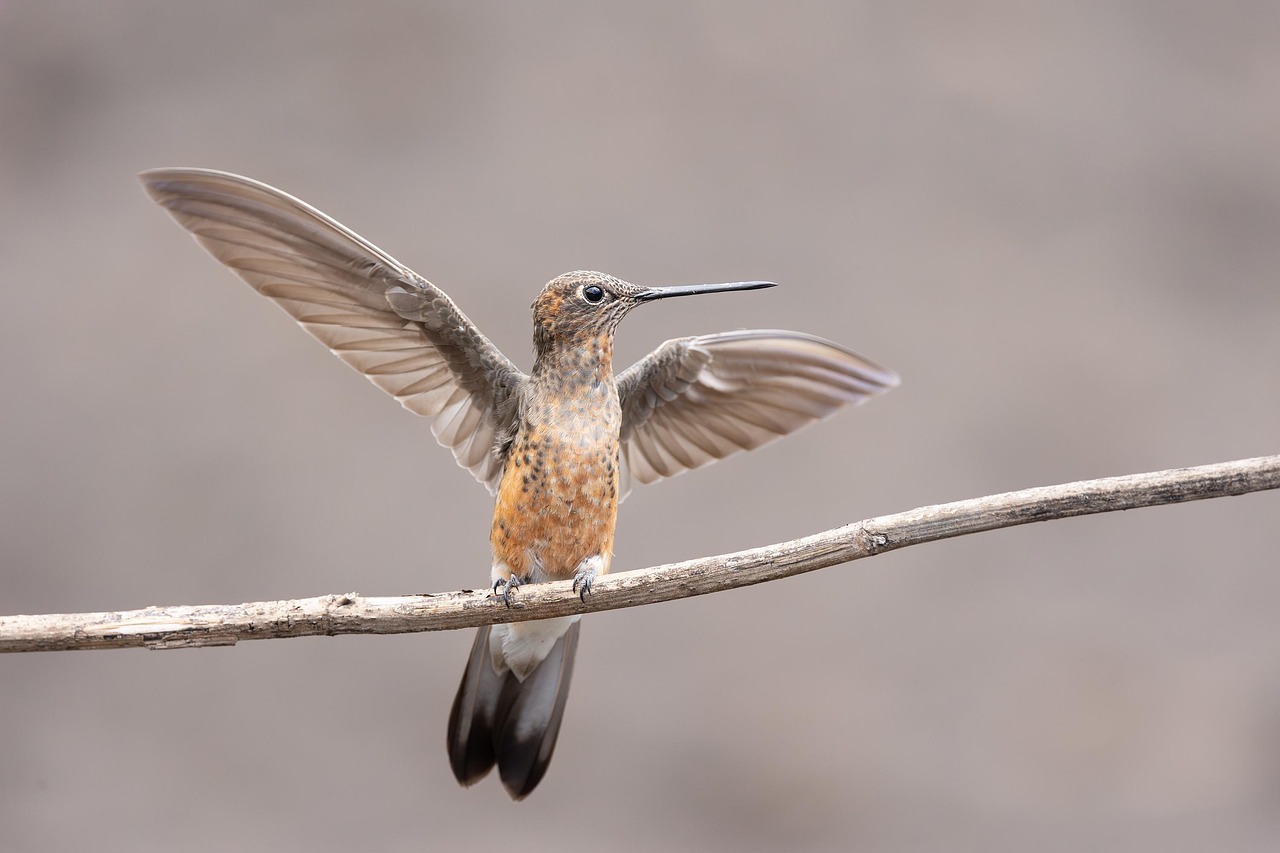
Choose the Right Nectar-Rich Plants
Attracting hummingbirds begins with selecting the right flora. These birds are naturally drawn to bright, tubular-shaped flowers that hold high volumes of nectar. By incorporating native perennials—such as bee balm, columbine, and cardinal flower—into your garden beds, you provide a reliable, high-energy food source that sustains these energetic visitors throughout the season.
Proper installation is key to establishing a healthy garden that thrives year after year. When preparing your planting site, use a sharp hand trowel or a sturdy spade to ensure you reach the correct soil depth. Proper depth allows roots to anchor firmly, which is essential for the long-term health of your nectar-rich plants.
To maintain your garden safely and efficiently, keep these practical tips in mind:
- Protect your hands: Always wear durable gardening gloves. They provide a necessary barrier against blisters, hidden thorns, and potential skin irritants found in the soil.
- Maintain your tools: Keep your trowels and spades clean and sharp. A dull blade can damage plant roots, while a clean tool prevents the spread of soil-borne diseases between garden beds.
- Prepare the soil: Use a garden fork to loosen compacted earth before planting. This ensures that delicate root systems can expand easily, leading to more robust flower production.
- Consistent care: Regular weeding and light pruning with bypass pruners will keep your flowerbeds tidy and ensure that energy is directed toward bloom production rather than unwanted growth.
When choosing your planting spots, consider the layout of your outdoor power equipment and lawn care routine. Avoid placing delicate perennial beds in areas where heavy machinery or lawnmower tires might accidentally crush them. By creating a dedicated, protected zone for your nectar plants, you minimize the need for frequent maintenance and allow the hummingbirds to feed without constant disturbance.
Remember that native plants are generally more resilient than non-native varieties. Once established, they often require less supplemental watering and fewer chemical interventions, creating a safer, more natural environment for your hummingbirds. Focus on layering your plants by height—placing taller perennials toward the back and shorter ones in the front—to create a lush, accessible habitat that these birds will return to daily. With the right tools and a bit of intentional planning, your backyard can become a premier hummingbird sanctuary.
Set Up and Maintain Hummingbird Feeders
Hummingbird feeders serve as an essential supplemental food source, especially when natural nectar is scarce. To create a safe, healthy mixture, combine four parts water with one part white granulated sugar. Bring the water to a boil to dissolve the sugar completely, then let it cool entirely before filling the feeder. Never use honey, brown sugar, or molasses, as these can cause fatal fungal infections in birds. Additionally, avoid red dye; it is unnecessary and potentially toxic. Most feeders are designed with red components to naturally attract these birds.
Proper installation is vital for both your safety and the success of the feeder. When mounting brackets or hooks, always use a sturdy ladder placed on level, stable ground. If the surface is soft or uneven, place a piece of plywood underneath the ladder feet to prevent sinking or tipping.
If you are using power tools to install hanging hardware, prioritize your safety by following these standard maintenance and handling practices:
- Wear Eye Protection: Always wear safety glasses to shield your eyes from flying wood chips, masonry dust, or metal debris while drilling.
- Tool Maintenance: Before changing drill bits or adjusting the chuck, ensure the power tool is unplugged or the battery pack is fully removed. This prevents accidental activation.
- Check Your Equipment: Inspect your power drill and bits before starting. Using dull bits requires more force, which increases the risk of the tool slipping or the bit snapping.
- Secure the Area: Keep your workspace clear of garden hoses, stray hand tools, or lawn care equipment to avoid tripping hazards while you are elevated on a ladder.
Once the feeder is securely mounted, consistent maintenance is key. Clean your feeders at least twice a week—or more frequently in extreme heat—to prevent mold and bacteria growth. Use a long-handled bottle brush to reach inside the ports and rinse thoroughly with hot water. Avoid using harsh chemical soaps, as even a small residue can be harmful to hummingbirds. By keeping the equipment clean and the sugar water fresh, you provide a reliable, healthy environment that will encourage hummingbirds to return to your garden throughout the season.

Provide Essential Water and Shelter
Hummingbirds require more than just nectar to thrive in your backyard; they also need reliable sources of water for bathing and preening. Because these birds have delicate feathers, they prefer shallow water rather than deep basins. A birdbath with a depth of no more than one inch is ideal. To truly attract them, install a mister or a gentle fountain. Hummingbirds are naturally drawn to the sound and movement of trickling water, often using the mist to clean their wings and cool down on hot days.
Beyond water, hummingbirds rely on trees and shrubs for shelter and protection from predators. Maintaining a healthy, structured landscape is essential for creating a welcoming environment. Regular garden maintenance ensures these plants remain vibrant and safe for nesting.
When tending to your landscape, follow these best practices for effective and safe maintenance:
- Use sharp tools: Always use high-quality loppers or pruning shears to remove dead branches. Dull blades crush plant stems, which can invite disease and slow recovery.
- Prioritize safety: Keep your fingers well away from the cutting blades at all times. If you are working on overhead branches, wear eye protection to guard against falling debris.
- Clean and store: After pruning, wipe your tools down to remove sap and moisture. Store all sharp hand tools in a secure, dry location—such as a locked shed or a high shelf—to prevent accidental injury and rust.
If you use outdoor power equipment, such as a hedge trimmer for shaping larger shrubs, ensure you are wearing appropriate safety gear, including gloves and sturdy footwear. Never operate power equipment near bird nests, as the noise and vibration can cause hummingbirds to abandon their homes. By keeping your tools well-maintained and your garden tidy, you create a safe, inviting sanctuary that encourages hummingbirds to visit your yard repeatedly throughout the season.
Create a Pesticide-Free Environment
To attract hummingbirds, you must view your garden as a complete ecosystem rather than just a collection of flowers. While nectar-rich plants provide energy, hummingbirds rely heavily on small insects, gnats, and spiders for essential protein. By maintaining a pesticide-free environment, you ensure a reliable, natural food source remains available throughout the season.
Chemical pesticides and insecticides do not discriminate; they eliminate both garden pests and the beneficial insects that hummingbirds hunt. Furthermore, these chemicals can accumulate in the environment, posing a direct toxicity risk to the birds if they ingest contaminated insects or bathe in treated water sources. Embracing organic gardening practices fosters a healthier balance where natural predators keep pest populations in check.
Managing your landscape effectively without chemicals requires a shift in how you use your outdoor power equipment and hand tools:
- Precision Edging: When using string trimmers or edgers to tidy lawn borders, maintain a wide buffer zone around flower beds. Accidental contact with nectar-producing plants can damage stems and reduce the number of blooms available for hummingbirds.
- Manual Maintenance: Use hand pruners and shears for delicate maintenance near hummingbird-friendly plants. Hand tools offer superior control, allowing you to remove dead foliage without disturbing the surrounding habitat or harming the insects living within the mulch.
- Mulch Management: Instead of chemical weed killers, use a thick layer of organic mulch around your garden beds. This suppresses weeds while providing a habitat for the spiders and small insects that hummingbirds crave.
- Strategic Mowing: Adjust your lawn mower height to leave grass slightly longer near garden edges. This creates a cooler, moister microclimate that supports a higher density of insect life.
If you encounter a localized pest issue, opt for physical barriers or manual removal rather than broad-spectrum sprays. For example, a simple blast of water from a garden hose is often enough to dislodge aphids from foliage without leaving toxic residues behind. By prioritizing the health of your garden’s insect population, you create a vibrant, self-sustaining sanctuary that hummingbirds will return to year after year. A chemical-free garden is not just safer for the birds; it is a more resilient and rewarding space for you to enjoy.

Frequently Asked Questions and Ongoing Care
Maintaining a hummingbird-friendly yard requires more than just hanging a feeder; it involves consistent garden maintenance and diligent equipment care. To keep your visitors healthy and returning, prioritize the cleanliness of your feeding stations. Mold and bacteria can grow rapidly in warm weather, posing a serious threat to these delicate birds.
Establish a routine to keep your feeders in top condition:
- Sanitize regularly: Wash all feeder components with hot water and a mild vinegar solution at least twice a week. Avoid using harsh chemical soaps, which can leave toxic residues.
- Inspect equipment: Check your hanging hardware and brackets for rust or structural weakness. Ensure that your gardening tools, such as pruning shears used to trim back shrubs near the feeders, are kept clean to prevent the spread of plant diseases.
- Monitor nectar: Replace the sugar water every few days, or sooner if it becomes cloudy or if temperatures are exceptionally high.
Your broader garden maintenance also plays a role in attracting hummingbirds. Use your outdoor power equipment and hand tools to create a layered landscape. By trimming hedges and managing perennials, you provide the natural shelter and nesting sites that these birds crave alongside your feeders. Keep your lawn care equipment properly maintained to ensure you can manage your yard efficiently without creating excessive noise or disturbance during peak feeding hours.
Occasionally, you may encounter a bird that appears injured, disoriented, or lethargic. While your instinct may be to intervene, it is vital that you do not attempt to handle the hummingbird yourself. Their metabolism is incredibly fast and their bodies are fragile; improper handling can cause fatal stress or physical trauma.
If you suspect a bird is in distress, follow these professional guidelines:
- Observe the bird from a distance to determine if it is truly injured or merely resting.
- Do not offer food or water directly to an injured bird, as this can lead to aspiration.
- Contact a local wildlife rehabilitator or your state wildlife agency immediately for expert instructions.
Most hummingbird issues are resolved through patience and consistent habitat maintenance. By focusing on a clean, safe environment, you provide the best possible chance for these birds to thrive in your backyard oasis.

Dedicated team of gardening enthusiasts with years of hands-on experience testing lawn mowers, gardening tools, and outdoor equipment. We help home gardeners and professionals alike make informed buying decisions with honest, thorough reviews. From push mowers to pruning shears, we test it all so you don’t have to. Got a gardening tool you’d like us to review? Get in touch!