
To get gnats out of house plants, you must first allow the top inch of soil to dry out completely between waterings. Fungus gnats are a common nuisance for indoor gardeners, often appearing when soil stays too damp. By disrupting their moist breeding environment, you effectively stop their life cycle and prevent future infestations.
While these tiny insects are frustrating, they are rarely fatal to healthy plants if addressed early. Understanding that these pests thrive in organic matter and consistent moisture is key to long-term control. Managing your watering habits and using proper drainage techniques are the most realistic expectations for maintaining a healthy, pest-free indoor garden environment.
This guide explains how to identify these pests and provides practical, safe methods to eliminate them and protect your plants. From using yellow sticky traps to applying neem oil or beneficial nematodes, we cover a range of effective solutions. Follow our expert advice to restore your greenery and keep your home garden thriving all year.

Identify the Problem
Before you reach for heavy-duty garden maintenance tools or outdoor power equipment, it is essential to confirm that your houseplant woes are indeed caused by fungus gnats. These pests are distinct from other common indoor insects, and identifying them early is the most effective way to prevent widespread infestation.
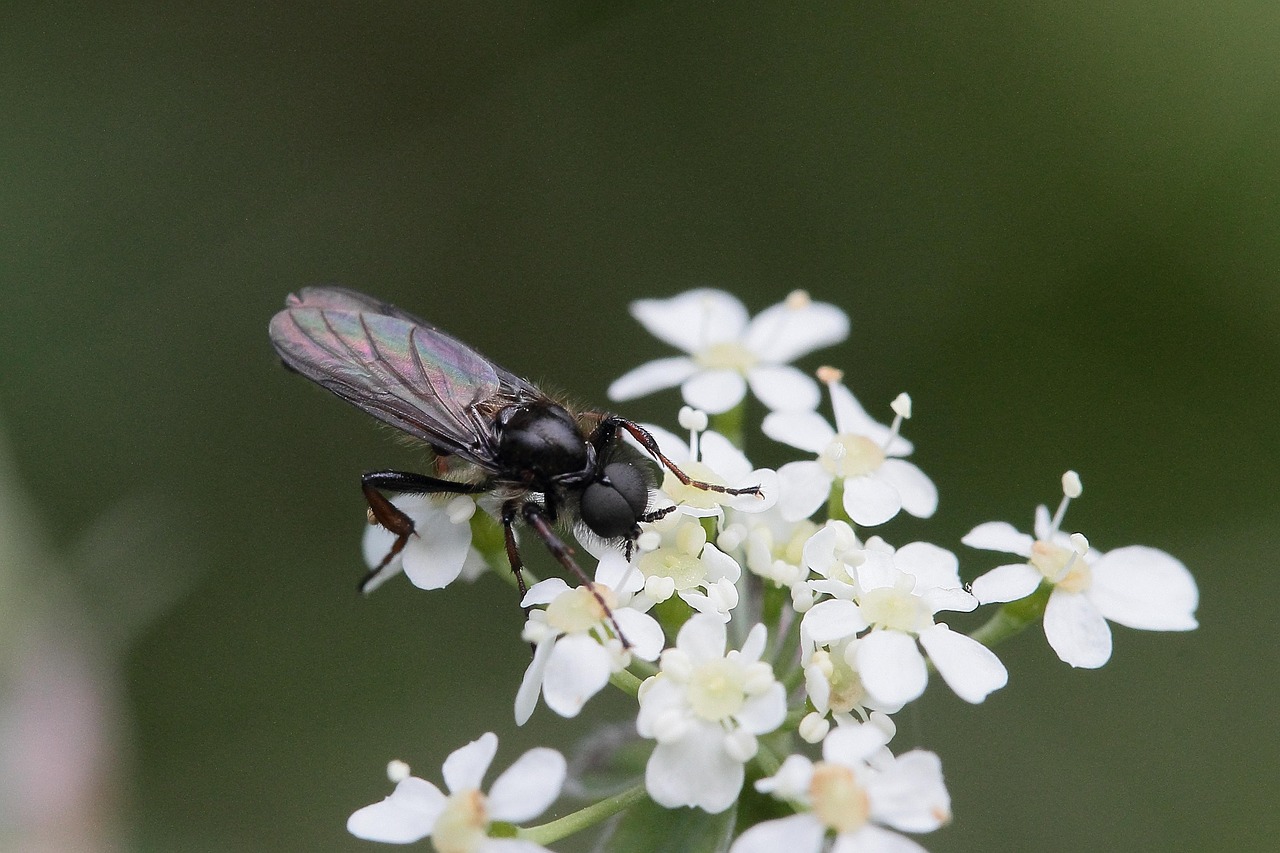
Fungus gnats are small, dark, mosquito-like flies that typically hover around the surface of your potting soil or congregate near the base of the plant. Unlike many garden pests that feed on leaves, these insects are primarily attracted to moist, decomposing organic matter within the soil. If you disturb the soil surface and see a sudden flurry of tiny flies taking flight, you have likely confirmed their presence.
To determine the severity of the problem, look for these specific indicators:
- Visual sightings: Small, black, gnat-sized flies darting around the pot or resting on the soil surface.
- Foliage changes: Unexpected yellowing of lower leaves, which often signals that the root system is under stress.
- Growth patterns: Noticeable stunted growth or a general lack of vigor in a plant that previously appeared healthy.
- Root damage: If you gently remove the plant from its pot, you may find larvae—small, translucent worms with black heads—feeding on the delicate root hairs.
It is important to understand that the adult gnats are merely a nuisance; the real damage occurs beneath the soil line. The larvae thrive in damp, stagnant conditions, often resulting from overwatering or poor drainage. Because these pests rely on moisture to survive, the presence of gnats is often a clear signal that your current watering routine is keeping the soil too wet for too long.
Before applying any treatments, verify that the flies are not coming from other sources, such as nearby drains or organic waste bins. Once you confirm the gnats are localized to your potting soil, you can move forward with targeted cultural controls. The most practical first step is to allow the top two inches of soil to dry out completely between waterings. This simple adjustment disrupts the life cycle of the larvae, effectively reducing the population without the need for harsh chemicals or specialized equipment.
Dry Out the Soil
The most effective way to break the fungus gnat life cycle is to disrupt their breeding ground. These pests thrive in consistently damp, organic-rich soil, where larvae feed on decaying matter and fungal growth. By strategically managing your watering habits, you can create an environment that is inhospitable to both eggs and larvae.
The primary goal is to allow the top two inches of your potting soil to dry out completely between waterings. When the surface layer remains dry, it becomes difficult for adult gnats to lay new eggs and prevents the survival of existing larvae near the surface. To manage this process effectively, follow these practical steps:
- Check soil moisture manually: Before adding water, insert your finger or a wooden dowel two inches deep into the soil. If you feel moisture or see dark soil clinging to the stick, wait another day or two before watering.
- Ensure proper drainage: Always use pots with functional drainage holes. If your decorative planter lacks them, use a plastic nursery liner inside the pot to allow excess water to escape.
- Empty saucers promptly: Never allow your plants to sit in standing water. After watering, wait fifteen minutes and discard any liquid that has collected in the saucer or tray.
- Adjust watering frequency: During cooler months or periods of lower light, plants require significantly less water. Reduce your watering schedule accordingly to prevent the soil from becoming waterlogged.
If you find that your soil remains damp for extended periods, it may be time to evaluate your potting medium. Heavy, dense soils retain too much moisture, which encourages gnat infestations. Consider amending your soil with aeration materials like perlite, pumice, or coarse horticultural sand to improve drainage and encourage faster drying.
While drying out the soil is a potent control method, be mindful of your plant’s specific needs. Some species, such as ferns or peace lilies, may wilt if allowed to dry out too severely. If you are struggling to balance plant health with gnat control, you can apply a thin layer of decorative sand or fine gravel to the top of the soil. This physical barrier prevents adult gnats from reaching the soil surface to lay eggs while still allowing you to maintain a consistent watering routine for moisture-loving plants.
Use Physical Barriers and Traps
Stopping the life cycle of fungus gnats requires a two-pronged strategy: capturing the breeding adults and physically blocking access to the soil. By combining traps and surface barriers, you can break the reproductive cycle without relying exclusively on chemical insecticides.
Deploying Yellow Sticky Traps
Adult fungus gnats are naturally attracted to the color yellow. Placing sticky traps near the base of your plants is one of the most effective ways to monitor and reduce the population. As the adults fly low to search for damp soil, they become stuck to the adhesive surface, preventing them from mating or laying new eggs.
- Place traps horizontally on the soil surface or vertically on stakes just above the foliage.
- Check traps every few days and replace them once they are covered in insects.
- Ensure traps are positioned near the most infested plants to maximize capture rates.
Applying Physical Soil Barriers
Fungus gnats require damp, organic-rich soil to lay their eggs. If you can prevent the adults from reaching the surface of the growing medium, you effectively cut off their nursery. Creating a dry, inhospitable layer on top of the soil is a simple, non-toxic solution.
To create a barrier, remove the top half-inch of existing potting soil and replace it with a material that dries out quickly and does not hold moisture. Recommended materials include:
- Coarse Sand: A layer of horticultural sand allows water to pass through but dries out rapidly, making it difficult for gnats to navigate.
- Decorative Gravel or Pebbles: These provide a heavy, dry barrier that adults cannot easily penetrate to reach the moist soil beneath.
- Expanded Clay Pebbles: These are lightweight and excellent for creating an airy, dry top layer that discourages egg-laying.
For the best results, ensure the barrier is at least one-quarter to one-half inch thick. Because these materials dry out much faster than peat-based potting mixes, the gnats will find the environment unsuitable for their larvae. When watering your plants, pour slowly to avoid displacing the barrier material. By maintaining this physical shield and keeping your yellow traps active, you can significantly reduce the gnat population in your home within a few weeks.
Safe Removal Methods
If you have already tried yellow sticky traps and reduced your watering schedule but the gnat infestation persists, a targeted soil treatment is necessary. Fungus gnats lay their eggs in the top inch of potting soil, where larvae feed on organic matter and roots. A diluted hydrogen peroxide solution is an effective, budget-friendly way to eliminate these larvae on contact without damaging your plants.
To prepare the solution, mix one part 3% hydrogen peroxide with four parts water. Use this mixture to water your plants thoroughly, ensuring the soil is saturated enough to reach the larvae. You will likely hear a slight fizzing sound as the peroxide contacts the organic material; this is normal and indicates the solution is working. Always wear gardening gloves when handling soil or applying treatments to protect your skin from irritation.
Infestations often leave behind damaged or yellowing foliage that can weaken the plant. Pruning these areas helps the plant redirect energy toward healthy growth. When trimming, follow these best practices for tool maintenance and safety:
- Use sharp, clean shears: Dull blades crush plant stems rather than slicing them, which creates open wounds that invite disease. Always sanitize your gardening shears with rubbing alcohol before and after use.
- Make clean cuts: Remove only the affected leaves to avoid unnecessary plant stress.
- Handle with care: Keep your fingers away from the cutting path at all times.
- Secure storage: Once your pruning is complete, wipe the blades dry to prevent rust, then store your tools in a secure, dry location out of reach of children or pets.
Consistency is key to breaking the gnat life cycle. Because hydrogen peroxide breaks down into water and oxygen quickly, it does not leave harmful residues in the soil. However, it only kills the larvae present at the time of application. You may need to repeat this treatment once a week for two to three weeks to catch any eggs that hatch after your initial application. If the infestation is severe, consider repotting the plant in fresh, sterile potting mix after the treatment to ensure all remaining eggs are removed permanently. Always monitor your plants closely during this time, as healthy, dry soil is the best long-term defense against future gnat outbreaks.

Maintenance and Prevention
The most effective way to manage fungus gnats is to stop them before they establish a colony. These pests thrive in moist, decaying organic matter, making your plant care routine the first line of defense. By adjusting how you maintain your indoor garden, you can create an environment that is inhospitable to gnats.
The primary culprit is almost always overwatering. Fungus gnat larvae feed on fungi that grow in damp soil. To prevent this, allow the top two inches of your potting mix to dry out completely between waterings. This creates a dry surface layer that kills existing larvae and discourages adults from laying new eggs.
Regular garden maintenance is equally important. Remove fallen leaves, dead plant material, and debris from the soil surface immediately. These items provide the perfect food source and shelter for gnats. Keep your tools clean and ensure your pots have proper drainage holes to prevent water from pooling at the bottom, which can lead to root rot and further pest attraction.
When it is time to repot your plants, follow these best practices to ensure a clean start:
- Always use high-quality, sterile potting mix rather than soil harvested from an outdoor garden, which may contain gnat eggs or larvae.
- Avoid storing bags of potting soil in damp areas, as these can become infested before you even use them.
- Ensure your new pots are thoroughly scrubbed with soap and water if they have been used previously.
If you have taken these steps and the infestation remains unmanageable, you may need to escalate your approach. First, isolate the affected plant from your healthy collection to prevent the gnats from spreading. Move it to a separate room or a screened area until the population is under control.
If the gnats persist despite your best efforts, consult a local nursery professional. They can recommend specialized biological controls, such as beneficial nematodes or Bacillus thuringiensis israelensis (BTI), which target larvae specifically without harming your plants or household pets. Sometimes, a professional perspective can identify a deeper issue, such as poor airflow or an underlying drainage problem, that you might have missed. Consistent observation and proactive care are the best tools in your gardening kit for keeping your plants healthy and pest-free.

Dedicated team of gardening enthusiasts with years of hands-on experience testing lawn mowers, gardening tools, and outdoor equipment. We help home gardeners and professionals alike make informed buying decisions with honest, thorough reviews. From push mowers to pruning shears, we test it all so you don’t have to. Got a gardening tool you’d like us to review? Get in touch!