
To trim laurels effectively, you should prune them once or twice a year during the growing season, typically between late spring and early autumn. Using sharp, clean secateurs or shears is essential to avoid damaging the large, waxy leaves and to ensure the cuts heal quickly without inviting any unwanted plant diseases.
While laurel hedges are beloved for their dense, evergreen foliage that provides excellent privacy, they require consistent maintenance to remain tidy and healthy. Without regular trimming, these vigorous growers can quickly become unruly or sparse. Understanding their growth patterns helps you manage their size while encouraging the lush, thick density you desire.
This guide explains the best time to prune, the specific tools you need, and the step-by-step techniques required to achieve a professional finish. We will also cover essential safety tips to keep you protected while working at height. Follow these practical instructions to keep your laurel hedge looking vibrant, well-shaped, and perfectly manicured all year round.

When to Prune Your Laurel Hedge
Timing your pruning correctly is the most effective way to ensure your laurel hedge remains dense, healthy, and resilient. Because laurels are vigorous growers, they respond best when trimmed during their active growing season.
The ideal window for routine maintenance is late spring or summer, specifically after the plant has completed its initial flush of new growth. Pruning at this time allows the hedge to recover quickly and keeps the foliage looking tidy throughout the warmer months.
It is vital to avoid pruning in late autumn or winter. During these colder months, the plant enters dormancy, and the fresh cuts are susceptible to frost damage. If you trim too late in the year, the exposed stems may brown or die back, leaving unsightly gaps in your hedge.
If your laurel hedge has become overgrown or sparse, a more aggressive approach is necessary. Follow these guidelines for a hard prune:
- Timing: Perform hard prunes in mid-spring, just as the weather begins to warm up.
- Recovery: Pruning in spring gives the laurel the entire growing season to produce new shoots and recover from the stress of heavy cutting.
- Technique: Laurel plants are hardy and will tolerate being cut back significantly, even into old wood, provided they are in a healthy state before you begin.
Regardless of the intensity of the prune, always use sharp, sterilized tools. Clean cuts heal significantly faster than jagged ones, which helps prevent the entry of pests and fungal diseases. If you are trimming in the height of summer, aim to do so on a cool, overcast day to prevent the newly exposed inner leaves from scorching in intense direct sunlight.
By aligning your maintenance schedule with the natural growth cycle of the laurel, you ensure that your hedge remains a lush, green privacy screen for years to come. Consistency is key; a light trim once or twice a year is far better for the plant’s long-term health than a single, drastic cut after years of neglect.
Essential Tools and Safety Equipment
Selecting the right equipment is the first step toward achieving a clean, healthy finish for your laurel hedge. Using improper tools often results in jagged cuts, which can leave the large, waxy leaves of the laurel looking brown and damaged rather than vibrant and lush.
For smaller hedges or detailed shaping, sharp hand shears are your best option. They allow for precise control and ensure clean incisions, which helps the plant heal faster and reduces the risk of disease. For larger, more established hedges, a mechanical hedge trimmer is significantly more efficient. However, these power tools require extra vigilance to maintain a straight line and avoid over-cutting.
Regardless of the tool you choose, prioritize your safety by wearing the following protective gear:
- Safety goggles: Essential for shielding your eyes from flying leaf debris and stray twigs.
- Sturdy gardening gloves: Protect your hands from sharp edges, potential sap irritation, and scratches.
- Non-slip footwear: Provides necessary stability, especially if you are working on uneven ground or using a ladder.
If you opt for electric trimmers, your setup requires additional electrical safety precautions. Always remain aware of the cable’s position, keeping it well away from the cutting blades at all times. To mitigate the risk of accidents, always use a residual current device (RCD) between your power source and the trimmer. This device acts as a vital safety switch, cutting the power instantly if a fault occurs.
Before you begin, inspect your equipment. Ensure blades are clean and sharp; dull blades tend to tear the foliage rather than slice through it, which creates unsightly brown edges. If using petrol-powered trimmers, check fuel levels and ensure the engine is in good working order before starting. By preparing your tools correctly and dressing for safety, you make the task of maintaining your laurel hedge both easier and significantly safer for your garden and yourself.
Step-by-Step Trimming Technique
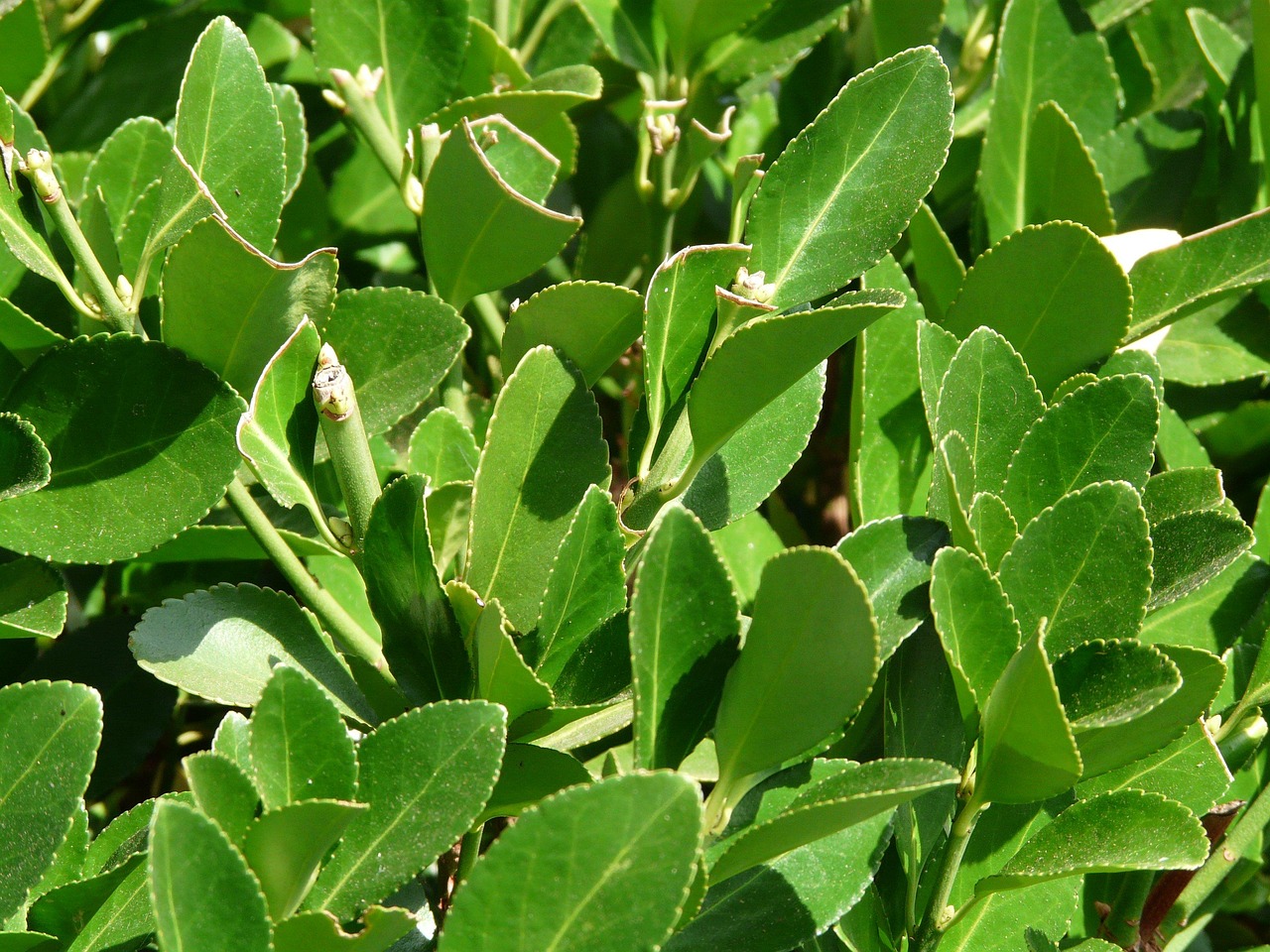
To achieve a professional finish and maintain the health of your laurels, begin by trimming the sides of the hedge. Work from the bottom upward, ensuring you create a slight inward taper toward the top. This “A-frame” shape is essential because it allows sunlight to reach the lower branches, preventing the base from becoming bare or woody.
When trimming, prioritize hand shears over power hedge trimmers. Laurel leaves are large; power tools often shred them, leaving unsightly brown, jagged edges that take months to recover. Hand shears allow for precision cuts, ensuring the foliage remains intact and aesthetically pleasing.
Follow these steps for a clean, healthy trim:
- Position your cuts: Always make your cuts just above a leaf node—the point where a leaf meets the stem. This stimulates the plant to sprout new, healthy growth from that exact spot.
- Check for uniformity: Once you have shaped the sides, set up a taut string line between two stakes at your desired height. This acts as a visual guide to ensure the top of the hedge remains perfectly level.
- Clear debris: After finishing, gently shake the hedge to dislodge any loose clippings trapped inside the canopy. Removing these prevents fungal issues and allows better airflow.
Avoid trimming in extreme heat or direct midday sun, as this can cause the newly exposed inner leaves to scorch. If you are performing a heavy prune, aim for late spring or early summer, which gives the laurel ample time to recover and harden off before the first frost of autumn.
By focusing on careful, targeted cuts rather than aggressive shearing, you encourage a dense, vibrant hedge. Regular, light maintenance is always superior to infrequent, heavy pruning, as it keeps the laurel manageable and reduces the stress placed on the plant. With patience and the right technique, your laurel will remain a lush, green privacy screen for years to come.
Managing Height and Safety at Elevation
When trimming tall laurel hedges, your safety must always take precedence over the aesthetics of the foliage. Attempting to reach too high while holding heavy equipment significantly increases the risk of falls and muscle strain. Never compromise your stability by overreaching or standing on your tiptoes to access the top of the hedge.
If you must use a ladder, ensure it is placed on firm, level ground. If the terrain is uneven, use a ladder leveling device or relocate to a flatter area. However, exercise extreme caution: never operate heavy power tools, such as electric or petrol hedge trimmers, while balanced on a ladder. The weight of the tool combined with the vibration and potential recoil can easily pull you off balance, leading to severe injury.
To maintain height safely, consider these practical approaches:
- Use telescopic trimmers: These tools allow you to prune the top of a tall hedge while keeping both feet firmly planted on the ground. They provide the necessary reach without the instability of a ladder.
- Work in stages: If using manual shears, prune only what you can reach comfortably. Step down and reposition your platform frequently rather than stretching your arms above shoulder height.
- Assess your limits: If the laurel has grown beyond a height that you can manage safely from the ground or a stable platform, it is time to call a professional. Arborists have the specialized equipment and training to manage tall hedges without risking your safety.
Prioritizing a stable base is essential for a successful pruning session. If you feel unsteady at any point, stop immediately. It is always safer to leave a section of the hedge slightly overgrown than to risk a fall. By keeping your feet on solid ground and using the right tools for the height, you ensure that your gardening remains a rewarding and injury-free experience.

Follow-up Care and Troubleshooting
Once you have finished pruning your laurel hedge, immediate site hygiene is essential. Gather and remove all clippings from beneath the shrub, as decaying foliage trapped against the base can harbor fungal spores and invite pests. Clearing the area also improves airflow, which is vital for the plant’s recovery.
After cleaning the site, provide your hedge with a deep, thorough watering. Pruning stimulates growth, and consistent moisture helps the plant recover from the physical stress of the cut. To further support this process, apply a two-inch layer of organic mulch around the base, ensuring it does not touch the main stems. This layer retains soil moisture, suppresses weeds, and gradually improves soil structure.
Monitor your laurel closely in the weeks following your work. If you notice unexpected symptoms, investigate the following common issues:
- Yellowing leaves: This often indicates poor drainage, overwatering, or a nitrogen deficiency. Check the soil moisture levels before adding fertilizer.
- Stunted growth: If new shoots fail to emerge, inspect the underside of leaves for signs of pests, such as scale insects or aphids.
- Leaf spots: Brown or black lesions may suggest a fungal infection like shot-hole disease, which is exacerbated by damp, stagnant conditions.
For minor issues, a balanced, slow-release fertilizer can help restore vigor. However, be realistic about the scale of your intervention. If your hedge was severely overgrown, neglected for many years, or requires a drastic structural reduction to reach a manageable size, proceed with caution. Heavy pruning can shock a laurel, potentially leading to dieback or death if done incorrectly.
If you are unsure about the health of your hedge or need to remove significant amounts of woody growth, consult a professional arborist. An expert can assess the structural integrity of the plant and perform the necessary cuts safely, ensuring the hedge survives the intervention and remains a healthy, lush feature of your landscape for years to come.

Dedicated team of gardening enthusiasts with years of hands-on experience testing lawn mowers, gardening tools, and outdoor equipment. We help home gardeners and professionals alike make informed buying decisions with honest, thorough reviews. From push mowers to pruning shears, we test it all so you don’t have to. Got a gardening tool you’d like us to review? Get in touch!