
To get gnats out of your house plant, you must allow the top two inches of soil to dry out completely between waterings. Fungus gnats thrive in consistently moist environments, so reducing irrigation frequency is the most effective way to disrupt their breeding cycle and eliminate these persistent indoor pests for good.
While seeing tiny insects hovering around your greenery is frustrating, these common invaders are usually more of a nuisance than a major threat to plant health. Understanding that they are attracted to damp organic matter helps you adjust your care routine. Consistent maintenance is key to keeping your home garden thriving and pest-free.
This guide explains how to identify, eliminate, and prevent these pests using simple, practical methods without harsh chemicals. We will cover essential hand tools for soil aeration, proper lawn care equipment techniques, and effective outdoor power equipment adjustments. Follow these expert steps to restore your indoor oasis and maintain a healthy, vibrant home garden environment.

Identify the Problem and Its Source
Before you reach for heavy-duty garden maintenance tools or outdoor power equipment, you must confirm that your indoor pest issue is indeed fungus gnats. These tiny, dark-colored flies are often confused with fruit flies, but their behavior and habitat preferences are distinct.
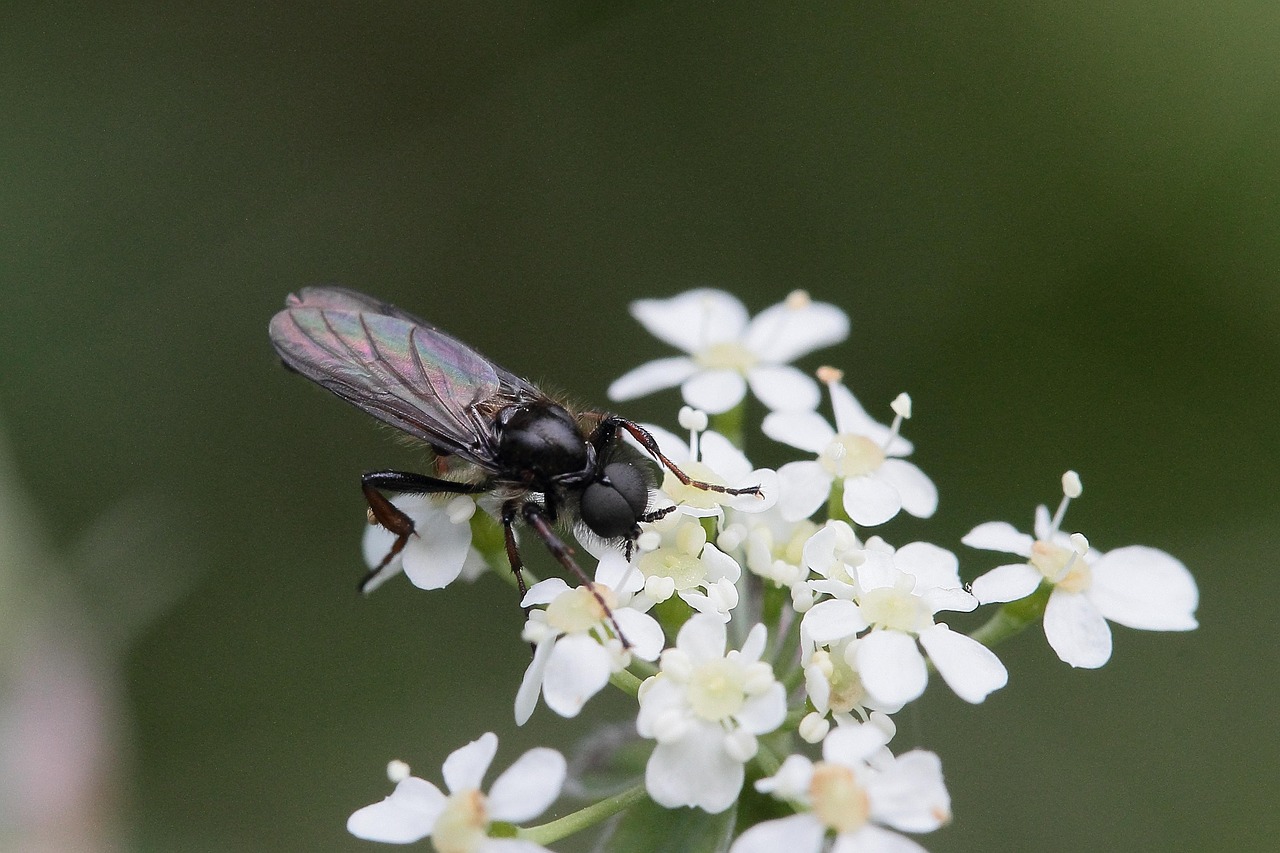
Fungus gnats are weak fliers, often seen hovering erratically around the soil surface or resting on the leaves of your houseplants. Unlike fruit flies, which are attracted to ripening produce in your kitchen, fungus gnats are almost exclusively drawn to the moist, nutrient-rich environment of potting soil.
To confirm the infestation, use these simple observation techniques:
- The Soil Test: Gently tap the rim of your plant container. If gnats suddenly take flight, they are nesting in the potting mix.
- The Sticky Trap Method: Place a yellow sticky card near the base of the plant. Fungus gnats are attracted to the color yellow and will become trapped, allowing you to examine them closely.
- Visual Inspection: Look for tiny, translucent larvae in the top inch of the soil. While difficult to see with the naked eye, their presence confirms the source of the problem.
Fungus gnats thrive in damp, organic-rich environments. They are particularly attracted to houseplants that are overwatered or those potted in soil with poor drainage. The adult gnats lay eggs in the moist topsoil, and the resulting larvae feed on decaying organic matter and delicate plant roots. If you notice your plants wilting or yellowing despite regular care, the larvae may be damaging the root system.
The first step in any successful control strategy is identifying that the infestation is centered in your plant containers. If you find gnats in areas far from your houseplants—such as near drains or trash cans—you may be dealing with a different pest, such as drain flies. By isolating the issue to your indoor garden, you can avoid unnecessary chemical treatments and focus on practical, targeted solutions.
Once you have confirmed the source, prioritize drying out the top layer of your soil. This simple cultural practice is often more effective than any hand tool or specialized equipment at breaking the gnat life cycle. By restricting their moist breeding ground, you effectively stop the infestation at its source.
Immediate Steps to Reduce Gnat Populations
Fungus gnats thrive in moist, organic-rich soil, making the top layer of your potted plants their primary nursery. The most effective way to stop an infestation is to disrupt their life cycle by creating an environment where larvae cannot survive. Because these larvae require constant moisture to develop, drying out the substrate is your first line of defense.
Start by allowing the top two inches of soil to dry out completely between waterings. You can test the moisture level by inserting your finger into the soil; if it feels damp, hold off on watering. This simple adjustment often kills off the existing larvae, preventing them from maturing into the flying adults that pester your home.
While you work on drying out the soil, you must simultaneously address the adult population to stop them from laying more eggs. Yellow sticky traps are an essential tool for this phase. Gnats are naturally attracted to the color yellow, and these traps serve two critical purposes:
- Immediate Capture: The adhesive surface traps adult gnats on contact, preventing them from mating and laying new eggs in your soil.
- Monitoring: The number of gnats caught on the trap provides a clear visual indicator of the infestation’s severity. If you see dozens of gnats in a single day, you know the population is high and may need additional intervention.
For the best results, place the traps horizontally on the surface of the soil or vertically on a small stake near the base of the plant. This proximity ensures you catch the insects as they emerge from the dirt or land to deposit eggs.
If you have multiple plants, treat them all simultaneously. Even if one plant appears healthy, gnats can easily migrate between pots. By combining a strict drying schedule with the use of sticky traps, you effectively starve the larvae while removing the breeding adults. This two-pronged approach is the fastest way to regain control of your indoor garden without resorting to harsh chemical pesticides. Once the traps remain clear for a week and the soil surface stays dry, you can gradually return to your normal watering routine, provided you ensure the top layer has time to breathe.
Natural Treatment Methods
If you prefer to avoid harsh chemicals, several safe, home-based methods can effectively break the gnat lifecycle. These treatments focus on two fronts: preventing adult gnats from laying eggs in the soil and eliminating the larvae already feeding on organic matter.
The most effective physical barrier is a layer of sand or decorative gravel applied to the top of your potting soil. By covering the soil surface with about a half-inch of coarse sand or fine gravel, you block adult fungus gnats from reaching the moist soil to deposit their eggs. Without a place to lay eggs, the population will naturally decline as the existing adults die off.
For a biological approach, consider these two targeted solutions:
- Diluted Hydrogen Peroxide: Mix one part 3% hydrogen peroxide with four parts water. Use this solution to water your plants thoroughly. The peroxide creates an immediate reaction upon contact with larvae, killing them on contact while breaking down into oxygen and water, which can actually benefit the plant roots.
- Mosquito Dunks: These contain Bacillus thuringiensis israelensis (BTI), a naturally occurring bacterium that specifically targets fungus gnat larvae and mosquito larvae. Break off a small piece of a dunk and soak it in your watering can for several hours or overnight. Use this treated water for your regular watering routine. The BTI remains active in the soil and provides a long-term solution without harming your houseplants or pets.
Consistency is vital when using natural methods. Fungus gnats have a rapid reproductive cycle, so you must treat every plant in your home simultaneously to prevent them from migrating between pots. Continue these treatments for at least two to three weeks to ensure you catch every generation.
Finally, remember that gnats thrive in overly damp conditions. Between treatments, allow the top two inches of your soil to dry out completely. This simple adjustment makes your environment much less hospitable to larvae. If your pots lack proper drainage, consider repotting into containers with drainage holes or using a well-draining potting mix amended with perlite to improve airflow. By combining physical barriers with targeted biological treatments and improved watering habits, you can clear your home of gnats safely and effectively.
Safety and Proper Handling of Materials
When addressing a gnat infestation, you will likely work with various soil amendments, potting media, and treatment solutions. Prioritizing safety ensures that your home remains a healthy environment for both your plants and your household members.
Always wear protective gloves when handling potting soil, perlite, or organic fertilizers. Fresh or damp potting mix can harbor mold spores, bacteria, or fungi that may cause skin irritation or respiratory discomfort. If you have sensitive skin, consider wearing a basic dust mask while mixing dry amendments to avoid inhaling fine particulates.
Stability is crucial when repotting or treating plants. Before you begin, ensure your workspace is flat and secure. If you are working with large containers or heavy bags of soil, place them on a stable surface like a potting bench or a drop cloth on the floor to prevent tipping. Spilled soil is not just a mess; it can create a slip hazard and spread gnat larvae throughout your home.
Many common gnat treatments, such as neem oil, hydrogen peroxide solutions, or biological controls like BTI (Bacillus thuringiensis israelensis), require careful storage. Follow these safety protocols to protect your family:
- Store out of reach: Keep all cleaning agents, pesticides, and biological controls in a locked cabinet or on a high shelf, well away from the reach of children and pets.
- Keep original packaging: Never transfer treatment liquids into unlabeled food or beverage containers. Always keep products in their original bottles to ensure you have access to the manufacturer’s safety instructions and ingredient lists.
- Check labels: Before applying any household remedy, read the label to confirm it is safe for indoor use and compatible with your specific plant species.
- Ventilation: If you are applying a spray treatment, ensure the room is well-ventilated. Open windows or use a fan to circulate air while the product settles.
Finally, always wash your hands thoroughly with soap and water immediately after completing your gardening tasks. Even if you wore gloves, accidental contact with soil or treatment residues can occur. By maintaining a tidy workspace and storing your supplies responsibly, you can effectively manage gnat populations while keeping your home environment safe and organized.

Follow-up Care and Prevention Strategies
Eliminating a fungus gnat infestation requires patience and consistency. While you may see a significant reduction in adult gnats within a week of starting treatment, it often takes three to four weeks to fully break the life cycle. This duration accounts for the time it takes for existing larvae in the soil to mature and be neutralized before they can reproduce.
Do not rush to repot your plants immediately. Repotting can stress a plant that is already struggling with an infestation. Only repot if the soil has become compacted, is holding too much moisture, or if the plant has outgrown its current container. If you must repot, use a high-quality, sterile potting mix and ensure your container has adequate drainage holes to prevent the damp conditions that gnats crave.
Long-term prevention is about managing the environment rather than just reacting to pests. Use these strategies to keep your indoor garden healthy:
- Master your watering habits: Allow the top two inches of soil to dry out completely between waterings. Fungus gnat larvae require moist soil to survive; keeping the surface dry disrupts their breeding ground.
- Improve soil drainage: Mix perlite, pumice, or horticultural grit into your potting medium. Better aeration helps the soil dry out faster, which is the most effective natural deterrent for gnats.
- Quarantine new arrivals: Never place a new plant directly next to your established collection. Keep new additions in a separate room for at least two weeks to ensure they are not harboring pests or eggs.
- Clean your tools: Regularly disinfect your hand tools and gardening equipment. If you use a shared watering can or trowel, wipe them down with a mild bleach solution or rubbing alcohol to prevent cross-contamination between pots.
- Top-dress your soil: Adding a thin layer of decorative sand or fine gravel to the surface of your soil can physically block adult gnats from laying eggs, while also preventing the soil from staying overly damp.
By focusing on these maintenance practices, you create an environment that is inhospitable to pests. Consistent monitoring—checking the undersides of leaves and the soil surface during your regular care routine—will allow you to catch and address future issues before they escalate into a full-blown infestation.

Dedicated team of gardening enthusiasts with years of hands-on experience testing lawn mowers, gardening tools, and outdoor equipment. We help home gardeners and professionals alike make informed buying decisions with honest, thorough reviews. From push mowers to pruning shears, we test it all so you don’t have to. Got a gardening tool you’d like us to review? Get in touch!