
Growing a lime tree in a container allows you to enjoy fresh citrus regardless of your climate. This guide covers the essential steps for keeping your potted lime tree healthy, productive, and thriving year-round. By understanding their specific needs, you can easily cultivate juicy, aromatic fruit right on your patio or balcony.
While lime trees are naturally sun-loving tropical plants, they adapt surprisingly well to life in a pot if provided with the right environment. Success requires a balance of consistent moisture, well-draining soil, and plenty of bright light. With realistic expectations and proper care, these ornamental trees can become long-lasting, fruitful additions to your home.
In the following sections, we will break down the practical aspects of container gardening for citrus. You will learn how to master watering schedules, choose the best fertilizers, and manage seasonal transitions to protect your plant from cold weather. Follow these expert tips to ensure your potted lime tree remains vibrant and productive for years.
Choosing the Right Pot and Soil
Success with a potted lime tree begins at the roots. Because these trees are sensitive to moisture levels, your choice of container and growing medium is the most critical factor in preventing root rot and ensuring long-term health.
Start by selecting a pot that is at least 15 to 20 inches in diameter. While a young tree might look small, lime trees have vigorous root systems that require room to expand. A larger pot also provides the necessary weight to prevent the tree from tipping over as it grows taller and heavier with fruit.
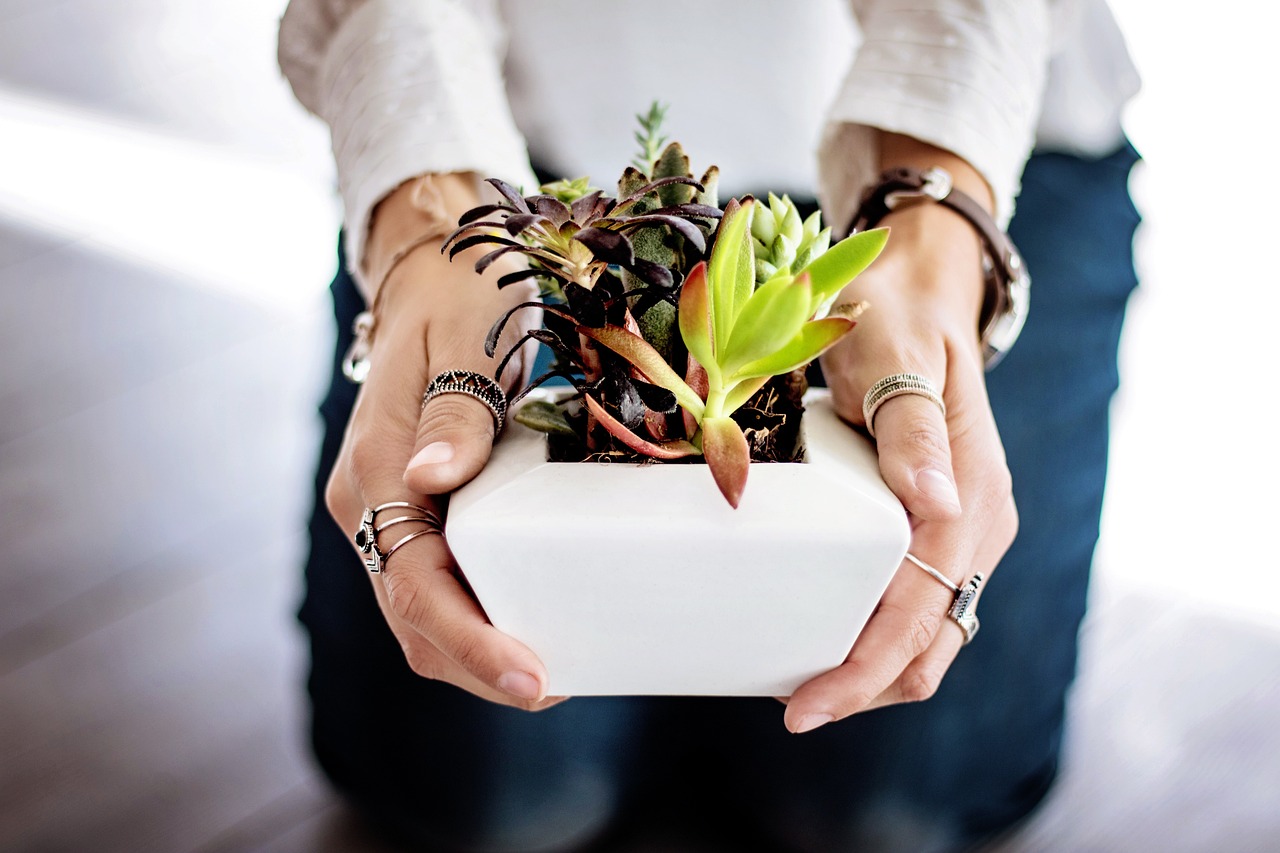
Drainage is non-negotiable. Ensure your container has several large drainage holes at the bottom. If you are using a decorative pot without holes, use it as a cachepot and place the tree in a plastic nursery liner inside, or drill holes into the base of the container before planting.
The soil you choose must facilitate rapid water movement. Standard garden soil or heavy potting mixes are often too dense, holding onto moisture for too long and suffocating the roots. Instead, opt for a specialized, high-quality citrus or cactus potting mix. These blends are specifically formulated to provide the aeration and drainage that citrus trees crave.
To ensure your lime tree stays healthy, follow these soil and potting tips:
- Prioritize drainage: Never allow your pot to sit directly in a saucer of standing water. Elevate the pot on “pot feet” or bricks to allow air to circulate beneath the drainage holes.
- Check the texture: If your potting mix feels like dense mud, it is unsuitable. The ideal mix should feel light, porous, and crumbly.
- Avoid garden soil: Never use dirt dug up from your yard, as it can introduce pests, diseases, and compaction issues that potted trees cannot easily overcome.
By providing a well-draining environment from day one, you create the foundation for a productive tree that will provide fragrant blossoms and fresh limes for years to come.
Light and Temperature Requirements
Lime trees are sun-loving tropical plants that thrive when provided with abundant light. To ensure your potted lime tree remains healthy and productive, it requires a minimum of 6 to 8 hours of direct, unfiltered sunlight every single day. If you are growing your tree indoors, a south-facing window is usually the best location to capture the necessary intensity of light throughout the year.
If your home does not receive adequate natural light, consider supplementing with a full-spectrum LED grow light. Position the light a few inches above the canopy for 10 to 12 hours daily to mimic the intensity of the sun, which helps prevent the tree from becoming “leggy” or dropping its leaves.
Temperature management is equally vital for container-grown citrus. Lime trees are sensitive to cold and prefer consistent, warm temperatures between 65°F and 85°F. They do not tolerate frost or freezing conditions well, so you must be proactive as the seasons change:
- Monitor the thermometer: Once outdoor nighttime temperatures consistently drop below 50°F (10°C), it is time to move your lime tree indoors to protect it from cold stress.
- Avoid drafts: When moving the tree inside, keep it away from direct heat sources like radiators, vents, or fireplaces, which can dry out the foliage and cause premature leaf drop.
- Acclimatization: When transitioning your tree back outdoors in the spring, do so gradually over the course of a week to prevent leaf scorch from sudden exposure to intense UV rays.
Consistency is the key to success. By maintaining a stable, warm environment and ensuring the tree receives its daily quota of direct light, you provide the essential foundation for robust growth and fruit production. If you notice the tree leaning toward the light, rotate the pot a quarter-turn every week to ensure even growth on all sides of the canopy.

Watering and Fertilization Basics
Proper hydration is the most critical factor in keeping a potted lime tree healthy. Because containers dry out faster than garden soil, you must monitor moisture levels regularly. Before watering, insert your finger two inches deep into the soil. If it feels dry, it is time to water. If the soil still feels damp, wait a day or two to avoid root rot, which is a common killer of citrus trees in containers.
When you do water, ensure the container has excellent drainage holes. Pour water slowly until it runs freely out of the bottom of the pot. This practice flushes out excess salts that can accumulate in the soil over time, keeping the root environment stable.
Feeding your lime tree is equally important for fruit production and vibrant foliage. Citrus trees are “heavy feeders,” meaning they deplete the nutrients in a limited pot volume quickly. To maintain vigor, follow these fertilization guidelines:
- Use citrus-specific fertilizer: Choose a balanced formula (such as an NPK ratio of 6-6-6 or 8-8-8) that includes essential micronutrients like iron, zinc, and manganese.
- Frequency: Apply fertilizer every four to six weeks during the active growing season, typically from early spring through late summer.
- Application: Always follow the package instructions for dosage based on the size of your pot. Avoid applying fertilizer directly against the trunk to prevent “burning” the bark.
- Winter dormancy: Stop fertilizing entirely once the weather cools and growth slows in late autumn and winter.
If you notice the leaves turning yellow while the veins remain green, this often indicates a nutrient deficiency, commonly iron or nitrogen. In such cases, a citrus-specific liquid supplement can provide a faster, more targeted boost than granular options. By maintaining this consistent watering and feeding schedule, you provide your lime tree with the foundation it needs to thrive, produce fragrant blossoms, and eventually yield healthy, juicy fruit.
Pruning and Maintenance Safety
Regular pruning is essential for maintaining a healthy, productive lime tree in a container. The ideal time to prune is in late winter, just before the tree begins its spring growth spurt. During this period, the tree is often dormant, making it the perfect time to shape the canopy and remove any damaged or unproductive growth without stressing the plant.
When approaching your tree, focus on these three objectives:
- Remove dead or diseased wood: Cut back any branches that are brittle, discolored, or showing signs of decay to prevent the spread of pathogens.
- Improve air circulation: Thin out crowded branches in the center of the canopy. Better airflow reduces the risk of fungal infections and helps prevent common pests like scale or spider mites.
- Control size: Because container trees have restricted root space, pruning helps keep the tree proportional to its pot, preventing it from becoming top-heavy.
Safety and hygiene are critical during the pruning process. Lime trees often feature sharp thorns that can easily puncture skin, so always wear thick, puncture-resistant gardening gloves. Additionally, take care to protect your eyes if you are working deep within the foliage.
The health of your tree also depends on the quality of your cuts. Use sharp, high-quality pruning shears to ensure clean, precise incisions. Dull blades tend to crush plant tissue, which creates jagged wounds that take longer to heal and are more susceptible to infection. Before you begin, sterilize your shears by wiping the blades with isopropyl alcohol. This simple step prevents the accidental transmission of diseases from one branch to another.
Always make your cuts at a slight angle, just above a leaf node or where the branch meets the main trunk. Avoid leaving long stubs, as these can die back and invite rot. By maintaining clean, sharp tools and following these precise techniques, you help your lime tree recover quickly while encouraging robust, healthy growth throughout the coming season.

Troubleshooting and Long-Term Care
Even with the best intentions, container-grown lime trees can encounter challenges. Monitoring your tree closely allows you to address minor issues before they impact fruit production or overall health.
Common Foliage Issues
Yellowing leaves are the most frequent complaint among indoor gardeners. This typically stems from one of two extremes:
- Overwatering: If the soil feels soggy or the pot lacks proper drainage, roots may begin to rot. Always check that the top two inches of soil are dry before watering again.
- Nutrient Deficiency: Lime trees are “heavy feeders.” If the leaves turn yellow but the veins remain green, your tree likely needs a citrus-specific fertilizer rich in nitrogen and micronutrients like iron and magnesium.
Managing Pests
Indoor environments can be dry, making your lime tree a target for pests. Inspect the undersides of leaves and the stems weekly for the following:
- Spider Mites: Look for fine webbing between leaves. These thrive in low humidity; misting your tree regularly can act as a natural deterrent.
- Scale: These appear as small, brown, bump-like protrusions on stems. You can remove them gently with a cotton swab dipped in rubbing alcohol.
Long-Term Maintenance
If you notice persistent leaf drop or your tree fails to produce fruit after two full seasons, it is time to investigate deeper environmental factors. Potted citrus trees are sensitive to the pH levels of their potting mix; if the soil is too alkaline, the tree cannot absorb necessary nutrients regardless of how much fertilizer you apply.
If standard care adjustments do not resolve these issues, consult a local nursery professional. They can provide insights into regional pests or specific soil amendments tailored to your climate. Remember, patience is key—potted citrus trees often require a period of adjustment when moved indoors or outdoors, and consistent, stable care is the best way to encourage a healthy harvest.

Dedicated team of gardening enthusiasts with years of hands-on experience testing lawn mowers, gardening tools, and outdoor equipment. We help home gardeners and professionals alike make informed buying decisions with honest, thorough reviews. From push mowers to pruning shears, we test it all so you don’t have to. Got a gardening tool you’d like us to review? Get in touch!