
Learning how to care for primrose indoors is simpler than you might think, provided you mimic their natural cool-weather environment. These popular plants are prized for their vibrant, cheerful blooms during late winter and early spring. By focusing on bright, indirect light and consistent moisture, you can keep your indoor primrose healthy and flourishing for weeks.
While many people treat these flowers as temporary seasonal decor, they can actually thrive indoors with the right balance of light, temperature, and moisture. Primroses prefer cooler spots in your home, away from direct heat sources like radiators or vents. Understanding these specific environmental preferences is the secret to preventing premature wilting and yellowing leaves.
This guide provides actionable steps to help you maintain your indoor primrose and extend its blooming period effectively. We will cover essential care techniques, including proper watering schedules, ideal placement, and post-bloom maintenance. Follow these practical tips to ensure your primroses remain a bright, colorful highlight in your home throughout the chilly winter months.

Ideal Light and Temperature Conditions
Achieving the perfect balance of light and temperature is the most critical factor in keeping indoor primroses healthy and vibrant. Because these plants are naturally adapted to cooler, shaded environments, replicating these conditions inside your home is essential for longevity.
Ideal Light Conditions
Primroses thrive in bright, indirect light. Direct sunlight, especially during the afternoon, can quickly scorch their delicate leaves and cause the flowers to fade. To provide the best environment, place your plant in a south or west-facing window, but filter the intensity of the sun using a sheer curtain or a thin blind. If your home lacks a bright spot, a north-facing window can also work well, provided it offers enough ambient light to prevent the plant from becoming leggy.
Temperature Requirements
Unlike many tropical houseplants, primroses are cool-weather lovers. They perform best when kept in rooms where temperatures remain between 50 and 65 degrees Fahrenheit. Higher temperatures often signal to the plant that its growing season is ending, which leads to premature wilting and a shorter blooming period.
To keep your primrose thriving, follow these placement tips:
- Avoid placing the plant near heat sources, such as radiators, fireplaces, or active heating vents.
- Keep the plant away from drafty doors or windows that experience extreme temperature fluctuations.
- If your home is naturally warm, consider moving the plant to a cooler, unheated bedroom or a sunroom at night to give it a reprieve from the heat.
By mimicking these cooler, shaded conditions, you help your primrose maintain its energy, allowing the colorful blooms to last much longer throughout the season. If you notice the leaves beginning to droop or the flowers drying out rapidly, it is usually a clear sign that the plant is either receiving too much direct sun or is positioned too close to a heat source.
Watering and Humidity Requirements
Consistent moisture is the cornerstone of keeping an indoor primrose healthy. These plants thrive when their potting soil remains evenly moist, but they are highly sensitive to overwatering. If the soil becomes waterlogged, the roots will quickly suffocate and succumb to rot.
To master your watering schedule, check the soil daily. Gently press your finger about an inch into the potting mix. If it feels dry to the touch, it is time to water. When you do water, pour slowly until you see liquid draining from the bottom of the pot. This ensures the entire root ball is hydrated.
Follow these steps to manage drainage effectively:
- Allow the pot to drain completely for about 15 minutes after watering.
- Always empty the saucer or decorative cachepot immediately. Never allow the plant to sit in standing water.
- If you use a decorative pot, ensure it has a drainage hole or lift the inner plastic nursery pot out to water it in the sink.
Primroses also appreciate a humid environment, which can be difficult to maintain in dry indoor air, especially during winter. To boost humidity without risking root rot, utilize a pebble tray:
- Fill a shallow tray or saucer with a layer of decorative pebbles.
- Add water to the tray until it reaches just below the top of the stones.
- Place your primrose pot on top of the pebbles.
The water in the tray will evaporate around the foliage, creating a localized microclimate of increased humidity. Ensure the bottom of the plant’s pot is resting on the pebbles, not submerged in the water itself. This simple method mimics the cool, damp conditions primroses naturally prefer, keeping your plant vibrant and preventing the leaf edges from turning brown and crispy due to low indoor humidity levels.
Safe Maintenance and Pruning Practices
Regular maintenance is the secret to keeping indoor primroses vibrant and blooming throughout their season. Because these plants put significant energy into flower production, they require consistent attention to stay healthy and aesthetically pleasing. The most critical task is deadheading, which involves removing spent blossoms to prevent the plant from diverting resources toward seed production instead of new buds.
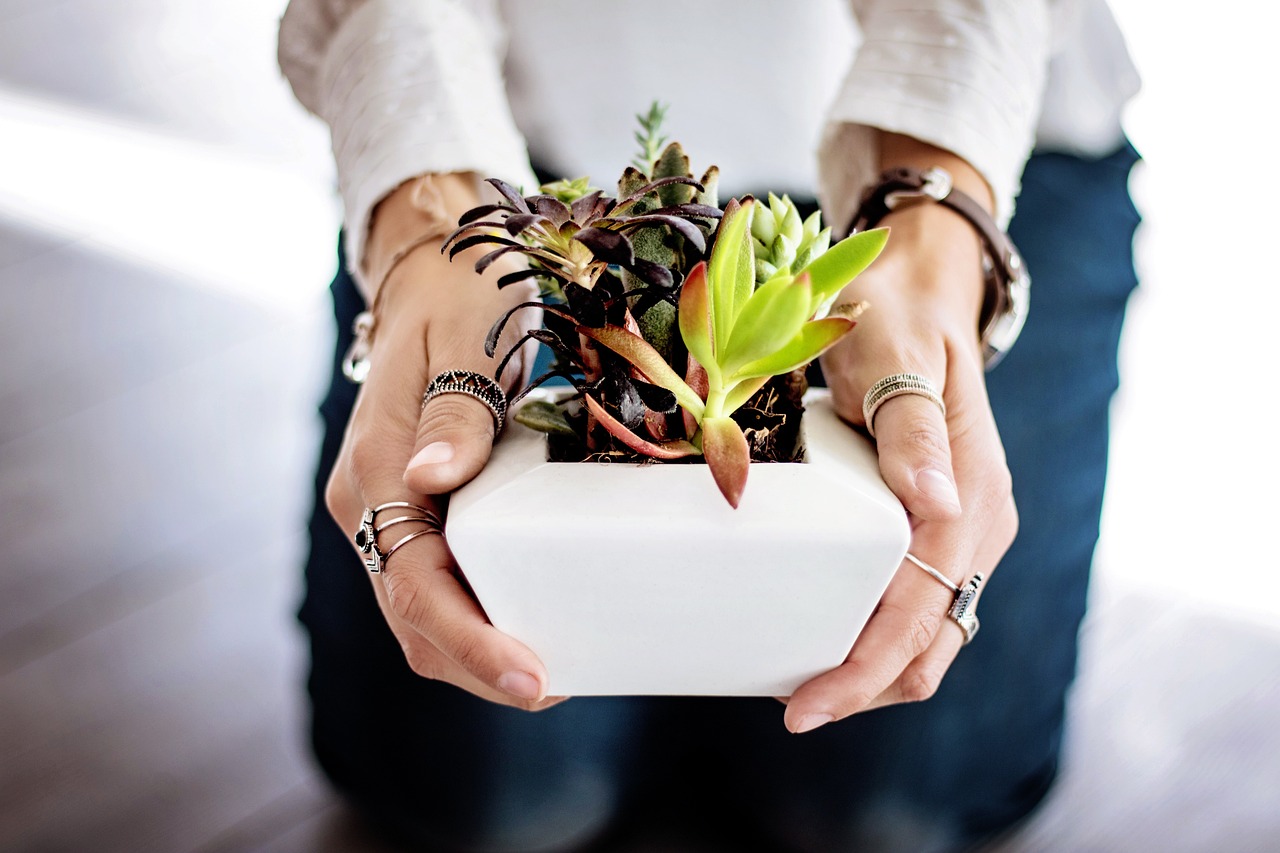
When you notice flowers beginning to wilt or turn brown, take a pair of sharp garden shears or scissors to the task. Clean, sanitized blades are essential; dirty tools can harbor bacteria or fungal spores that easily infect succulent plant tissues. You can sanitize your blades by wiping them down with rubbing alcohol before and after each use.
Follow these steps to prune your primrose safely and effectively:
- Identify the faded flower stalk and trace it down to the base of the plant.
- Make a clean, angled cut close to the main crown, ensuring you do not damage the healthy foliage or emerging buds nearby.
- Remove any yellowing or decaying leaves at the base using the same clean-cut method to improve airflow and prevent rot.
- Discard all plant debris immediately rather than leaving it on the soil surface, as decaying matter can attract pests.
Safety should always be your priority during these sessions. Keep your fingers well away from the cutting path of your shears at all times. If your primrose has developed dense, bushy foliage, consider wearing a pair of lightweight gardening gloves. Primrose leaves are covered in fine, glandular hairs that can cause mild skin irritation or contact dermatitis in sensitive individuals. By wearing gloves, you protect your skin from potential rashes while maintaining a firm grip on the stems.
By consistently removing faded blooms and damaged growth, you encourage the plant to focus its energy on producing fresh, colorful displays. This simple, routine care ensures your indoor primrose remains a healthy, attractive centerpiece in your home for as long as the growing conditions allow.
Soil and Fertilization Needs
Primroses are relatively undemanding when it comes to nutrition, and over-fertilizing can often do more harm than good. While your plant is indoors, it does not require heavy feeding. Instead, focus on providing light, consistent nourishment to support its vibrant blooms.
During the active blooming period, use a balanced, water-soluble liquid fertilizer. To prevent root burn, always dilute the solution to half-strength. Apply this mixture once every two to four weeks. If the plant enters a dormant phase or stops flowering, you should cease fertilization entirely until new growth appears.
If you decide to repot your primrose, selecting the right medium is essential for long-term health. Because these plants prefer consistent moisture without sitting in water, prioritize drainage to prevent root rot. Use a high-quality, peat-based potting mix, which offers the perfect balance of moisture retention and aeration.
When preparing to repot or fertilize, keep these practical safety tips in mind:
- Ensure your workspace is clear of dust, debris, and clutter to prevent accidental spills or contamination of the soil.
- If you are using power tools for any related home projects nearby, always wear appropriate eye protection to guard against flying particles.
- Verify that your workstation is stable and level before beginning your gardening tasks to avoid tipping pots or spilling fertilizer.
By using a well-draining mix and sticking to a diluted feeding schedule, you create an environment that mimics the primrose’s natural preferences. Always check the soil moisture before applying liquid fertilizer; never fertilize a plant if the soil is bone-dry, as this can damage the delicate root system. Simply moisten the soil with plain water first, then follow up with your diluted fertilizer solution a few hours later. This simple, reader-first approach ensures your primrose stays healthy and continues to produce beautiful, colorful flowers throughout the indoor season.

Troubleshooting and Long-Term Care
Even with the best intentions, indoor primroses can sometimes struggle. Understanding how to interpret your plant’s signals is the key to keeping it vibrant for as long as possible.
If you notice your primrose beginning to droop, it is almost always a sign of environmental stress. Check the soil moisture immediately; if the surface is dry, the plant is likely underwatered. However, if the soil is damp and the plant is still wilting, move it to a cooler location. Primroses despise excessive heat and will quickly collapse if placed near radiators, heating vents, or in direct, intense sunlight.
Discoloration often points to issues with your watering routine or soil health:
- Yellowing leaves: This is a classic symptom of overwatering or poor drainage. Ensure your pot has drainage holes and never allow the plant to sit in a saucer of standing water.
- Brown, crispy edges: This usually indicates low humidity or underwatering.
While most indoor primroses are sold as temporary seasonal décor, they do not have to end up in the compost bin. Once the risk of frost has passed in your area, you can transplant them outdoors. Choose a cool, shaded spot in your garden with well-draining soil to give them a chance to perennialize.
Occasionally, you may encounter unwelcome visitors. If you spot persistent pests like aphids or spider mites on the undersides of the leaves or along the stems, take immediate action to protect your other houseplants:
- Isolate: Move the affected plant to a separate room immediately to prevent the infestation from spreading.
- Clean: Gently wipe leaves with a damp cloth or a mild soapy water solution.
- Consult: If the problem persists, visit a local nursery to ask for organic treatment options, such as neem oil or insecticidal soap, which are safer for indoor use.
By monitoring these common issues, you can extend the life of your primrose and enjoy its cheerful blooms throughout the cooler months.

Dedicated team of gardening enthusiasts with years of hands-on experience testing lawn mowers, gardening tools, and outdoor equipment. We help home gardeners and professionals alike make informed buying decisions with honest, thorough reviews. From push mowers to pruning shears, we test it all so you don’t have to. Got a gardening tool you’d like us to review? Get in touch!