
Fungus gnats are a common nuisance for indoor gardeners, often appearing when soil stays too damp. This guide explains how to identify, eliminate, and prevent these pests using simple, effective methods that protect your plants and keep your home environment comfortable, ensuring your indoor garden remains a healthy and pest-free sanctuary.
While these tiny flies are generally harmless to humans, their presence indicates an underlying issue with soil moisture or drainage that needs immediate attention. Eradicating them requires patience and consistency, as you must break their life cycle by addressing both the flying adults and the larvae living within the potting mix.
In the following sections, we will explore practical strategies for managing your houseplants, including proper watering techniques and the use of essential garden tools. You will learn how to monitor soil health, implement natural traps, and maintain a clean environment to ensure your home remains free from these persistent and annoying insects.
Identify the Problem and Its Cause
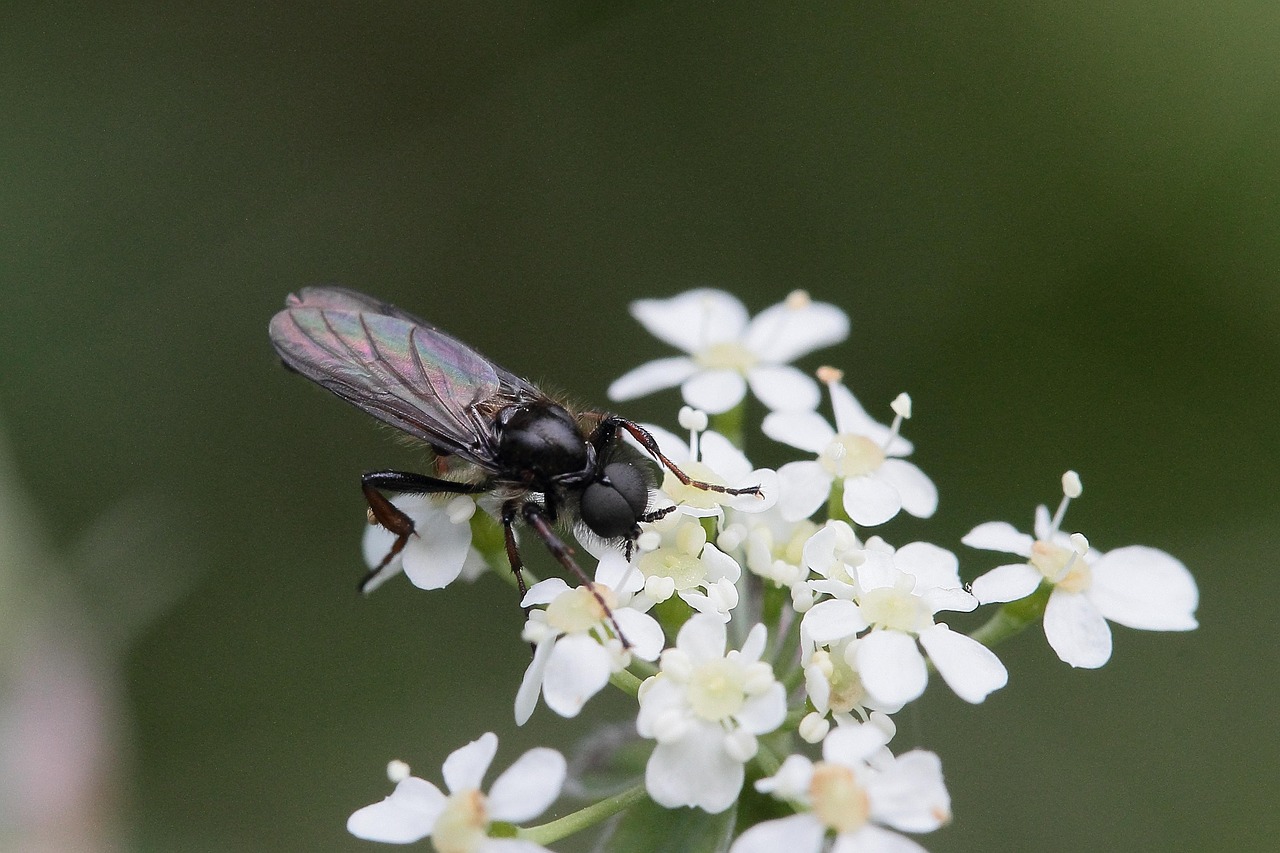
Before you reach for heavy-duty garden maintenance tools or chemical treatments, you must confirm that you are dealing with fungus gnats. These pests are often mistaken for fruit flies, but their behavior and habitat preferences are distinct. Fungus gnats are tiny, dark-colored insects that typically hover near the soil surface or crawl across the potting mix rather than flying erratically around your fruit bowl.
The primary cause of a fungus gnat infestation is consistently overly moist soil. These gnats thrive in damp, decaying organic matter. When potting mix stays saturated for too long, it creates an ideal breeding ground where larvae feed on fungal growth and decomposing roots. If you notice these flies, it is a clear signal that your watering habits or drainage systems need adjustment.
To confirm the presence of fungus gnats, look for these specific indicators:
- Visual Inspection: Gently disturb the top layer of soil with a small hand tool or your finger. If gnats suddenly take flight, they are nesting in the potting mix.
- Sticky Traps: Place yellow sticky traps near the base of your plants. Fungus gnats are attracted to the color yellow; if you see them stuck to the card, you have confirmed the infestation.
- Plant Health: Check for sudden wilting or yellowing leaves. While adult gnats cause little direct damage, their larvae can feed on delicate root hairs, weakening the plant’s ability to absorb nutrients.
Once you identify the gnats, evaluate your current plant care routine. Are you using outdoor power equipment or garden hoses to water plants too frequently? Is your potting mix retaining moisture for days at a time? Often, the solution is as simple as allowing the top two inches of soil to dry out completely between waterings. This breaks the life cycle of the larvae by removing their food source and preferred environment.
By identifying the problem early, you can manage the population using practical, non-toxic methods before they spread to your entire indoor garden. Taking a moment to assess the soil moisture and the specific behavior of the insects ensures that your treatment plan is both effective and targeted, saving your plants from unnecessary stress and preventing the need for harsh interventions.
Implement Immediate Control Methods
The most effective way to eliminate a fungus gnat infestation is to disrupt their life cycle. Gnats thrive in consistently moist soil, which provides the perfect environment for larvae to feed and develop. By allowing the top two inches of your potting mix to dry out completely between waterings, you effectively dehydrate the larvae, preventing them from maturing into adults.
Before watering again, use your finger or a small hand trowel to check the moisture level beneath the surface. If the soil still feels damp, wait another day or two. Consistent drying cycles significantly reduce the population over time.
To address the adult gnats already flying around your home, utilize yellow sticky traps. These insects are naturally attracted to the color yellow. Placing these traps near the base of your plants or hanging them from nearby garden stakes allows you to capture adults before they can lay more eggs in the soil.
If the infestation persists, you can treat the soil directly using these safe, proven methods:
- Hydrogen Peroxide Solution: Mix one part 3% hydrogen peroxide with four parts water. Pour this mixture into the soil until it runs out of the drainage holes. The solution fizzes upon contact with organic matter, killing larvae instantly without harming the plant roots.
- Mosquito Dunk Tea: Break off a small piece of a BTI (Bacillus thuringiensis israelensis) mosquito dunk and soak it in your watering can for several hours. Use this “tea” to water your plants. BTI is a natural bacterium that specifically targets gnat larvae while remaining completely safe for your plants, pets, and humans.
Maintaining proper garden hygiene is essential for long-term success. Always ensure your pots have adequate drainage holes to prevent water from pooling at the bottom, which creates a breeding ground for pests. If you use decorative pot covers or saucers, empty any standing water immediately after watering your plants. By combining these physical barriers and natural treatments, you can clear your indoor garden of gnats and prevent them from returning. Consistent monitoring is key; check your sticky traps weekly and keep your watering schedule disciplined to maintain a pest-free environment for your houseplants.

Improve Soil and Potting Practices
Fungus gnats thrive in damp, decomposing organic matter. If your houseplants are constantly infested, the issue often stems from the soil itself. Over time, potting media breaks down, loses its structure, and retains too much moisture, creating the perfect nursery for gnat larvae. Addressing the soil environment is the most effective long-term strategy for eradication.
Start by evaluating your current potting mix. If it stays soggy for days after watering, it is likely too dense. Repotting your plants into a fresh, high-quality mix is a game-changer. Look for professional-grade potting soil that includes perlite, pumice, or coarse sand. These amendments increase aeration and ensure that water drains quickly, preventing the waterlogged conditions that gnats require to survive.
When repotting, follow these best practices to maintain a healthy environment:
- Choose the right pot: Always use containers with drainage holes. If a decorative pot lacks holes, use a plastic nursery liner inside to ensure excess water can escape.
- Remove old soil: Gently shake away as much of the old, infested soil as possible from the root ball before moving the plant into new media.
- Avoid over-potting: Use a container only slightly larger than the root ball. Excess soil holds extra moisture that the plant cannot absorb, leading to stagnant, damp conditions.
Once you have fresh soil in place, you can add an extra layer of protection by creating a physical barrier. Gnats need access to the moist soil surface to lay their eggs. By covering the top of the soil with a thin layer of fine, decorative sand or horticultural gravel, you effectively “seal” the surface.
This barrier serves two purposes: it prevents adult gnats from reaching the moist soil to deposit new eggs, and it traps emerging gnats, preventing them from completing their life cycle. For this method to work, ensure the sand layer is at least half an inch thick and completely covers the soil surface without leaving gaps near the stem. Because this barrier prevents evaporation, be mindful that your soil will stay moist longer; adjust your watering schedule accordingly to avoid root rot. By combining better drainage with a physical surface barrier, you create an environment that is hostile to gnats while keeping your plants healthy and thriving.
Safety and Equipment Precautions
Maintaining indoor plants requires a careful approach to both hygiene and tool management. Whether you are repotting a plant to address a gnat infestation or trimming away damaged leaves, prioritizing safety ensures a healthier environment for your home and your plants.
When working with potting soil, amendments, or organic fertilizers, always wear gardening gloves. Soil can harbor bacteria, fungi, or microscopic irritants that may cause skin reactions or infections. Gloves provide a necessary barrier, especially if you have small cuts or sensitive skin.
Your choice of equipment also plays a critical role in plant health. If you are using pruning shears or scissors to remove foliage infested with larvae or damaged by pests, follow these maintenance best practices:
- Keep blades sharp: Dull tools crush plant tissue rather than slicing through it. Clean, sharp cuts heal faster, making the plant less susceptible to secondary infections or further pest attraction.
- Sanitize between uses: Wipe your blades with rubbing alcohol or a mild bleach solution after each cut. This prevents the accidental spread of fungal spores or gnat eggs from one plant to another.
- Inspect your gear: Regularly check your hand tools for rust or loose hardware to ensure they remain safe and effective for your gardening tasks.
Once your maintenance session is complete, prioritize personal hygiene. Thoroughly wash your hands with soap and warm water, even if you wore gloves, to remove any residual soil particles or fertilizer dust. This simple step prevents the accidental ingestion of soil-borne pathogens or the transfer of debris to other surfaces in your home.
Finally, consider the storage of your outdoor power equipment and hand tools. Gardening implements—particularly sharp shears, trowels, and chemical soil treatments—should always be stored in a secure location, such as a locked cabinet or a high shelf. This is essential for preventing curious children or pets from accessing potentially hazardous materials.
By treating your gardening routine with the same level of care you give your plants, you create a safer, more efficient workflow. Proper tool maintenance not only protects you but also minimizes the stress placed on your houseplants during the recovery process, helping you eliminate gnats more effectively without causing accidental damage to your indoor greenery.

Ongoing Maintenance and When to Seek Help
Consistent maintenance is the most effective defense against fungus gnats. These pests thrive in moist, decaying organic matter, which is why your watering habits are the primary factor in prevention. Allow the top two inches of soil to dry out completely between waterings. This creates a dry environment that disrupts the gnat life cycle, as larvae cannot survive without consistent moisture.
Proper drainage is equally critical. Ensure every pot has functional drainage holes to prevent water from pooling at the bottom. If your decorative pots lack holes, use a plastic nursery liner inside the container to allow for excess water to drain away from the root zone. Standing water in a saucer is a breeding ground for gnats; always empty these trays within 30 minutes of watering.
To maintain a healthy indoor garden, incorporate these practical habits into your routine:
- Use high-quality potting mix: Avoid soil that retains too much moisture or contains high amounts of peat moss, which can stay damp for extended periods.
- Top dressing: Apply a thin layer of sand or decorative gravel to the surface of the soil. This physical barrier prevents adult gnats from laying eggs in the damp earth.
- Inspect new arrivals: Always quarantine new plants for two weeks before placing them near your established collection to ensure you aren’t introducing pests.
If you have implemented these changes and still notice a persistent swarm, or if your plant begins to show signs of distress—such as yellowing leaves, a drooping habit, or a foul odor emanating from the soil—it is time to take further action. These symptoms often indicate root rot caused by chronic overwatering, which requires more than just surface-level pest control.
In these instances, consult a local nursery or a professional plant specialist. They can help you determine if the plant needs to be repotted into fresh, sterile soil or if the root system has been compromised beyond recovery. A specialist can also recommend targeted biological controls, such as beneficial nematodes or specific soil drenches, which are safer and more effective than generic chemical pesticides for indoor environments. Addressing the issue early prevents the infestation from spreading to your other healthy houseplants.

Dedicated team of gardening enthusiasts with years of hands-on experience testing lawn mowers, gardening tools, and outdoor equipment. We help home gardeners and professionals alike make informed buying decisions with honest, thorough reviews. From push mowers to pruning shears, we test it all so you don’t have to. Got a gardening tool you’d like us to review? Get in touch!