
Potted lilies bring elegant fragrance and striking blooms to your home or patio, but they require specific conditions to thrive in containers. To care for them properly, ensure your plants receive at least six hours of bright, indirect sunlight daily while maintaining consistent soil moisture. Proper drainage is the secret to preventing root rot and ensuring long-lasting flowers.
While lilies are stunning additions to any space, they do demand a bit of patience and attention to detail. Unlike garden-grown varieties, container plants rely entirely on you for nutrients and hydration. Understanding their unique growth cycle, which includes a necessary dormant period after flowering, will help you manage expectations and keep your lilies vibrant year after year.
This guide covers the essential steps for light, water, and soil management to keep your lilies healthy and blooming season after season. We will walk you through choosing the right pot, selecting the best potting mix, and troubleshooting common issues like yellowing leaves. Follow these practical tips to master the art of indoor lily care and enjoy beautiful blossoms effortlessly.
Choosing the Right Pot and Soil
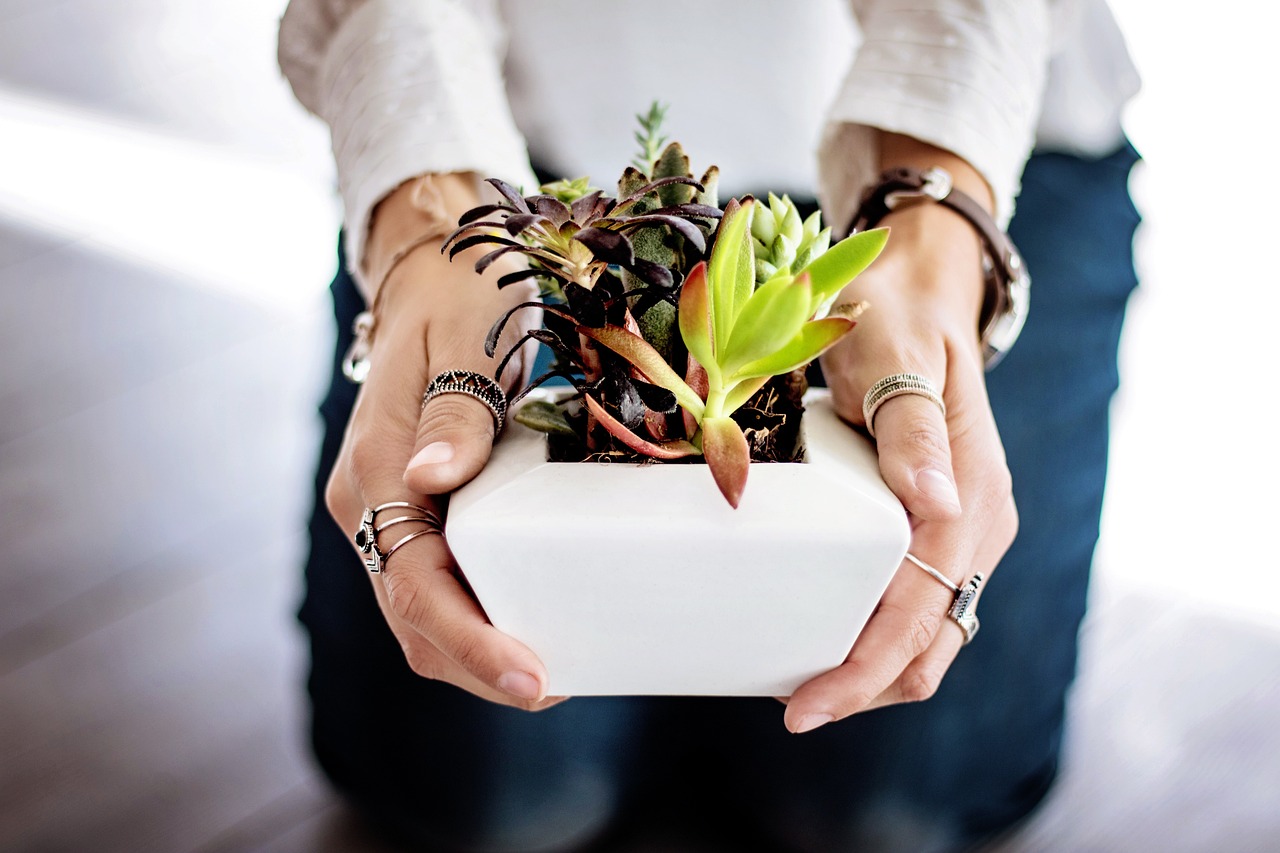
The foundation of a healthy potted lily begins with the container. Because lilies are highly susceptible to bulb rot, drainage is your most critical priority. Select a pot that features multiple drainage holes at the bottom to ensure excess water can escape freely. If you are using a decorative cachepot without holes, place the lily in a plastic nursery liner inside the container, and always empty the outer pot after watering to prevent the bulbs from sitting in standing water.
The size of the pot matters just as much as the drainage. A pot that is too large will hold excessive moisture in the unused soil, which can lead to fungal issues. Choose a container that is only two to three inches wider than the bulb cluster. Ensure the material is sturdy enough to support the height of the lily as it grows, as top-heavy stems can easily tip over lightweight plastic pots.
Your choice of growing medium is equally vital. Never use standard garden soil for container gardening. Garden soil is too dense for pots; it compacts rapidly, restricts airflow to the roots, and retains too much moisture, which will inevitably cause your lily bulbs to decay.
Instead, use a high-quality, lightweight potting mix formulated for containers. To create the ideal environment, you can further enhance your potting mix by following these steps:
- Mix in perlite or coarse horticultural grit at a ratio of one part amendment to four parts potting soil. This significantly improves aeration and drainage.
- Avoid mixes that contain heavy moisture-retention crystals, as these can keep the soil wetter than lilies prefer.
- Ensure the mix is fresh. Old or reused soil may harbor pathogens or pests that can compromise the health of your bulbs.
By prioritizing a well-draining container and a porous, airy soil structure, you provide the essential conditions that allow your lily’s root system to thrive without the risk of rot.
Light and Temperature Requirements
Potted lilies thrive when provided with the right balance of light and temperature. To keep your plants healthy and blooming, place them in a spot that receives bright, indirect light. A location near an east-facing window is ideal, as it offers gentle morning sun that encourages growth without damaging the leaves.
Avoid placing your lilies in direct, harsh afternoon sunlight. Intense rays can quickly scorch the foliage, leading to unsightly brown patches and weakened plant health. If you notice the leaves curling or turning yellow, your plant may be receiving too much direct exposure and should be moved to a shadier position.
Temperature stability is equally important for long-term success. Lilies generally prefer moderate indoor temperatures between 60°F and 75°F (15°C to 24°C). Because they are sensitive to environmental shifts, follow these placement guidelines:
- Maintain airflow: Ensure the plant has good air circulation to prevent fungal issues, but avoid placing it directly in the path of strong gusts.
- Avoid heat sources: Keep pots away from radiators, space heaters, and heat vents, which can dry out the soil too quickly and stress the plant.
- Steer clear of drafts: Do not position your lilies near drafty air conditioning vents or frequently opened exterior doors, as sudden temperature fluctuations can cause buds to drop prematurely.
If you are growing your lilies indoors, remember that they benefit from a slight drop in temperature at night. This mimics their natural growing conditions and helps extend the life of the blooms. If your home becomes particularly hot or stagnant during the summer months, a light breeze from a ceiling fan—kept at a distance—can help maintain a comfortable microclimate for your plant. By shielding them from extremes, you create the perfect environment for your potted lilies to flourish throughout their flowering season.

Watering and Fertilizing Best Practices
Proper hydration is the most critical factor in keeping potted lilies healthy. These plants require consistent moisture, but they are highly susceptible to bulb rot if left in waterlogged soil. To determine when to water, insert your finger into the potting mix up to the first knuckle. If the top inch of soil feels dry, it is time to water.
When you water, pour slowly until you see liquid flowing freely from the drainage holes at the bottom of the pot. This ensures that the entire root ball is hydrated. Crucially, always empty the saucer or decorative tray beneath the pot within 15 minutes of watering. Never allow the bulb to sit in standing water, as this will quickly lead to fungal decay and plant death.
Lilies are heavy feeders during their active growth phase. Providing the right nutrients encourages vibrant foliage and robust, long-lasting blooms. For best results, follow these fertilizing guidelines:
- Choose the right product: Use a balanced, water-soluble fertilizer with an NPK ratio of 10-10-10 or 20-20-20.
- Timing: Apply fertilizer every two to four weeks throughout the spring and early summer while the plant is actively growing.
- Dilution: Always dilute liquid fertilizer to half the strength recommended on the product label to prevent fertilizer burn on the sensitive roots.
- Application: Apply the solution directly to the soil, avoiding the foliage to prevent accidental leaf spotting.
Stop fertilizing as soon as the flowers begin to fade and the plant enters its dormant phase. During this time, reduce watering significantly, allowing the soil to dry out more between sessions. By mimicking these natural seasonal cycles, you help the bulb store energy for the following year. Consistent care during the growing season is the secret to ensuring your potted lilies return with impressive displays year after year.
Safety and Handling Precautions
Proper maintenance of your potted lilies requires a focus on both plant health and personal safety. When pruning dead foliage or spent blooms, always use sharp, clean garden shears. Dull blades can crush stems and leave jagged wounds, which increases the risk of fungal infections and causes unnecessary stress to the plant. After each use, wipe your shears with rubbing alcohol to prevent the spread of pathogens between your containers.
Protecting your skin is equally important during maintenance tasks. Lily stems and leaves often contain sap that can cause mild skin irritation or contact dermatitis in sensitive individuals. To avoid discomfort, wear durable gardening gloves whenever you are trimming, repotting, or handling the foliage.
Most importantly, you must be aware of the severe toxicity associated with lilies. These plants are highly poisonous to both cats and dogs. Ingestion of any part of the plant—including the petals, leaves, or even the pollen—can lead to life-threatening kidney failure in cats. To keep your pets safe, follow these precautions:
- Place potted lilies in areas that are physically inaccessible to curious pets, such as high shelves or rooms that remain closed to animals.
- If you have cats, it is safest to avoid keeping lilies in your home entirely.
- Immediately clean up any fallen petals or leaves from the floor to prevent accidental ingestion.
Finally, practice good hygiene after every gardening session. Bulbs and foliage can carry soil-borne bacteria or residual plant compounds. Always wash your hands thoroughly with soap and warm water immediately after handling your lilies to ensure that no sap or debris remains on your skin. By following these simple handling protocols, you can enjoy the beauty of your indoor blooms while maintaining a safe environment for your entire household.

Post-Bloom Care and Common Troubleshooting
Once your potted lily’s flowers begin to fade, your primary goal is to help the bulb store energy for the next growing season. Start by deadheading the spent blooms. Use clean, sharp shears to snip off the flower heads just below the bloom, but be careful to leave the remaining stem and all of the foliage intact.
Resist the urge to trim the green foliage immediately. Even after the flowers are gone, the leaves continue to perform photosynthesis, sending vital nutrients down into the bulb. Allow the foliage to yellow and wither naturally. Only once the stems have turned brown and brittle should you cut them back to the soil line.
If you encounter issues during this stage, consider these common troubleshooting tips:
- Yellowing leaves or soft bulbs: This is often a sign of overwatering. Ensure your pot has adequate drainage holes and allow the top two inches of soil to dry out completely before watering again. If the bulb feels mushy, it may be suffering from rot due to waterlogged soil.
- Pest infestations: If your plant looks sickly despite proper moisture levels, inspect the undersides of the leaves for aphids. These tiny, sap-sucking insects can weaken your lily. If detected, treat the plant by gently wiping the leaves or applying a mild insecticidal soap according to the manufacturer’s instructions.
- Lack of growth: If the lily fails to thrive, ensure it is receiving enough indirect sunlight. Lilies generally prefer bright, filtered light; too much shade can lead to leggy, weak growth.
By prioritizing the health of the bulb after the blooming cycle ends, you ensure that your potted lily has the best chance of producing vibrant, healthy flowers again next year. Consistent observation is the best way to catch minor issues before they impact the long-term vitality of your plant.

Dedicated team of gardening enthusiasts with years of hands-on experience testing lawn mowers, gardening tools, and outdoor equipment. We help home gardeners and professionals alike make informed buying decisions with honest, thorough reviews. From push mowers to pruning shears, we test it all so you don’t have to. Got a gardening tool you’d like us to review? Get in touch!