
Attracting hummingbirds to your backyard is a rewarding way to enhance your garden ecosystem. To draw these vibrant pollinators, you must cultivate a landscape rich in native, nectar-producing flowers and provide reliable water sources. By integrating thoughtful design with the right plants, you can easily transform your outdoor space into a thriving hummingbird sanctuary.
Creating this habitat requires more than just planting flowers; it demands consistent garden maintenance and the proper use of lawn care equipment. You should expect to spend time pruning shrubs, managing weeds, and ensuring your outdoor power equipment is in top shape. Maintaining a tidy, chemical-free environment is essential for the long-term health of visiting birds.
This guide covers the essential landscape planning, equipment maintenance, and safety practices needed to create a welcoming habitat for these pollinators. We will explore how to select the best hand tools for delicate pruning and how to manage your garden efficiently. Follow these practical steps to master the art of backyard gardening while inviting nature’s most fascinating visitors.
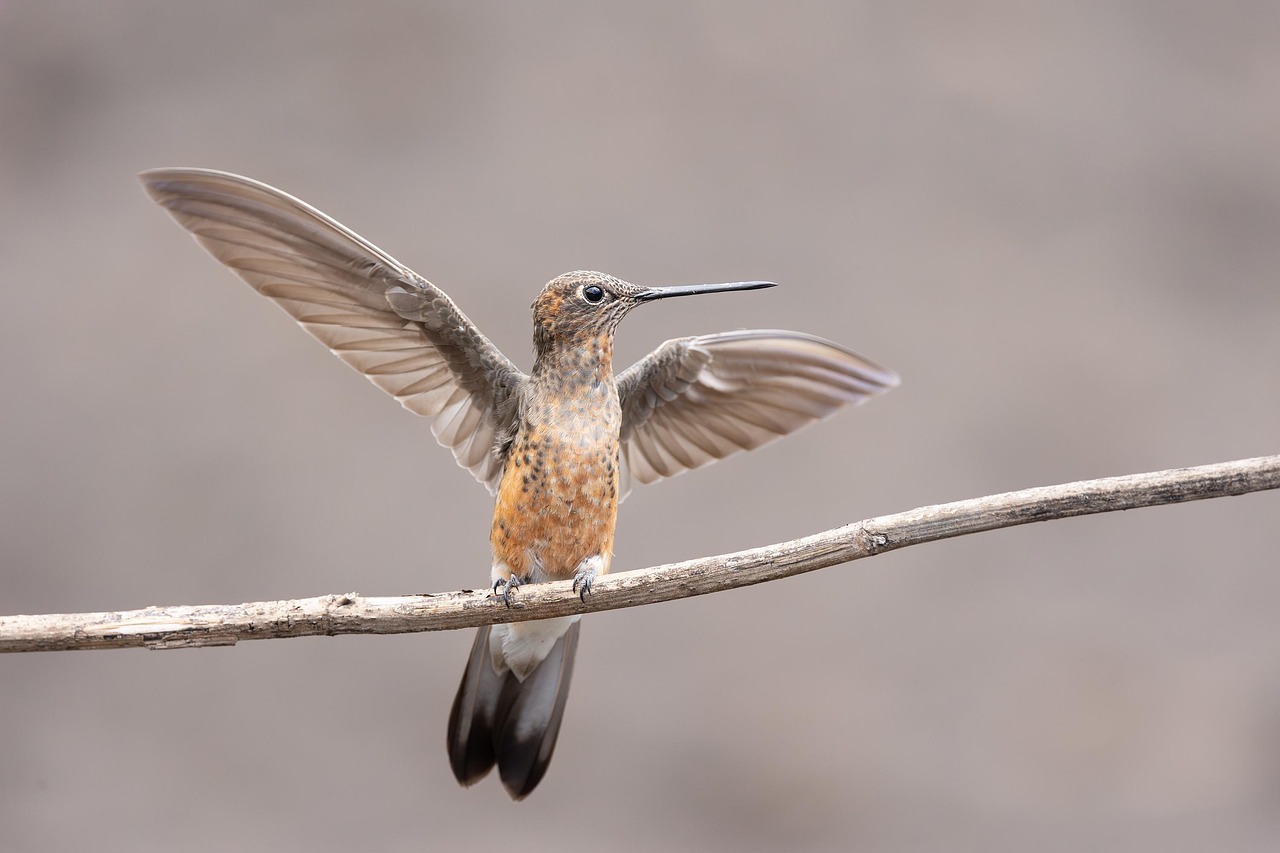
Selecting the Right Nectar-Rich Plants
To attract hummingbirds to your garden, you must prioritize native plants that offer a high-energy nectar source. Hummingbirds have incredibly high metabolisms and rely on these flowers as essential “fuel stations.” By selecting the right varieties, you create a natural habitat that encourages these birds to visit frequently.
Focus on tubular, brightly colored blooms, as these shapes are specifically adapted to the hummingbird’s long beak and tongue. While red is a classic attractor, hummingbirds will visit a wide range of colors if the nectar content is high enough. Incorporate these reliable performers into your landscape:
- Bee Balm (Monarda): A perennial favorite that provides long-lasting, tubular flowers.
- Salvia: Available in many varieties, these are drought-tolerant and bloom prolifically.
- Trumpet Vine (Campsis radicans): An excellent climber for trellises, though it requires regular pruning to keep it contained.
- Columbine: A great choice for early-season nectar before other plants hit their peak.
When planning your layout, consider the physical needs of the birds. Hummingbirds prefer feeding in sunny locations, as the warmth helps them regulate their body temperature. However, they are fragile flyers; place your nectar-rich plants in areas protected from strong winds. A sheltered corner near a fence or a cluster of shrubs provides the necessary windbreak, allowing the birds to hover and feed with minimal effort.
Use high-quality hand tools, such as a sharp bypass pruner and a sturdy hand trowel, to install and maintain your garden beds. Proper soil preparation—incorporating organic compost—ensures your plants remain vigorous and nectar-productive throughout the season. Avoid using systemic pesticides, as these can be toxic to hummingbirds and the insects they occasionally consume for protein.
For larger garden areas, outdoor power equipment like a lightweight string trimmer can help you keep edges tidy without disturbing the delicate planting zones. If you are planting in containers or raised beds, ensure they have excellent drainage to prevent root rot, which can quickly diminish a plant’s health. By maintaining a clean, well-watered, and pesticide-free environment, you provide a safe haven that hummingbirds will return to year after year. Focus on long-blooming varieties to ensure a consistent food supply from spring through autumn.
Installing and Maintaining Hummingbird Feeders
Attracting hummingbirds starts with selecting the right equipment. When shopping for feeders, prioritize models that are easy to disassemble. Hummingbirds are highly susceptible to bacteria and mold, so you must be able to reach every crevice with a bottle brush to ensure a thorough cleaning. Avoid feeders with complex, unreachable corners where residue can accumulate.
Once you have your feeder, the nectar recipe is straightforward. Stick to a simple mixture of four parts water to one part white granulated sugar. Do not use honey, as it can cause dangerous fungal infections in the birds’ tongues. Similarly, avoid artificial sweeteners, which provide no energy, and never add red dye. While red attracts hummingbirds, it is unnecessary if your feeder already has red plastic components, and the chemicals can be toxic to these small creatures.
To keep your nectar fresh and safe, follow these maintenance best practices:
- Location: Hang feeders in shaded areas. Direct sunlight speeds up the fermentation process, which can cause the sugar water to spoil rapidly and become unhealthy.
- Cleaning Frequency: Clean your feeders at least twice a week. In hot weather, clean them every other day to prevent mold growth.
- Disposal: If you notice the nectar becoming cloudy or dark, discard it immediately, scrub the feeder with hot water and a mild vinegar solution, and refill it with fresh mixture.
- Inspection: Regularly check the feeder for cracks or leaks. A leaking feeder will attract ants and wasps, which can deter hummingbirds from visiting.
Maintaining a clean environment is the most important step in successful hummingbird gardening. By keeping your equipment sterile and the sugar water fresh, you create a reliable food source that encourages these birds to return to your yard throughout the season. If you use garden tools to hang your feeders, ensure they are securely fastened to withstand wind, but remain accessible enough that you can easily take the feeder down for its frequent cleaning routine. Consistent maintenance is the key to a healthy, thriving hummingbird population in your outdoor space.

Safe Installation of Garden Structures
Creating a welcoming habitat for hummingbirds often involves installing vertical elements like trellises for nectar-rich climbing vines or sturdy hooks for nectar feeders. While these additions provide essential perches and food sources, the installation process requires careful attention to tool safety and structural stability.
Before beginning, ensure your workspace is clear of debris. If you are using a ladder to reach high points for hook installation, always place it on firm, level ground. Avoid setting ladders on soft soil or uneven mulch, as these surfaces can shift under your weight. If the ground is unstable, use a wide board or a specialized ladder stabilizer to distribute the pressure and prevent sinking.
When using power tools for drilling into wood or masonry, your safety gear is non-negotiable. Always wear impact-resistant safety goggles to protect your eyes from flying wood chips, dust, or masonry fragments. If you are drilling into brick or stone, ensure you are using the correct masonry bit to prevent the tool from slipping or overheating.
Follow these essential safety protocols when working on your garden structures:
- Cord Management: Keep power cords organized and away from walking paths to prevent tripping hazards. If possible, use cordless equipment to eliminate the risk of tangled lines.
- Tool Maintenance: Always disconnect power tools from their power source when changing bits or when the tool is not in active use. This prevents accidental activation.
- Secure Fastening: Ensure that all hooks and trellis systems are anchored firmly into structural framing or solid masonry. Hummingbirds are lightweight, but climbing vines and heavy feeders can catch the wind, putting significant stress on loose hardware.
- Check Stability: Once installed, give the structure a firm shake to test for wobbling. If the support system moves, reinforce it before hanging any feeders or plants.
By prioritizing a methodical, safe approach to installation, you protect yourself from injury while building a durable foundation for your garden. A secure structure ensures that your hummingbird-attracting plants and feeders remain stable throughout the season, providing a reliable environment for these birds to thrive. Taking the extra time to double-check your anchor points and tool settings now will save you from maintenance headaches later in the year.
Creating a Bird-Friendly Environment
Creating a bird-friendly environment is essential for attracting hummingbirds to your garden. While nectar-rich flowers are the primary draw, these birds require a holistic habitat that includes water, shelter, and a healthy, chemical-free ecosystem.
Water is a critical component for hummingbirds. Because they rarely land to bathe in traditional birdbaths, they prefer moving water. Installing a shallow birdbath equipped with a mister or a small fountain feature will capture their attention. The sound and sight of splashing water are highly attractive to them, providing a safe place to drink and preen their feathers.
Maintaining a healthy garden environment also means rethinking your approach to lawn and plant care. Hummingbirds rely on small insects, such as gnats, spiders, and fruit flies, to fulfill their protein requirements. To ensure a consistent food source, you must eliminate the use of synthetic pesticides and herbicides. These chemicals do not discriminate; they destroy the very insects hummingbirds need to thrive.
When managing your outdoor space, focus on these practical maintenance habits:
- Manual Weed Control: Use hand tools like stirrup hoes or hori-hori knives to manage weeds instead of relying on chemical sprays. This protects the local insect population.
- Natural Mulching: Apply organic mulch to garden beds to retain soil moisture and support the beneficial microorganisms that sustain insect life.
- Strategic Shelter: Incorporate dense shrubs and native trees into your landscape design. These provide essential perching spots for hummingbirds to rest and hide from predators.
- Tool Hygiene: Keep your pruning shears and loppers sharp and clean. Proper maintenance of your garden equipment ensures clean cuts on nectar-producing plants, which promotes faster healing and healthier blooms.
By shifting your gardening practices toward organic methods, you create a self-sustaining habitat. A garden that is free of toxins and rich in native vegetation acts as a natural magnet for hummingbirds. Instead of using power equipment that creates excessive noise and disturbance, prioritize quiet, hand-powered tools for routine maintenance. This approach minimizes stress on the birds and encourages them to linger in your garden throughout the season. When you provide the right combination of shelter, clean water, and a diverse insect population, you transform your backyard into a reliable sanctuary that hummingbirds will visit repeatedly.

Common Questions and Long-Term Care
Maintaining a healthy environment for hummingbirds requires more than just filling a feeder. Consistent sanitation is the most critical aspect of long-term care. In hot weather, sugar water ferments rapidly, which can lead to mold growth and harmful bacteria. You must clean your feeders every two to three days using a solution of one part white vinegar to four parts water. Rinse them thoroughly with hot water to ensure no residue remains before refilling.
Regular garden maintenance plays a significant role in attracting and sustaining these birds. If you use outdoor power equipment or hand tools to prune shrubs and maintain flower beds, be mindful of nesting sites. Hummingbirds often build tiny, camouflaged nests in the forks of tree branches or on sturdy garden structures. Before using hedge trimmers or clearing brush, perform a visual inspection to avoid disturbing active nests.
When selecting plants, focus on native varieties that provide high-quality nectar. Integrating these plants into your landscape reduces the need for constant supplemental feeding and creates a more natural habitat. Keep your garden tools clean and sharp to ensure precise cuts, which helps plants recover faster and produce more blooms.
If you observe birds acting lethargic, showing ruffled feathers, or struggling to fly, take immediate action to protect the local population:
- Remove all feeders immediately to prevent the spread of avian diseases.
- Thoroughly disinfect all equipment with a bleach solution (one part bleach to nine parts water) and let it air dry completely.
- Leave feeders down for at least two weeks to break the cycle of infection.
- Contact a local wildlife rehabilitator or agricultural extension office if you find an injured bird.
Beyond hygiene, your long-term success depends on regional knowledge. Hummingbird migration patterns and preferred nectar sources vary significantly by location. Consult with local master gardeners or wildlife experts to identify the best native perennials for your specific hardiness zone. By combining diligent feeder maintenance with thoughtful landscaping practices, you create a sustainable sanctuary that encourages hummingbirds to return year after year. Always prioritize the health of the birds over the convenience of the feeder setup; a clean, well-maintained garden is the best way to support these energetic visitors throughout the season.

Dedicated team of gardening enthusiasts with years of hands-on experience testing lawn mowers, gardening tools, and outdoor equipment. We help home gardeners and professionals alike make informed buying decisions with honest, thorough reviews. From push mowers to pruning shears, we test it all so you don’t have to. Got a gardening tool you’d like us to review? Get in touch!