
Learning how to care for a Monstera deliciosa indoors is simpler than you might think. By providing the right balance of light and hydration, you can keep your Swiss Cheese Plant healthy and thriving in your home. This guide covers the essential steps for mastering the environment your tropical plant needs to flourish.
While these iconic plants are famous for their dramatic, split leaves, they are also surprisingly resilient houseplants for beginners. Success depends on mimicking their natural jungle habitat rather than following a rigid schedule. Understanding these basic growth requirements will help you avoid common mistakes and ensure your Monstera stays vibrant year-round.
In the following sections, we break down the fundamental care requirements for your indoor greenery. You will learn the best lighting conditions, precise watering techniques, and necessary maintenance tips to encourage new growth. Follow these practical instructions to help your plant reach its full potential and become a stunning centerpiece in your living space.

Optimal Light and Temperature Requirements
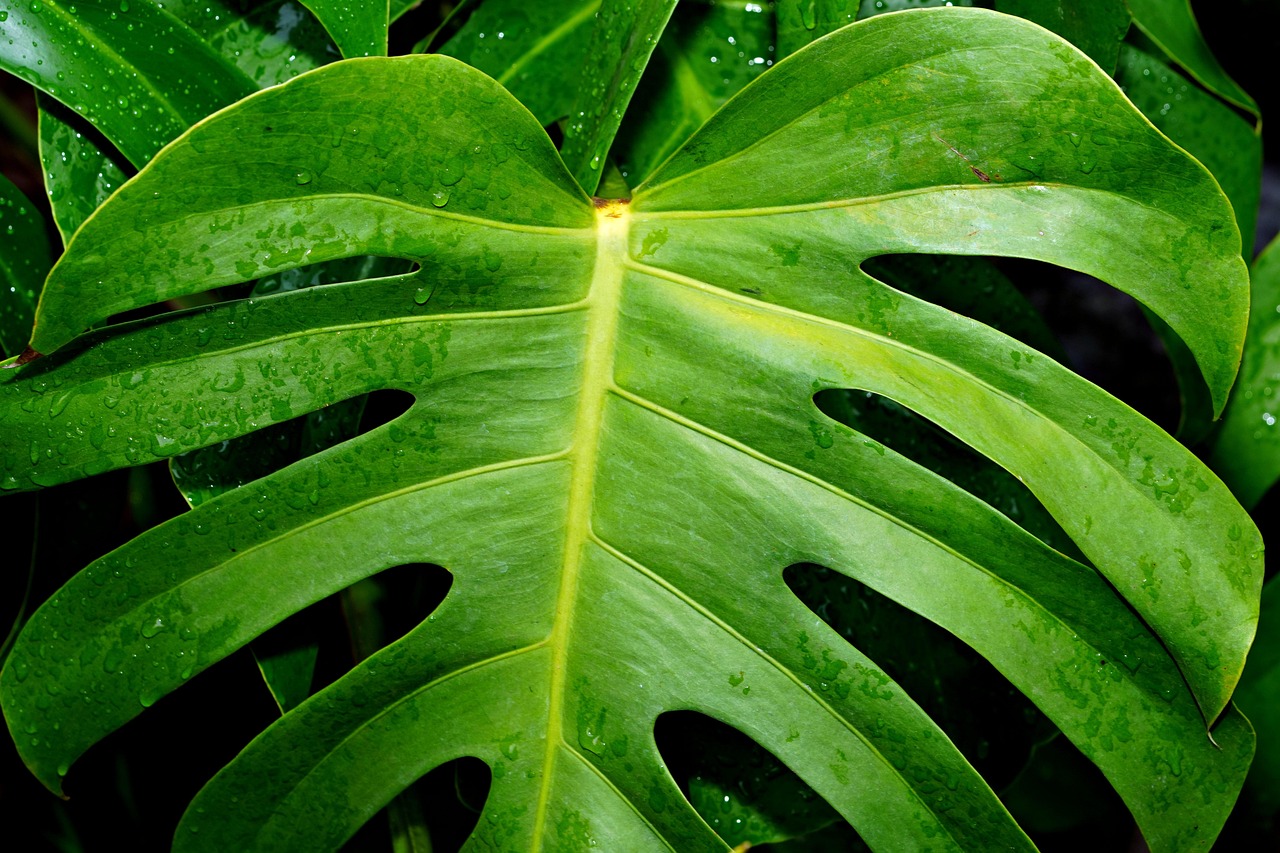
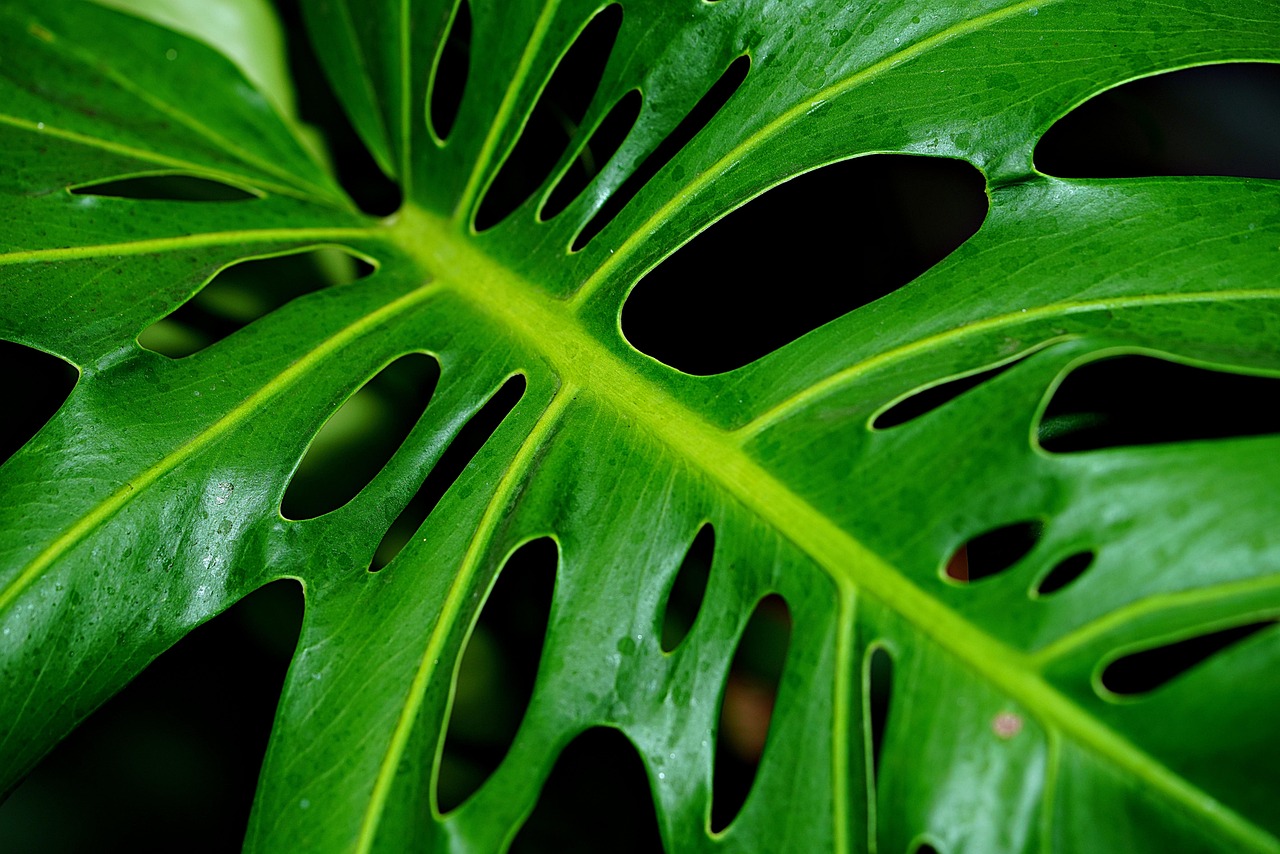
To help your Monstera deliciosa thrive indoors, mimicking its natural tropical habitat is key. The most critical factor for healthy growth and the development of those iconic, dramatic fenestrations (the natural holes and splits in the leaves) is light. Your plant requires bright, indirect light to photosynthesize efficiently.
Place your Monstera near a window that receives plenty of natural light, but ensure the sun’s rays do not hit the foliage directly. Direct sunlight, especially in the afternoon, can quickly scorch the leaves, leaving unsightly brown, crispy patches. If your plant is in a very dark corner, it will likely become “leggy” as it stretches toward the light, and its leaves may remain small and solid without developing splits.
Regarding temperature, Monsteras are quite comfortable in standard household conditions. Aim to keep your environment within these parameters:
- Ideal Temperature Range: Maintain a consistent room temperature between 65°F and 85°F (18°C–29°C).
- Cold Sensitivity: Avoid exposing the plant to temperatures below 60°F (15°C). Prolonged exposure to cold can stunt growth or cause leaf drop.
- Draft Protection: Keep your Monstera away from cold drafts, such as those from air conditioning vents, drafty windows during winter, or exterior doors.
While these plants are resilient, they do not handle sudden temperature fluctuations well. Avoid placing them directly next to heaters, radiators, or fireplaces, as the dry, intense heat can dehydrate the leaves and cause the edges to brown. If your home has a spot with consistent, filtered light and a stable temperature, your Monstera will likely reward you with steady, lush growth throughout the growing season.
If you notice your plant leaning heavily in one direction, rotate the pot by a quarter turn every few weeks. This simple practice ensures that all sides of the plant receive equal exposure, leading to a more balanced and aesthetically pleasing shape as it matures.
Watering and Humidity Best Practices
The most common mistake when caring for a Monstera deliciosa is overwatering. Because this tropical plant is susceptible to root rot, you must allow the soil to dry out between waterings. The “soak-and-dry” method is the safest approach to ensure your plant receives adequate hydration without sitting in stagnant water.
To determine if it is time to water, use the finger test. Insert your index finger into the soil up to the second knuckle. If the soil feels damp or cool, wait a few more days. Only proceed with watering if the soil feels dry at that depth. When you do water, saturate the potting mix thoroughly until water flows freely from the drainage holes at the bottom of the pot. Always discard any excess water collected in the saucer to prevent the roots from soaking in moisture.
Beyond soil moisture, Monstera deliciosa thrives in higher ambient humidity, which mimics its native tropical rainforest environment. Low indoor humidity, especially during winter months, can cause brown, crispy leaf edges. You can boost local humidity levels using these practical methods:
- Group plants together: Placing your Monstera near other plants creates a microclimate that traps moisture as they transpire.
- Use a pebble tray: Fill a shallow tray with pebbles and water, then set the pot on top. Ensure the base of the pot sits above the waterline to avoid root rot.
- Utilize a humidifier: If your home is consistently dry, running a small humidifier nearby is the most effective way to maintain optimal humidity levels.
Avoid misting the leaves as a primary source of humidity. While it feels intuitive, misting provides only a fleeting increase in moisture and can encourage fungal issues if water sits on the foliage for too long. Instead, focus on consistent soil management and stable ambient humidity to keep your Monstera healthy and vibrant.
Soil, Fertilization, and Potting
The foundation of a thriving Monstera deliciosa is its soil. Because these plants are epiphytes in nature, they require a chunky, well-draining medium that prevents water from sitting around the roots. Using standard garden soil is often too dense and can lead to root rot. Instead, create an aroid-specific mix by combining the following components:
- High-quality indoor potting soil (base)
- Perlite or pumice (for aeration and drainage)
- Orchid bark or coco chips (to mimic their natural tree-dwelling environment)
- Optional: Horticultural charcoal to keep the soil fresh
Proper fertilization is equally important during the active growing season, which typically spans from early spring through late summer. During these months, the plant is producing new leaves and needs extra nutrients. Use a balanced, water-soluble liquid fertilizer diluted to half-strength once a month. Avoid fertilizing during the winter months when the plant enters a period of dormancy, as excess nutrients can build up in the soil and cause root burn.
As your Monstera grows, it will eventually outgrow its current container. You will know it is time to repot when you notice roots circling the bottom of the pot or growing out of the drainage holes. If the plant seems to dry out much faster than usual, it is likely root-bound and needs more space.
When you are ready to repot, choose a new container that is only two inches wider in diameter than the previous one. Going too large can lead to excess soil holding too much moisture, which is dangerous for the root system. Carefully loosen the root ball, transfer it to the fresh aroid mix, and water thoroughly to help the plant settle into its new home. By providing the right soil structure and timely nutrition, you ensure your Monstera has the resources it needs to produce those iconic, healthy splits in its leaves.
Pruning and Maintenance Safety
Pruning your Monstera deliciosa is a simple way to maintain its aesthetic appeal and redirect energy toward healthy new growth. Over time, older leaves may yellow or brown at the edges; these are natural signs of aging and should be removed to keep the plant tidy. Additionally, you may notice long, woody aerial roots growing from the stems. While these are vital for the plant’s stability in its native habitat, they can become unruly indoors and are safe to trim back if they interfere with your space.
Before you begin, prioritize safety and hygiene. The sap of the Monstera contains calcium oxalate crystals, which can cause skin irritation or rashes upon contact. Furthermore, the plant is toxic if ingested, so keep pets and small children away during the process. Always follow these steps to ensure a clean cut:
- Wear protective gear: Always put on a pair of gardening gloves to prevent direct skin contact with the sap.
- Sanitize your tools: Use sharp, high-quality pruning shears. Wipe the blades with isopropyl alcohol before and after use to prevent the spread of bacteria or pathogens to the plant.
- Make precise cuts: When removing a dead leaf, cut the petiole (the stem connecting the leaf to the main vine) close to the base, without nicking the main stem. For aerial roots, snip them cleanly near the node.
- Dispose of debris: Immediately discard all pruned foliage and roots in a bin, ensuring they are out of reach of curious pets.
After pruning, monitor the cut sites for a few days. Healthy plants will quickly callous over the area where the tissue was removed. If you notice any persistent oozing or signs of decay at the cut site, ensure the plant is receiving adequate airflow and avoid misting the area directly until it has fully healed. Regular maintenance not only keeps your Monstera looking its best but also encourages the plant to focus its resources on producing vibrant, fenestrated leaves.
Troubleshooting Common Issues
Even with the best intentions, your Monstera deliciosa may occasionally show signs of stress. Identifying these symptoms early is the key to restoring your plant’s health. Most issues stem from minor imbalances in light, water, or humidity rather than permanent disease.
If you notice yellowing leaves, the most common culprit is overwatering. Monsteras prefer their soil to dry out slightly between waterings. Check the top two inches of soil; if it feels soggy, hold off on water until it dries out. Conversely, brown, crispy leaf tips often indicate low humidity or underwatering. Try misting your plant, using a pebble tray, or relocating it to a more humid room, such as a bathroom.
Pests can also be a nuisance. Keep an eye out for these common invaders:
- Spider mites: Look for fine webbing between stems or tiny, light-colored dots on leaves.
- Mealybugs: These appear as small, white, cotton-like clusters, typically found in the crevices where leaves meet the stem.
- Scale: These look like small, brown, hard bumps that can be scraped off the surface of the foliage.
To treat minor infestations, gently wipe the leaves with a damp cloth or apply a mild solution of neem oil or insecticidal soap. Always test a small area of the leaf first to ensure no adverse reaction occurs.
While most problems are manageable at home, some situations require expert intervention. If you notice persistent rot at the base of the stems, a foul odor coming from the soil, or if a pest infestation spreads rapidly despite your treatment efforts, it is time to seek professional advice. Bring a clear photo or a sealed sample of the affected leaf to your local nursery. A professional can provide a definitive diagnosis and recommend specific treatments that are safe for your indoor environment. Remember, consistent observation is your best tool for keeping your Monstera thriving for years to come.

Dedicated team of gardening enthusiasts with years of hands-on experience testing lawn mowers, gardening tools, and outdoor equipment. We help home gardeners and professionals alike make informed buying decisions with honest, thorough reviews. From push mowers to pruning shears, we test it all so you don’t have to. Got a gardening tool you’d like us to review? Get in touch!