
It typically takes anywhere from a few days to several weeks to attract hummingbirds to your garden after setting up feeders or planting flowers. While there is no universal timeframe for their arrival, understanding the environmental factors that influence these birds helps you set realistic expectations for creating a successful backyard sanctuary.
Many gardeners hope for an immediate influx of visitors, but hummingbirds must first discover your space while scouting for reliable food sources. Their arrival depends heavily on local migration patterns, the density of nearby nectar-rich plants, and your garden’s overall visibility. Patience is essential, as these tiny birds are often creatures of habit.
In this guide, we explore how to optimize your outdoor space using the right gardening tools and maintenance techniques to entice these winged visitors. From selecting the best lawn care equipment to choosing nectar-rich flora, we provide practical advice to help you transform your home garden into a thriving, hummingbird-friendly habitat today.
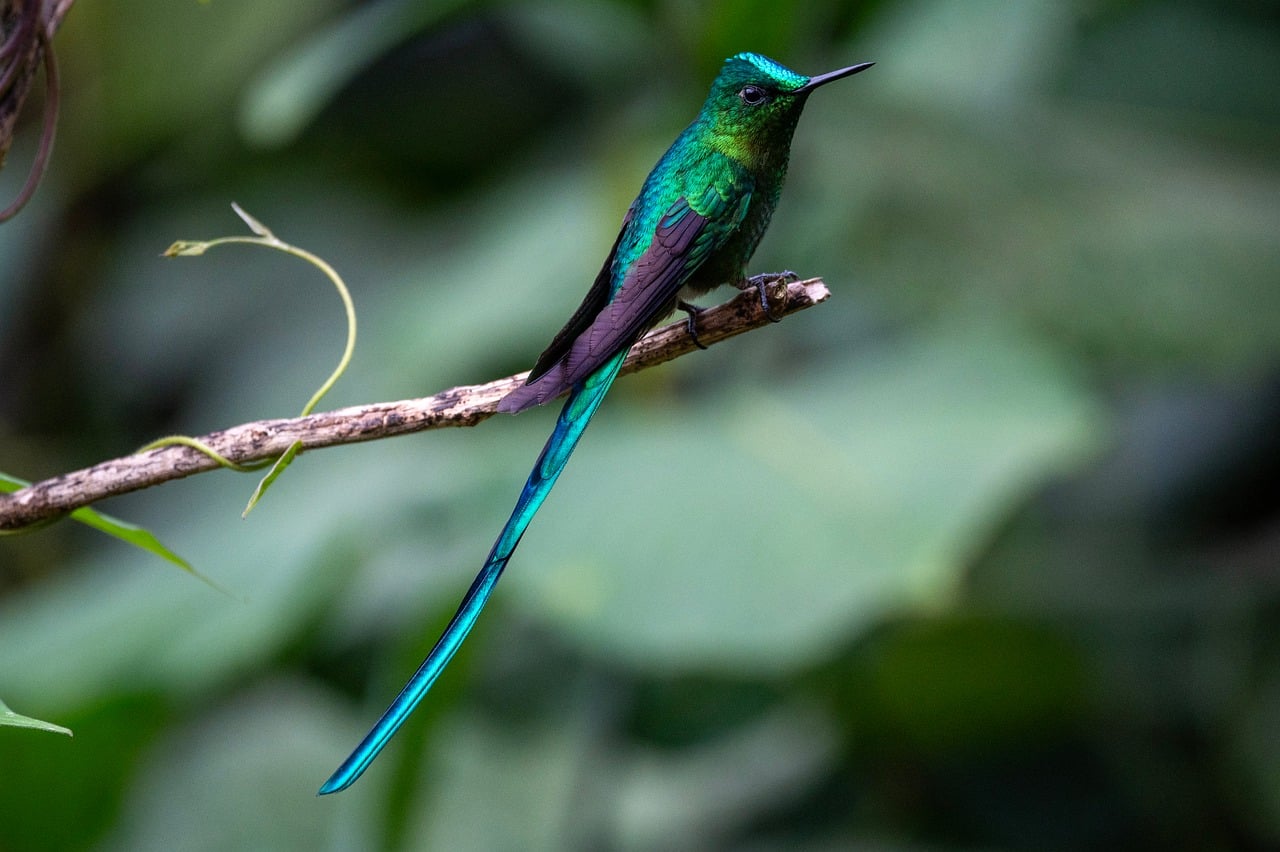
Understanding the Timeline for Hummingbird Arrival
Attracting hummingbirds is rarely an overnight process, though patience often yields rewarding results. If your garden sits directly along a major migration corridor during peak season, you might see scouts arrive within a few days of setting up feeders. However, for most homeowners, the timeline is more gradual.
If your garden is newly established or located in an area with abundant natural nectar sources, hummingbirds may take several weeks—or even an entire season—to discover your offerings. These birds are creatures of habit; they rely on established routes and memory to find food. Your yard must become a reliable part of their mental map before they make it a regular stop.
To speed up the discovery process, focus on creating a high-visibility environment that signals safety and sustenance:
- Strategic Placement: Position feeders in open, visible areas near nectar-rich flowers. Avoid hiding them deep in dense foliage where birds cannot easily spot them while flying.
- Garden Maintenance: Keep your flower beds tidy and free of invasive weeds that compete with your nectar plants. Use hand tools like a sharp hoe or weeding fork to maintain clear soil around your perennials, ensuring your primary attractants receive adequate water and nutrients.
- Equipment Readiness: Ensure your outdoor power equipment, such as string trimmers or hedge shears, is used to keep grass and shrubs neatly trimmed. A well-maintained garden makes it easier for hummingbirds to navigate and find your feeders without getting caught in overgrown brush.
- Consistent Care: Keep feeders clean and filled with fresh sugar water. Hummingbirds are highly sensitive to spoiled nectar; failing to maintain your equipment can deter them from returning.
While you wait for their arrival, use this time to refine your landscaping. Incorporate native plants that bloom at different times throughout the season to provide a consistent food supply. If you are using power equipment for heavy-duty garden tasks, aim to complete these during the early morning or late evening to minimize noise disruption during the birds’ peak feeding times. By treating your garden as a long-term habitat rather than a temporary installation, you increase the likelihood that hummingbirds will not only find your space but choose to nest and return year after year.
Key Factors That Influence Attraction Time
Attracting hummingbirds is not an instant process, but rather a result of creating a hospitable ecosystem. The speed at which these birds discover your garden depends on your geographic location, the time of year, and the quality of the habitat you provide.
Hummingbirds are most active during spring migration and late summer. If you set out feeders or plant nectar-rich flowers during these peak windows, you are far more likely to see immediate results. During the heat of mid-summer, your focus should shift toward maintenance to ensure your space remains a reliable refuge.
To increase your success rate, focus on these essential habitat elements:
- High-Energy Nectar Sources: Plant native, tubular flowers like bee balm, salvia, and columbine. These provide consistent, natural energy that acts as a beacon for passing birds.
- Reliable Water Features: Hummingbirds rarely land in traditional birdbaths. Instead, install a misting system or a shallow, dripping water feature. The sound and movement of water are highly attractive to them.
- Strategic Tool Use: Keep your garden tidy but not sterile. Use hand pruners to deadhead spent blooms, which encourages continuous nectar production throughout the season. Avoid heavy-duty power equipment near nesting sites to prevent unnecessary disturbance.
- Feeder Hygiene: If you use artificial feeders, cleanliness is non-negotiable. Use a soft bottle brush to scrub the ports at least twice a week. Never use soap; a simple solution of one part white vinegar to four parts water is safe and effective for removing mold.
Your garden maintenance routine plays a significant role in how quickly hummingbirds establish your yard as a territory. By keeping your tools sharp and your equipment in good working order, you can manage your landscape efficiently without creating the noise or vibrations that might drive shy birds away. Focus on creating a layered environment—incorporating tall trees for perching, shrubs for nesting, and low-growing perennials for feeding.
Remember that hummingbirds are creatures of habit. Once they identify your garden as a safe, food-rich environment, they will likely return to the same spots year after year. Patience is your most important tool; as you refine your habitat, the time it takes for new birds to discover your oasis will decrease significantly.
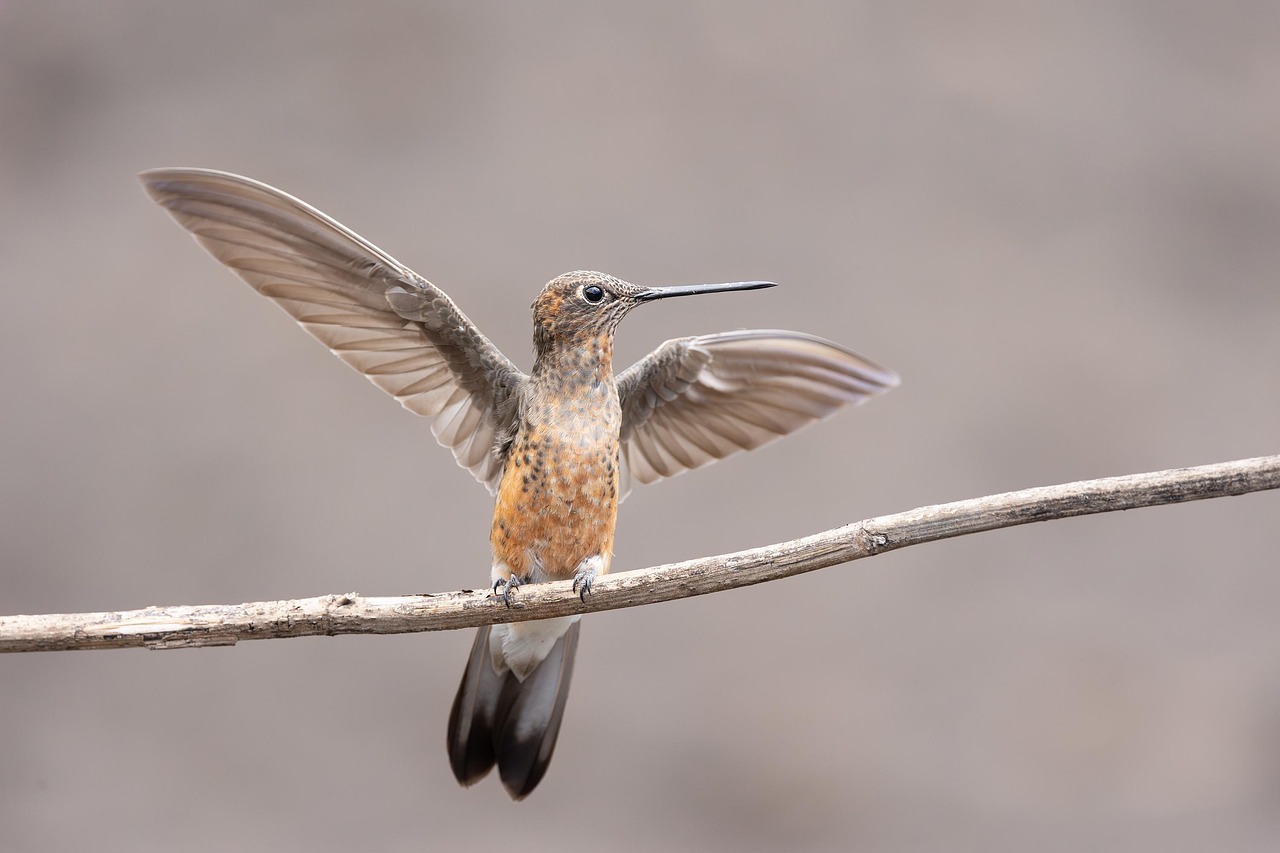
Creating an Irresistible Hummingbird Habitat
Transforming your backyard into a hummingbird sanctuary requires more than just patience; it demands a strategic approach to planting and maintenance. To attract these birds quickly, prioritize native, tubular flowers. Hummingbirds are naturally drawn to nectar-rich blooms like bee balm, salvia, and trumpet vine, which serve as vibrant, high-energy beacons in your landscape.
When selecting your gear, focus on high-quality hand tools that allow for precision planting without disturbing the surrounding soil structure. Using a sharp, clean hand trowel ensures that your native perennials are installed with minimal root stress, allowing them to establish quickly and begin nectar production sooner.
Supplement your floral displays with reliable feeders. To ensure the health of your visitors, follow these essential maintenance practices:
- Sanitization: Clean your feeders at least twice a week using a solution of one part white vinegar to two parts water. Rinse thoroughly to ensure no residue remains.
- Chemical Safety: Never use bleach or harsh detergents, as toxic chemical residues can be fatal to hummingbirds.
- Feed Quality: Stick to a simple mixture of one part refined white sugar to four parts water. Avoid honey, molasses, or artificial sweeteners, which can cause severe health issues.
Your outdoor power equipment, such as string trimmers or leaf blowers, should be used with caution during peak hummingbird activity. Hummingbirds are sensitive to loud noises and vibrations, which may deter them from nesting or feeding. If you must use heavy equipment, try to schedule your lawn care during midday hours when birds are less active at the feeders.
Garden maintenance is equally vital. Keep your flower beds free of invasive weeds that compete with native nectar sources. A well-maintained garden not only looks professional but also provides the necessary cover and perching spots these birds need to rest. By integrating these practical gardening habits, you create a sustainable, safe environment that encourages hummingbirds to visit your yard consistently.
Remember, the goal is to mimic the natural habitat these birds seek in the wild. By combining the right plant selection with diligent, chemical-free equipment maintenance, you drastically shorten the time it takes to turn your home garden into a bustling, irresistible hummingbird haven.
Safety and Maintenance for Garden Equipment
Creating an inviting sanctuary for hummingbirds often requires installing hanging hardware, decorative trellises, or sturdy bird feeder poles. Because these tasks involve structural work, prioritizing safety and equipment maintenance is essential for a successful project.
When mounting hardware to your home or garden structures, always use the correct tool for the specific material. If you are using a power drill to secure brackets or hooks, wear ANSI-rated safety glasses. Even small wood chips or metal shavings can cause significant eye injury, and protection is a non-negotiable step in any outdoor project.
Stability is equally important for the safety of both you and the birds. Hummingbird feeders can become heavy when filled with nectar, and high winds can easily topple unsecured structures. To prevent accidents, follow these guidelines for installation:
- Check Anchors: Ensure all poles are driven deep into the ground or set in concrete. If mounting to a deck, use high-quality, weather-resistant screws rather than nails to prevent the fixture from pulling loose over time.
- Test Weight Distribution: Before hanging your feeders, apply pressure to the structure to ensure it does not wobble or lean.
- Inspect Regularly: Seasonal weather changes can loosen hardware. Make it a habit to check the stability of your feeders and trellises every time you refill the nectar.
Your garden maintenance tools also require regular attention. Dull pruning shears or saws are actually more dangerous than sharp ones because they require excessive force, which often leads to slips and uneven cuts. A clean, sharp cut is not only safer for you but also healthier for the nectar-producing shrubs and flowers you are shaping.
Maintain your hand tools by following these simple steps:
- Clean After Use: Wipe away sap and dirt with a damp cloth to prevent rust and buildup.
- Sharpen Regularly: Use a whetstone or a dedicated sharpening tool to maintain a clean edge on blades.
- Lubricate Moving Parts: Apply a light coat of machine oil to pivot points to ensure smooth operation, reducing the physical strain on your hands and wrists during long gardening sessions.
By keeping your equipment in peak condition and securing your structures properly, you create a safe, functional environment where you can enjoy watching hummingbirds thrive without the risk of preventable accidents.

Common Questions and Long-Term Care
If you have waited several weeks without success, evaluate your feeder placement. Hummingbirds are cautious; ensure your feeder is highly visible yet sheltered from strong winds and potential predators. If they still do not appear, observe your local environment to see if nearby neighbors are already providing sufficient resources, or consider adding more vertical structure to your garden to provide natural perches and cover.
Attracting hummingbirds is a long-term commitment that requires consistent garden maintenance. Your outdoor power equipment and hand tools play a vital role in creating a habitat that sustains these birds throughout the season. A well-maintained landscape provides the natural nectar and insects hummingbirds need to thrive alongside your supplemental feeders.
To ensure your garden remains an inviting sanctuary, incorporate these practical maintenance habits:
- Keep nectar fresh: In hot weather, sugar water ferments quickly. Clean feeders with hot water and a bottle brush at least twice a week to prevent mold growth.
- Manage your lawn and beds: Use a string trimmer or edger to keep garden borders tidy, but leave some areas slightly wild. Hummingbirds use spider silk and soft plant fibers to build their nests.
- Prune strategically: Use sharp hand pruners to maintain the shape of flowering shrubs. Avoid heavy pruning during the peak nesting season to protect hidden nests.
- Select the right plants: Integrate native perennials, such as bee balm, columbine, and salvia. These provide a more reliable food source than feeders alone and require less intensive care once established.
- Minimize chemical use: Avoid pesticides and herbicides. Hummingbirds rely on small insects and spiders for essential protein, especially when raising their young.
Beyond the feeders, consider the physical structure of your outdoor space. If your garden is too open, hummingbirds may feel exposed. Use a hedge trimmer to shape dense shrubs or install trellises with climbing vines. These vertical structures create “safe zones” where birds can rest between feedings. If you are using power equipment like leaf blowers, operate them during the early morning or late evening to avoid disturbing the birds while they are most active. By balancing artificial feeding with a healthy, natural ecosystem, you increase your chances of turning your yard into a permanent hummingbird destination.