
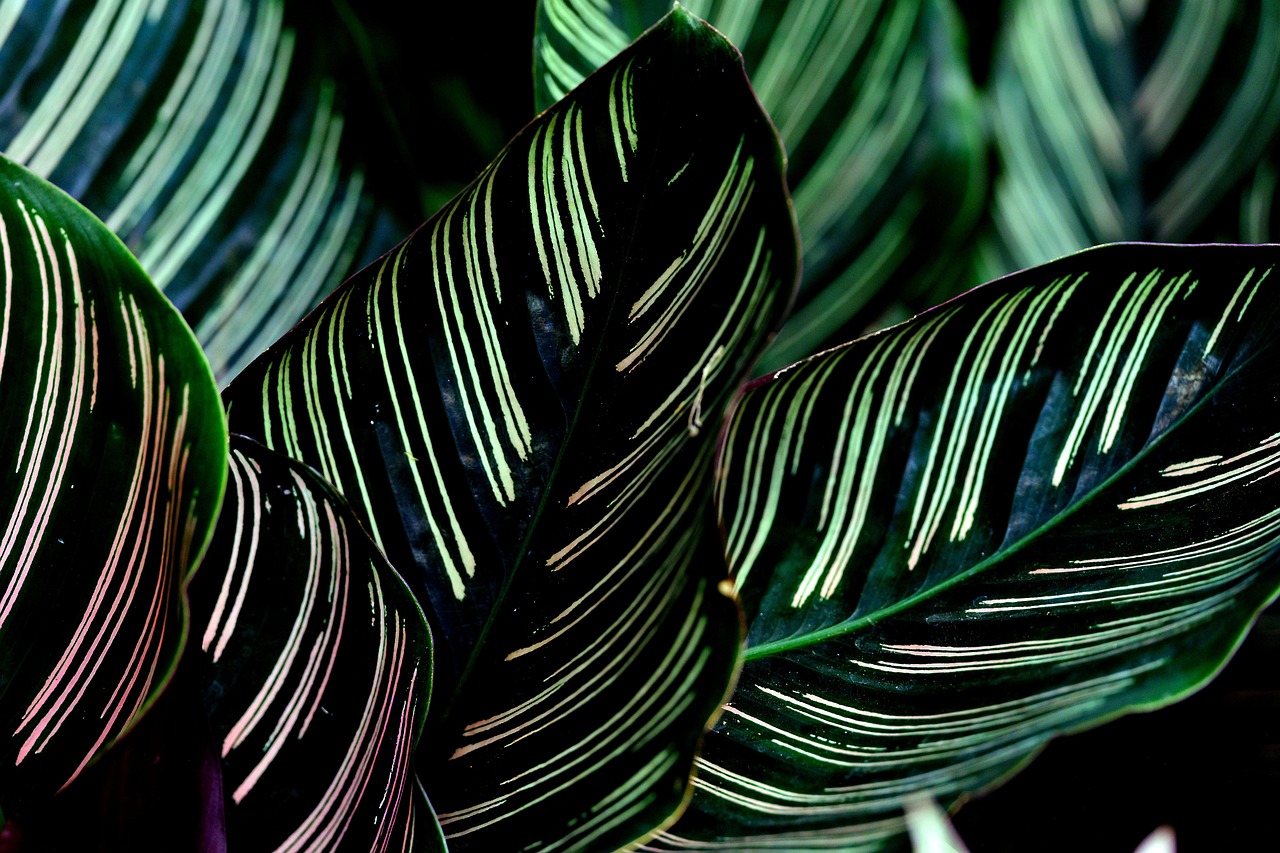
To care for Calathea zebrina, provide consistent moisture, high humidity, and bright, indirect light. These stunning tropical plants require a stable environment to prevent their delicate, velvety leaves from crisping at the edges. By mimicking their native rainforest habitat, you can easily maintain their vibrant, striped patterns and keep them looking healthy year-round.
The Calathea zebrina, commonly known as the Zebra Plant, is prized for its stunning velvety leaves and bold, striped patterns. While these tropical beauties are famous for being a bit temperamental, they thrive when you mimic their natural rainforest environment. Understanding their specific needs is the secret to moving beyond basic survival to actual growth.
This guide covers everything you need to know to keep your Zebra Plant healthy, vibrant, and growing strong. We will walk you through essential watering techniques, ideal soil mixtures, and troubleshooting tips for common issues. Follow these practical steps to master your plant care routine and enjoy the lush beauty of your indoor jungle.

Light and Temperature Requirements
Calathea zebrina, known for its striking zebra-like foliage, requires specific lighting conditions to maintain its health and vibrant patterns. These plants thrive in bright, indirect light. This mimics the dappled sunlight they receive on the floor of their native tropical rainforests.
Direct sunlight is the most common cause of leaf damage for this species. Intense rays will quickly scorch the delicate, velvety leaves, leading to brown, crispy edges. Conversely, placing your plant in a space that is too dark will cause the signature stripes to fade and may stunt its growth.
To find the perfect spot, consider these placement tips:
- East-facing windows: These provide gentle morning sun, which is ideal for Calathea zebrina.
- South or West-facing windows: If you use these locations, place the plant several feet back from the glass or use a sheer curtain to filter the light.
- Rotation: Rotate your pot every few weeks to ensure even growth and prevent the plant from leaning too heavily toward the light source.
Beyond light, temperature consistency is vital for preventing stress. Calathea zebrina prefers a stable environment between 65 and 80 degrees Fahrenheit. Because they are tropical plants, they are highly sensitive to sudden temperature fluctuations.
To keep your plant comfortable, avoid placing it in areas prone to drafts or extreme temperature changes. Specifically, keep your Calathea away from the following:
- Air conditioning vents: The cold, dry air can cause leaves to curl and drop prematurely.
- Heating units: Radiators and floor vents will dry out the air, leading to crispy leaf tips.
- Drafty doorways: Sudden gusts of cold air during winter months can shock the plant and cause significant foliage damage.
By mimicking these stable, temperate conditions, you will encourage your Calathea zebrina to produce healthy, lush growth throughout the year.
Watering and Humidity Essentials
The Calathea zebrina, or Zebra Plant, is native to the tropical rainforests of Brazil. To mimic this environment, you must master the balance of soil moisture and ambient humidity. Getting these two factors right is the most effective way to prevent the dreaded crispy, brown edges that often plague these plants.
Humidity is the secret to healthy foliage. These plants thrive in environments with at least 60 percent humidity. If your home air is dry, especially during winter months, consider the following methods to boost moisture levels:
- Humidifiers: Placing a small humidifier near your plant is the most reliable way to maintain consistent levels.
- Pebble Trays: Fill a shallow tray with stones and water, then place your pot on top. Ensure the base of the pot sits above the water line to prevent root rot.
- Grouping: Clustering your Calathea with other tropical plants creates a microclimate that naturally retains more moisture.
When it comes to watering, your goal is to keep the soil consistently moist but never waterlogged. Before adding more water, touch the top inch of the soil. If it feels dry to the touch, it is time to hydrate. If the soil still feels damp, wait a few days, as sitting in excess water will quickly lead to root decay.
The quality of your water is just as important as the frequency. Calathea zebrina are notably sensitive to the chlorine, fluoride, and mineral salts frequently found in tap water. These impurities often accumulate in the leaf tips, causing them to turn brown and brittle. To keep your plant looking its best, follow these guidelines:
- Use filtered or distilled water: This removes the harsh chemicals that cause leaf damage.
- Check the temperature: Always use room-temperature water. Cold water can shock the root system and cause the leaves to curl.
- Drainage: Ensure your pot has adequate drainage holes so excess water can escape freely.
Soil and Fertilization Needs
The foundation of a thriving Calathea zebrina lies in its potting medium. Because these plants are susceptible to root rot, you must prioritize a balance between moisture retention and drainage. A heavy, dense soil will suffocate the roots, while soil that dries out too quickly will cause the iconic zebra-striped leaves to curl and brown.
The ideal environment is a high-quality, peat-based potting mix. To ensure your plant stays healthy, you should amend standard potting soil to improve aeration. Incorporating the following materials into your mix is highly recommended:
- Perlite: Improves drainage and prevents the soil from compacting.
- Orchid bark: Adds structural integrity and allows essential oxygen to reach the root system.
- Coco coir: A sustainable alternative to peat that helps retain the right amount of humidity.
When it comes to nutrition, Calathea zebrina is a light feeder. Over-fertilizing can lead to a buildup of salts in the soil, which often results in burnt leaf tips. To keep your plant vibrant, follow this simple feeding schedule:
During the active growing season in spring and summer, apply a balanced, water-soluble fertilizer once a month. It is crucial to dilute the solution to half-strength to prevent chemical burn. If you are using a liquid fertilizer, apply it to damp soil rather than bone-dry soil to protect the delicate root hairs.
As the days grow shorter and temperatures drop in the autumn, the plant enters a period of dormancy. During these winter months, you must stop fertilizing entirely. Your Calathea is resting and cannot process the extra nutrients; providing fertilizer now can cause significant stress to the plant. Simply resume your regular feeding routine once you notice new growth appearing in the early spring. By maintaining this seasonal rhythm, you provide your plant with the consistent care it needs to maintain its striking, velvety foliage year-round.
Pruning and Maintenance Safety
Regular maintenance is vital for keeping your Calathea zebrina looking its best. Over time, it is normal for older foliage to fade, yellow, or develop brown edges. Removing these damaged leaves not only improves the plant’s aesthetic appeal but also redirects its energy toward new, healthy growth.
When you notice a leaf that is dying or damaged, prune it back to the base of the stem. Using the correct technique ensures the plant heals quickly and avoids unnecessary stress. Follow these steps for safe and effective pruning:
- Sanitize your tools: Always wipe your pruning shears or scissors with rubbing alcohol before and after each use. This simple step prevents the transmission of bacteria, fungi, and viruses between your plants.
- Make clean cuts: Use sharp, high-quality blades to ensure a clean slice. Dull tools can crush the stem tissue, which creates an entry point for disease and slows down the recovery process.
- Cut at the base: Follow the leaf stem down to where it meets the main stalk or the soil line. Make your cut close to the base, but be careful not to damage the main crown of the plant.
Safety should always be your priority when performing routine plant care. Because you are working with sharp equipment, keep your fingers well away from the cutting path at all times. If you are pruning a large, dense specimen, take your time to clear away surrounding foliage so you have a full view of where your blades are positioned.
Once you have finished your maintenance, immediately wipe your tools clean, dry them thoroughly to prevent rust, and store them in a secure location out of reach of children or pets. By keeping your tools clean and sharp, you protect both your own safety and the long-term vitality of your Calathea zebrina. Consistent, careful attention to these details will help your plant thrive in your indoor environment.
Troubleshooting Common Issues
Even with the best intentions, your Calathea zebrina may occasionally show signs of stress. Observing your plant closely is the best way to catch issues before they escalate. By identifying these common symptoms early, you can adjust your care routine to help your plant bounce back.
If you notice the leaves beginning to curl, your plant is likely signaling a need for more moisture. This is typically caused by underwatering or insufficient humidity. To remedy this, ensure the top inch of soil is consistently damp and consider placing your plant on a pebble tray or near a humidifier to mimic its native tropical environment.
Yellowing leaves are frequently a sign of overwatering or poor drainage. Calatheas dislike “wet feet,” so ensure your pot has adequate drainage holes and that you are emptying the saucer after watering. If the soil feels waterlogged, allow it to dry out significantly before the next watering session.
Keep a close watch for common pests, particularly spider mites. These tiny invaders thrive in dry air and can cause stippling or webbing on the undersides of leaves. If you spot them, gently wipe the foliage with a damp cloth or apply neem oil to manage the infestation.
If your plant continues to decline despite consistent adjustments, consider these steps:
- Inspect the roots: Gently remove the plant from its pot to check for mushy, dark, or foul-smelling roots, which indicate rot. Trim away any damaged roots and repot into fresh, well-draining soil.
- Assess your water quality: Calatheas can be sensitive to chemicals like chlorine or fluoride found in tap water. Try switching to filtered or distilled water to see if browning leaf tips improve.
- Seek professional guidance: If you face a persistent infestation or unexplained browning that does not resolve with standard care, consult a local nursery professional. They can provide specialized advice tailored to your specific environment and the health of your plant.

Dedicated team of gardening enthusiasts with years of hands-on experience testing lawn mowers, gardening tools, and outdoor equipment. We help home gardeners and professionals alike make informed buying decisions with honest, thorough reviews. From push mowers to pruning shears, we test it all so you don’t have to. Got a gardening tool you’d like us to review? Get in touch!