
To care for azaleas in a pot, you must prioritize acidic, well-draining soil and consistent moisture levels. These vibrant shrubs thrive when placed in bright, indirect light away from harsh afternoon sun. By mimicking their natural woodland environment, you can easily maintain healthy, blooming plants on your patio or balcony all season long.
Growing azaleas in containers offers a beautiful way to brighten small spaces, but it requires more attention than planting them directly in the ground. Because pots dry out faster and have limited nutrients, your plants rely entirely on your care. Understanding these specific container needs is essential for preventing common issues like root rot.
This guide provides all the practical steps needed to help your potted azaleas flourish year after year. We will cover selecting the perfect potting mix, establishing an effective watering routine, and choosing the ideal location for your shrubs. Follow these expert tips to ensure your azaleas remain lush, green, and full of spectacular flowers.
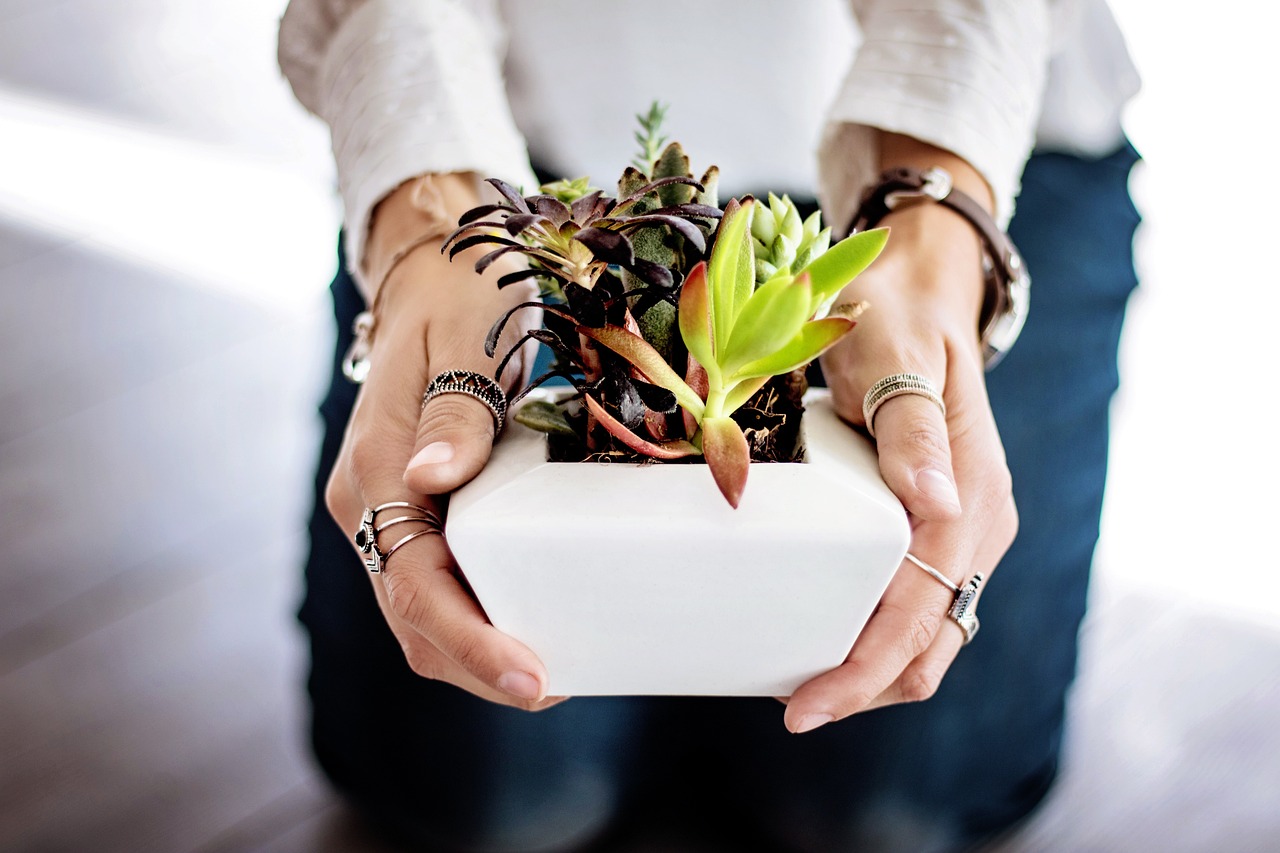
Choosing the Right Pot and Soil Mix
Azaleas possess delicate, shallow, and fibrous root systems that are highly sensitive to moisture levels. Because these roots do not tolerate sitting in stagnant water, your choice of container is the most critical step in preventing root rot and ensuring long-term health.
Select a pot that features large, unobstructed drainage holes at the bottom. While terracotta pots are popular for their breathability, plastic or glazed ceramic containers are also suitable provided they have sufficient drainage. Ensure the pot is only slightly larger than the plant’s current root ball; an oversized container holds too much excess soil, which can stay wet for too long and suffocate the roots.
Beyond the container, the growing medium is non-negotiable. Azaleas are acid-loving plants that thrive in specific soil conditions. Standard garden soil or generic potting mixes are often too heavy and lack the necessary pH balance, which can lead to nutrient deficiencies and yellowing leaves.
To provide the ideal environment, use a specialized acidic potting mix. When shopping, look for bags specifically labeled for:
- Azaleas
- Camellias
- Rhododendrons
- Ericaceous plants
These commercial mixes are formulated to be porous, airy, and acidic. The light, peat-based texture allows oxygen to reach the roots while maintaining the slightly moist—but never soggy—conditions these shrubs crave. If you cannot find a pre-mixed bag, you can create a suitable environment by blending high-quality potting soil with a generous amount of peat moss or coco coir and perlite. This combination ensures the mix remains loose and acidic, allowing the roots to spread easily and absorb the nutrients they need to produce vibrant blooms.
Avoid packing the soil down firmly when potting. Instead, gently settle the medium around the root ball. A loose, well-draining structure is the foundation of a thriving potted azalea, ensuring that water flows through the pot rather than pooling around the base.
Light and Temperature Requirements
Azaleas thrive when their lighting mimics the filtered, dappled sunlight found under a forest canopy. When growing them in containers, your goal is to provide bright, indirect light. The ideal placement is a spot that receives gentle morning sun followed by consistent afternoon shade. Intense, direct midday sun can easily scorch the delicate leaves and dry out the potting medium too quickly, leading to stress.
If you keep your azaleas on a patio or balcony, observe the light patterns throughout the day. If the plant begins to look “leggy” or fails to bloom, it likely needs more light. Conversely, if the foliage turns yellow or develops brown, crispy edges, it is receiving too much harsh sun and should be moved to a shadier location immediately.
Temperature management is equally critical for container-grown azaleas, as pots lack the insulation provided by the earth. To ensure your plant survives the seasons, keep these guidelines in mind:
- Summer Heat: During extreme heat waves, move your container to a cooler, shaded area to prevent the root ball from overheating and drying out.
- Winter Protection: Azaleas are sensitive to deep freezes. If you live in a region with harsh winters, the roots can easily freeze solid in a container, which is often fatal.
- Sheltered Transition: As temperatures drop, move your pot to a sheltered area, such as a covered porch, or bring it into an unheated garage or shed. This protects the plant from freezing winds and extreme temperature fluctuations while still allowing it to experience the necessary winter dormancy.
Avoid bringing azaleas into a heated living space during winter. They require a period of cool temperatures to set buds for the following season. By balancing dappled light with protection from extreme temperature swings, you create the stable environment necessary for your potted azaleas to produce vibrant, healthy blooms year after year.

Watering and Fertilization Best Practices
Container-grown azaleas have a limited root zone, meaning they dry out significantly faster than shrubs planted directly in the landscape. Because pots are exposed to air on all sides, moisture evaporates quickly, making consistent monitoring essential for plant health.
To determine if your azalea needs water, perform a simple finger test daily. Insert your index finger about one inch deep into the potting mix. If the soil feels dry or crumbly at that depth, it is time to hydrate the plant. When you water, do so thoroughly, ensuring the moisture saturates the entire root ball until you see water flowing freely from the drainage holes at the bottom of the pot.
Avoid letting the soil become bone-dry, as azaleas have fine, fibrous root systems that suffer quickly from drought stress. Conversely, ensure the pot is never sitting in standing water, as this can lead to root rot.
Proper nutrition is equally vital for container-grown azaleas, as nutrients leach out of pots more rapidly than in garden soil. Follow these guidelines to keep your plant thriving:
- Timing: Apply fertilizer only once a year, specifically in early spring immediately after the flowers have faded. This timing encourages healthy new vegetative growth for the coming season.
- Product Selection: Always choose a fertilizer specifically formulated for “acid-loving” plants, such as those labeled for azaleas, rhododendrons, or camellias. These formulas maintain the acidic soil pH that azaleas require to absorb nutrients effectively.
- Application: Use a high-quality, slow-release granular fertilizer. Sprinkle the granules evenly over the surface of the potting mix, following the manufacturer’s dosage instructions carefully to avoid burning the roots.
- Watering In: After applying fertilizer, water the container gently. This helps move the nutrients into the root zone and prevents the chemicals from sitting directly against the stems or leaves.
By maintaining steady moisture levels and providing balanced nutrition at the right time, you will ensure your potted azalea remains vibrant and productive year after year.
Pruning and Maintenance Safety
Pruning is essential for maintaining the health and aesthetic appeal of your potted azaleas. The best time to prune is immediately after the plant finishes its spring bloom. Waiting too long can remove the buds for the following year, so aim to complete your trimming within a few weeks of the flowers fading.
Regular pruning encourages a bushier growth habit and prevents the plant from becoming leggy. Focus on removing dead or crossing branches to improve airflow through the center of the shrub. This simple step significantly reduces the risk of fungal infections and helps the plant direct its energy toward new, vibrant growth.
Safety should always be your priority when working with garden tools. Follow these best practices to ensure a productive and injury-free pruning session:
- Wear protective gear: Always use durable gardening gloves to protect your hands from blisters, thorns, or minor cuts.
- Use sharp tools: Ensure your pruning shears or loppers are sharp. Dull blades crush plant stems rather than slicing them, which slows healing and invites pathogens.
- Sanitize equipment: Wipe your blades with rubbing alcohol before and after pruning. This prevents the accidental spread of diseases from one branch or plant to another.
- Make clean cuts: Always cut at a slight angle just above a leaf node or branch junction. This prevents water from pooling on the cut surface, which can lead to rot.
By keeping your tools clean and your technique precise, you help your azaleas recover quickly from the pruning process. If you notice any branches that appear diseased or discolored, prune them back to healthy wood and dispose of the clippings away from your garden to prevent further contamination. Consistent, gentle maintenance will keep your potted azaleas thriving for many seasons to come.

Troubleshooting Common Azalea Issues
Even with the best intentions, azaleas in containers can sometimes struggle. Recognizing early warning signs is the key to nursing your plant back to health. If you notice your azalea’s leaves turning yellow, it is often a sign of chlorosis caused by soil that is not acidic enough. Azaleas thrive in a pH range between 4.5 and 6.0; if the soil is too alkaline, the plant cannot absorb necessary iron.
Poor drainage can also lead to yellowing, as saturated roots quickly succumb to rot. Ensure your pot has ample drainage holes and that you are never letting the plant sit in a saucer of standing water.
Brown, crispy leaf edges are another common complaint. This usually points to one of two issues:
- Underwatering: Potted plants dry out faster than those in the ground. Check the top inch of soil daily; if it feels dry, it is time to water.
- Salt Buildup: Over time, minerals from tap water can accumulate in the soil. If you see white crusting on the soil surface, flush the pot thoroughly with distilled or rainwater to wash away excess salts.
Pests can also hinder your azalea’s growth. If you spot stippled, pale leaves or fine webbing, inspect the undersides of the foliage for lace bugs or spider mites. These pests thrive in dry conditions. You can manage minor infestations by spraying the plant with insecticidal soap, ensuring you coat the undersides of the leaves where these insects hide.
If your azalea continues to fail despite your best efforts, do not get discouraged. Consider testing your tap water’s pH, as highly alkaline water will eventually neutralize your potting mix. If the problem persists, take a sample of the affected leaves to a local nursery professional. They can provide specific advice tailored to your local climate and help you identify if a more complex nutrient deficiency or fungal issue is at play.

Dedicated team of gardening enthusiasts with years of hands-on experience testing lawn mowers, gardening tools, and outdoor equipment. We help home gardeners and professionals alike make informed buying decisions with honest, thorough reviews. From push mowers to pruning shears, we test it all so you don’t have to. Got a gardening tool you’d like us to review? Get in touch!