
Learning how to care for an azalea plant in a pot is surprisingly simple once you understand their specific needs. These stunning shrubs thrive in containers, allowing you to enjoy vibrant blooms on patios or balconies even if your garden soil is not ideal. Proper maintenance ensures your plant remains healthy and colorful year after year.
While azaleas are famous for their dramatic spring displays, they require consistent attention to reach their full potential. Because they are confined to pots, they rely entirely on you for moisture, nutrients, and protection from harsh weather. Understanding these unique container requirements is the secret to preventing common issues like yellowing leaves or stunted growth.
This guide covers the essential steps to keep your potted azalea thriving through every season. We will explore the best soil mixtures, proper watering techniques, and the ideal light conditions for your specific variety. Follow these practical tips to master container gardening and ensure your azalea remains a beautiful, long-lasting focal point in your home.
Choosing the Right Pot and Soil
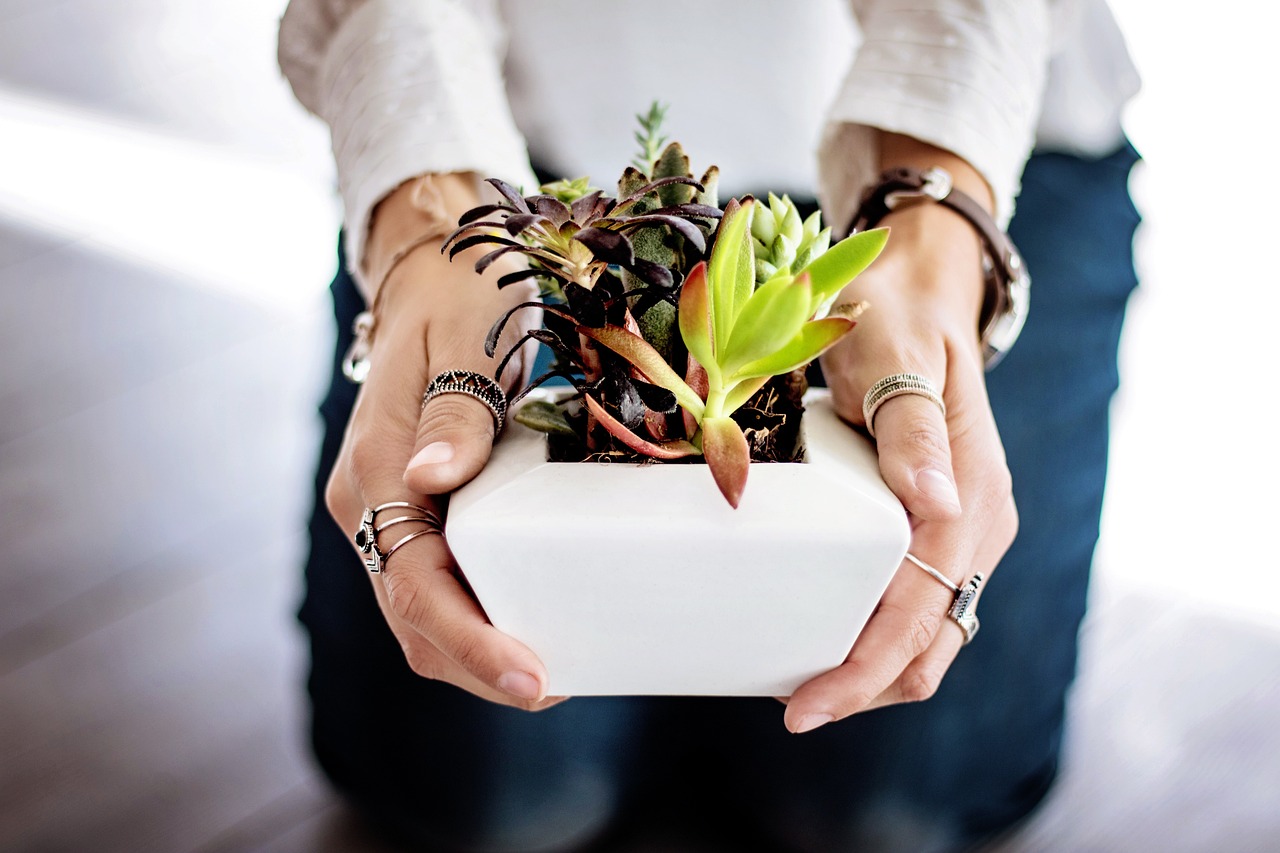
Selecting the correct container and soil is the most critical step in keeping a potted azalea healthy. Because these plants are highly susceptible to root rot, your primary goal is to ensure that water never pools around the root system. Always choose a pot that features multiple, large drainage holes at the bottom. If you are using a decorative ceramic or plastic cachepot, ensure there is a saucer underneath to catch excess water, but never let the pot sit in standing water.
When it comes to the medium, standard garden soil or heavy potting mixes will not suffice. Azaleas are ericaceous plants, meaning they thrive in acidic environments. Using a specialized potting mix designed for azaleas, camellias, or rhododendrons is the safest way to provide the specific chemical and physical properties they require.
These specialized mixes are formulated to offer several key benefits:
- Optimal Acidity: They maintain the lower pH levels (typically between 4.5 and 6.0) necessary for the plant to absorb essential nutrients.
- Superior Aeration: The loose, porous texture prevents compaction, allowing oxygen to reach the delicate, fine root hairs.
- Excellent Drainage: They contain organic components like peat moss or pine bark that hold moisture without becoming waterlogged.
If you cannot find a pre-mixed bag, you can create your own by combining equal parts peat moss, perlite, and pine bark fines. Avoid using garden soil, as it is often too dense and may contain pathogens that can quickly kill a container-grown azalea. When potting, fill the container loosely; do not pack the soil down tightly, as this eliminates the air pockets that the roots need to breathe. Finally, ensure the plant is positioned at the same depth it was in its nursery container. Planting too deeply can lead to stem rot, while planting too shallowly may cause the roots to dry out prematurely. With the right foundation, your azalea will be well-positioned for vigorous growth and vibrant blooms.
Light and Temperature Requirements
Azaleas are sensitive to their environment, so choosing the right location is the most critical step in ensuring your potted plant thrives. These shrubs prefer bright, indirect light. Think of the filtered sunlight found under a canopy of trees; this provides the energy they need to bloom without damaging their foliage.
Avoid placing your pot in areas that receive intense, direct afternoon sun. The harsh rays can quickly scorch the leaves, leading to brown edges and overall plant stress. If you are keeping your azalea indoors, a spot near an east-facing window is often ideal, as it provides gentle morning light while avoiding the heat of the day.
Temperature stability is equally important for long-term health. Azaleas prefer cool to moderate temperatures and struggle when exposed to extreme fluctuations. To keep your plant happy, follow these environmental guidelines:
- Maintain consistent temperatures: Keep your plant away from heating vents, radiators, or drafty doorways where temperatures swing rapidly.
- Avoid drying winds: Strong air currents can dehydrate the leaves faster than the roots can pull moisture from the soil. Place your pot in a sheltered area if kept on a patio or balcony.
- Watch for heat stress: If you notice the leaves drooping or curling during a heatwave, move the pot to a cooler, more shaded location immediately to help it recover.
In many climates, azaleas benefit from a “summer vacation” outdoors in a shaded spot. However, monitor the weather closely. If you live in an area with freezing winters, ensure you bring your potted azalea indoors well before the first frost. By protecting your plant from harsh sun, drying winds, and sudden temperature shifts, you create the stable environment necessary for vibrant, healthy growth and spectacular seasonal blooms. Always prioritize a spot that offers high humidity and steady, diffused light to mimic the azalea’s natural woodland habitat.

Watering and Fertilization Best Practices
Azaleas grown in containers require a delicate balance of moisture. Because pots dry out faster than garden beds, you must monitor the soil daily. The goal is to keep the potting mix consistently moist to the touch, similar to a wrung-out sponge. However, never allow the plant to sit in standing water, as this quickly leads to root rot.
The quality of your water significantly impacts long-term health. Azaleas are acid-loving plants that thrive in a lower pH environment. Tap water in many regions is treated and can be too alkaline, which may cause the leaves to yellow over time. If possible, collect rainwater or use distilled water to keep the soil chemistry within the ideal range. If you must use tap water, let it sit in an open container for 24 hours to allow chlorine to dissipate.
Fertilization is essential for potted azaleas because nutrients leach out of the container every time you water. To encourage vibrant blooms and strong foliage, follow these best practices:
- Timing: Apply fertilizer immediately after the flowering period ends. This is when the plant begins focusing its energy on producing next year’s buds.
- Selection: Use a slow-release, granular fertilizer specifically formulated for acid-loving plants, such as those labeled for azaleas, camellias, or rhododendrons.
- Application: Sprinkle the fertilizer evenly across the soil surface, avoiding direct contact with the stems or trunk to prevent burning.
- Avoid Overfeeding: Stop fertilizing by late summer. Encouraging late-season growth can leave the plant vulnerable to frost damage before it enters dormancy.
Always water the plant thoroughly after applying fertilizer to help the nutrients penetrate the potting medium effectively. If you notice the leaves losing their deep green color despite regular watering, it may be a sign that the soil pH has risen too high, preventing the plant from absorbing necessary minerals. In such cases, a soil acidifier can help restore the balance.
Pruning and Maintenance Safety
Pruning is essential for maintaining the health and shape of your potted azalea. The ideal time to prune is immediately after the plant finishes its spring bloom. If you wait too long, you risk cutting off the developing buds for next year’s flowers.
Strategic pruning encourages bushier, more compact growth. By removing leggy branches, you stimulate the plant to send out new shoots from lower down the stem. This results in a fuller, more attractive plant that is less prone to becoming sparse or woody at the base.
To ensure a successful pruning session, follow these safety and maintenance best practices:
- Use the right tools: Always use sharp, clean bypass pruners. Unlike anvil pruners, which can crush delicate stems, bypass blades act like scissors to create clean, precise cuts that heal quickly.
- Prioritize hand protection: Wear durable gardening gloves. While azaleas are not thorny, their stems can be stiff, and gloves protect your skin from minor scratches and abrasions during the process.
- Sanitize your equipment: Disease prevention is critical in container gardening. Wipe your pruning blades with rubbing alcohol or a 10% bleach solution between each plant. This simple step prevents the accidental transmission of fungal or bacterial pathogens from one plant to another.
- Evaluate your cuts: Make your cuts just above a leaf node or a branch junction. This is where the plant’s growth hormones are most active, ensuring that the new growth emerges exactly where you want it.
After pruning, take a moment to inspect the soil surface. Remove any fallen leaves or debris from the pot, as these can harbor pests or mold. Proper post-pruning cleanup, combined with careful cutting, keeps your potted azalea thriving and ready for a vibrant blooming season next year. If you notice any dead or damaged wood at any time of the year, feel free to remove those specific stems immediately to keep the plant vigorous.

Common Questions and Long-Term Care
Maintaining a healthy potted azalea requires vigilance, especially regarding soil chemistry. If you notice your plant’s leaves turning yellow while the veins remain distinctively green, your azalea is likely suffering from iron chlorosis. This condition occurs when the soil pH is too high, preventing the plant from absorbing necessary nutrients. To correct this, apply a fertilizer specifically formulated for acid-loving plants or add elemental sulfur to lower the pH levels.
Potted azaleas eventually outgrow their containers, which can restrict root development and lead to poor health. Plan to repot your plant every two to three years. When you do, follow these steps:
- Select a new pot only one to two inches larger in diameter than the current one to prevent overwatering issues.
- Ensure the new container has excellent drainage holes.
- Use a high-quality, acidic potting mix designed for azaleas, rhododendrons, or camellias.
- Gently loosen the root ball before placing it in the new container to encourage outward growth.
If your azalea appears stunted or consistently fails to bloom despite receiving adequate light, water, and fertilizer, it may be struggling with underlying stressors. Potted plants are susceptible to root rot if drainage is insufficient, or they may be harboring hidden pests like spider mites or lace bugs. Inspect the undersides of the leaves closely for webbing or discoloration.
Should these symptoms persist, do not hesitate to seek professional guidance. A local nursery or your regional university extension service can provide specific advice tailored to your climate and local soil conditions. They can help you identify whether your plant is suffering from a fungal infection or a nutrient deficiency that requires a more targeted treatment plan. Taking proactive steps early in the season ensures your azalea remains a vibrant, blooming focal point for years to come.

Dedicated team of gardening enthusiasts with years of hands-on experience testing lawn mowers, gardening tools, and outdoor equipment. We help home gardeners and professionals alike make informed buying decisions with honest, thorough reviews. From push mowers to pruning shears, we test it all so you don’t have to. Got a gardening tool you’d like us to review? Get in touch!