
Attracting hummingbirds to your garden brings vibrant energy and natural beauty to your outdoor space. You can easily draw these fascinating creatures to your yard by strategically placing a clean feeder filled with the correct homemade nectar solution. With a few simple adjustments to your routine, you will soon enjoy frequent visits from these tiny, colorful birds.
While hummingbirds are naturally curious, they require a consistent and safe environment to become regular visitors. It is important to understand that patience is key, as these birds often take time to discover new food sources. Maintaining a clean feeder and keeping your outdoor area free of harsh chemicals ensures a healthy habitat for them.
This guide covers the essential steps to setting up your feeder, choosing the right nectar, and maintaining a safe, welcoming environment that encourages these birds to return season after season. We will also explore how proper garden maintenance and the right hand tools can help you create the perfect oasis for hummingbirds to thrive throughout the year.
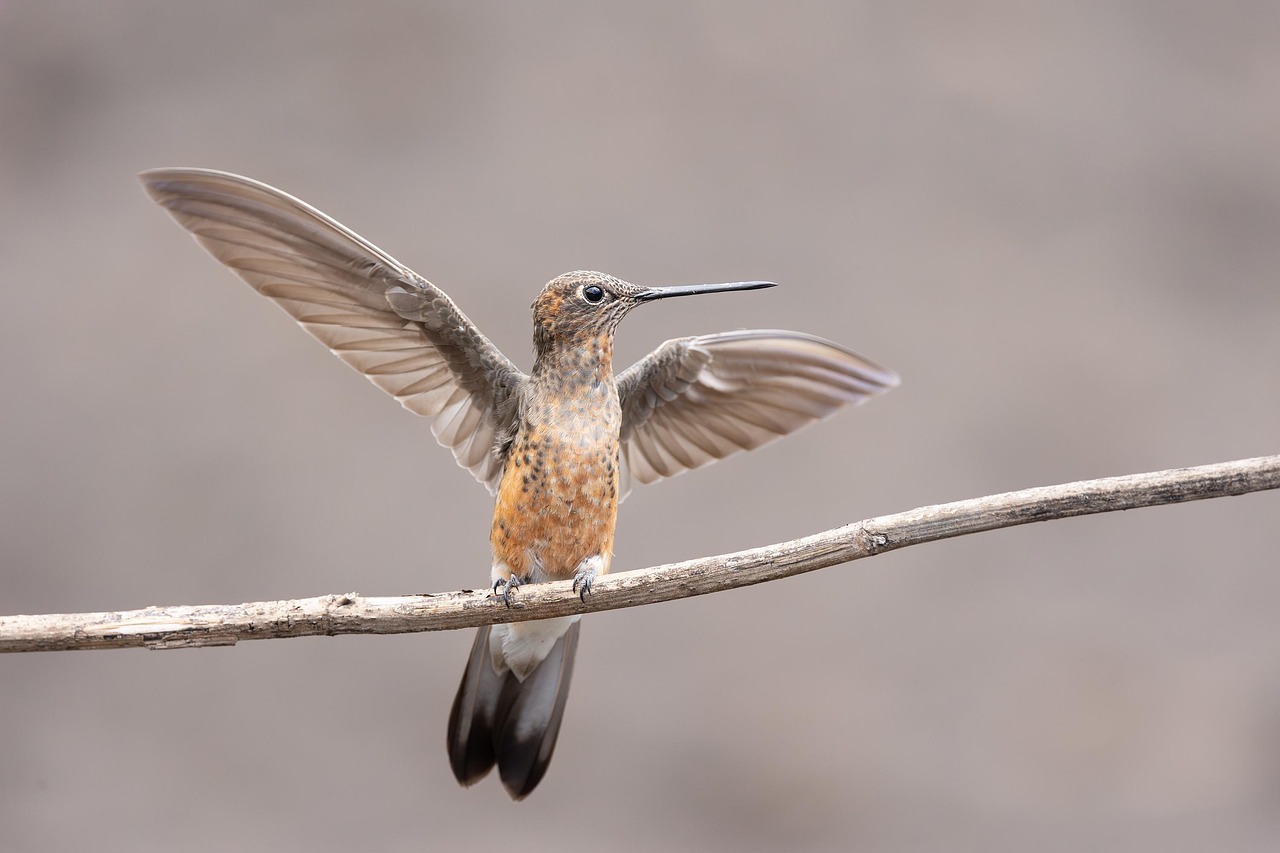
Choosing and Positioning the Ideal Feeder
Selecting the right hummingbird feeder is the first step in creating a reliable backyard sanctuary. Prioritize models that disassemble completely; nectar can ferment quickly in warm weather, leading to mold growth that is toxic to birds. Choose a feeder with wide openings or one that can be easily scrubbed with a bottle brush to ensure you can reach every crevice during your weekly cleaning routine.
When positioning your feeder, visibility is key for both you and the birds. Hummingbirds are naturally curious and will find feeders placed in open, bright areas. However, avoid spots exposed to intense, direct sunlight, as this causes the nectar to spoil faster. Aim for a location that receives partial shade throughout the day to keep the sugar solution fresh and safe for consumption.
Stability is equally important. Hummingbirds are lightweight, but strong winds can cause a feeder to swing violently, deterring them from feeding. Choose a sheltered spot near a shrub or tree line that breaks the wind while still allowing birds a clear, unobstructed flight path to approach and depart.
If you plan to hang your feeder from a high branch, you may need to use a ladder. Always follow these safety protocols to prevent accidents:
- Inspect the ground: Ensure the surface is level and firm. If the soil is soft or uneven, place a wide, stable board beneath the ladder feet to distribute weight and prevent sinking.
- Use the right equipment: Choose a sturdy stepladder or extension ladder rated for your weight and the task.
- Maintain three points of contact: Keep two hands and one foot, or two feet and one hand, on the ladder at all times while climbing or reaching.
- Avoid overreaching: If you cannot reach the branch comfortably, climb down and reposition the ladder. Never lean to the side while standing on a rung.
- Check for hazards: Look up before setting up your ladder to ensure you are not near overhead power lines or loose, dead branches that could break under your weight.
By combining a high-quality, easy-to-clean feeder with a secure, strategic placement, you create a sustainable environment that keeps your local hummingbird population healthy and coming back for more.
Preparing Safe Homemade Nectar
Creating your own hummingbird nectar is an easy, cost-effective way to attract these birds to your garden. By preparing it at home, you ensure the solution is free from the preservatives and artificial dyes often found in commercial mixes. The gold standard for nectar is a simple 1:4 ratio: one part white granulated sugar to four parts water.
To prepare the mixture safely, follow these steps:
- Bring four parts of water to a rolling boil in a clean pot.
- Stir in one part white granulated sugar until it is completely dissolved.
- Remove the pot from the heat and allow the mixture to cool entirely to room temperature before filling your feeder.
While it may be tempting to add variety to the recipe, it is vital to stick to this basic formula. Never use honey, as it can promote dangerous fungal growth. Avoid brown sugar, molasses, or raw sugar, as these contain iron levels that are toxic to hummingbirds. Furthermore, do not add red food coloring. Hummingbirds are naturally attracted to the bright red components of your feeder; adding dye to the liquid provides no benefit and can be harmful to their health.
When working in your garden or preparing supplies, always prioritize safety. Boiling water requires caution to prevent accidental burns. Use heat-resistant kitchen tools, such as long-handled spoons, to stir the mixture, and ensure your workspace is clear of garden equipment or debris that might cause a trip or spill.
Once your nectar has cooled, fill your feeder and hang it in a shaded area to prevent the solution from fermenting quickly. If you have leftover nectar, store it in a sealed container in the refrigerator for up to two weeks. Always inspect your feeder for signs of mold or cloudiness before refilling. Maintaining a clean, safe, and reliable food source is the most effective way to ensure your local hummingbirds return to your yard throughout the season. By keeping the recipe pure and the equipment sanitized, you provide a healthy environment that supports these high-energy visitors without the need for complex additives or expensive store-bought preparations.

Creating a Hummingbird Friendly Environment
Creating a hummingbird-friendly environment requires more than just hanging a feeder. These birds are naturally drawn to vibrant colors, with a strong preference for red, orange, and pink. To turn your backyard into a sanctuary, incorporate native, nectar-rich plants such as bee balm, salvia, or trumpet vine. These species provide a reliable natural food source that complements the sugar water in your feeders.
When preparing your garden beds or pruning existing shrubs to make room for these nectar sources, prioritize safety and efficiency. Using the right hand tools makes the job easier, but it also increases the risk of minor injuries if you aren’t careful. Always wear sturdy, well-fitting gardening gloves to protect your hands from hidden thorns, jagged stems, and sharp edges while you work.
Proper maintenance of your outdoor power equipment and hand tools is essential for a productive garden. Dull blades on pruners can crush plant stems rather than making clean cuts, which may invite disease. Keep your tools in top shape by following these simple maintenance practices:
- Clean after use: Remove soil and sap from blades with a stiff brush or cloth to prevent rust and buildup.
- Sharpen regularly: Use a sharpening stone or file to maintain a clean edge on your shears and loppers.
- Lubricate moving parts: Apply a light coat of machine oil to hinges and pivot points to ensure smooth operation.
- Secure storage: Store sharp tools in a dedicated rack or a locked shed. This keeps them organized, protects the blades from moisture, and prevents accidental cuts when you are moving through the garden.
If you are using power equipment like hedge trimmers or leaf blowers to tidy up your landscape, always inspect the cords or fuel lines before starting. Clear the area of debris to ensure you have a stable footing. By keeping your garden well-maintained and your equipment organized, you create a safe, inviting habitat that hummingbirds will return to season after season. Remember, a tidy garden is not just aesthetically pleasing; it is a functional space where both you and your local wildlife can thrive. With the right tools and a bit of planning, your yard will quickly become a buzzing hub of activity.
Maintaining Feeder Hygiene and Freshness
Maintaining a pristine environment is the most critical step in attracting hummingbirds to your yard. Because nectar is essentially sugar water, it ferments rapidly in warm weather. Fermented nectar can harbor dangerous bacteria and fungi that cause avian health issues, potentially turning your feeder into a hazard rather than a sanctuary.
To keep your feeder safe, you must commit to a strict cleaning schedule. At a minimum, wash your feeders twice a week. If temperatures consistently climb above 85°F, increase this frequency to every other day to prevent spoilage.
Follow these steps for effective sanitation:
- Empty any remaining nectar and discard it—never reuse old liquid.
- Use hot water to rinse the reservoir and feeding ports thoroughly.
- Scrub the interior and all crevices with a dedicated bottle brush to dislodge sugar residue.
- If you spot any signs of mold or persistent black spots, do not attempt to scrub them away. Replace the feeder immediately, as porous materials can trap pathogens that are difficult to fully eradicate.
When performing maintenance, be mindful of the tools you use. While small hand tools or stiff-bristled brushes are excellent for reaching tight corners, use a gentle touch. Forcing a brush into a narrow port or using metal tools against delicate plastic or glass can cause stress fractures. These microscopic cracks are perfect breeding grounds for bacteria, which will compromise the safety of your nectar even after you have cleaned the surface.
Avoid using harsh household detergents or bleach, as these can leave toxic residues that are harmful to hummingbirds. A simple solution of one part white vinegar to two parts water is an effective, bird-safe alternative for deep cleaning. Always rinse the feeder multiple times with fresh water after using a vinegar solution to ensure no acidic scent or taste remains.
Finally, inspect your feeder’s hardware during each cleaning. Check for loose hanging hooks or worn-out gaskets that might leak. A well-maintained, leak-free feeder not only keeps the birds healthy but also prevents sticky sugar water from attracting unwanted pests like ants or wasps, which can deter hummingbirds from visiting your garden.

Troubleshooting and Seasonal Care
If your feeder remains empty despite your best efforts, take a step back and assess your garden maintenance. Hummingbirds are highly visual creatures; if your feeder is obscured by overgrown foliage, shrubs, or untrimmed tree branches, they may not spot it. Use sharp, clean hand tools to prune back obstructive growth, ensuring a clear, 360-degree line of sight around the feeding station. A well-maintained garden not only makes the feeder visible but also provides a safer environment by removing potential hiding spots for predators like outdoor cats.
When troubleshooting, consider these common environmental factors:
- Pest Control: If ants are invading your nectar, install an ant moat above the feeder. These simple devices create a water barrier that ants cannot cross.
- Bee Deterrence: If bees or wasps are crowding the ports, switch to a feeder with a bee-proof design, such as one with longer feeding tubes or a drip-free mechanism. Never use oil or grease on the feeder, as this can harm the birds’ feathers.
- Predator Safety: Ensure the feeder is mounted at least five feet off the ground and away from dense bushes where predators might lie in wait.
Seasonal care is equally vital. As migration patterns shift, your local hummingbird population will fluctuate. To stay informed about when to expect arrivals or departures in your specific region, consult your local cooperative extension office. These organizations provide science-based data on local wildlife activity and can help you time your nectar production to match peak migration periods.
Finally, prioritize safety if you encounter a bird in distress. If you find an injured hummingbird, do not attempt to handle it or provide medical care yourself. These birds have incredibly high metabolisms and fragile structures that require specialized attention. Instead, place the bird in a ventilated box in a quiet, dark area and immediately contact a licensed local wildlife rehabilitation center. They have the professional equipment and expertise necessary to provide appropriate care. By keeping your garden tidy, your equipment clean, and your local experts on speed dial, you create a reliable haven that hummingbirds will return to season after season.

Dedicated team of gardening enthusiasts with years of hands-on experience testing lawn mowers, gardening tools, and outdoor equipment. We help home gardeners and professionals alike make informed buying decisions with honest, thorough reviews. From push mowers to pruning shears, we test it all so you don’t have to. Got a gardening tool you’d like us to review? Get in touch!