
Fungus gnats are a common nuisance for indoor gardeners, but they are manageable with the right approach. You can eliminate these persistent pests by combining proper soil moisture control with targeted treatments like yellow sticky traps or neem oil. Taking swift action protects your plants from root damage and restores your peace of mind.
While these tiny insects may seem overwhelming, they rarely kill healthy plants unless the infestation is severe. Understanding that they thrive in damp, organic-rich soil is key to breaking their life cycle effectively. By adjusting your watering habits and monitoring your containers, you create an environment where gnats simply cannot survive or reproduce.
This guide explains how to identify these pests, eliminate them using safe methods, and prevent future infestations in your home garden. We will explore practical strategies for maintaining healthy soil and utilizing essential tools to keep your indoor oasis thriving. Follow these steps to reclaim your space and ensure your greenery stays vibrant and pest-free.
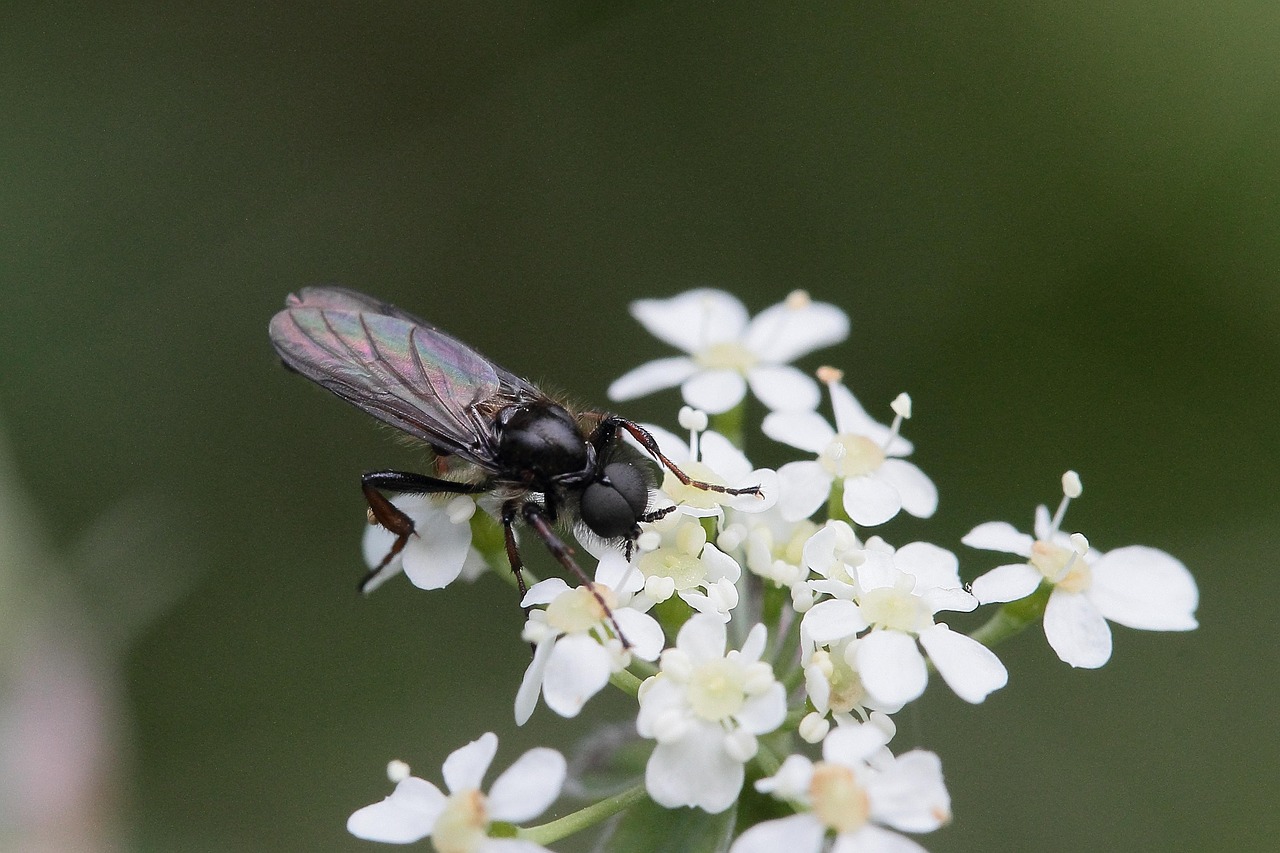
Identifying Fungus Gnats and Their Causes
Before you reach for heavy-duty outdoor power equipment or specialized garden maintenance sprays, you must confirm that your problem is indeed fungus gnats. These pests are often confused with fruit flies or whiteflies. Unlike fruit flies, which hover around ripening produce, fungus gnats are primarily found near your houseplants, darting erratically around the soil surface or resting on leaves.
Fungus gnats are small, dark, mosquito-like insects that thrive in damp environments. Their presence is almost always a diagnostic indicator of your watering habits. They are specifically attracted to moist soil that is rich in organic matter, such as peat moss or compost. If you notice these gnats, it is a clear signal that your plant’s soil is remaining too wet for too long, providing the perfect nursery for their lifecycle.
To confirm an infestation, look for these specific signs:
- Adult activity: Small, black flies crawling on the soil surface or flying immediately when the pot is bumped.
- Larval presence: Tiny, translucent larvae with black heads residing in the top one to two inches of the potting medium.
- Plant stress: Wilting, yellowing leaves, or stunted growth, which occur because the larvae feed on the plant’s fine root hairs.
The lifecycle of the fungus gnat is tied directly to the top layer of your soil. Adult females lay hundreds of eggs in damp organic material. Once hatched, the larvae feed on decaying plant matter, fungi, and—when populations are high—the roots of your houseplants. By focusing on the soil surface, you can interrupt this cycle.
The most practical home gardening solution begins with environmental control. If you have been overwatering, the soil cannot dry out sufficiently to kill the larvae. Because these pests depend on moisture to survive, the most effective way to eliminate them is to allow the top two inches of soil to dry out completely between waterings. This simple adjustment often resolves the issue without the need for harsh chemicals or complex tools. By keeping the surface layer dry, you effectively starve the larvae and prevent the next generation of adults from emerging. Always ensure your pots have adequate drainage holes to prevent water from pooling at the base, which creates a permanent breeding ground for these persistent pests.
Immediate Steps to Control the Population
When you notice fungus gnats buzzing around your houseplants, swift action is essential to stop the infestation from spreading. These pests thrive in moist, organic-rich soil, so your primary goal is to disrupt their breeding cycle while capturing the active adults.
The most effective immediate step is to deploy yellow sticky traps. Fungus gnats are naturally attracted to the color yellow, making these traps an ideal monitoring and reduction tool. Place the traps horizontally near the soil surface or vertically on stakes within the pot. As adult gnats land on the adhesive surface, you significantly reduce the number of females capable of laying new eggs, which is critical for breaking the reproductive cycle.
Simultaneously, you must alter the environment to make the soil inhospitable for larvae. Fungus gnat larvae feed on decaying organic matter in damp soil. By allowing the top two inches of your potting mix to dry out completely between waterings, you effectively dehydrate and kill the larvae before they can mature into adults.
Follow these steps to manage the population effectively:
- Check soil moisture: Before watering, insert your finger two inches deep into the soil. If it feels damp, wait another day or two. Do not adhere to a strict calendar schedule; water only when the top layer is dry.
- Position traps strategically: Place sticky traps close to the base of the plant where gnats congregate, but ensure they do not touch the foliage to avoid damaging leaves.
- Remove debris: Clear away any fallen leaves or dead plant material from the surface of the soil, as these provide a food source for developing larvae.
- Isolate infested plants: Move affected plants away from healthy ones to prevent the gnats from migrating to other pots in your collection.
Consistency is key during this phase. While sticky traps will catch the flying adults, the drying process targets the next generation currently living in the soil. By combining these two methods, you create a hostile environment that prevents the population from rebounding. Monitor your plants daily and replace the sticky traps once they become covered in gnats to ensure you are catching the maximum number of pests possible. With patience and careful moisture management, you can regain control of your indoor garden.

Effective Natural and Chemical Treatment Options
Eliminating fungus gnats requires a two-pronged approach: breaking the life cycle in the soil and trapping the flying adults. Before reaching for heavy-duty pesticides, consider these targeted, effective treatment options that prioritize plant health and home safety.
BTI-Based Products
The most reliable method for long-term control is the use of Bacillus thuringiensis israelensis (BTI). This naturally occurring bacterium specifically targets gnat larvae without harming your plants, pets, or beneficial insects. The most common form is a “mosquito dunk,” which can be crumbled into your watering can. Allow the dunk to soak in the water for several hours before using it to hydrate your plants. Consistent application over several weeks is necessary to catch new larvae as they hatch.
Hydrogen Peroxide Solution
For a quick knockdown of larvae currently living in the top layer of soil, a hydrogen peroxide drench is highly effective. Mix one part 3% hydrogen peroxide with four parts water. When applied to the soil, the solution fizzes on contact with organic matter, killing larvae instantly. This treatment is temporary and safe for most plants, though you should always test a small area first if you are concerned about sensitive root systems.
Safety and Handling Precautions
While these methods are safer than broad-spectrum insecticides, they still require careful handling to ensure your well-being. Always adhere to the following safety guidelines:
- Wear Protective Gear: Use chemical-resistant gloves when mixing solutions or handling BTI products to prevent skin irritation.
- Follow Label Instructions: Never guess at concentrations. Always read the manufacturer’s label for specific dilution ratios and application frequencies.
- Prevent Ingestion: Store all gardening treatments, including peroxide and BTI dunks, in their original, clearly labeled containers. Keep these items well out of reach of children and pets.
- Ventilation: When applying any treatment indoors, ensure the area is well-ventilated to avoid inhaling mist or dust.
By combining these treatments with yellow sticky traps to capture adult gnats, you can effectively clear your indoor garden. Remember that patience is key; because gnats have rapid life cycles, repeating these treatments is essential to ensure you have successfully broken the reproductive chain.
Preventative Maintenance for Your Houseplants
Effective long-term control of fungus gnats relies on changing the environment so it is no longer hospitable for egg-laying adults. Because these pests thrive in consistently moist soil, your primary goal is to disrupt their reproductive cycle through strategic maintenance and physical barriers.
One of the most reliable methods is to create a physical barrier on the soil surface. Fungus gnats require damp, organic-rich soil to deposit their eggs. By applying a layer of horticultural sand or decorative gravel about half an inch thick, you prevent adults from reaching the soil. Ensure the layer is complete and covers the entire surface area of the pot, as even small gaps can allow pests to infiltrate.
Adjusting your watering technique is equally vital. Instead of pouring water directly onto the topsoil, switch to bottom-watering. Place your pots in a tray or basin filled with water for 15 to 20 minutes, allowing the roots to absorb moisture through the drainage holes. This keeps the top layer of soil dry, which discourages gnats from laying eggs and helps kill off existing larvae that require moisture to survive.
Beyond soil management, you must protect your current collection from new infestations. Every time you bring a new plant into your home, perform a thorough inspection before placing it near your other greenery. Follow these steps to minimize risk:
- Inspect the undersides of leaves and the soil surface for any signs of movement or small, dark flies.
- Gently tap the pot to see if any adults fly out from the foliage.
- Isolate new arrivals in a separate room for two weeks to ensure no hidden eggs hatch.
- Check drainage holes for larvae or evidence of rotting roots, which often attract gnats.
Finally, keep your gardening tools and workspace clean. Old, damp potting mix left in bags or messy potting benches can become breeding grounds for gnats. Always store your soil in airtight containers and keep your indoor gardening area dry. By combining these preventative habits with consistent monitoring, you can maintain a thriving indoor garden that remains free from the frustration of persistent fungus gnat infestations. Regular vigilance is the most effective tool in your gardening arsenal.

Frequently Asked Questions and Follow-up Care
Eliminating fungus gnats requires patience and consistent maintenance. While you may see a reduction in adult activity within a few days of implementing traps and soil treatments, it typically takes two to three weeks to fully break the life cycle. This duration allows time for the current generation of larvae in the soil to mature and be eliminated before they can lay new eggs.
A common concern is whether these pests will kill your plants. In most cases, adult fungus gnats are merely a nuisance. However, the larvae feed on organic matter and can damage delicate root systems, especially in seedlings or weak plants. If your plant begins to yellow, wilt, or stop growing despite proper watering, the root damage may be significant.
To ensure long-term success, incorporate these habits into your routine:
- Monitor soil moisture: Allow the top two inches of soil to dry out completely between waterings to disrupt the larval environment.
- Utilize yellow sticky traps: Keep these placed near the soil surface to catch emerging adults before they reproduce.
- Inspect new additions: Always isolate new plants for two weeks to ensure they aren’t bringing an infestation into your home.
- Clean your tools: Regularly sanitize your hand trowels and pruning shears to prevent the accidental transfer of eggs or larvae between containers.
If you have maintained a strict regimen of drying the soil, using sticky traps, and applying biological controls like Bacillus thuringiensis israelensis (BTI) for more than a month without success, it may be time to seek professional help. A persistent infestation can indicate that the pests have established themselves in hard-to-reach areas, such as clogged drainage trays, damp floorboards, or organic debris hidden beneath heavy pots.
Professional arborists or local nursery experts can provide specialized soil drenches or systemic treatments that are more potent than standard home remedies. Remember that garden maintenance is a continuous process. Even after the gnats are gone, keep your outdoor power equipment and indoor gardening tools clean and dry. Consistent monitoring is the most effective way to catch a resurgence early, preventing a minor nuisance from becoming a recurring problem. By keeping your growing environment tidy and managing moisture levels carefully, you create a habitat where your plants can thrive without the constant threat of pests.

Dedicated team of gardening enthusiasts with years of hands-on experience testing lawn mowers, gardening tools, and outdoor equipment. We help home gardeners and professionals alike make informed buying decisions with honest, thorough reviews. From push mowers to pruning shears, we test it all so you don’t have to. Got a gardening tool you’d like us to review? Get in touch!