
Hydrangeas grow by developing woody stems that produce lush foliage and iconic, showy blooms during the spring and summer months. These popular shrubs thrive when planted in nutrient-rich, well-draining soil with access to partial shade. Understanding these fundamental growth habits is the key to enjoying their vibrant, long-lasting flowers in your garden year after year.
While hydrangeas are relatively resilient, they require specific environmental conditions to reach their full potential. Growth rates vary significantly depending on the variety, climate, and local soil pH levels, which can even influence the color of the petals. Setting realistic expectations about their seasonal rhythm helps you provide the consistent care necessary for healthy, vigorous development.
This comprehensive guide explains exactly how these versatile shrubs develop throughout the changing seasons. We will walk you through the essential requirements for success, including proper watering techniques, optimal sunlight exposure, and timing for seasonal pruning. Follow these practical tips to master hydrangea care and ensure your garden remains a stunning, blooming sanctuary every single year.

Understanding the Hydrangea Growth Cycle
Hydrangeas are deciduous shrubs that adhere to a predictable seasonal rhythm. Understanding this cycle is the secret to ensuring your plant produces a reliable display of blooms year after year. By aligning your maintenance with their natural progression, you avoid the common mistake of pruning away next season’s flower buds.
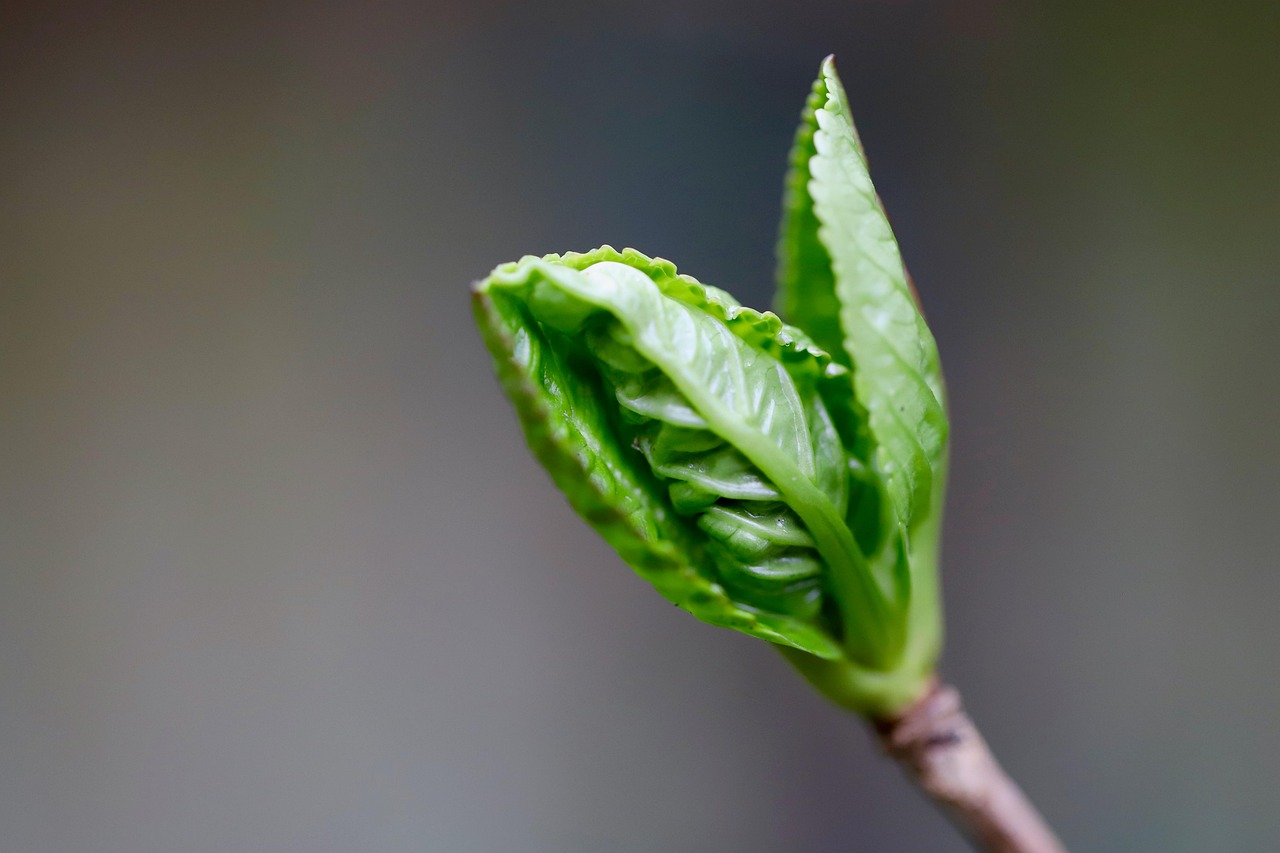
The cycle begins in early spring as temperatures rise. The plant breaks dormancy, pushing out fresh green foliage and developing the structural growth that will support its flowers. During this phase, the plant requires consistent moisture to establish its canopy.
As summer arrives, hydrangeas reach their peak, producing the lush, colorful blooms for which they are prized. This is a period of high energy consumption, so keep the soil evenly moist and avoid letting the plant wilt during intense heat waves.
As autumn approaches, the plant begins its transition into dormancy. Growth slows, and the energy shifts from the leaves and flowers down into the root system to prepare for winter. You will notice the foliage fading, which is a natural signal that the plant is winding down.
To keep your hydrangea healthy throughout this cycle, follow these timing guidelines:
- Early Spring: Remove dead or damaged wood only after new growth appears. This allows you to distinguish between living stems and those that did not survive the winter.
- Mid-Summer: Deadhead spent blooms if desired to keep the plant tidy, but avoid heavy pruning.
- Late Autumn: Leave dried flower heads on the plant. They provide winter interest and offer a layer of natural protection for the developing buds located lower on the stems.
Most importantly, know your specific hydrangea variety. Some types, like the popular Bigleaf hydrangea (Hydrangea macrophylla), set their buds on “old wood” during the previous summer. Pruning these in late winter or spring will eliminate your flowers for the coming year. Always wait until immediately after flowering to prune these varieties, ensuring you never accidentally cut off next year’s potential display.
Essential Environmental Factors for Growth
To successfully grow vibrant hydrangeas, you must balance light, soil quality, and moisture. Understanding these environmental requirements is the foundation for healthy, long-lasting blooms.
Most hydrangea varieties perform best when positioned in a spot that receives bright morning sunlight but is shielded by afternoon shade. Intense midday heat can quickly dehydrate the plant, causing the leaves to wilt or scorch. If you live in a particularly hot climate, prioritize a location that offers dappled shade throughout the day to protect the foliage.
Soil quality is equally critical. Hydrangeas thrive in rich, loamy earth that drains well but retains enough moisture to prevent the roots from drying out completely. If your soil is heavy clay or sandy, you can improve its structure by incorporating organic matter. Mixing in generous amounts of well-aged compost or leaf mold provides essential nutrients and helps the soil hold consistent moisture, which is vital for the plant’s structural development and bloom production.
To ensure your hydrangeas have the best environment for growth, follow these practical steps:
- Test your soil drainage: Ensure water does not pool around the base of the plant, as hydrangeas dislike “wet feet” and may develop root rot in waterlogged conditions.
- Amend with organic matter: Add two to three inches of compost to the planting area annually to improve soil texture and nutrient density.
- Monitor moisture levels: Check the soil regularly during the growing season. If the top inch feels dry to the touch, it is time to water deeply at the base of the plant.
- Apply mulch: Use a layer of organic mulch, such as shredded bark or pine needles, around the base. This helps regulate soil temperature and keeps moisture from evaporating too quickly during summer heatwaves.
By mimicking their natural woodland-edge habitat—cool, moist, and nutrient-rich—you create the ideal conditions for your hydrangeas to flourish year after year. Consistent care in these areas will minimize stress and encourage the lush, full growth these shrubs are known for.
The Role of Soil pH in Bloom Color
One of the most captivating traits of bigleaf hydrangeas (Hydrangea macrophylla) is their ability to change bloom color based on the chemistry of the soil. This phenomenon occurs because the availability of aluminum ions in the soil shifts depending on the pH level, which the plant then absorbs through its roots.
In acidic soil, which typically has a pH below 6.0, aluminum becomes readily available to the plant. This process results in vibrant, deep blue flowers. Conversely, in alkaline soil with a pH above 7.0, the plant struggles to absorb aluminum, causing the blooms to turn pink. When the soil pH sits somewhere in the middle, you may see a mix of purple or muted lavender tones.
If you want to influence the color of your hydrangeas, you can amend your soil, though it is important to proceed with caution to avoid damaging the plant. Follow these practical steps to manage your soil profile:
- Test before you treat: Use a simple home soil test kit to determine your current pH level before adding any amendments.
- To encourage blue blooms: Apply aluminum sulfate or organic matter like pine needles and peat moss to increase acidity.
- To encourage pink blooms: Add garden lime (calcium carbonate) to raise the pH and decrease aluminum availability.
- Be patient: Soil chemistry changes slowly. It may take an entire growing season or longer to see a noticeable shift in flower color.
Keep in mind that white-flowered hydrangea varieties, such as ‘Annabelle’ or ‘PeeGee,’ are generally not affected by soil pH and will remain white regardless of the soil conditions. Additionally, always prioritize the overall health of the plant over color manipulation. Hydrangeas require consistent moisture and well-draining soil to thrive. If you choose to adjust your soil chemistry, do so gradually to ensure you do not shock the root system or alter the nutrient balance too drastically, which could hinder the plant’s fundamental growth and vigor.
Safe Pruning and Maintenance Practices
Proper pruning is essential for stimulating healthy hydrangea growth, but safety must remain your top priority. Using the right tools and techniques ensures that your shrubs recover quickly while protecting you from injury.
Always use sharp, clean bypass pruners for your maintenance tasks. Dull blades crush stems rather than slicing through them, which leaves the plant vulnerable to disease. A clean, sharp cut heals rapidly, minimizing stress on the hydrangea.
Follow these safety guidelines to maintain your garden effectively:
- Wear protective gear: Always wear durable gardening gloves to protect your hands from hidden thorns, sharp debris, or potential skin irritants found on mature stems.
- Ensure stable footing: When using long-reach loppers to trim higher branches, verify that your feet are firmly planted on level ground. Never overreach; instead, reposition your ladder or yourself to stay balanced.
- Control your tools: Keep all sharp edges pointed away from your body at all times. When working with loppers, be mindful of the swing radius to avoid accidental contact with your limbs.
- Avoid power equipment: Steer clear of power tools like hedge trimmers for delicate shrub maintenance. Manual hand tools provide superior precision, allowing you to remove specific stems without causing structural damage to the plant.
Before making any cuts, take a moment to observe the plant’s architecture. Identify dead, damaged, or diseased wood first, as removing these stems is always the safest starting point. By focusing on selective, manual pruning, you maintain better control over the shape and vigor of your hydrangeas.
Finally, keep your tools clean by wiping the blades with rubbing alcohol between plants. This simple step prevents the accidental spread of pathogens from one shrub to another. By prioritizing safety and precision, you create an environment where your hydrangeas can thrive for many seasons to come.

Common Questions and Long-Term Care
A common frustration for gardeners is a hydrangea that refuses to bloom. In most cases, this failure is caused by improper pruning timing. If you prune your shrubs in late summer or fall, you may be accidentally removing the flower buds for the following year. Hydrangeas that bloom on “old wood” set their buds during the previous season; therefore, they should only be pruned immediately after their flowers fade in the summer.
Extreme winter cold can also damage developing buds, particularly on sensitive mophead varieties. To protect your plants and ensure long-term success, follow these essential care practices:
- Mulching: Apply a two-to-three-inch layer of organic mulch, such as shredded bark or pine needles, around the base of the plant. This regulates soil temperature, retains moisture, and protects the root system from harsh winter freezes.
- Watering: Hydrangeas thrive on deep, infrequent watering. Aim to provide about one inch of water per week, focusing on the base of the plant rather than the foliage to prevent fungal issues. During prolonged dry spells, increase your watering frequency to keep the soil consistently moist but not waterlogged.
If you notice persistent yellowing leaves (chlorosis) or stunted growth despite providing adequate water and proper pruning, the issue may lie beneath the surface. These symptoms often point to specific soil nutrient deficiencies—such as a lack of iron or magnesium—or an incorrect soil pH level, which dictates whether the plant can absorb available nutrients.
Local environmental factors, including regional pests or soil pathogens, can also impact plant health. If your hydrangea continues to struggle despite your best efforts, reach out to your local university cooperative extension office. These experts can provide soil testing services and specific advice tailored to your region’s climate and common plant diseases. Alternatively, consulting a certified arborist can help you rule out complex issues and restore your garden’s vitality.

Dedicated team of gardening enthusiasts with years of hands-on experience testing lawn mowers, gardening tools, and outdoor equipment. We help home gardeners and professionals alike make informed buying decisions with honest, thorough reviews. From push mowers to pruning shears, we test it all so you don’t have to. Got a gardening tool you’d like us to review? Get in touch!