
Mophead hydrangeas typically grow between three to six feet tall and wide at maturity. Understanding the mature size of these popular shrubs is essential for successful garden design and long-term landscape planning. Knowing their specific growth habits helps you choose the perfect spot to ensure they thrive without overcrowding your outdoor space.
While many varieties remain compact, some vigorous cultivars can easily exceed six feet if left unpruned in ideal conditions. Factors like soil quality, climate, and consistent hydration significantly influence how large your specific plant will become over time. Setting realistic expectations early prevents the common mistake of planting them too close to structures.
In this guide, we provide practical advice on managing your hydrangea’s size through proper placement and strategic pruning techniques. You will learn how to select the right cultivar for your garden layout and discover essential maintenance tips to keep your shrubs healthy. Follow these expert recommendations to enjoy lush, vibrant blooms without overwhelming your garden beds.

Typical Size Ranges for Mophead Hydrangeas
Most mophead hydrangeas (Hydrangea macrophylla) typically reach a mature height and width of 3 to 6 feet. Because they are vigorous growers, they often require significant space to reach their full potential without needing constant pruning. Understanding these dimensions before planting ensures you place them where they won’t crowd walkways, windows, or other garden features.
While the standard range is 3 to 6 feet, your specific plant’s ultimate size depends largely on its genetics and growing conditions. Keep these general categories in mind when planning your landscape:
- Compact Cultivars: Modern breeding has produced “dwarf” varieties specifically designed for smaller gardens or containers. These often stay well under 3 feet tall and wide, making them ideal for tight spaces.
- Standard Varieties: Most classic mopheads fall into the 3 to 5-foot range. These are versatile shrubs that work well in foundation plantings or mixed borders.
- Vigorous Growers: Older, established varieties planted in ideal, nutrient-rich soil with consistent moisture can occasionally exceed 6 feet. In mild climates with long growing seasons, these shrubs can become quite substantial.
It is important to remember that these size ranges represent the plant at maturity, which typically takes three to five years. If you plant a young shrub too close to a structure, it may look perfectly sized at first but become overgrown within a few seasons.
Always check the specific plant tag or the nursery description for the expected dimensions of your chosen variety. Tags provide the most accurate guidance for that specific cultivar’s growth habit. If you are shopping online, look for the “mature size” specifications listed on the product page. Proper spacing at the time of planting prevents future overcrowding, reduces the need for heavy pruning, and promotes better airflow, which helps keep your hydrangeas healthy and resistant to common fungal issues like powdery mildew.
Factors Influencing Growth and Spread
While the genetic makeup of your mophead hydrangea (Hydrangea macrophylla) sets a baseline for its mature size, environmental conditions ultimately determine whether the plant reaches its full potential. Understanding these variables helps you manage expectations for your garden layout.
Soil quality is the most critical driver of growth. These shrubs thrive in rich, loamy, well-draining soil packed with organic matter. If your soil is sandy or heavily compacted clay, the root system will struggle to intake nutrients, often resulting in a stunted shrub that fails to reach its expected height or width.
Moisture availability also dictates expansion. Mophead hydrangeas are thirsty plants; they require consistent moisture to support their large, lush foliage and heavy blooms. During dry spells, growth often slows significantly. If the plant is frequently stressed by drought, it will likely remain smaller than the dimensions listed on a nursery tag.
Several other practical factors influence the final spread of your hydrangea:
- Sunlight Exposure: While they prefer partial shade, too little light can lead to “leggy” growth as the plant stretches toward the sun, while too much direct afternoon heat can scorch leaves and limit overall vigor.
- Climate and Hardiness Zones: Mopheads perform best in zones 5 through 9. In colder regions, winter dieback can prune the plant for you, keeping it smaller than it would be in a milder climate.
- Nutrient Management: A balanced, slow-release fertilizer applied in early spring provides the energy needed for robust stem and foliage development. Avoid over-fertilizing with high-nitrogen formulas, which may encourage excessive leaves at the expense of flowers.
- Pruning Habits: Because mopheads bloom on “old wood,” improper pruning—cutting back too late in the season—can remove future flower buds and alter the shrub’s natural shape and size.
By optimizing these conditions, you provide the foundation for your hydrangea to grow into a healthy, full-sized specimen. Always ensure you have allowed enough space at planting time to accommodate the shrub’s maximum potential spread.
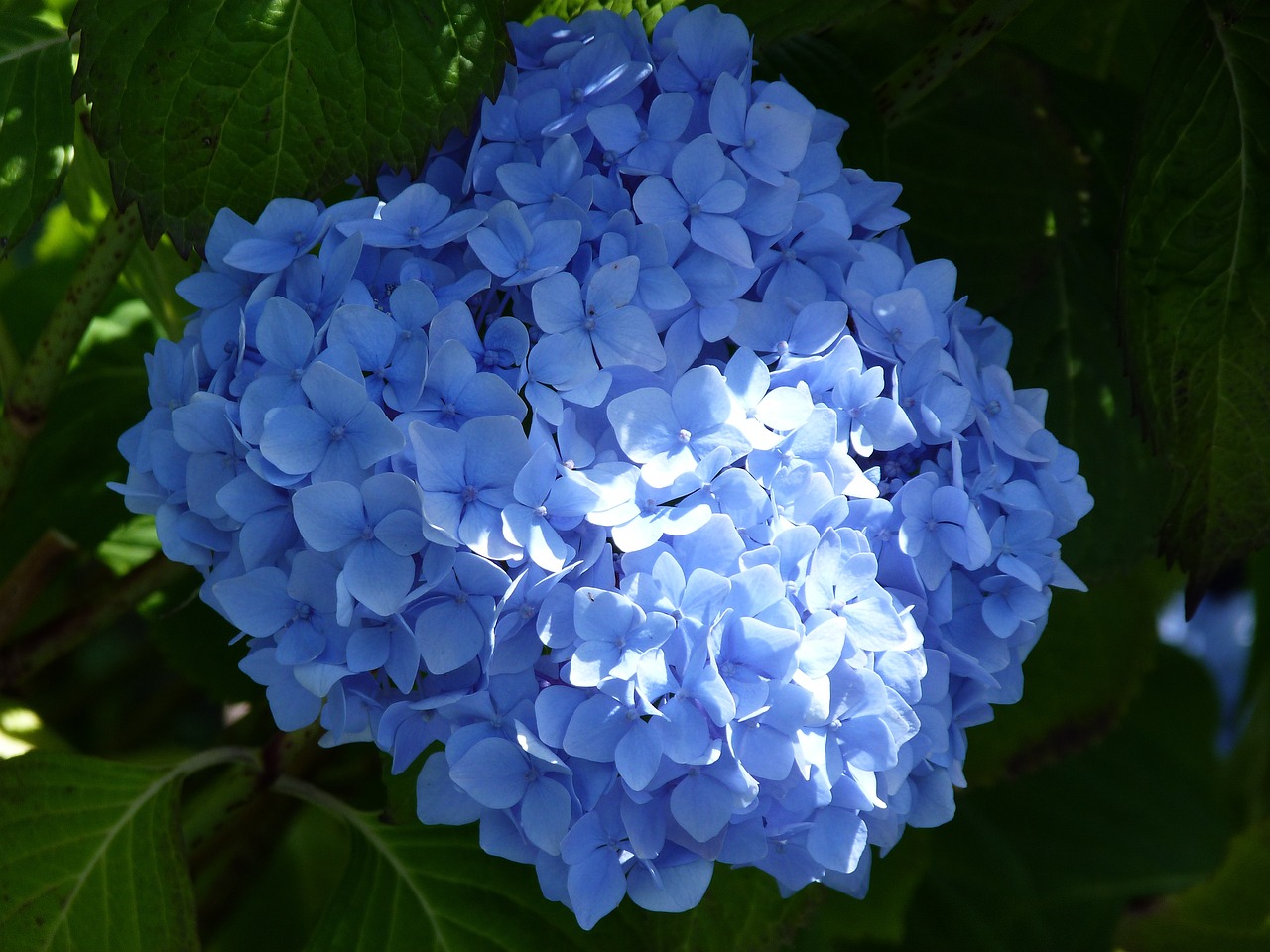
Strategic Spacing for Healthy Development
Proper spacing is the foundation of a thriving hydrangea display. Because mophead hydrangeas (Hydrangea macrophylla) can reach widths of 4 to 6 feet at maturity, failing to provide enough room leads to significant long-term maintenance issues. When plants are crowded, they compete for nutrients and water, but more importantly, their foliage fails to dry out efficiently after rain or irrigation.
Poor air circulation trapped between dense, overlapping leaves creates the perfect environment for fungal diseases. Powdery mildew—characterized by a white, dusty coating on leaves—is a common consequence of overcrowding. To ensure your hydrangeas remain healthy and vibrant, follow these spacing guidelines:
- Measure from center to center: When planting multiple shrubs, measure 4 to 5 feet from the center of one plant to the center of the next.
- Respect the drip line: Remember that a hydrangea’s roots typically extend as far as its branches. Providing space ensures the root system has adequate access to soil moisture and oxygen.
- Account for mature size: While a young hydrangea may look small in a large garden bed, resist the urge to plant them closer together for an “instant” full look. They will naturally expand to fill that space within three to five years.
If you are planting near a structure, such as a wall or foundation, maintain a distance of at least 3 feet from the building. This gap prevents water from splashing against the siding and allows for easier access when you need to prune or apply mulch.
By giving your mophead hydrangeas the physical space they require, you encourage a symmetrical, rounded habit that showcases their signature blooms. Proper spacing reduces the need for heavy pruning to control size and keeps your plants naturally resistant to common garden pathogens. When in doubt, always lean toward providing more space rather than less; your hydrangeas will reward your restraint with better airflow and more prolific flowering.
Safety Tips for Pruning and Maintenance
Maintaining your mophead hydrangeas requires more than just knowing when to prune; it demands a focus on personal safety and tool hygiene. By following a few simple protocols, you can protect both your plants and yourself while ensuring your garden thrives.
Always use sharp, clean bypass pruners for your maintenance tasks. Dull blades crush delicate stems rather than slicing through them, which leaves the plant vulnerable to disease. A clean cut ensures the hydrangea heals quickly, reducing the risk of infection at the wound site.
To keep yourself safe while working, follow these essential guidelines:
- Wear gardening gloves: Stiff stems and hidden debris can easily scratch or irritate your skin. Thick gloves provide a necessary barrier.
- Use safety glasses: If you are clearing out dense, woody interior branches, wear protective eyewear to prevent eye injury from snapping twigs or flying wood chips.
- Choose the right tool: Never force your pruners through thick wood. If a branch resists your hand pruners, it is time to switch to a small pruning saw.
- Prioritize body mechanics: Always cut away from your body. This simple habit prevents accidental injury if your tool slips or the branch gives way unexpectedly.
When pruning, inspect the base of the shrub for dead or damaged wood. Removing these sections improves airflow throughout the plant, which is vital for preventing fungal issues like powdery mildew. If you encounter a branch that is too large to cut comfortably, do not strain your wrists. Instead, make the cut in smaller, manageable sections or use a lopper for better leverage. Keeping your tools well-maintained by wiping the blades with rubbing alcohol between plants also prevents the accidental spread of pathogens from one shrub to another.
By treating your tools with care and staying mindful of your physical safety, you create a sustainable routine that keeps your mophead hydrangeas healthy and your gardening experience enjoyable.

Managing Size and Common Care Questions
Mophead hydrangeas (Hydrangea macrophylla) typically reach heights and widths of 3 to 6 feet, depending on the cultivar. If your shrub begins to outgrow its designated space, you can effectively manage its size through careful, timely pruning. Because mopheads bloom on “old wood”—meaning the buds for next year’s flowers are formed during the previous summer—timing is critical.
To control the size of your plant without sacrificing next year’s blooms, follow these guidelines:
- Prune immediately: Trim your hydrangea right after the flowers begin to fade in mid-to-late summer. Waiting until autumn or winter will result in cutting off the developing flower buds, leading to a bloom-free season the following year.
- Focus on maintenance: Remove only the spent flower heads and any dead, damaged, or diseased branches. If the shrub is significantly overgrown, you can remove up to one-third of the oldest stems at the base to encourage new, vigorous growth.
- Avoid severe pruning: Never shear the entire plant like a hedge. This removes the old wood necessary for flowering and can stress the plant, making it more susceptible to pests.
Beyond pruning, consistent moisture is the secret to a healthy, well-sized hydrangea. These plants prefer consistently moist, well-draining soil. During hot, dry spells, a deep weekly watering is far more effective than frequent, shallow sprinkles. Applying a 2-to-3-inch layer of organic mulch around the base will help retain soil moisture and suppress competing weeds, reducing the need for constant maintenance.
If you are unsure about how to prune a specific variety, or if the plant appears stunted, yellowed, or diseased despite providing adequate water and light, do not hesitate to seek expert advice. Contact your local cooperative extension office or consult a professional arborist. They can provide specific guidance tailored to your local climate and soil conditions, ensuring your hydrangea remains a vibrant, manageable focal point in your landscape for years to come.

Dedicated team of gardening enthusiasts with years of hands-on experience testing lawn mowers, gardening tools, and outdoor equipment. We help home gardeners and professionals alike make informed buying decisions with honest, thorough reviews. From push mowers to pruning shears, we test it all so you don’t have to. Got a gardening tool you’d like us to review? Get in touch!