
To care for an aloe vera indoor plant, provide it with at least six hours of bright, indirect sunlight daily and water only when the top two inches of soil are completely dry. This popular succulent is beloved for its medicinal properties and low-maintenance nature, making it a perfect addition to your home.
While aloe vera is famous for being hardy, it is not invincible. Many indoor gardeners struggle because they inadvertently overwater their plants, leading to root rot. Understanding that this species is a desert succulent helps you set realistic expectations for its care, ensuring you prioritize drainage and light over frequent attention.
This guide covers the essential steps to help your indoor aloe thrive throughout the year. We will walk you through everything from selecting the right potting mix to mastering proper watering techniques. Follow these practical tips to keep your plant healthy, vibrant, and ready to provide soothing relief whenever you need it.

Ideal Light and Temperature Conditions
Aloe vera plants are desert succulents that thrive when provided with the right balance of light and warmth. To mimic their natural habitat, place your plant in a spot that receives plenty of bright, indirect sunlight. A south or west-facing window is generally the ideal location, as these areas provide the consistent light levels necessary for healthy growth.
Monitoring your plant’s physical appearance is the best way to determine if it is receiving the correct amount of light. Use these visual cues to adjust its placement:
- Brown or scorched leaves: This indicates the plant is receiving too much intense, direct sunlight. Move it a few feet away from the window or use a sheer curtain to filter the light.
- Pale, thin, or droopy leaves: This is a sign that your aloe is not getting enough light. Gradually move it to a brighter location to help the leaves regain their strength and vibrant green color.
Temperature management is equally important for long-term health. Aloe vera prefers moderate indoor temperatures, ideally between 55 and 80 degrees Fahrenheit (13 to 27 degrees Celsius). While they are quite resilient, they are not frost-tolerant and should be kept away from cold drafts, air conditioning vents, or heating units.
Consistency is key when it comes to environmental conditions. Avoid placing your aloe in areas with extreme temperature fluctuations, such as near a drafty entryway or directly over a radiator. If you keep your plant in a room that gets chilly at night, ensure it is not touching a cold windowpane, as this can cause localized damage to the leaves. By maintaining a stable, warm environment with bright, diffused light, you will create the perfect foundation for your aloe vera to grow thick, succulent leaves and remain healthy throughout the year.
Watering and Soil Requirements
The most frequent mistake new aloe vera owners make is overwatering. As a succulent, aloe stores water in its thick, fleshy leaves, making it highly susceptible to root rot if left in saturated soil. To keep your plant healthy, you must prioritize proper drainage over a strict watering schedule.
Always check the moisture level before reaching for your watering can. Insert your finger about two inches deep into the soil. If you feel any dampness, wait a few more days. Only when the top two inches of soil are completely dry should you provide more water. During the winter months, when growth naturally slows, you can reduce watering even further, as the plant requires less hydration during its dormant phase.
Your choice of pot and soil is just as critical as your watering habits. To ensure your aloe thrives indoors, follow these essential requirements:
- Use drainage holes: Never plant an aloe in a container without drainage holes at the bottom. Without them, excess water collects at the base, leading to rapid root decay.
- Choose the right mix: Standard potting soil holds too much moisture. Always use a dedicated cactus or succulent potting mix. These blends contain coarse materials like perlite, pumice, or sand, which allow water to flow through the pot quickly.
- Drench and drain: When it is time to water, soak the soil thoroughly until water runs out of the drainage holes. Once the excess has stopped dripping, empty the saucer beneath the pot immediately. Never let your aloe sit in a pool of standing water.
By mimicking the arid conditions of their natural habitat, you protect your aloe from the most common causes of indoor decline. Consistency in allowing the soil to dry out, combined with a porous potting medium, will ensure your plant stays firm, vibrant, and healthy for years to come.

Pruning and Maintenance Safely
Pruning is a vital part of maintaining a healthy aloe vera plant. Over time, lower leaves may turn brown, shrivel, or become damaged. Removing these spent leaves allows the plant to redirect its energy toward new, vibrant growth rather than attempting to sustain dying tissue.
Before you begin, gather the necessary equipment. Always use clean, sharp garden shears or a sterilized knife. Dull blades can crush the plant fibers, creating jagged wounds that are more susceptible to rot and bacterial infections. If you do not have shears, a sharp kitchen knife wiped down with rubbing alcohol is a suitable alternative.
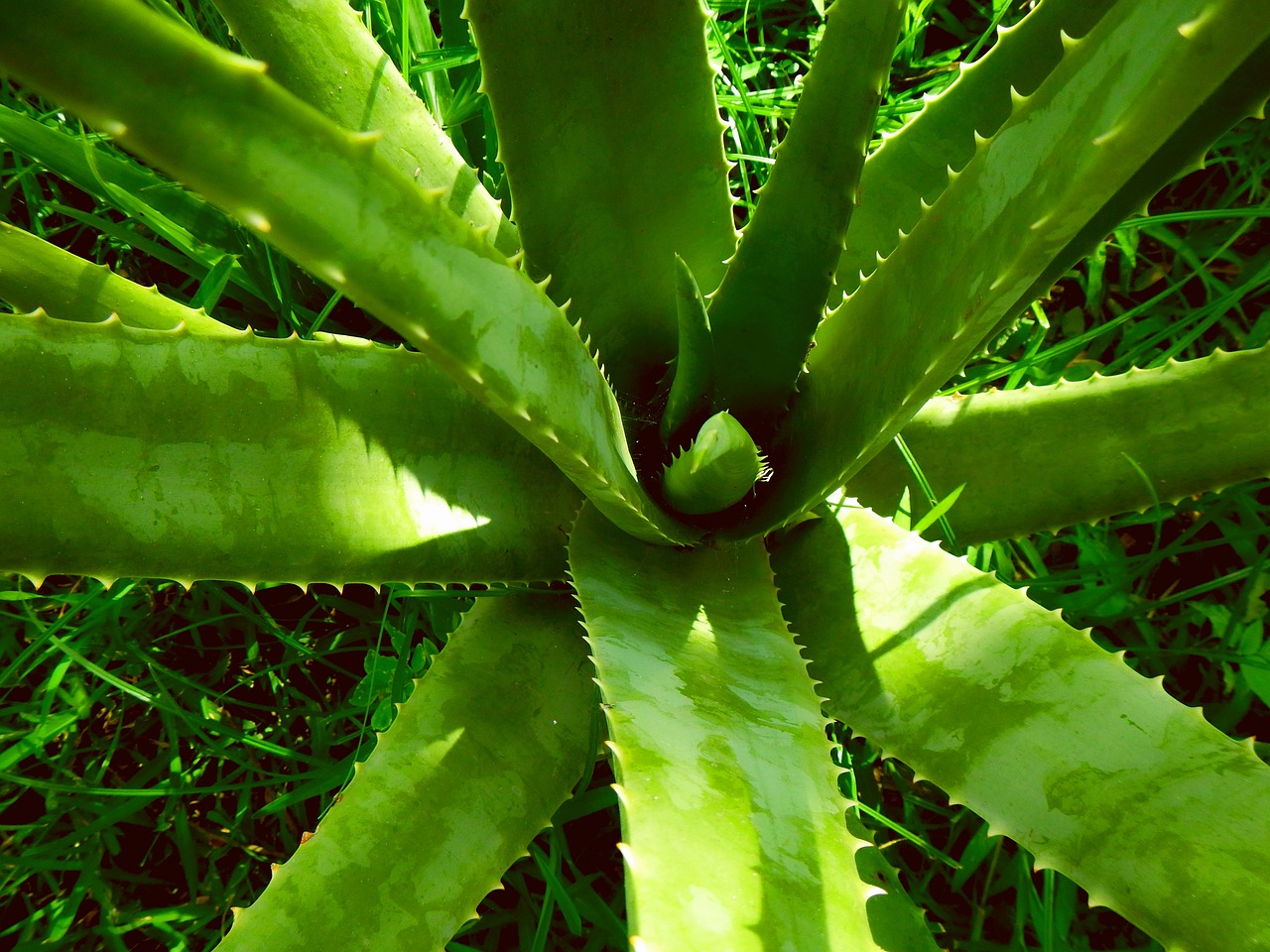
Safety should be your top priority during the process. Aloe vera leaves often feature serrated, spiky edges that can scratch the skin. Additionally, the clear sap inside the leaves can cause mild irritation for some individuals. To protect yourself, follow these precautions:
- Wear thick gardening gloves to shield your hands from sharp leaf margins.
- Work on a stable, flat surface to ensure you have full control over your tools.
- Make clean, horizontal cuts as close to the main stem as possible without damaging the central stalk.
- Allow the cut area to callous over naturally for a day or two; avoid watering the plant immediately after pruning to prevent moisture from entering the fresh wound.
Once you have finished pruning, sanitize your tools immediately. Because aloe vera sap can be toxic if ingested by cats, dogs, or small children, it is essential to store your shears in a secure location out of reach. Keep the plant in a safe spot while the cut sites heal, ensuring it remains in a well-ventilated area with bright, indirect light. By following these simple maintenance steps, you keep your aloe vera looking tidy while promoting long-term structural health and vigor.
Repotting Your Aloe Vera
Even with slow growth, your aloe vera will eventually outgrow its container. When you notice roots circling the drainage holes or the plant becoming top-heavy, it is time to upgrade to a new home. Choosing the right pot is critical to preventing root rot and ensuring long-term health.
Select a container that is only one size larger—typically one or two inches wider in diameter—than the current one. If the pot is too large, it will hold excess moisture, which can lead to fungal issues. Ensure the new pot has adequate drainage holes, as aloe vera cannot tolerate sitting in water.
Follow these steps for a successful transition:
- Prepare the plant: Gently turn the pot on its side and slide the aloe out. Avoid pulling by the leaves, which can snap easily.
- Loosen the roots: Use your fingers to carefully tease apart the root ball, removing as much of the old, depleted soil as possible.
- Use the right medium: Fill the new pot with a high-quality succulent or cactus potting mix. These blends are specifically formulated to provide the drainage and aeration your plant needs.
- Plant at the same depth: Place the aloe in the new pot, ensuring it sits at the same depth it was previously planted. Burying the leaves can cause them to rot.
One of the most important rules of repotting is to resist the urge to water immediately. The process of moving an aloe plant inevitably causes minor damage to the root system. If you water right away, those fresh wounds can quickly succumb to rot. Instead, wait three to five days before giving the plant its first drink. This “dry period” allows the roots to callous over and settle into their new environment, significantly increasing the chances that your aloe will thrive in its new container. Once that waiting period is over, resume your normal, infrequent watering schedule.
Common Questions and Troubleshooting
Even with the best intentions, your aloe vera may occasionally show signs of distress. Understanding these physical cues is the first step toward restoring your plant’s health.
If you notice your aloe leaves becoming mushy, soft, or translucent, you are likely overwatering. Aloe vera is a succulent that stores water in its leaves and requires the soil to dry out completely between waterings. If the soil remains soggy, the roots can quickly succumb to rot.
Conversely, if your plant’s leaves are curling, thinning, or developing deep wrinkles, it is likely dehydrated. While aloe is drought-tolerant, it still needs occasional deep watering to stay plump and vibrant. Ensure you are watering thoroughly until the moisture runs out of the drainage holes, then wait until the top two inches of soil are dry before watering again.
Pests can also occasionally affect indoor aloe plants. If you spot white, cotton-like clusters, you are likely dealing with mealybugs. You can manage this by following these simple steps:
- Gently wipe the affected leaves with a soft cloth dampened with water.
- For persistent infestations, use a mild solution of water and a few drops of gentle dish soap.
- Always isolate the plant from your other greenery to prevent the pests from spreading.
Environmental factors, such as light levels or temperature fluctuations, can also impact your plant. If your aloe is leaning heavily, it may be stretching toward a light source and needs to be moved to a brighter, sunnier window.
If you have adjusted your watering habits, checked for pests, and provided adequate light, but the plant continues to show signs of decay, do not hesitate to consult a local nursery. Professional advice can help identify specific issues, such as fungal infections or soil nutrient imbalances, that might require more specialized attention. With consistent care and observation, most aloe plants can recover and thrive for many years.

Dedicated team of gardening enthusiasts with years of hands-on experience testing lawn mowers, gardening tools, and outdoor equipment. We help home gardeners and professionals alike make informed buying decisions with honest, thorough reviews. From push mowers to pruning shears, we test it all so you don’t have to. Got a gardening tool you’d like us to review? Get in touch!