
You should plant Chionodoxa bulbs in the autumn, ideally between September and November, before the ground freezes. This specific timing is crucial because these resilient, early-spring bloomers require a period of cold dormancy to establish their root systems properly and ensure they return to brighten your garden year after year.
While Glory of the Snow is famously hardy and easy to grow, success depends on providing the right environment during this critical planting window. These bulbs thrive in well-draining soil and appreciate a spot that receives plenty of sunlight in early spring. Understanding these environmental needs helps set realistic expectations for your display.
This guide provides all the practical guidance you need to achieve a stunning floral carpet in your landscape. We will walk you through the ideal planting depth, proper spacing techniques, and essential care tips to help your bulbs thrive. Follow these steps to ensure your Chionodoxa bulbs get the best possible start this season.
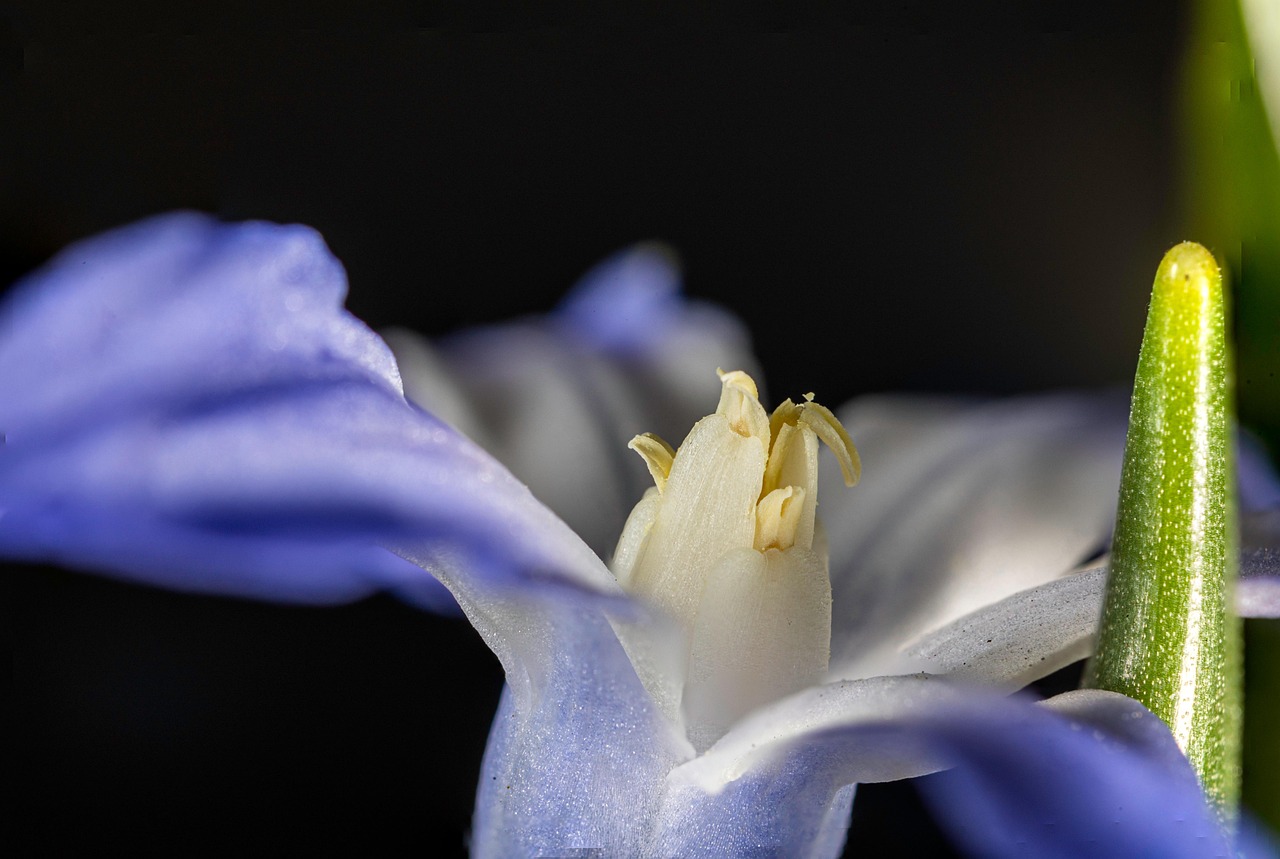
The Ideal Planting Window for Chionodoxa
To ensure a vibrant display of Chionodoxa, also known as Glory of the Snow, timing is everything. These hardy perennials rely on a period of cold dormancy to trigger their spring growth cycle. Because they require this chilling period to bloom effectively, you must get them into the ground well before the harsh winter temperatures arrive.
The ideal window for planting Chionodoxa bulbs is during the autumn months, specifically from September through November. The goal is to complete your planting while the soil remains workable, typically several weeks before the ground freezes solid. If you live in a region with an early, hard frost, aim to finish your planting by mid-October to give the bulbs the best head start.
Planting during this fall window provides several key advantages for your garden:
- Root Development: Cool soil temperatures encourage the bulbs to establish a strong, healthy root system without triggering premature foliage growth.
- Energy Storage: A well-established root system allows the bulb to absorb necessary nutrients, ensuring it has the energy required to push through the soil as soon as the snow melts.
- Natural Chilling: By placing bulbs in the ground in autumn, you allow them to experience the natural, fluctuating temperatures of winter, which is essential for breaking their dormancy.
Avoid the temptation to plant these bulbs in the spring. If you attempt to plant them once the ground thaws, the bulbs will likely fail to bloom during their first season because they missed the required cold-dormancy phase. If you find yourself holding bulbs past the late autumn deadline, it is safer to store them in a cool, dry, and dark location until the following fall rather than planting them into frozen or waterlogged winter soil.
By respecting this autumn planting schedule, you set the stage for a reliable, early-spring carpet of star-shaped flowers that will naturalize and return to your garden year after year.
Selecting the Right Planting Site
Choosing the ideal location is the most important step to ensure your Chionodoxa (Glory of the Snow) bulbs thrive. These resilient perennials are highly adaptable, but they perform best when placed in areas that receive full sun to partial shade. Because they bloom early in the spring, planting them under deciduous trees is an excellent strategy; the bulbs get plenty of sunlight before the tree canopy fills in, and they remain cool once the weather warms.
Before you dig, assess your soil quality. Chionodoxa bulbs require well-draining soil to prevent rot during the dormant winter months. If your garden consists of heavy clay, the bulbs may sit in excess moisture, which often leads to decay. You can easily improve your soil structure by mixing in organic matter, such as high-quality compost or leaf mold, to create a looser, better-draining environment.
Consider these versatile locations for your bulbs:
- Lawns: Chionodoxa are perfect for naturalizing in grass. Plant them in drifts to create a carpet of color before the first lawn mowing of the season.
- Rock Gardens: Their compact size makes them ideal for tucking into crevices or along the edges of stone pathways.
- Borders: Group them at the front of perennial beds where their early blooms can signal the arrival of spring.
When selecting your site, keep in mind that these plants are best appreciated when grouped together. Rather than spacing them individually, plant them in clusters of ten or more. This creates a natural, meadow-like appearance that mimics their native habitat. Avoid areas where water pools after heavy rain, such as the bottom of a slope or near downspouts, as these spots will likely prove fatal to the bulbs. By matching these simple environmental needs, you ensure your Chionodoxa will return and multiply year after year, providing a reliable burst of early-season color to your landscape.
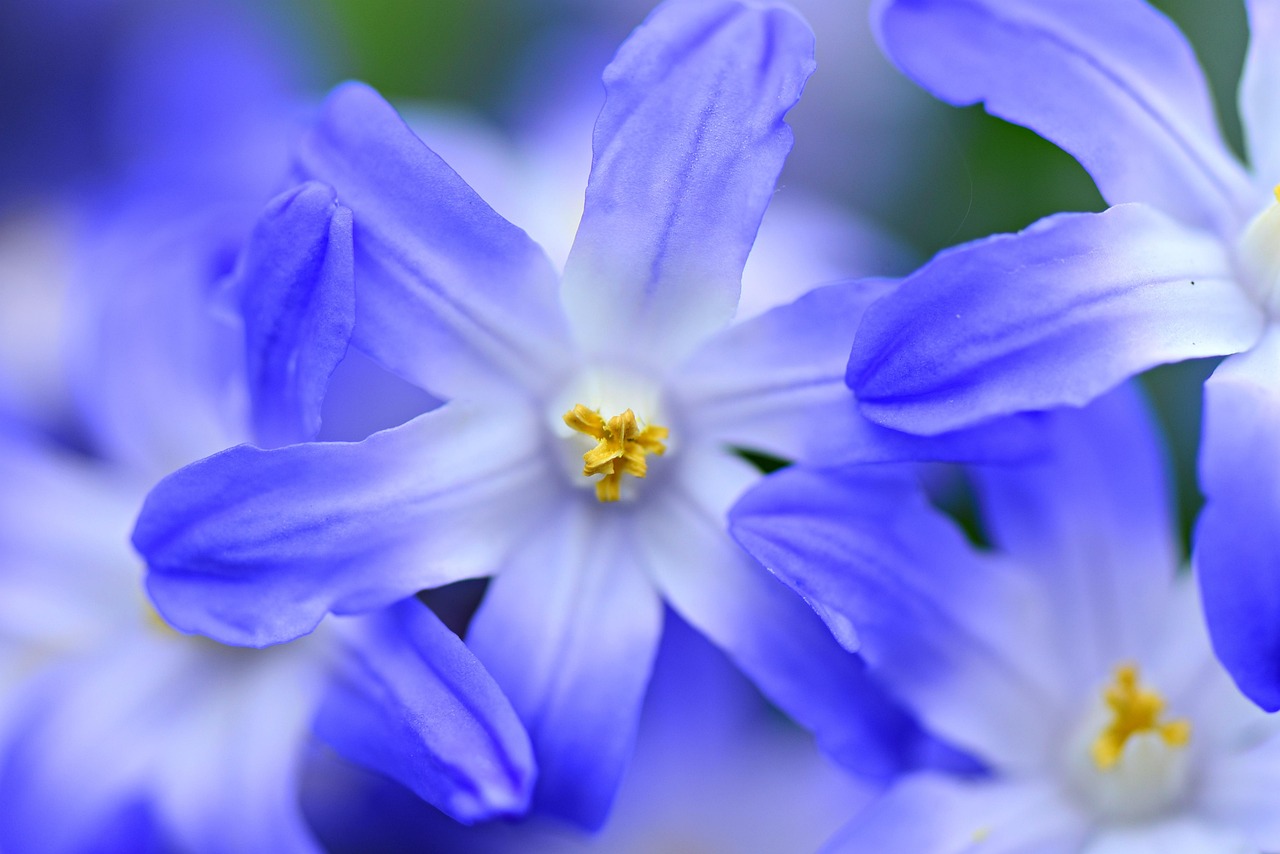
Safety and Tools for Bulb Planting
Successfully planting Chionodoxa bulbs begins with the right equipment and a focus on personal safety. Because these bulbs are relatively small, you do not need heavy-duty machinery. A sturdy hand trowel or a dedicated bulb planter is usually sufficient to create the precise, shallow holes required for these spring-blooming beauties.
When working in the soil, protection is essential. Always wear durable gardening gloves. These act as a necessary barrier, shielding your skin from sharp rocks, hidden debris, or potential irritants found in the garden bed. If your soil is particularly heavy or compacted, you may consider using a mechanical bulb auger attached to a power drill. If you choose this method, prioritize eye protection by wearing safety glasses to prevent flying soil or grit from causing injury.
To ensure a smooth and safe planting experience, follow these practical guidelines:
- Clear your workspace: Before you begin, remove garden hoses, pots, or stray branches from the area to eliminate trip hazards.
- Maintain tool hygiene: Wipe your trowel or planter clean after use to prevent the spread of soil-borne pathogens between different garden beds.
- Store tools properly: Never leave sharp implements lying on the ground where they might be stepped on or obscured by mulch. Return them to a shed or tool rack immediately after you finish your task.
- Mind your posture: If planting a large drift of bulbs, use a kneeling pad to reduce strain on your joints and keep your workspace organized within arm’s reach.
By taking these simple precautions, you protect yourself from common gardening mishaps while ensuring your Chionodoxa bulbs are placed securely in the ground. Preparing your tools and workspace thoughtfully allows you to focus entirely on the rewarding process of establishing your spring garden. Remember that a clean, organized workspace not only keeps you safe but also helps you maintain a consistent planting depth, which is vital for the health and uniform blooming of your Chionodoxa.
Step-by-Step Planting Instructions
Successfully planting Chionodoxa, often called Glory of the Snow, requires minimal effort but precise placement to ensure they emerge reliably in early spring. Because these bulbs are small, they are best planted in groups to create a naturalized, carpet-like effect in your garden.
Follow these steps to plant your bulbs correctly:
- Prepare the site: Choose a location with well-draining soil that receives full sun to partial shade.
- Dig the holes: Plant each bulb approximately 3 inches deep. Space them about 3 inches apart to allow room for the bulbs to multiply over time.
- Position the bulb: Place the bulb in the hole with the pointed end facing upward. If you cannot distinguish the top from the bottom, do not worry; simply place the bulb on its side. The shoot will naturally curve upward to find the surface.
- Cover and firm: Gently backfill the hole with soil. Use your hands to firm the ground down lightly; this removes large air pockets that could dry out the bulb or allow water to pool and cause rot.
- Water: Once covered, provide a light watering. This helps settle the soil around the bulb and triggers the initial root development process.
After planting, you can add a thin layer of mulch over the area to protect the soil from extreme temperature fluctuations during the winter months. Avoid heavy mulching, as this may delay the early spring emergence that makes Chionodoxa so desirable. Once the bulbs are in the ground, they require very little maintenance. They are naturally hardy and will return year after year, often spreading to fill in bare spots under deciduous trees or shrubs. By following these simple guidelines, you provide your bulbs with the best possible start for a vibrant display when the snow begins to melt.
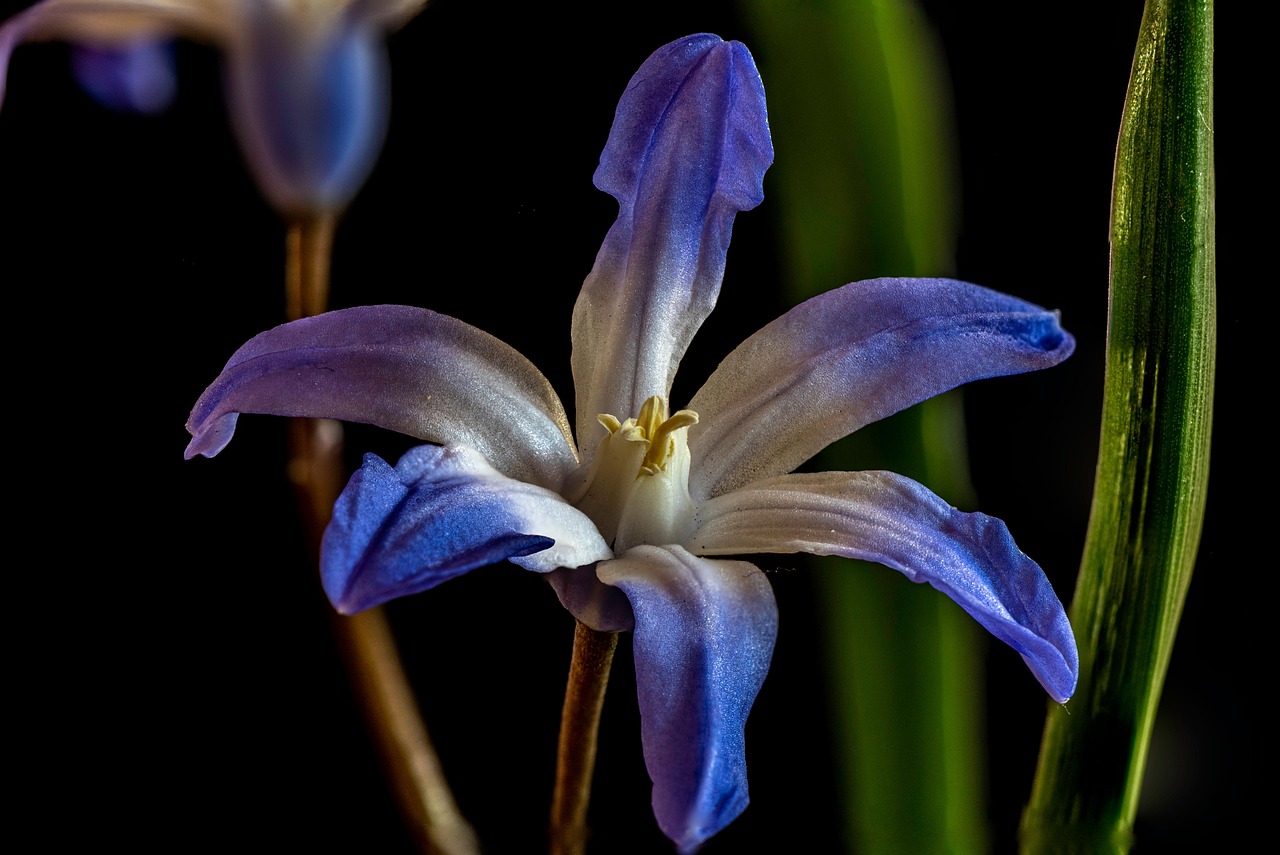
Follow-Up Care and Common Questions
Once your Chionodoxa bulbs are in the ground, they are remarkably low-maintenance. Because these bulbs are dormant during the winter, they generally do not require supplemental watering. You should only intervene if you live in a region experiencing an exceptionally dry autumn, in which case a light watering can help the roots establish before the ground freezes.
The most important phase of care occurs after the flowers fade in early spring. As the petals drop, resist the urge to trim the foliage immediately. The leaves are essential for gathering sunlight and converting it into energy, which is stored in the bulb to fuel next year’s growth. Allow the foliage to turn yellow and wither naturally before clearing it away.
If you find that your Chionodoxa display is becoming sparse or failing to bloom after several seasons, the bulbs may have become overcrowded. When bulbs are packed too tightly, they compete for nutrients and space, leading to smaller, fewer flowers. Follow these steps to rejuvenate your patch:
- Wait until late spring or early summer, once the foliage has completely yellowed and died back.
- Carefully lift the clumps of bulbs using a garden fork, taking care not to pierce them.
- Gently separate the individual bulbs by hand.
- Replant the healthiest, largest bulbs in a new location or back into the original bed with more spacing.
- Discard any bulbs that appear soft, mushy, or show signs of rot.
By allowing the bulbs to complete their natural growth cycle and thinning them out every three to five years, you ensure a vibrant, reliable display of star-shaped blooms each spring. These resilient plants are excellent for naturalizing, meaning they will often spread on their own over time, creating a lush, carpet-like effect in your garden beds or under deciduous trees. With these simple practices, your Chionodoxa will continue to thrive with minimal effort for years to come.

Dedicated team of gardening enthusiasts with years of hands-on experience testing lawn mowers, gardening tools, and outdoor equipment. We help home gardeners and professionals alike make informed buying decisions with honest, thorough reviews. From push mowers to pruning shears, we test it all so you don’t have to. Got a gardening tool you’d like us to review? Get in touch!