
Most hydrangeas take between three to five years to reach their full, mature size after being planted in your garden. While these popular shrubs are incredibly rewarding, they require significant patience and consistent care to thrive. Understanding this growth timeline is essential for any gardener looking to enjoy lush, vibrant blooms every season.
Many gardeners wonder how long it takes for hydrangeas to reach their full potential. While these shrubs are rewarding, they require patience. Factors such as soil quality, sunlight exposure, and specific variety play a major role in how quickly your plant establishes its root system and begins producing those iconic, colorful flower heads.
This guide outlines the growth timeline from planting to maturity and what you can expect during each stage of development. We will explore practical tips for watering, pruning, and fertilizing to ensure your hydrangeas stay healthy throughout the year. Follow these expert strategies to help your garden reach its most beautiful potential today.
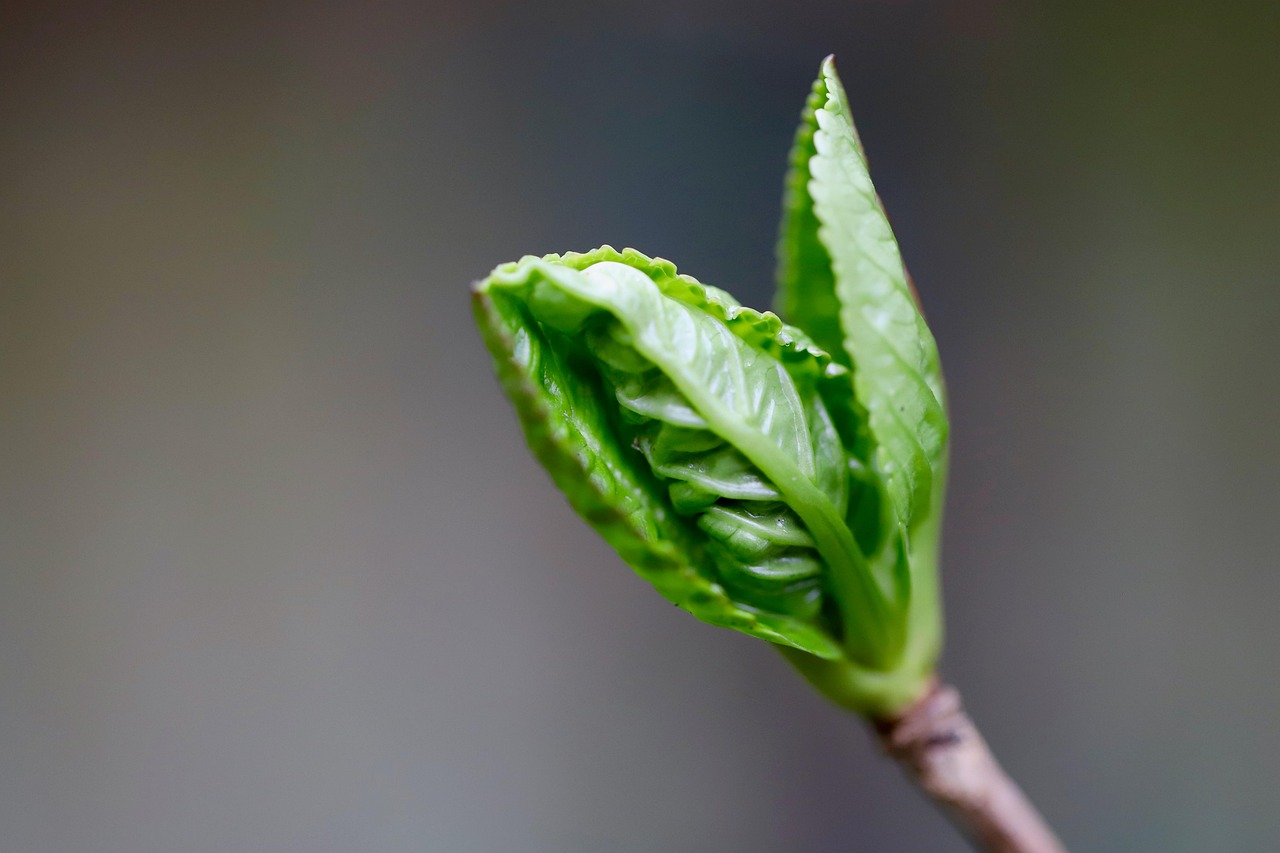
The First Year: Establishing Roots
When you first plant a hydrangea, it is natural to expect immediate, lush growth. However, the first year is a period of transition where the plant prioritizes survival and structural integrity over aesthetic appeal. During these initial months, your hydrangea is busy expanding its root system deep into the surrounding soil to secure nutrients and stability.
Because energy is directed downward, you should not be discouraged if you see minimal foliage or a complete lack of blooms. This is a normal part of the maturation process. Your primary responsibility during this stage is to act as a support system, ensuring the plant has the resources it needs to thrive in its new environment.
Consistent moisture is the most critical factor for success. A young hydrangea has a limited root ball, meaning it cannot yet reach deep groundwater. To keep your plant healthy, follow these practical care guidelines:
- Check the soil daily: During the first few weeks, touch the soil two inches below the surface. If it feels dry, it is time to water.
- Water deeply: Instead of frequent light sprinkles, provide a slow, deep soak. This encourages roots to grow downward rather than staying near the surface.
- Apply mulch: Spread two to three inches of organic mulch, such as pine bark or compost, around the base of the plant. This helps retain soil moisture and regulates temperature.
- Avoid heavy pruning: Resist the urge to trim the plant during its first year. The existing stems and leaves are essential for photosynthesis, which powers root development.
By focusing on consistent hydration and minimizing stress, you are setting the stage for a vigorous, blooming shrub in future seasons. Think of this first year as an investment; by allowing the hydrangea to establish a robust foundation now, you ensure it has the strength to support heavy, vibrant flower heads for years to come. Patience during this establishment phase is the secret to a long-lived, healthy garden.
Years Two and Three: The Growth Spurt
By the second and third years, your hydrangea has transitioned from the fragile establishment phase into a period of vigorous structural growth. With a robust root system now anchoring the plant, it redirects its energy toward expanding its canopy. During this window, you will notice a significant increase in foliage density and the development of a more permanent, architectural shape.
This is the time when your plant will likely produce its first reliable, substantial flush of flowers. To support this transition and ensure consistent blooming, focus on these essential care practices:
- Consistent Hydration: Even with established roots, hydrangeas remain thirsty. Provide deep, slow watering at the base of the plant during dry spells to prevent wilt and scorched leaf margins.
- Strategic Fertilization: Apply a balanced, slow-release fertilizer in early spring just as new growth emerges. Avoid late-season nitrogen, which can encourage tender, frost-prone growth that may not bloom the following year.
- Pruning for Structure: Now is the time to shape the shrub. Remove any dead or crossing branches in late winter or early spring. If you have a variety that blooms on old wood, be careful not to cut back established stems, as you will inadvertently remove next year’s flower buds.
- Mulching: Maintain a two-to-three-inch layer of organic mulch, such as shredded bark or compost, around the base. This regulates soil temperature, suppresses competing weeds, and retains the moisture these plants crave.
As the plant reaches its third year, it will begin to exhibit the characteristic size and form of its specific variety. If you find the plant is outgrowing its space, note that hydrangeas generally resent being moved once they have reached this stage of maturity. Monitor the plant closely for signs of stress, such as yellowing leaves or stunted development, which may indicate a need for adjusted soil pH or improved drainage. With steady care, your hydrangea is now well-positioned to become a long-term focal point in your landscape.

Reaching Maturity: The Three to Five Year Mark
Patience is the most important tool in a gardener’s kit when cultivating hydrangeas. While you may see flowers within the first or second season, true maturity typically takes three to five years. During this period, the shrub is busy establishing a robust, deep root system that will eventually support its full height and spread.
Once a hydrangea reaches this three-to-five-year milestone, you will notice a significant shift in its behavior. The plant becomes more self-sufficient, requiring less frequent supplemental irrigation than it did during its formative years. Because the root system is well-anchored, the shrub is better equipped to handle minor dry spells and seasonal temperature fluctuations.
This maturity stage is also when your hydrangea will reach its peak blooming potential. You can expect the most prolific, consistent flower production, provided the plant is situated in the correct light conditions for its specific variety. To ensure your hydrangea thrives as it matures, keep these maintenance tips in mind:
- Monitor soil moisture: Even mature plants appreciate a deep soak during extended periods of drought, especially if the leaves begin to droop by midday.
- Annual mulching: Apply a two-inch layer of organic mulch, such as shredded bark, around the base each spring. This helps regulate soil temperature and retains moisture.
- Pruning timing: Know your variety. Pruning at the wrong time—such as cutting back old-wood bloomers in late winter—can sacrifice an entire season of flowers. Always prune based on whether your specific hydrangea blooms on “old wood” or “new wood.”
- Balanced nutrition: A single application of a balanced, slow-release fertilizer in early spring is usually sufficient for a mature shrub. Avoid over-fertilizing, which can promote excessive leafy growth at the expense of flower buds.
By the five-year mark, your hydrangea should be a reliable, low-maintenance centerpiece in your landscape. If the shrub has reached its expected dimensions and is blooming vigorously, it has successfully transitioned from a delicate transplant to a permanent, established garden feature.
Essential Safety for Pruning and Maintenance
As your hydrangea matures, regular pruning becomes essential to maintain its health and encourage vibrant blooms. However, the process requires more than just knowing where to cut; it demands a focus on personal safety and tool hygiene to protect both you and your shrub.
Always prioritize the use of sharp, clean bypass pruners. Dull blades crush plant tissue rather than slicing through it, which creates ragged wounds that are slow to heal and prone to disease. A clean, precise cut ensures your hydrangea can recover quickly after a trim.
To ensure a safe and efficient pruning session, follow these practical guidelines:
- Wear durable gardening gloves: These protect your hands from scratches caused by stiff branches, potential thorns, or hidden insects.
- Use eye protection: If you are using long-reach loppers to trim tall or woody stems, wear safety glasses. This prevents injury from snapping branches, falling debris, or sawdust.
- Maintain a stable stance: When reaching for higher stems, ensure your feet are firmly planted on level ground. Avoid overextending, as this can lead to slips or uneven cuts.
- Sanitize your tools: Wipe your blades with rubbing alcohol between plants to prevent the spread of fungal spores or bacteria from one hydrangea to another.
A critical rule for hydrangea maintenance is to avoid power tools entirely. Hedge trimmers and power saws are designed for mass shaping, not the delicate, selective pruning required for these shrubs. Power tools often cause uneven, jagged damage to the plant’s structure, which can ruin the natural shape of the bush and inhibit future flowering. Stick to manual hand tools for better control and long-term plant vitality.
By taking these simple precautions, you ensure that your gardening experience remains enjoyable and that your hydrangeas stay healthy for many seasons to come. Proper care today leads to a stronger, more resilient plant tomorrow.

Follow-Up Care and Troubleshooting
If your hydrangea has not matured or bloomed as expected after three years, take a step back to evaluate the environment. Hydrangeas are generally resilient, but they require specific conditions to reach their full potential. Start by assessing these three critical factors:
- Soil pH: Hydrangeas are sensitive to soil acidity. If your soil is too alkaline, the plant may struggle to absorb necessary nutrients. Use a home test kit to check your levels; you can amend the soil with sulfur to lower pH or lime to raise it, depending on your variety.
- Sunlight Exposure: Most hydrangeas prefer morning sun and dappled afternoon shade. If your plant is in full, scorching sun, it may suffer from leaf scorch and stunted growth. Conversely, too much shade will significantly reduce flower production.
- Watering Habits: These plants require consistent moisture, especially during their first few years. Ensure the soil is well-draining but never bone-dry. If the leaves droop consistently despite regular watering, check for root rot caused by poor drainage or overly compacted soil.
Nutrient-rich soil is the foundation of a healthy plant. If you suspect a deficiency, apply a balanced, slow-release fertilizer in early spring before new growth begins. Avoid over-fertilizing with high-nitrogen products, as this encourages lush foliage at the expense of beautiful blooms.
Sometimes, despite your best efforts, a plant may fail to thrive due to regional pests or localized diseases. If you notice persistent wilting, unusual spots on the leaves, or stunted growth that does not improve after correcting your care routine, do not hesitate to seek expert help. Contact your local agricultural extension office or consult with a master gardener in your area. These professionals can provide specific advice tailored to your unique climate, soil type, and common regional pathogens. Getting a diagnosis early can often save a struggling plant and ensure your garden remains a vibrant, healthy space for seasons to come.

Dedicated team of gardening enthusiasts with years of hands-on experience testing lawn mowers, gardening tools, and outdoor equipment. We help home gardeners and professionals alike make informed buying decisions with honest, thorough reviews. From push mowers to pruning shears, we test it all so you don’t have to. Got a gardening tool you’d like us to review? Get in touch!